What Is the Difference Between Meso Zeaxanthin and Lutein?
Meso zeaxanthin and lutein are both carotenoids essential for eye health, but they differ significantly in structure, origin, and function. Lutein is naturally abundant in leafy greens and other vegetables, whereas meso zeaxanthin is rarely present in the diet and primarily forms through metabolic conversion of lutein within the retina.
The critical distinction lies in their distribution: lutein concentrates in the peripheral macula, while meso zeaxanthin dominates the foveal center the retina's most light-sensitive area. This unique positioning makes meso zeaxanthin exceptionally effective at filtering high-energy blue light and neutralizing oxidative stress where visual acuity is most critical. Understanding these differences enables manufacturers to formulate targeted eye health supplements that address specific macular protection needs.
Understanding Meso Zeaxanthin and Lutein: Core Differences
Chemical Structure and Isomer Configuration
The biological behavior of these carotenoids is determined by the differences in their molecules. Lutein is made up of the chemical formula C40H56O2 and has hydroxyl groups at both ends of its carbon chain. These groups help it work as an antioxidant. Meso Zeaxanthin has the same molecular structure as zeaxanthin, but its stereochemical arrangement is different.
It is the (3R,3'S)-stereoisomer of zeaxanthin. This chiral structure makes it easier for membranes to line up inside retinal cells, which makes it better at absorbing blue light around 460 nm and blocking singlet oxygen. The stereochemistry also affects how these compounds connect with binding proteins in the macula, which controls where they are located and how stable they are.
Natural Sources and Extraction Methods
Lutein can be found in a lot of foods, like kale, spinach, and egg yolks. This makes it easy to get lutein from marigold flowers (Tagetes erecta) using solvent-based methods. Because it can be scaled up and has a high lutein concentration, this botanical source has become the standard in the industry. Meso Zeaxanthin, on the other hand, is hard to get.
It is found naturally in very small amounts in the exoskeletons of some fish species and shrimp. Usually, controlled isomerization of lutein extracted from marigolds is used for commercial production. This requires special chemical processes to make the stereochemical change. This level of complexity affects both the cost of production and the need for strict quality checks using chiral chromatography methods.
To get high-purity Meso Zeaxanthin, the process of extraction needs to be carefully controlled in terms of temperature and the choice of catalysts so that racemization and degradation don't happen. Manufacturers have to find a mix between keeping the important 3R,3'S arrangement and getting the best return. It is necessary to use HPLC with chiral columns for verification protocols in order to prove the stereoisomer identity and rule out contamination from other forms of zeaxanthin.
Biological Roles and Macular Pigment Distribution
These carotenoids make up the macular pigment, which is a defensive layer that is yellow in color. Lutein makes up about 35 to 40 percent of the total macular pigment and is mostly found in the edges of the macula. It protects a larger area of the eye from the reactive damage that light can cause. Meso Zeaxanthin, on the other hand, makes up up to half of the carotenoids in the foveal nucleus, which is the precise place where clear central vision happens. There is a reason for this concentration pattern; lutein is metabolically changed to Meso Zeaxanthin in retinal cells with the help of certain enzymes.
Researchers have found that people whose enzyme activity is low have lower levels of Meso Zeaxanthin even though they eat enough lutein. Taking preformed Meso Zeaxanthin as a supplement gets around this biochemical block and raises the macular pigment optical density (MPOD) directly at the fovea. Clinical studies show that taking lutein, zeaxanthin, and Meso Zeaxanthin supplements together in a 10:10:2 ratio improves MPOD more effectively than taking lutein supplements alone, especially in people over the age of 50.
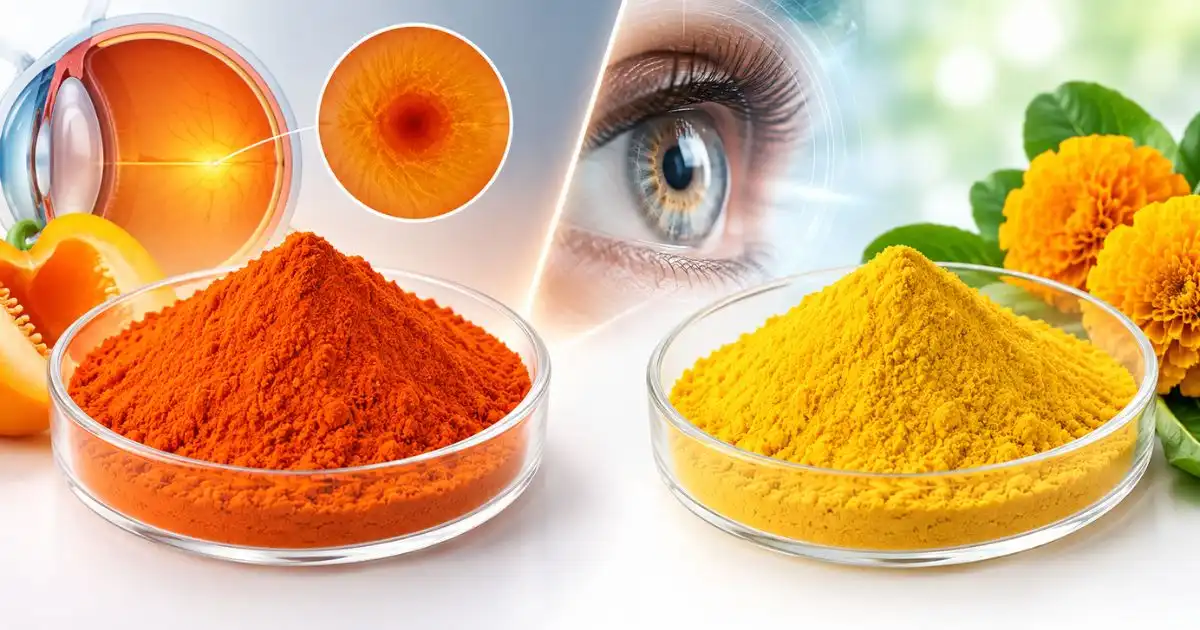
Comparative Benefits for Eye Health and Vision Improvement
Protection Against Age-Related Macular Degeneration
Aging-related macular degeneration, in which central retinal cells slowly die, is still the main reason why older people lose their sight. Meso Zeaxanthin protects in a special way because it is concentrated in the foveal center, which is where AMD trouble usually starts. Because it is an antioxidant, it gets rid of reactive oxygen species that are made by blue light and metabolic processes. Researchers who followed people with early-stage AMD found that taking supplements with Meso Zeaxanthin slows the disease's development by making people more sensitive to contrast and less affected by glare.
Lutein protects the retina in a wider range of ways, helping with peripheral vision and the health of photoreceptors in general. In addition to helping the eyes, its protective effects are felt throughout the body and can also improve brain function. But formulations that don't contain Meso Zeaxanthin might not help enough with central macular vulnerability for targeted AMD intervention. Even though the AREDS2 study was important, it didn't include Meso Zeaxanthin. This led researchers to look into better formulas. Later tests that used all three macular carotenoids showed significantly better visual outcomes and higher MPOD.
Blue Light Filtration and Visual Performance
People today spend a lot of time in front of digital screens, which give off high-energy visible (HEV) blue light that damages the retina. Meso Zeaxanthin absorbs 40% more HEV blue light than manufactured replacements because its absorption range peaks around 460 nm, which is right where the most harmful wavelengths are. This filter shortens the time it takes for photostress to go away, raises contrast awareness, and lowers eye strain when using a computer for long periods of time. This safety feature is especially helpful for gamers, office workers, and athletes who have to work in bright conditions.
Lutein adds to this protection by blocking blue light over a wider range, though its absorption peak is slightly different. When these carotenoids are put together, they make a stacked filter system that protects the whole macular area. Clinical tests using heterochromatic flicker photometry show that taking both compounds together is better for your eyes than taking just one carotene. It speeds up your brain's processing of images and eases pain.
Recommended Dosages and Safety Profiles
Dosing standards based on clinical studies say that for best macular support, a person should take in 10–20 mg of lutein, 2–4 mg of dietary zeaxanthin, and 10–20 mg of Meso Zeaxanthin every day. With these doses, MPOD levels rise in 12 to 16 weeks without any side affects. Multiple years of safety testing show no worries about toxicity, and both carotenoids are considered Generally Recognized as Safe (GRAS) by regulatory agencies.
Bioavailability is something that manufacturers have to think about when they make products. Lipophilic carotenoids need to be taken with dietary fats or put inside oil-based delivery systems to help the body absorb them better. Cold water-soluble (CWS) microencapsulated formats get around this problem for functional beverage uses, but they cost more to make. To meet industry standards, stability testing should show that at least 90% of the drug's potency is still present after 24 months at 40°C and 75% humidity.
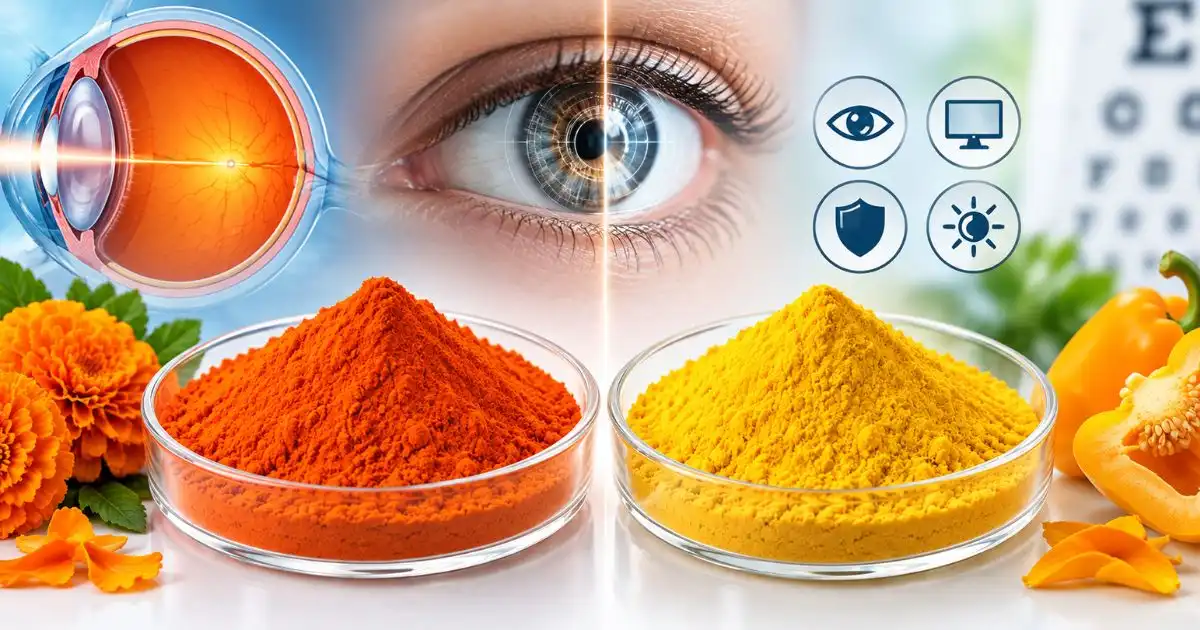
Meso Zeaxanthin vs. Lutein in Supplement Formulations: What B2B Buyers Should Know
Dosage Forms and Delivery Systems
Picking the right dosage form affects how well the product works, how well customers follow the directions, and how much it costs to make. Lipophilic carotenoids are still best taken in softgel tablets, which make them more bioavailable through oil-based media. Shells made of gelatin or veggie material can hold different amounts of filling, usually between 300 mg and 1000 mg per unit. Powder forms can be mixed in different ways and added to mixtures with more than one ingredient, which is useful for contract makers working on private label projects.
The following table shows how popular delivery methods stack up:
| Delivery Form | Bioavailability | Stability | Production Cost | Target Application |
|---|---|---|---|---|
| Softgel Capsules | High (oil-based) | Excellent | Moderate | Premium supplements |
| Hard Shell Capsules | Moderate | Good | Low | Budget formulations |
| CWS Powder Beadlets | Moderate-High | Good | High | Functional beverages |
| Bulk Powder | Variable | Fair | Very Low | OEM/ODM blending |
Using spray-drying or fluid-bed coating to make beads makes water-dispersible particles that can be used in drinks, gummies, and foods that need extra nutrition. This format has to be able to handle being pasteurized (72°C) and being in environments with an acidic pH without breaking down or changing color. To keep the product from settling during storage, testing methods should confirm the particle size distribution (usually 200–400 mesh) and how it reacts to being reconstituted.
Sourcing Considerations: Natural vs. Synthetic
The debate over natural vs. synthetic has big effects on marketing claims, following the rules, and how people think about products. Lutein from marigold flowers is considered "natural" in most places, which makes it appealing to people who care about their health. Meso Zeaxanthin made by isomerizing lutein is in a gray area because it is chemically the same as the naturally occurring form but needs to be changed in a factory. Under "nature-identical" classes, regulatory bodies in the EU and North America usually don't mind this process. However, clear marking is still very important.
Chemical synthesis for synthetic production has cost benefits and a steady supply, but consumers in higher-end markets don't like it. Isotope ratio mass spectrometry can tell the difference between natural and artificial sources, which is important for brands that focus on plant sourcing.
As part of a supplier partnership, you should keep records of the raw materials used, the methods used for processing them, and the consistency of the analysis from batch to batch. Certifications from outside groups, like the Non-GMO Project Verification, USDA Organic (if applicable), and ISO 22000, give a product more credibility with buyers and end users.
Blending with Complementary Nutrients
Synergistic formulation strategies make the benefits of each ingredient even greater while also taking care of more than one aspect of eye health. Omega-3 fatty acids (DHA and EPA) and Meso Zeaxanthin and lutein work together to support the health of retinal cell membranes and reduce inflammation. These vitamins, C and E, work differently than carotenoids to eliminate free radicals and provide extra antioxidant support. Zinc and copper addition supports enzyme activities important for retinal metabolism in AREDS/AREDS2 formulation models.
Anthocyanins-standardized bilberry extract works with carotenoids to improve microcirculation in retinal capillaries and improve nite vision adaptation. Another powerful carotene, astaxanthin, can get through the blood-retinal barrier and protect photoreceptors directly with antioxidants. Formulation complexity must balance how well it works with how easy it is to make. During product development, interactions between ingredients, sensitivity to moisture, and stability under processing conditions must all be carefully considered.
Market Comparison and Procurement Guidelines for Meso Zeaxanthin and Lutein
Global Pricing Trends and Bulk Purchasing Strategies
The prices of raw materials change depending on how much food is grown, how well it is extracted, and how much can be made in a certain area. When bought in bulk of 100 kg or more, lutein powder with a purity of 10 to 20 percent usually costs between $120 and $180 per kilogram. Prices go down as you buy more. Because it is hard to make and there aren't many suppliers, high-purity Meso Zeaxanthin (≥98%) costs a lot, between $800 and $1,500 per kilogram. Because they are microencapsulated, CWS grades cost 20–40% more than regular powders.
With volume commitments and long-term supply agreements, you have more negotiating power. Manufacturers that offer flexible minimum order quantities (1–5 kg for samples and 25 kg or more for production runs) can work with different buying cycles. When doing business with other countries, payment terms usually run from 30 days net to L/C at sight. Some sellers offer discounts for paying in advance. Total landed costs are affected by changes in currency and shipping operations, especially for temperature-controlled freight. This is why detailed cost modeling is needed when choosing a provider.
Leading Suppliers and Certification Standards
To find trusted providers, you need to look at their manufacturing skills, quality control procedures, and compliance with regulations. Key characteristics of suppliers are shown below in the table:
| Supplier Region | Typical MOQ | Key Certifications | Lead Time | Strengths |
|---|---|---|---|---|
| China | 1-25 kg | ISO 22000, HACCP, Halal, Kosher | 2-3 weeks | Cost-effective, high capacity |
| India | 5-50 kg | GMP, Organic, Non-GMO | 3-4 weeks | Competitive pricing, botanical expertise |
| Europe | 10-100 kg | EU Novel Foods, Organic (EU) | 4-6 weeks | Premium quality, regulatory alignment |
| USA | 25-500 kg | NSF, USP, GRAS | 3-5 weeks | Domestic sourcing, stringent testing |
Facility audits (either remotely or on-site), reviews of Certificate of Analysis (CoA) templates, and calls to customers in similar markets should all be part of the due diligence process. Strategic inventory buffers (50–100 kg) kept by suppliers allow for quick order fulfillment for urgent production needs, while made-to-order models need more time to plan. Traceability documents from botanical source to finished powder, such as batch records and testing results, meets the needs of consumers and regulators who want more openness and inspection.
Regulatory Compliance and Labeling Requirements
Getting around foreign rules is still a very important thing to think about when buying things. In the US, both lutein and Meso Zeaxanthin are considered GRAS, which means they can be used in functional foods and dietary supplements, but only up to a certain amount, as set by FDA guidelines. For some uses of carotenoids on European markets, Novel Foods needs to get permission first, and the EFSA is always checking for safety. Japan's Ministry of Health, Labor, and Welfare has its own ways of approving functional ingredients, which often require paperwork that is specific to the region.
Labels must correctly list the names of ingredients, the level of purity, and any health claims that are legal in the area. It is not necessary to get pre-market approval for structure-function claims like "supports macular health" in the US, but in the EU, they need to be backed up with more evidence. To avoid customs delays, country-of-origin statements, safety statements, and GMO status must all match the rules for importing goods. Working with suppliers who have experience distributing to multiple markets makes compliance management easier and lowers your legal risk.
Making an Informed Purchasing Decision: Recommendations for B2B Clients
Aligning Product Selection with Target Demographics
Demographics of the end user determine which ingredients to use, how much to give, and how to deliver the medicine. People aged 55 and up want to avoid AMD and prefer high-potency formulas that contain all three macular carotenoids. It's still easier to take softgels, and people think they're better quality. Athletes and e-sports fans want fast-absorbing formats that help their visual performance when they're under a lot of stress. This makes CWS powders and sublingual options appealing.
The blue light protection market is led by millennials and Gen Z, who like gummy forms, useful drinks, or beauty-from-within goods that help your eyes and skin at the same time. This group of people cares about clean labels, stories about sustainability, and stories about where products come from. Manufacturers who want to reach this group should put non-GMO certification, reusable packaging, and marks from third parties testing products high on their labels and marketing materials.
Evaluating Supplier Partnerships for Long-Term Success
Strategic ties with suppliers go beyond just buying things; they also include working together to develop new products. One of the most important things to look at when evaluating a supplier is their technical support. For example, can they help with formulation, stability testing, and regulatory documentation packages? Meso Zeaxanthin allows for flexible order quantities, helping businesses grow without hurting new brands with high minimum order quantities. Private labeling services, which include unique packing and help with branding, speed up the time it takes for new products to hit the market.
Reliability metrics like on-time delivery rates (goal: >95%), quality consistency across batches (CoA variance <5%), and quick responses to technical questions (response time <48 hours) set apart the best partners. Being open about problems with capacity, getting raw materials, and communicating ahead of time about possible supply disruptions helps build trust, which is important for making production schedules. Long-term contracts with volume increase terms lock in good prices and make sure there is a steady supply of goods when market demand goes up.
Anticipating Future Trends in Eye Health Ingredients
New research is always changing the kinds of ingredients that can be used to help with vision. Customized Meso Zeaxanthin dosing may become more popular as researchers look into individualized diet based on DNA polymorphisms that affect carotenoid metabolism. Nanoencapsulation technologies offer better bioavailability at lower amounts, which could lower the cost of manufacturing while increasing effectiveness. Combination goods that help with a number of age-related issues, like joint health, brain health, and eye problems, show that older people are interested in overall health.
Sustainability concerns will make people look more closely at farming methods, solvents used for extraction, and carbon footprints. Suppliers who show methods for closed-loop water use, green energy use, and neighborhood partnerships will have an edge over their competitors.
Putting money into clinical research partnerships that produce unique data on how well a product works helps brands stand out in crowded markets, which helps them charge higher prices and keep customers coming back. Procurement pros can take advantage of next-generation possibilities by staying up to date through industry conferences, research literature, and direct interactions with suppliers.
Conclusion
Meso Zeaxanthin and lutein are both important for eye health, but they do different things that work together. Manufacturers need to know about these differences in order to make good products. Meso Zeaxanthin is concentrated in the foveal center and protects against blue light and oxidative damage in a way that can't be matched. Lutein, on the other hand, has benefits for the whole body and the macula.
To be successful at procurement, you need to find a balance between target markets' standards for purity, supply style, and legal compliance. Formulations meet both market and effectiveness standards when they are made with providers who show they have technical know-how, the ability to make changes, and a commitment to quality assurance. As study improves and people become more aware of these carotenoids, brands that strategically invest in them will be able to lead the growing area of vision support.
FAQ
What is the optimal daily dosage for meso zeaxanthin supplementation?
Studies show that taking between 10 and 20 mg of Meso Zeaxanthin every day, along with 10 to 20 mg of lutein and 2 to 4 mg of zeaxanthin, can significantly improve MPOD. Each person has different needs based on their age, color levels, and the amount of carotenoids they eat.
Can meso zeaxanthin be safely combined with other supplements?
Yes, Meso Zeaxanthin doesn't react badly with vitamins, minerals, or omega-3 fatty acids that are widely used. Combining antioxidants that work well with each other, like vitamin C, E, and zinc, improves general eye health through synergistic effects.
How does natural meso zeaxanthin differ from synthetically produced versions?
Nature-identical Meso Zeaxanthin made by lutein isomerization has the same chemical structure and biological activity as forms that occur naturally. Analytical testing proves the stereochemical identity, and this way of making supplements is approved by regulatory bodies.
What verification methods ensure meso zeaxanthin purity?
Chiral HPLC analysis proves for sure that Meso Zeaxanthin is different from other zeaxanthin isomers because it has a 3R,3'S configuration. Reliable suppliers give Certificates of Analysis that show the product's purity (>98%), heavy metal content, microbial limits, and solvent residues that meet international standards.
Partner with Yangge for Premium Meso Zeaxanthin Supply
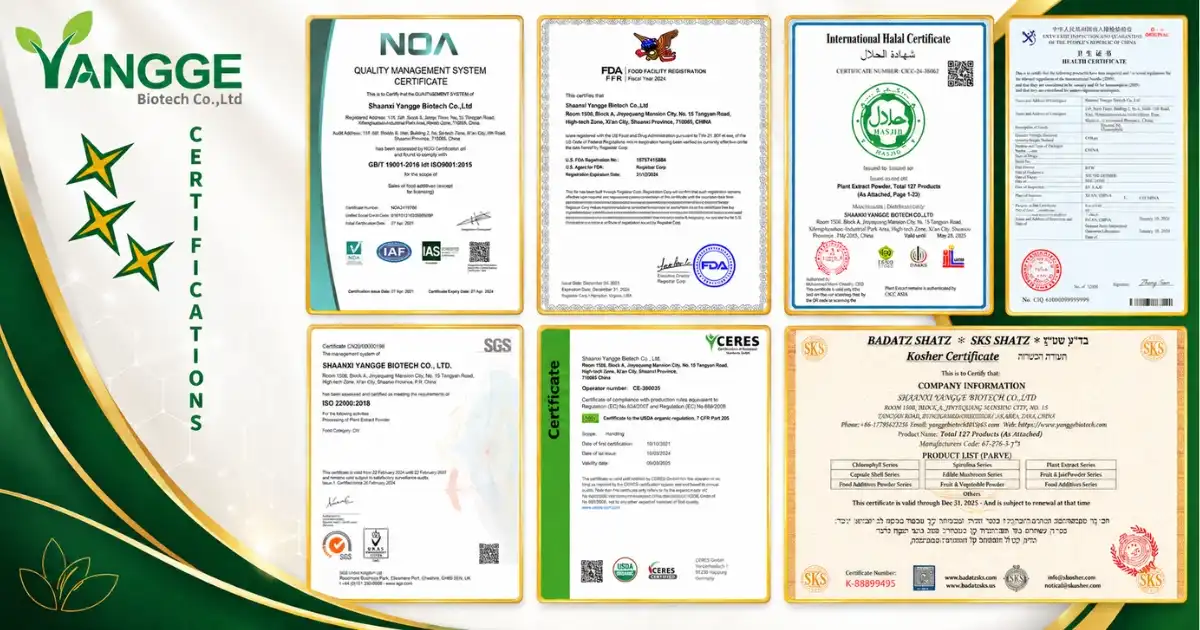
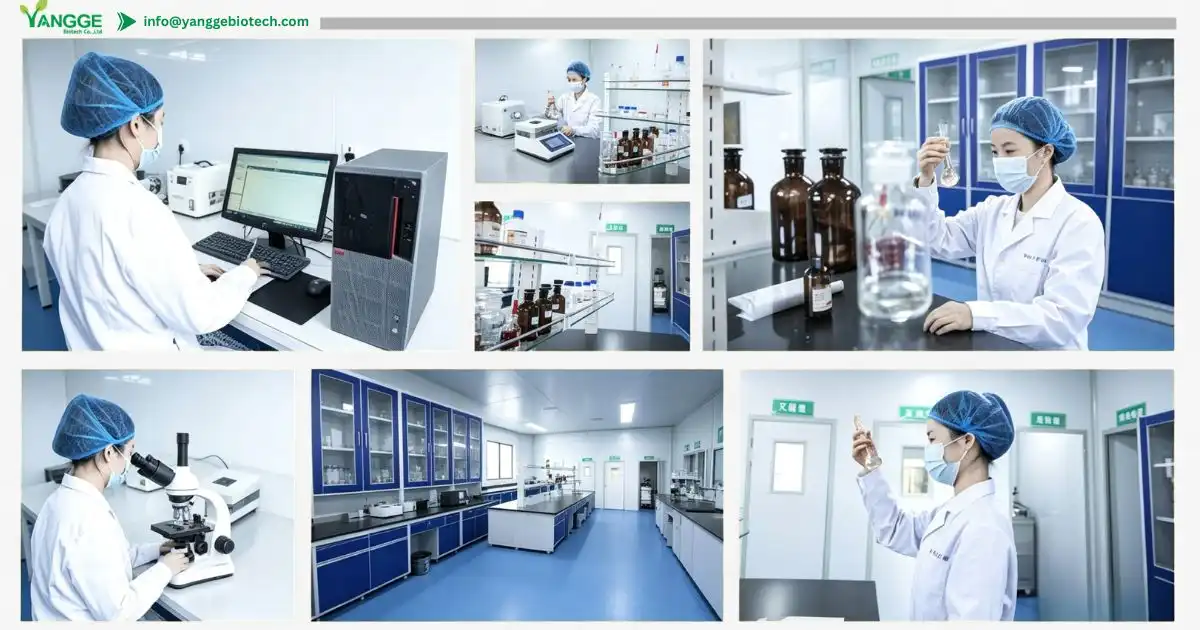
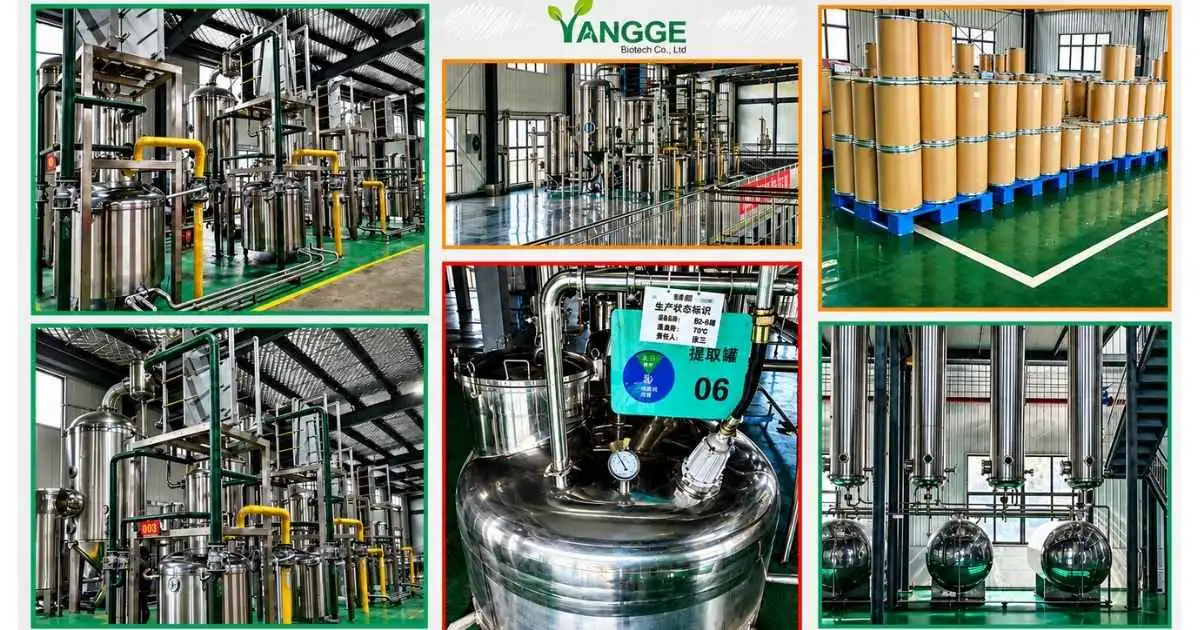
Yangge Biotech specializes in sending pharmaceutical-grade Meso Zeaxanthin Powder and CWS mixtures to companies around the world that make nutrition supplements and useful foods. Through chiral chromatography, we can prove that our ingredients come from marigolds are 99% pure, and we offer standards ranging from 5% to 80% standardization to meet a wide range of recipe needs. Our production processes are non-GMO and do not use irradiation, and we have ISO 22000, HACCP, Halal, and Kosher certifications to make sure we follow the rules in all international markets.
Our technical team helps with all aspects of product development, from helping with the initial formulation to doing stability tests and helping with regulatory paperwork. Flexible MOQs starting at 1 kg allow for testing and pilot production, and strategic inventory is kept to quickly fill larger orders. Custom packaging options and the ability to use your own brand name make it easier to get your idea to market.
As a reliable Meso Zeaxanthin provider, we use environmentally friendly methods of finding and strict quality checks to make sure we give your brand consistent, high-quality products it can count on. Talk to our experts at info@yanggebiotech.com or on blog.yanggebiotech.com about how our carotene solutions can help you make your eye health products better and give you an edge in this growing market.
References
1. Bone RA, Landrum JT, Tarsis SL. Preliminary identification of the human macular pigment. Vision Research. 1985;25(11):1531-1535.
2. Nolan JM, Meagher K, Kashani S, Beatty S. What is meso-zeaxanthin, and where does it come from? Eye. 2013;27(8):899-905.
3. Richer SP, Stiles W, Graham-Hoffman K, et al. Randomized, double-blind, placebo-controlled study of zeaxanthin and visual function in patients with atrophic age-related macular degeneration: the Zeaxanthin and Visual Function Study. Optometry. 2011;82(11):667-680.
4. Connolly EE, Beatty S, Loughman J, et al. Supplementation with all three macular carotenoids: response, stability, and safety. Investigative Ophthalmology & Visual Science. 2011;52(12):9207-9217.
5. Ma L, Lin XM. Effects of lutein and zeaxanthin on aspects of eye health. Journal of the Science of Food and Agriculture. 2010;90(1):2-12.
6. Age-Related Eye Disease Study 2 Research Group. Lutein + zeaxanthin and omega-3 fatty acids for age-related macular degeneration: the Age-Related Eye Disease Study 2 randomized clinical trial. JAMA. 2013;309(19):2005-2015.

Based on your location and order quantity, you will have the opportunity to receive a limited time free shipping promotion!
Who we are
Popular Blogs