What is the best time to take spirulina?
When is the best time to eat spirulina? What you do will depend on your health goals and how your body responds to this healthy plant. If you eat spirulina first thing in the morning, when you're not hungry, it helps your body absorb nutrients better and gives you energy that lasts all day. A lot of people take it before they work out to help them last longer, and some take it at night to help their bodies heal while they sleep. It's important for businesses that make products with Blue Spirulina Powder, especially the phycocyanin-rich extract, to know about these time differences. This helps them make vitamins that help people reach their health goals and are as accessible as possible.
Comprehending Spirulina and Blue Spirulina Powder
What Makes Spirulina a Nutritional Powerhouse?
Spirulina is a blue-green microalgae that grows best in alkaline water. For hundreds of years, people all over the world have eaten it. There are a lot of B vitamins, iron, calcium, and gamma-linolenic acid in this sea creature. It also has a lot of full protein, which means it has all the amino acids your body needs. Most plant-based sources of protein aren't as high in protein as spirulina. About 60–70% of its dry weight is protein. It's easy for nutrients to get to during absorption because its cell wall doesn't have cellulose. This is because nutrients don't have to go through more steps to break it down.
The Distinction Between Traditional and Blue Spirulina
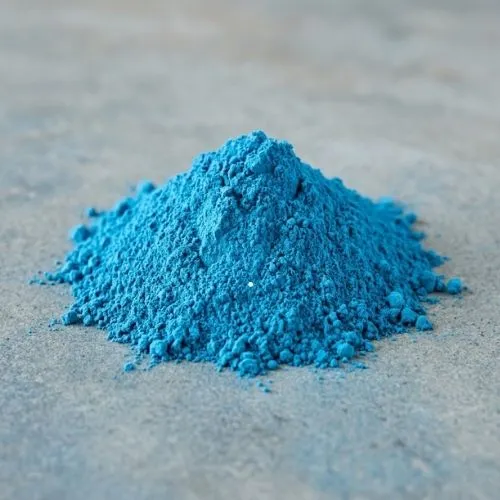
Traditional green spirulina still has chlorophyll in it and has a unique sea taste that some people find hard to get used to. Blue Spirulina Powder is a refined product that only has phycocyanin in it. Phycocyanin is the bright blue pigment-protein complex that gives spirulina its health benefits. Advanced water extraction methods are used by Yangge Biotech to split phycocyanin into groups from E6 to E40. In this way, a clear blue powder is made that doesn't taste like the ocean like whole-algae foods do. The market has a big need for natural colorants with clean labels that are also good for you. This cleaning fills that need.
Phycocyanin's Role in Modern Formulations
Phycocyanin is used to make two different kinds of products these days. As a natural alternative to FD&C Blue No. 1, it meets the needs of people who want drinks, sweets, and useful foods that don't have any added chemicals but still look good. There's more to phycocyanin than meets the eye. To get rid of free radicals and change how inflammation works, this stuff is very strong. Researchers have written in biomedical journals that phycocyanin may protect cells and help the immune system work better. Because of this, it can be used in nutraceuticals to make claims about health and beauty.
The Science Behind the Best Time to Take Spirulina
How Digestive Timing Affects Nutrient Absorption?
The gut has daily rhythms that change how well nutrients are taken in. In the small intestine, enzymes move amino acids, vitamins, and minerals across the walls of the digestive tract the fastest in the morning. This is the best time to eat. Algae is good for you because it starts the digestion process and gets your body ready to take in nutrients from other food. Because amino acids are easier to take when the stomach is not too full, this time method works especially well for spirulina, which is high in protein.
Morning Intake for Energy and Mental Clarity
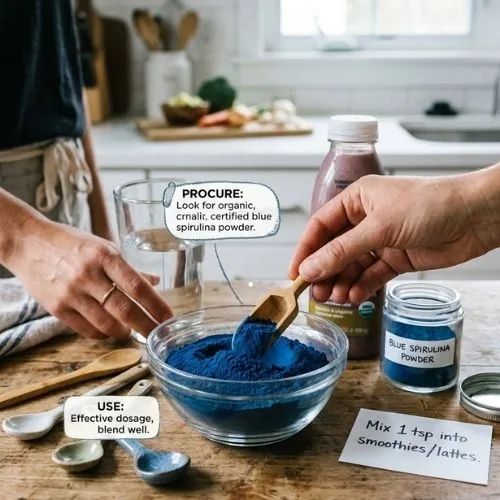
Spirulina helps your body release energy slowly over time, rather than all at once like simple sugars do. The best time to eat it is in the morning. Iron, full protein, and B vitamins all work together to make cofactors that cells need to use mitochondrial respiration to make energy. Sports and nutritionists have said that taking spirulina in the morning can help you focus better and feel less tired in the middle of the day. For single-serving health products for the morning market, makers should think about using doses of 1 to 3 grams of phycocyanin extract when making bulk preparations. Blue Spirulina Powder is an excellent option for this purpose, providing not only the nutrients needed for energy but also the vibrant color and health benefits.
Pre-Workout Timing for Physical Performance
Spirulina is being eaten by more and more athletes 60 to 90 minutes before a workout to help them stay strong and lower the toxic stress that comes from working out hard. When trained people were given spirulina pills, it took them longer to get tired and showed less muscle damage than when they were given a fake. If you work out, free radicals can damage muscle tissue. Phycocyanin may help get rid of these free radicals, which can protect muscle tissue while it heals. For sports nutrition brands, making the pre-workout time a big part of the product directions can help them stand out in a market full of vitamins.
Evening Consumption for Recovery Support
Spirulina at night is good for your health in many ways, but the main ones are that it helps repair cells and keeps your immune system active while you sleep. The body makes the most growth hormone when it is in deep sleep. Making sure there are enough amino acids in the body also helps muscles heal. There isn't a lot of strong evidence yet to back the claim that taking spirulina in the evening helps people sleep better. If buying managers are making products to help people recover at night, they might want to mix phycocyanin with ingredients that work well together, like magnesium or adaptogenic herbs, to make health products that work better together.
Comparison of Blue Spirulina Powder with Other Supplements and Spirulina Types
Blue Versus Green Spirulina: More Than Color
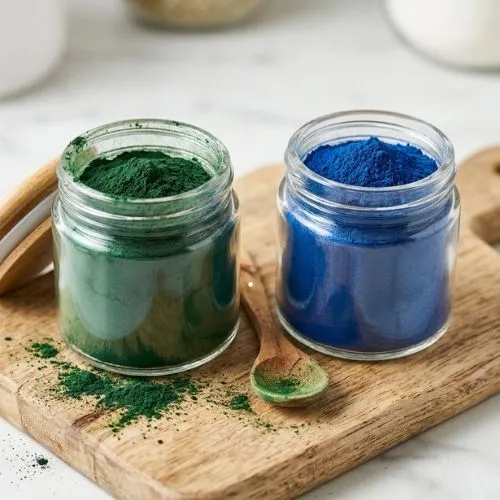
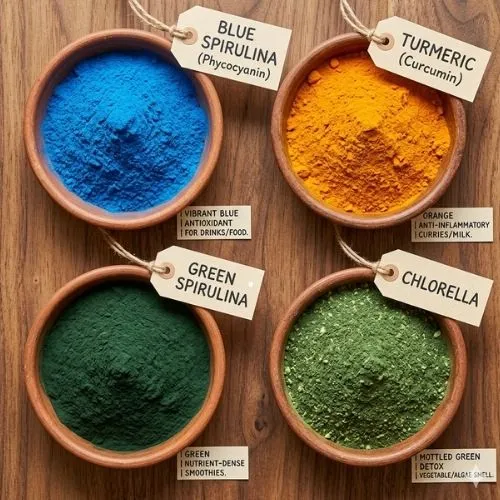
The main differences between blue and green spirulina are how they are removed and what they are used for. Whole green spirulina smells and tastes strong and is mostly made up of phycocyanin, chlorophyll, lipids, and nucleic acids. This gives it a full list of nutrients. In luxury grades, Blue Spirulina Powder concentrates phycocyanin to amounts that are more than 95% pure. It gets rid of the taste of the sea and makes each gram more antioxidant-rich. It is possible for makers to get the color strength and useful effects they want at lower inclusion rates with this concentration. This cuts down on the cost of making the product and improves its taste for customers.
Yangge Biotech's specs (E10, E18, and E25) show that the amounts of phycocyanin are going up, as seen by absorption at 618 nanometers. With 180 units of color power per gram, an E18 grade is good for drinks and sweets that need bright colors but don't want to use too much. Higher E25 standards are used for jobs that are for the pharmaceutical industry and where getting the most bioactivity is worth the extra cost. These technical specs will help R&D teams pick the best grades for each type of product while also getting the best value for money.
Comparing Antioxidant Capacity Across Superfoods
Oxygen Radical Absorbance Capacity (ORAC) tests done by separate labs show that phycocyanin gets rid of free radicals much better than other popular antioxidants. Actually, both matcha and açaí have polyphenolic compounds that are good for you in their own ways. But phycocyanin is the only one that stays stable in a lot of different pH levels and cooking conditions. The algae supplement chlorella is another one. Some health benefits are present, such as cell wall-bound fiber and chlorophyll growth factor. However, it lacks the strong antioxidant power and bright color of pure phycocyanin.
Market Demand and Differentiation Opportunities
People like spirulina a lot more now, and sales are slowly going up in both North America and Europe. But if you want to stand out in the spirulina market, you need to think of more than just basic green powder goods. At the same time, Blue Spirulina Powder meets a number of market needs. It offers color options with clean labels, plant-based protein choices, and useful ingredients that have been shown to be healthy. Some brands that use certified organic phycocyanin extracts can get extra attention and meet shop needs for quality assurance and source transparency. These extracts can be checked for Kosher, Halal, and USDA Organic certifications.
How to Use and Procure Blue Spirulina Powder Effectively?
Formulation Considerations for Various Product Categories
When preparing things, you need to know how stable phycocyanin is so that you can add it to them. The pigment-protein complex stays together in solutions with a pH between 5.5 and 8.0, but it breaks down in solutions with a pH below 4.0. To make the color last longer, drink makers should add citrates or phosphates to acidic juice structures. Those who are sensitive to heat also need extra care. Phycocyanin changes form above 60°C, so it needs to be added while the candy is still cool or processed cold to keep it for as long as possible.
To show how useful phycocyanin is in a variety of goods, here are some examples:
- Functional Beverages: Blue Spirulina Powder mixes completely with water and doesn't sink to the bottom. This is what gives ready-to-drink sports drinks, protein shakes, and health shots their bright blue color. The best inclusion rates range from 0.05% to 0.2%, depending on how bright you want the color to be. Fast shelf-life tests should be done by manufacturers to make sure that colors will stay stable in the storage conditions they were made for. This is especially important for clear packages that will be exposed to light.
- Gummy Supplements: When you add phycocyanin to gelatin or pectin gels while they are cooling, the heat damage is stopped and the color spreads evenly. The protein part mixes well with sticky things, adds color, and helps the structure stay together. People who make formulas should mix phycocyanin with natural colors that work well with it if they want to make shades other than pure blue or gradient effects.
- Capsules and Tablets: It's easy to use dry phycocyanin powder in packing tools and it's also easy to press down when making pills. It doesn't change the amount or how well it breaks down when you add excipients like microcrystalline cellulose. A study found that phycocyanin amounts between 300 and 500 mg per serving are enough for foods that are meant to have protective benefits.
- Superfood Blends: Phycocyanin can be mixed with other healthy ingredients like maca, ashwagandha, and wheatgrass to make exercise goods that people who care about their health and want easy nutrition will like. The mild taste of phycocyanin can be changed by some plant parts, so it's important to pay close attention to how the tastes mix.
These examples of uses show how knowing about the technical parts of phycocyanin can help make new products in many different types. When teams that buy things compare different providers, they should ask for technical data sheets and application support papers that show stability factors that are important for their manufacturing processes.
Supplier Selection Criteria for Bulk Procurement
To find phycocyanin sources you can trust, you need to look at more than just how much each seller charges per unit. There are simple ways to tell if a product is good quality: look for certifications. If a business is registered with the FDA, follows GMPs, and has third-party organic proof, these all show that they are committed to making their products to the standards that governments and big stores expect. A lot of different markets need Yangge Biotech to keep up with ISO, HACCP, Kosher, and Halal standards. This helps them sell their products in other countries more easily.
Consistency between production batches is another important thing to think about when making a choice. So that recipes don't need to be changed between orders, there should be tight limits on how strong the color is and how clear it is. It shows how well the provider controls quality if you ask for Certificates of Analysis from more than one production run. Every time Yangge Biotech ships something, they send the raw materials to a foreign lab to be tested. This is one more way to be sure the materials meet the safety standards and specs that were given.
Recently, problems around the world that have affected the amount of raw materials have made it more important for the supply line to be reliable. Suppliers who keep enough goods in stock, like Yangge's one-ton stock levels, keep makers from having to wait to start making things because they don't have enough materials. Procurement managers can handle goods more quickly and save money by knowing about wait times, minimum order amounts, and transportation options (FOB vs. CIF price structures).
Evaluating Cost-Effectiveness and Total Value
Spirulina prices vary a great deal based on how pure it is, where it comes from, and what certifications it has. At first, cheaper choices might look good, but a full cost analysis should look at things like how reliable the quality is, how easy it is to get help from experts, and how likely it is that a product will fail because of bad materials. Premium phycocyanin extracts are more expensive per kilogram, but they create better color effects. This means that they are used less often, which helps to balance out the changes in the costs of the ingredients.
Yangge Biotech offers more value than just low prices; they also offer customizable services that most companies don't. Because the company can create blends, customers can co-manufacture their own formulas without having to pay for different mixing processes. Brands that don't have their own packing facilities can make their supply lines easier by choosing custom package options like ready-to-sell sachets and large cases. New brands can get started in the market without having to spend a lot of money on infrastructure by getting logos made and private marking done.
Conclusion
When is the best time to take spirulina? It depends on your health goals and the things that happen in your body that affect how well nutrients are taken. In general, eating in the morning gives you more energy and helps you concentrate. Eating before a workout also helps you do better in sports and recover faster afterward. It tastes better, has more vitamins, and can be used in more ways than normal green spirulina.
Blue Spirulina Powder, which is made of pure phycocyanin, is better. When people in charge buy phycocyanin, they should give more weight to sellers who can show they have all the necessary licenses, do regular quality checks, and offer expert help. It is important to know what affects stability, compare specs between grades, and make sure that materials are pure in order to make sure that new goods are made that follow government rules and meet customer expectations in very competitive global markets.
Partner with Yangge for Premium Blue Spirulina Powder Supply
When you need to make new goods, Yangge Biotech can help. They offer approved phycocyanin extracts that are of the highest quality all over the world. A lot of tests and paperwork has shown that our E10, E18, and E25 types of Blue Spirulina Powder all have the same level of antioxidant activity and color strength. We keep one-ton stocks on hand to make sure there is always a supply, and our FOB and CIF shipping options can be changed to fit different business needs.
Not only do we have fair prices, but we also offer formulation help, custom mixing services, and private label package options that help you get your product to market faster. We make Blue Spirulina Powder and are a respected business. We urge R&D managers, buying leaders, and production directors to get free 10–30g samples to use in formulation tests. Contact our expert team at info@yanggebiotech.com to talk about your specific needs and find out how our knowledge of natural plant extracts can help you make your products better and make your business more competitive.
FAQ
Q: Can we get some samples to test before purchasing?
A: Of course, we can provide free samples of 20 to 100 grams, but the shipping cost is at the customer's expense. The shipping cost can be deducted from the next order, or the samples can be sent through your courier account.
Q: Do your products have relevant certifications?
A: Yes, our products are certified for HALAL, ISO, HACCP, Kosher, and other certifications.
Q: What is the minimum order quantity (MOQ)?
A: Small batches of samples can be customized according to your requirements.
Q: Do you offer OEM and ODM services? Can the formula be customized based on our own?
A: Of course, we provide ODM and OEM services to many customers. Our product range includes softgels, capsules, tablets, sachets, granules, and private label services. Simply contact us and let us know your requirements. Our experienced R&D team can also develop new products with specific formulas.
Please contact us to design your own branded products.
Q: How do you handle quality complaints?
A: First, we have a comprehensive quality control SOP. We provide authoritative third-party inspection reports for almost all products before shipment to minimize the possibility of quality issues. Second, we have a comprehensive return and exchange procedure. If there is a genuine quality dispute, we will strictly follow the SOP.
Q: How do you ship? How long does delivery take?
A: For small orders, we typically use DHL, UPS, EMS, FedEx, or TNT. Delivery typically takes 3-7 days. We also offer air and sea freight services. We have a strong freight forwarding team and can provide you with a one-stop service, including DDP and DDU.
Q: What are your payment terms?
A: 100% prepayment, payable by T/T, Western Union, MoneyGram, or PayPal.
Q: What is the shelf life of your products?
A: 2 years with proper storage.
Q: Is the packaging environmentally friendly?
A: We attach great importance to environmental protection and are constantly improving our product packaging. Some products are packaged in recyclable paper. Packaging materials are carefully selected to ensure product safety during transportation and storage, and to minimize environmental impact. We are committed to achieving a balance between environmental friendliness and practicality in our product packaging, and to contributing to sustainable development.
References
1. Dillon, J.C., Phuc, A.P., and Dubacq, J.P. "Nutritional Value of the Alga Spirulina." World Review of Nutrition and Dietetics 77 (1995): 32-46.
2. Kalafati, M., et al. "Ergogenic and Antioxidant Effects of Spirulina Supplementation in Humans." Medicine and Science in Sports and Exercise 42.1 (2010): 142-151.
3. Romay, C., and González, R. "Phycocyanin: A Biliprotein with Antioxidant, Anti-inflammatory and Neuroprotective Effects." Current Protein and Peptide Science 4.3 (2003): 207-216.
4. Eriksen, N.T. "Production of Phycocyanin—A Pigment with Applications in Biology, Biotechnology, Foods and Medicine." Applied Microbiology and Biotechnology 80.1 (2008): 1-14.
5. Wu, Q., Liu, L., Miron, A., et al. "The Antioxidant, Immunomodulatory, and Anti-inflammatory Activities of Spirulina: An Overview." Archives of Toxicology 90.8 (2016): 1817-1840.
6. Pentón-Rol, G., Marín-Prida, J., and McCarty, M.F. "C-Phycocyanin-Derived Phycocyanobilin as a Potential Nutraceutical Approach for Major Neurodegenerative Disorders and COVID-19-Induced Damage to the Nervous System." Current Neuropharmacology 19.12 (2021): 2250-2275.

Based on your location and order quantity, you will have the opportunity to receive a limited time free shipping promotion!
Who we are
Popular Blogs