What Is Ergothioneine Powder Used for in Supplements?
Yangge Biotech supply high quality Ergothioneine Powder 99% for dietary supplements, functional foods, nutritional beverages, beauty-from-within products, and cosmetic formulations. This white to off-white, high-purity powder is manufactured under controlled quality procedures and tested for identity, assay, heavy metals, and microbiological quality. With excellent formulation versatility and reliable batch consistency, it is suitable for brands, formulators, and manufacturers seeking a premium L-ergothioneine ingredient for antioxidant-focused products you may contact us or email at info@yanggebiotech.com
Ergothioneine powder serves as a cutting-edge dietary supplement ingredient primarily used for cellular protection, anti-aging support, and mitochondrial health enhancement. This rare amino acid derivative, sourced predominantly from mushroom fermentation, functions as an intelligent antioxidant that actively transports into cells via the OCTN1 carrier protein. Unlike conventional antioxidants, ergothioneine accumulates in tissues experiencing high oxidative stress including the liver, eyes, brain, and skin—making it exceptionally valuable for formulating premium longevity supplements, neuroprotective formulas, and high-end skincare nutraceuticals targeting discerning health-conscious consumers.
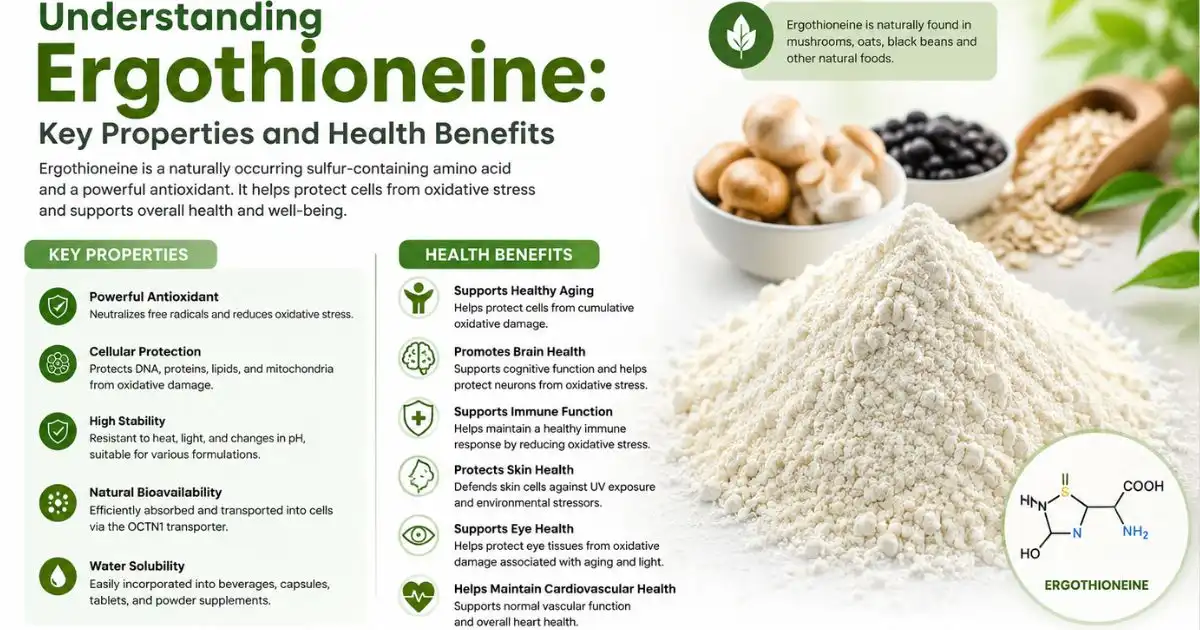
Understanding Ergothioneine: Key Properties and Health Benefits
The Biochemical Foundation of Cellular Protection
Ergothioneine is a thiol-histidine betaine compound that is naturally occurring and is mostly made by bacteria and some fungi, especially oyster mushrooms, shiitake mushrooms, and porcini mushrooms. The compound's molecular formula (C9H15N3O2S) includes an imidazole ring holding sulfur that gives it great redox stability and resistance to auto-oxidation. These are features that set it apart from other thiols, such as glutathione or cysteine.
What makes Ergothioneine particularly interesting from a sourcing and formulation standpoint is its specialized physiological transport system. The OCTN1 transporter protein recognizes Ergothioneine and makes it easier for it to cross cell membranes, so it can go straight to the mitochondria and nuclei. This focused absorption solves a major problem that many antioxidant ingredients have: getting enough of the ingredient into cells, where oxidative damage happens.
Documented Health Applications Driving Market Interest
Clinical and preclinical research has proven Ergothioneine's potential across multiple therapeutic areas important to current supplement positioning. Neuroprotection studies show that it can help cognitive function and may slow down the loss of brain cells that comes with getting older by stabilizing mitochondria and lowering markers of neuroinflammation. Because of these results, companies that make supplements for brain health and memory improvement are now more interested in making these kinds of products.
The photoprotective qualities of the compound have gotten a lot of interest in the nutricosmetics industry. Laboratory evidence indicates Ergothioneine may reduce UV-induced oxidative damage, support skin barrier integrity, and modulate inflammatory pathways associated with photoaging. These qualities are great for the growing market segment that combines beauty products that you eat with health claims for your skin.
Cardiovascular health is another area of usefulness that is getting more study support. Studies suggest Ergothioneine may support endothelial function, reduce oxidative modification of lipoproteins, and add to good inflammatory response regulation—benefits that match standard cardiovascular supplement ingredients.
Safety Profile and Dosage Considerations
When planning formulation requirements, procurement teams that are looking at Ergothioneine must think about both safety margins and limits for effectiveness. According to recent research, the recommended daily supplement dose is between 5 mg and 25 mg. However, bigger doses have been tested in clinical studies without any negative affects. The compound is well tolerated by all the groups that were studied, and there are no major concerns about its toxicity in the literature.
Regulatory status is different in each area. The ingredient has been given the "Generally Recognized as Safe" (GRAS) label in the US, which makes it easier to use in functional foods and dietary supplements. Novel Food regulations must be followed in order to sell food in Europe, but the ways to get approval are changing all the time as scientific evidence grows.
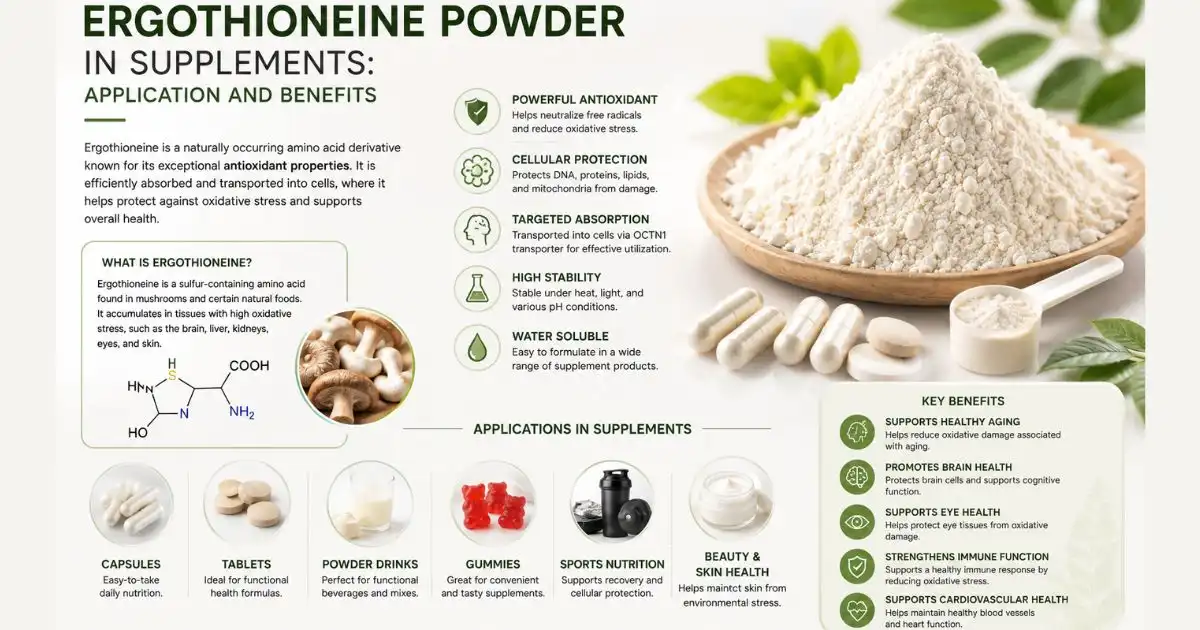
Ergothioneine Powder in Supplements: Application and Benefits
Formulation Advantages for Product Development Teams
When specification sheets are passed around, the technical features of Ergothioneine powder make it easy to tell it apart from liquid extracts or pre-encapsulated formats. The powder form, especially when it meets the ≥99% purity requirements checked by HPLC, gives formulation scientists precise dosing control, makes mixing into different matrices easier, and works with a variety of delivery systems, such as capsules, tablets, and functional beverage applications.
The compound's stability profile under the right keeping settings is appreciated by manufacturing teams. Some antioxidants lose their effectiveness quickly when they come into contact with light, heat, or water. However, high-purity Ergothioneine powder stays effective when it is stored away from extreme conditions and packaged in materials that keep moisture out. This stability directly turns into longer shelf life expectations and lower risks of reformulation, which are important factors that affect supplement makers' total cost of ownership.
The powder form lets you use a variety of methods to mix items that work well together. Ergothioneine is often combined with NAD+ precursors, resveratrol, or specific mushroom extracts by brands that want to make formulations that help people live longer. This creates synergistic antioxidant networks that support marketing stories about overall cellular health. These kinds of combinations help products stand out in supplement categories that are getting more and more competitive.
Target Applications Across Supplement Categories
Anti-Aging and Longevity Supplements: Ergothioneine is a scientifically supported ingredient that appeals to educated consumers in anti-aging and longevity supplements. Premium brands have embraced this ingredient. Even though the term "longevity vitamin" isn't officially recognized, it makes for good marketing copy and is backed up by peer-reviewed study on cellular aging and mitochondrial function.
Cognitive and Neuroprotective Formulas: Nootropic supplement developers wanting alternatives to stimulant-based methods increasingly incorporate Ergothioneine alongside compounds like citicoline, phosphatidylserine, and lion's mane mushroom extract. Because the chemical can cross the blood-brain barrier and build up in neural cells, there is scientific support for claims of cognitive health that are within the rules set by regulators.
Sports Nutrition and Recovery Products: Oxidative stress caused by exercise is a real problem for athletes. Ergothioneine's mitochondrial protective effects and ability to support recovery processes have drawn attention from sports nutrition brands creating premium recovery products that reach beyond simple protein and electrolyte replacement.
Nutricosmetics and Beauty-from-Within: The area where dermatological health and nutritional supplements meet is growing. This is because smart consumers are looking for alternatives to topical treatments that are backed up by evidence. Ergothioneine's documented photoprotective qualities and skin health benefits place it successfully within this high-margin area, especially when mixed with collagen peptides, ceramides, or other beauty-supporting compounds.
Alignment with Clean Label and Transparency Trends
Modern consumers, especially those who are ready to spend a lot of money on high-end supplements, are becoming more knowledgeable about where ingredients come from, how they are processed, and how to make sure the quality of the goods they buy. The desire for natural ingredients with the highest standards of purity is met by Ergothioneine, which is produced by fermentation of mushrooms and purified to pharmaceutical-grade specs.
Verification testing by a third party, such as pesticide residue analysis that meets EU standards and full reports of analysis, has gone from being a competitive benefit to something that everyone expects. For legal compliance and customer trust, procurement specifications should clearly require Eurofins or similar testing documents, along with certifications relevant to target markets (Halal, Kosher, NON-GMO verification).
Comparison and Procurement Considerations for Ergothioneine Powder
Competitive Positioning Within the Antioxidant Landscape
Understanding how Ergothioneine fits in with other well-known antioxidants helps purchasing teams figure out how valuable it is for product lines. The following table shows how the main features of different high-quality antioxidant compounds compare:
| Antioxidant Compound | Cellular Transport Mechanism | Primary Accumulation Sites | Typical Dosage Range | Relative Cost Position |
|---|---|---|---|---|
| Ergothioneine | Being used (OCTN1 transporter) | The eyes, liver, mitochondria, and brain | 5–25 mg | High-end |
| Glutathione | Needs passive/breakdown | Widespread but not very good oral absorption | 250 to 500 mg | Moderate to High |
| NAC (N-Acetyl Cysteine) | Change from passive to precursor | Systemic after the change | 600 to 1200 mg | Moderate |
| Resveratrol | Passive | Different uptake and fast metabolism | 150 to 500 mg | Moderate |
| Astaxanthin | Lipophilic or passive | Oily skin, eyes, and lipid membranes | 4–12 mg | High |
This comparison shows Ergothioneine's unique position: it needs lower doses than many other options while still being able to target high-value tissues. The higher price is because production is hard and materials are scarce, but these factors also help to differentiate the product and protect the profit margin.
Critical Supplier Selection Criteria
When looking for complex bioactive ingredients, it's important to make decisions about procurement that go beyond simple cost-per-kilogram calculations. Some quality differences that have a direct effect on the success of formulations and compliance with regulations are:
Purity Specifications and Analytical Verification: Ask for reports of analysis that prove the product is at least 99% pure using HPLC, paying special attention to heavy metals, bacteria limits, and chemical leftovers that could be contaminants. Suppliers who give Eurofins testing results that show they meet EU standards provide extra security for distributing their products in the European market.
Source Material and Production Methodology: The difference between fermentation extraction from mushrooms and synthetic production pathways has an effect on both pricing and marketing stories. Brands that stress using natural products should give preference to providers that use fungal fermentation and have clear records of where the substrate came from.
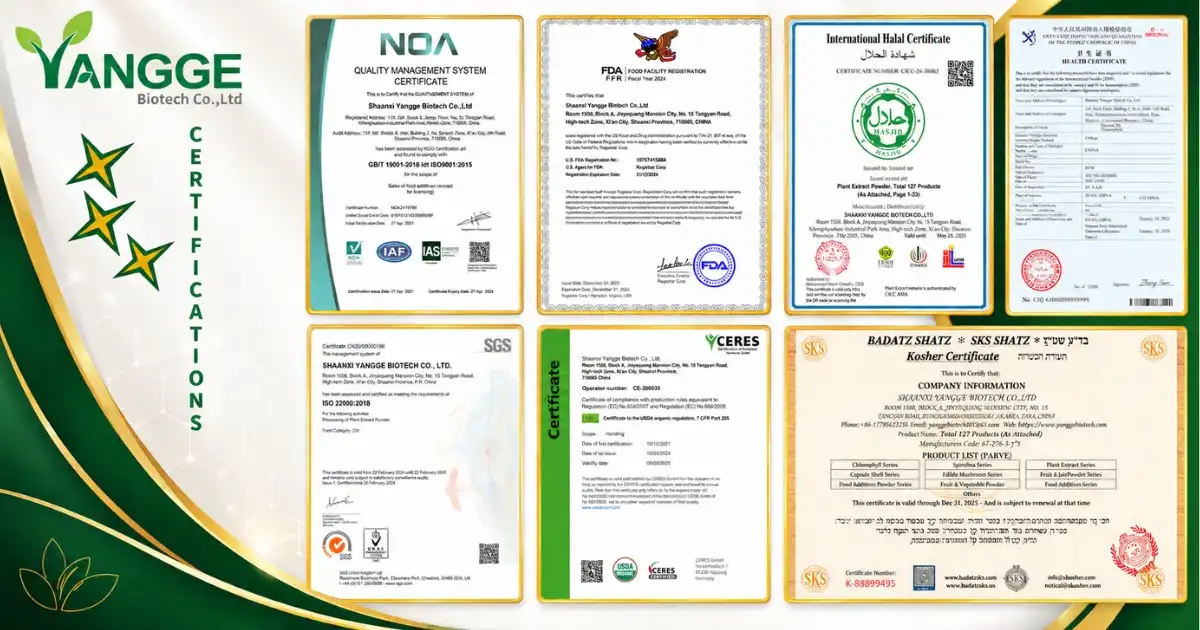
Certification Portfolio and Regulatory Compliance: Full certification packages that include ISO9001, FDA registration, Halal, Kosher, and NON-GMO verification make regulatory submissions easier in many places. Suppliers who follow current Good Manufacturing Practice (GMP) standards add to the quality assurance.
Supply Chain Reliability and Scalability: Because Ergothioneine has special production needs, it is important to carefully look at a supplier's ability to handle higher volumes without lowering quality. To see if the relationship will work as demand for the product rises, ask about production batch sizes, wait times, and how inventory is managed.
Technical Support and Documentation: Top ingredient providers should offer complete technical data sets that include stability studies, formulation guides, and suggested quality control methods. Having access to regulatory support specialists who know the rules in different target markets is very valuable, even if you only sell raw materials.
Practical Procurement Strategy Recommendations
Ergothioneine procurement success requires striking a balance between quality control and cost control in a number of ways. Accurate budget planning is easier when you work with providers who have clear price structures and are willing to talk about the total cost of ownership, which includes things like testing requirements, minimum order amounts, and logistics issues.
By negotiating initial qualification quantities, formulation teams can do stability studies and compatibility tests without having to commit too much inventory. Once formulations have been tested for stability and are ready to be sold, longer-term supply agreements with volume commitments can get better prices and make sure materials are always available.
Given Ergothioneine's place within the premium supplement categories, documentation standards deserve special attention. Full ingredient dossiers with safety information, published research summaries, and suggested marketing claim language (with the right disclaimers) shorten the time it takes to make a product and make regulatory submissions easier.
Manufacturing and Quality Assurance of Ergothioneine Supplements
Production Methodologies and Their Implications
The journey from raw material to final supplement involves critical manufacturing decisions that affect the quality of the product, its ability to meet regulation requirements, and its ability to make money. Ergothioneine powder is primarily produced along two separate paths, each of which has its own effects on buying requirements and marketing strategy.
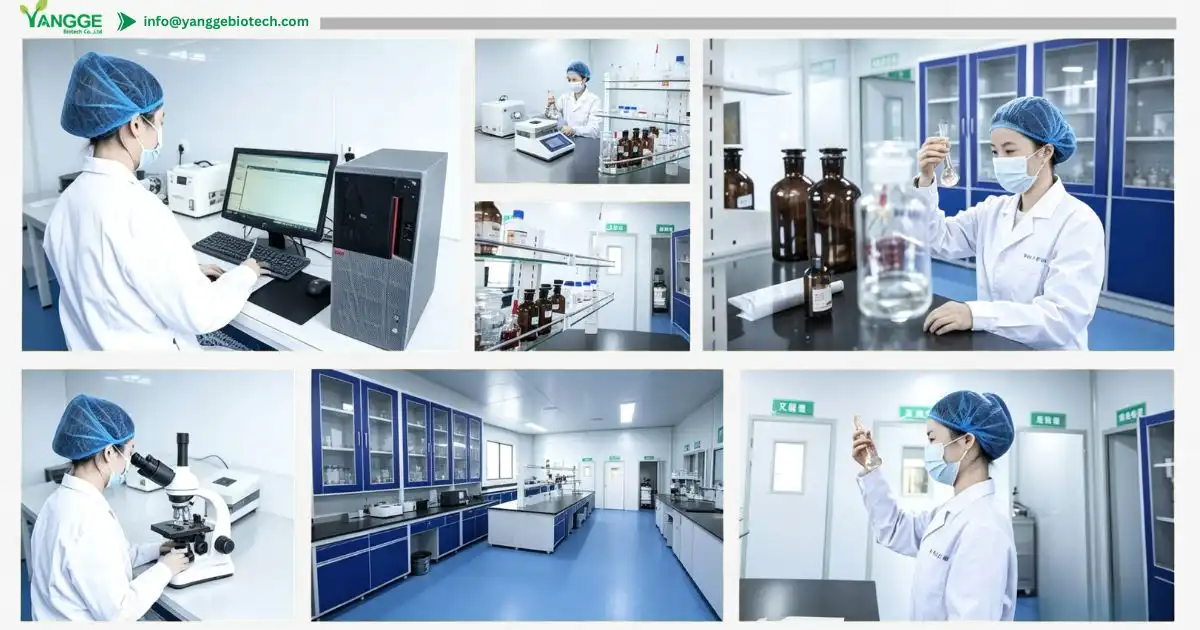
In order to maximize the concentration of Ergothioneine, fungal fermentation extraction takes advantage of the biosynthetic abilities of certain mushroom species. After more steps of extraction, purification, and crystallization, a pharmaceutical-grade powder of high purity is obtained. This method fits with the clean-label positioning and natural-origin claims that people who buy high-end supplements value.
Synthetic production lines offer different ways to make things, each with its own costs and ways of being scaled up or down. Even though synthetic Ergothioneine has the same molecular structure and biological activity, materials that come from fermentation may be more popular in the natural products market. Procurement teams should talk to suppliers about how to make things and make sure that their methods are in line with brand positioning strategies.
Quality Control Protocols and Testing Requirements
Strong quality assurance programs protect the reputation of a brand and make sure that it follows the rules in all global markets. The following testing protocols are the best in the business for making sure that Ergothioneine powder is real:
Identity Confirmation: Using HPLC to compare retention times and spectral properties against verified reference standards proves the identity of the ingredient and tells Ergothioneine apart from compounds that have similar structures.
Purity Quantification: The quantitative HPLC method checks that the quantity of the active ingredient is within the required range of ≥99%. Chromatographic analysis finds possible impurities or degradation products that could lower the quality of a product all at once.
Microbial Contamination Assessment: To make sure microbial safety, a total plate count, the counting of yeast and mold, and specific pathogen tests (Salmonella, E. coli, and Staphylococcus aureus) are done. The specifications should be in line with either the US Pharmacopeia or the European Pharmacopeia, depending on the market you want to reach.
Heavy Metal Analysis: ICP-MS testing for lead, arsenic, cadmium, and mercury confirms compliance with stricter regulatory limits. This is especially important because some mushroom species can bioaccumulate environmental pollutants.
Pesticide Residue Screening: A multi-residue analysis that looks at hundreds of possible agricultural chemicals makes sure that they are in line with EU standards, which are the strictest rules in the world. Eurofins reports offer reliable third-party confirmation that is important for government filings and customer due research.
Formulation Integration and Stability Considerations
To turn the specs of raw materials into stable finished goods, you need to pay attention to how the products are stored and how well they work with other ingredients. Ergothioneine is very stable when it is mixed with other ingredients and kept away from water and high temperatures. When put into veggie or gelatin pills and packaged with the right kind of desiccant, the medicine stays effective for as long as it normally does.
When making tablets, you need to think about crushing forces and how well the ingredients work together. Stability studies testing potency retention under accelerated conditions (40°C/75% relative humidity) provide trust in expiration date assignments and storage requirement specifications.
Because Ergothioneine dissolves easily in water and may be sensitive to oxidation in solution, making it into a liquid is more difficult. Formulators who want to use their products in drinks or supplements should check the pH levels and think about ways to keep the products safe, like adding antioxidants or using special packaging that keeps oxygen out.
Future Trends and Opportunities in Ergothioneine Supplement Market
Emerging Research and Expanding Application Territories
The scientific basis for taking Ergothioneine supplements is still growing as new clinical studies and mechanistic studies are done. Recent study areas that are especially useful for product development look into dosage-response relationships, ways to improve bioavailability, and possible synergistic combos with chemicals that support life.
There is growing proof that Ergothioneine plays an important part in maintaining metabolic health and controlling blood sugar, which may lead to new business possibilities in the large metabolic wellness supplement market. Also, research into how the gut microbiome interacts with other microbiomes and how this might work like a prebiotic could put the ingredient in stomach health products, which is a fast growing market that is especially strong in Asia.
Ergothioneine and mitochondrial medicine are two more areas that are getting a lot of attention from researchers. As our knowledge of how mitochondrial failure affects age and chronic diseases grows, supplement brands that focus on science will increasingly value ingredients that directly protect mitochondria.
Regional Market Dynamics and Growth Projections
Different regions have different rates of Ergothioneine use, which can be attributed to differences in customer education, government regulations, and culture norms. North American markets are very open to goods that focus on longevity and are backed by scientific study. People who are health-conscious are also willing to pay more for these products.
As the process for approving novel foods moves forward and rules become clearer, European markets offer unique possibilities. Ergothioneine powder that comes from a legal source fits in well with the region's focus on quality control, clean labels, and sustainability. The Swiss and French markets are especially advanced when it comes to using anti-aging supplements.
Asian countries, especially Japan, South Korea, and more and more China, have a cultural affinity for health goods made from mushrooms and are very interested in beauty-from-within supplements. These things make Ergothioneine a good choice for regional product development plans, though regulatory requirements mean that it needs to be carefully navigated by trained local experts.
Strategic Positioning for B2B Partners and Brand Developers
Capturing emerging opportunities requires strategic thinking about more than just replacing ingredients. Successful Ergothioneine product starts usually include a few key elements that make the most of the ingredient's high price while also making it more marketable.
Using educational marketing that talks about Ergothioneine's special ways of working and how it gets delivered to cells helps to explain higher prices and sets goods apart from generic antioxidant mixes. White papers, clinical study summaries, and educational tools for healthcare professionals all help with both selling to consumers and building the professional channel.
When Ergothioneine is mixed with other ingredients that help with longevity, you get more complete products that are worth more money than supplements with just one ingredient. Strategic pairing with NAD+ precursors, specific mushroom extracts, or compounds that help the brain improves how valuable the formulation is seen to be.
Because of the technical know-how needed for the best Ergothioneine formulation, choosing the right OEM partnership becomes even more important. Manufacturers with experience in Ergothioneine, the right analysis tools, and a deep understanding of regulations can lower development risks and speed up time-to-market.
Conclusion
Ergothioneine powder represents a compelling opportunity for supplement brands seeking differentiation within premium longevity, cognitive health, and nutricosmetics areas. The compound's unique way of moving through cells, ability to specifically protect mitochondria, and growing body of scientific evidence make it stand out from other antioxidants. It also supports marketing claims based on evidence that appeal to sophisticated consumers.
Paying close attention to the quality of the sources is important for a successful integration. The requirements stress that the products must be ≥99% pure as confirmed by HPLC, go through full contamination testing that meets EU standards, and come with all the necessary proof paperwork. Transparency, technical support, and the ability to scale up production should be top priorities in supplier partnerships that are in line with long-term product portfolio strategies.
Because this is an expensive ingredient, it needs to be carefully combined with other ingredients in order to make the product seem more valuable. This can be done by educating consumers about the product and making sure it fits with health trends in general. Early adopters who develop Ergothioneine expertise are in a good position to benefit from the changing landscape of longevity supplements as clinical evidence grows and regulatory pathways mature across global markets.
FAQ
What is the recommended daily dosage of ergothioneine in supplements?
According to recent research, the best daily doses of Ergothioneine supplements are usually between 5 mg and 25 mg, though some clinical studies have looked at doses as high as 30 mg without any problems. The best dose varies on the health goal; for example, bigger doses may be needed for neuroprotection, while lower doses may be needed for general antioxidant support. When setting product specifications, brands should look at available clinical literature and think about the people they want to sell to.
How does ergothioneine compare to other premium antioxidants like glutathione?
Ergothioneine has clear benefits because it has a specific OCTN1 transport mechanism that allows targeted cellular delivery. On the other hand, glutathione is hard to absorb orally and needs higher doses or special delivery methods. Ergothioneine is more stable than other supplements and needs less of them. The chemicals work on different but related parts of protecting cells, which means they might work better together than against each other in formulation schemes.
What quality certifications should I require when sourcing ergothioneine powder?
Specifications for buying things should require ISO9001 approval, proof of GMP compliance, and third-party testing confirmation, such as Eurofins analysis for pesticide residues. Additional certificates, such as Halal, Kosher, FDA registration, and NON-GMO proof, help products reach customers around the world and meet their different needs. Full analysis reports proving ≥99% purity using HPLC methods are basic standards that can't be negotiated.
Partner With Yangge for Premium Ergothioneine Powder Supply
Yangge Biotech is an expert in offering ultra-high-purity Ergothioneine powder (≥99.9% standard), which is designed to work well in supplements. Our material that comes from fermentation meets strict EU standards and comes with full Eurofins testing documentation to back up your regulatory submissions and quality assurance needs in global markets.
As a reputable provider of Ergothioneine with ISO9001, Halal, Kosher, and FDA certifications, we are aware of the challenges formulators and purchasing teams will face when joining the longevity supplement market. Our technical support specialists offer complete documentation packages, advice on stability, and regulatory insights that cut down on the time it takes to develop your product and increase its safety.
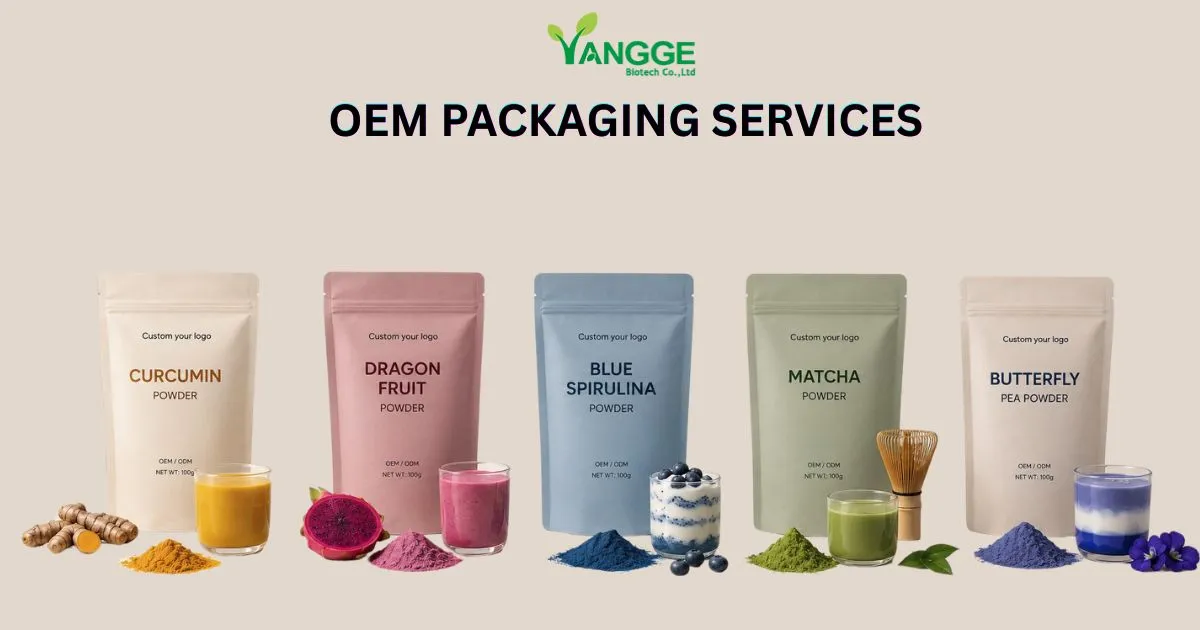
We offer a range of packing choices, from 1 kg aluminum foil bags to bulk amounts that are made to order based on your production needs. Our dedication to open communication, consistent quality, and dependable supply chain management will help your business succeed, whether you're creating new OEM formulations or adding to existing supplement lines.
Contact us or email with us at info@yanggebiotech.com to talk about your Ergothioneine powder needs, ask for samples for recipe trials, or find out how our knowledge of natural bioactive ingredients can help you stand out in the market for premium supplements.
References
1. Cheah IK, Halliwell B. Ergothioneine; antioxidant potential, physiological function and role in disease. Biochimica et Biophysica Acta - Molecular Basis of Disease, 2012, 1822(5): 784-793.
2. Borodina I, Kenny LC, McCarthy CM, et al. The biology of ergothioneine, an antioxidant nutraceutical. Nutrition Research Reviews, 2020, 33(2): 190-217.
3. Ames BN. Prolonging healthy aging: Longevity vitamins and proteins. Proceedings of the National Academy of Sciences, 2018, 115(43): 10836-10844.
4. Cheah IK, Tang RMY, Yew TSZ, et al. Administration of Pure Ergothioneine to Healthy Human Subjects: Uptake, Metabolism, and Effects on Biomarkers of Oxidative Damage and Inflammation. Antioxidants & Redox Signaling, 2017, 26(5): 193-206.
5. Hseu YC, Lo HW, Korivi M, et al. Dermato-protective properties of ergothioneine through induction of Nrf2/ARE-mediated antioxidant genes in UVA-irradiated Human keratinocytes. Free Radical Biology and Medicine, 2015, 86: 102-117.
6. Servillo L, D'Onofrio N, Longobardi L, et al. Ergothioneine products derived through the activities of OCTN-1 in dietary supplements and functional foods. Food Chemistry, 2018, 245: 1096-1101.

Based on your location and order quantity, you will have the opportunity to receive a limited time free shipping promotion!
Who we are
Popular Blogs