How Is Natural Astaxanthin Extracted and Produced?
Yangge Biotech supplies high-quality astaxanthin powder manufactured under strict quality-control standards. Sourced from natural Haematococcus pluvialis algae, our astaxanthin powder provides a rich red-orange color and strong antioxidant properties. It is available in different concentrations and microencapsulated forms to improve stability, dispersibility, and formulation performance.
Astaxanthin powder is suitable for dietary supplements, capsules, tablets, gummies, functional beverages, nutritional powders, cosmetics, and personal-care products. Yangge Biotech can provide a Certificate of Analysis, specification sheet, samples, and third-party test report for quality verification. OEM packaging and customized formulation support are also available according to customer requirements.
For prices, samples, specifications, and additional product information, please contact Yangge Biotech or Email: info@yanggebiotech.com.
Natural astaxanthin extraction primarily involves cultivating Haematococcus pluvialis microalgae under controlled stress conditions to maximize pigment concentration, followed by harvesting, cell wall disruption, and extraction using supercritical CO2 or solvent-based methods. The resulting oleoresin undergoes microencapsulation or spray-drying to produce stable powder forms suitable for dietary supplements and cosmetics.
This process ensures the preservation of the 3S,3'S stereoisomer configuration, which delivers superior antioxidant potency compared to synthetic variants. Understanding these production stages allows procurement professionals to assess supplier capabilities and verify product authenticity for high-value anti-aging applications.
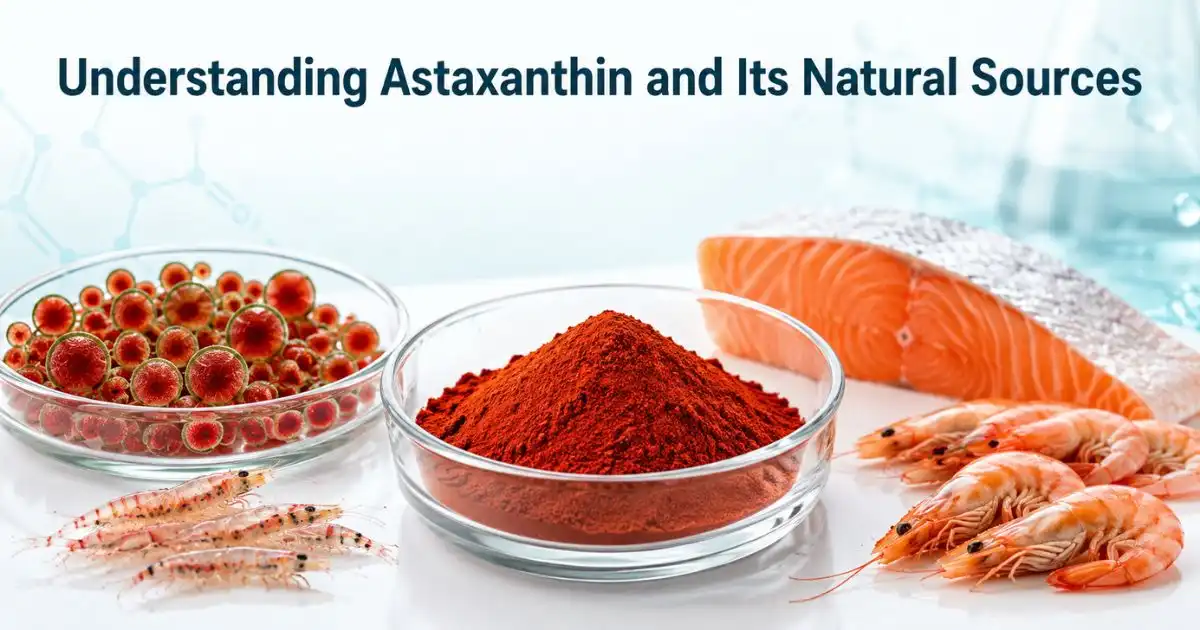
Understanding Astaxanthin and Its Natural Sources
One of nature's most potent antioxidants, natural Astaxanthin can neutralize free radicals at levels much higher than vitamins C and E. This keto-carotenoid is very important for keeping the skin flexible, lowering signs of inflammation, and shielding cell membranes from damage caused by free radicals. Because of these benefits, it is an essential ingredient in high-end anti-aging products.
Primary Source: Haematococcus pluvialis Microalgae
The best way to get Astaxanthin naturally is from Haematococcus pluvialis, which can build up pigment levels to up to 4-5% of the dry bulk weight when it is stressed by its surroundings. This microalgae lives in fresh water and makes Astaxanthin to protect itself from UV light and losing nutrients. Astaxanthin from algae is different from synthetic versions that come from petrochemical processes because it mostly has the 3S,3'S stereoisomer form, which has been linked in clinical studies to better bioavailability and biological activity. The growing process usually takes two to three weeks in closed photobioreactors or open raceway ponds. This lets the scientists precisely control the temperature, light, and nutrients to get the best color yield.
Alternative Natural Sources
Even though Haematococcus is the most common type used in commercial production, other sources help to make the supply more diverse. Krill and wild-caught salmon get Astaxanthin from the food they eat, but the amount that can be extracted is still much lower than what can be found in microalgae. Another fermentation-based choice is Phaffia yeast (Xanthophyllomyces dendrorhous), which uses controlled metabolic pathways to make Astaxanthin. These options are used in niche markets where buying decisions are based on special formulation needs or concerns about sustainability.
Why B2B Buyers Prefer Natural Over Synthetic
Natural Astaxanthin is highly valued by procurement managers for a number of strong reasons. Regulatory frameworks in North America, Europe, and Japan are favoring naturally derived ingredients more and more. This makes it easier for cosmetics and dietary supplements to follow the rules. Consumer perception studies show that people are more likely to buy products that are labeled as "natural," which has a direct effect on how well stores do. Aside from marketing benefits, the stereoisomer profile of natural Astaxanthin shows significantly higher absorption rates in human studies. This means that lower effective dosages and better cost-performance ratios in finished goods are possible.
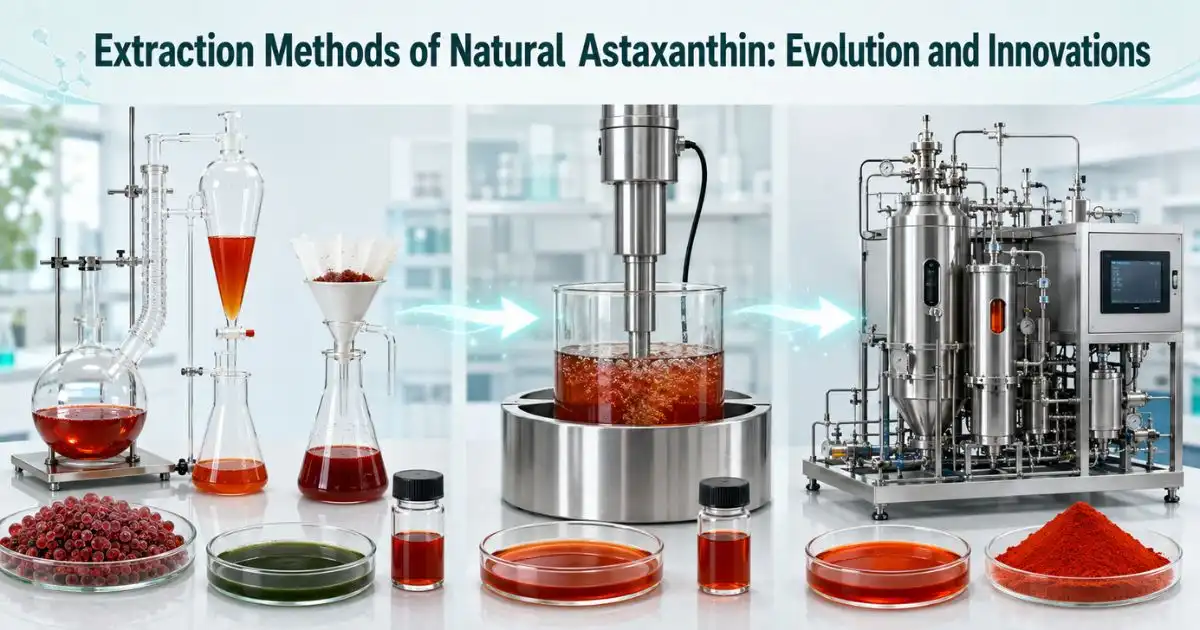
Extraction Methods of Natural Astaxanthin: Evolution and Innovations
From microalgae material to pure Astaxanthin powder, there are several technical steps that must be taken. Each one affects the quality, stability, and cost of production of the end product. Modern methods of extraction strike a balance between efficiency and sustainability, fixing the problems that older solvent-based methods had.
Traditional Solvent Extraction
In the beginning, organic solvents like acetone, ethanol, or hexane were used a lot in industrial production to break down dry algae biomass into Astaxanthin. To use this method, the algae must be ground up to break up the cell walls, mixed with a solvent at a controlled temperature, filtered to get rid of the solids, and the solvent must be evaporated to get back the crude oleoresin.
Solvent extraction is easy to do and can be scaled up, but it has some problems, like leaving behind solvent traces that need to be cleaned up a lot, the risk of thermal damage during evaporation, and environmental worries about volatile organic compound emissions. The purity level usually reaches 5–10% Astaxanthin in the oleoresin phase, which means that extra steps of refinement are needed for high-potency uses.
Supercritical CO2 Extraction Technology
The best way to make high-quality Astaxanthin is now to use supercritical fluid extraction with carbon dioxide. When pressures are higher than 73.8 bar and temperatures are close to 31°C, CO2 enters a supercritical state that is both liquid and gas. This lets it easily pass through algae cell walls and dissolve chemicals that are lipid-based. The process has many benefits, including getting rid of all organic solvent residues, protecting bioactive structures that are sensitive to heat, increasing the efficiency of extraction to produce oleoresins with 10–20% Astaxanthin concentration, and being safe for the environment because CO2 can be recycled over and over again.
Small changes in pressure, temperature, and extraction time have big effects on yield and stereoisomer ratios, so the parameters for extraction need to be carefully optimized. The cost of equipment is still higher than traditional ways, but suppliers who care about quality can explain the investment with cost saves and higher product prices.
Emerging Techniques: Enzymatic and Ultrasonic Assistance
Innovation keeps changing how efficiently extraction works. Cellulases and proteases are used in enzymatic pre-treatment to weaken the cell walls of Haematococcus. This makes the extraction yields 15–25% higher than with mechanical disruption alone. Ultrasonic-assisted extraction uses high-frequency sound waves to break up cells physically. This cuts the time it takes to extract pigment from hours to minutes while keeping the pigment's integrity. These technologies are often mixed with light solvents or supercritical CO2 to make hybrid methods that get the most out of recovery while having the least effect on the environment.
Complete Production Workflow
The whole production cycle is made up of several steps that work together. To start cultivation, Haematococcus seed cultures are added to photobioreactors or ponds. The best growing conditions must be kept for 7–10 days to build biomass. After that, stress is caused, which lowers the amount of nitrogen available and raises the strength of the light. This causes Astaxanthin to build up over 5 to 7 days, turning cells from green to deep red. When algae paste is harvested, it is concentrated to 15 to 20 percent solids using centrifugation or flocculation.
Using spray-drying or freeze-drying to remove moisture from biomass makes it solid enough to store and separate. The chosen method is used for extraction to separate the oleoresin. For ultra-high-purity grades, the oleoresin can then be improved by chromatography or crystallization. The final step in the manufacturing process is to turn oleoresin into goods that are ready for the market. This is done by combining it with carrier oils, encapsulating it in modified starches or cyclodextrins, and spray-drying it to produce powders that can flow freely and have an Astaxanthin content of 1% to 10%.
Quality Parameters and Standardization in Astaxanthin Production
Setting and checking quality standards is an important procurement skill that has a direct effect on how well products work, how well they comply with regulations, and how well the brand is known. A full quality score is made up of many analytical factors, Astaxanthin being a critical example where precise specification and verification directly influence antioxidant potency, stability, and overall product efficacy.
Critical Quality Metrics
Quality rating is based on measuring things like purity and strength. High-performance liquid chromatography (HPLC) measures the total amount of Astaxanthin present. Premium grades get 98%+ compound purity within the concentration ranges given. Stereoisomer analysis tells the difference between natural 3S,3'S forms and manmade racemic mixes. This is an important difference to make because the 3S,3'S configuration has up to 20 times more antioxidant activity in cell tests.
Bioavailability tests using artificial digestion models or pharmacokinetic studies shows how well the drug is absorbed, with esterified natural Astaxanthin being better absorbed in the gut than free forms. A product's shelf life can be predicted by its stability signs, such as its peroxide value, its ability to keep its color under rapid aging conditions, and its resistance to oxidation.
Essential Certifications and Documentation
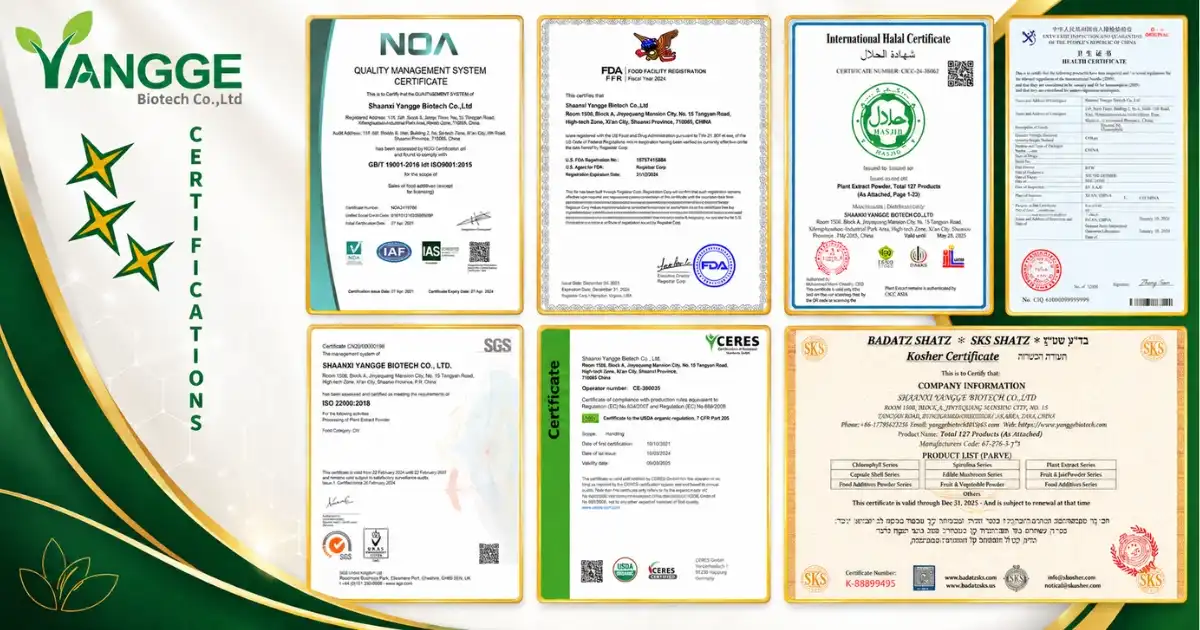
Reliable suppliers keep a full portfolio of certifications that prove the quality of their products. Organic approvals, like USDA Organic and EU Organic, show that crops were grown without using synthetic fertilizers or poisons. Non-GMO verification meets the growing demand in the market for ingredients that have not been genetically modified. Compliance with Good Manufacturing Practices (GMPs) shows that quality is managed in a planned way throughout the production process.
Kosher and Halal approvals make it easier for religiously strict consumers to get into new markets. The Certificate of Analysis (COA) that comes with each batch clearly lists the parameters that were tested. For example, our Yangge Astaxanthin powder COA says that it is 10% pure via HPLC, has a dark red powder appearance, and has a CAS number of 472-61-7 molecular identification. This makes it easy to decide what quality to buy.
| Quality Parameter | Testing Method | Premium Grade Standard | Importance for B2B Buyers |
|---|---|---|---|
| Astaxanthin Amount | HPLC | ≥98% pure at the quantity given (1–10%) | Ensures accurate dosing and good value for money |
| Profile of a Stereoisomer | Ital HPLC | at least 95% 3S,3'S configuration | Proof of natural nature and higher bioactivity |
| Value of Peroxide | Titration | less than 5 meq/kg | Shows security against oxidation and shelf life |
| A lot of metal | ICP-MS | Pb <1ppm, As <0.5ppm | Regulatory compliance and consumer safety |
| Count of Microbes | How Culture Works | Total plate <1,000 CFU/g | Prevents contamination in finished products |
Natural Versus Synthetic: A Procurement Perspective
The difference between natural and synthetic goes beyond marketing claims and can be seen in how well they work. As a racemic mixture having equal amounts of 3S,3'S and 3R,3'R stereoisomers, synthetic Astaxanthin is created through chemical synthesis. Human enzyme systems prefer to break down the natural 3S,3'S form, which means that plasma concentrations are two to three times higher after the same dose. There are also differences in safety ratings. Natural Astaxanthin is generally recognized as safe (GRAS) in the US and has a long history of approval around the world, while synthetic versions have less freedom to be used in food supplements.
Traceability is another important factor. Natural production from known microalgae types allows full supply chain recording, but petrochemical synthesis routes make it harder to prove origin. Buying teams that make high-end anti-aging soft capsules or anti-wrinkle skin care benefit a lot from these natural-source advantages, which is why they can charge 30–50% more than synthetic alternatives.
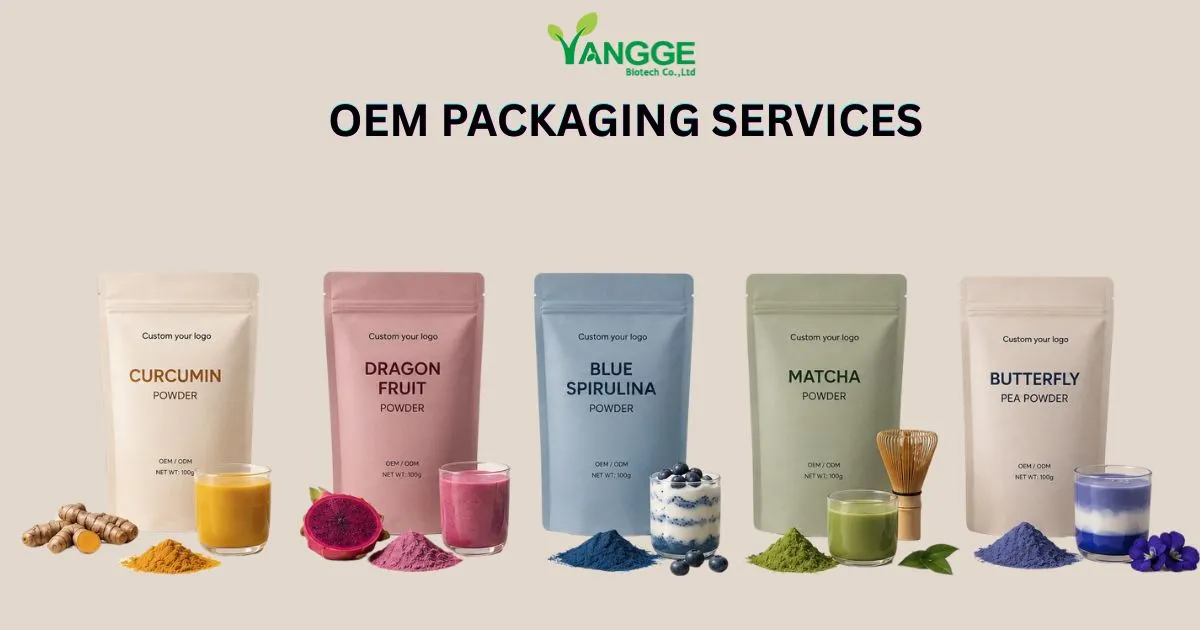
OEM Packing
Yangge Biotech provides comprehensive OEM and private label services for Astaxanthin Powder to meet the needs of supplement brands, food manufacturers, and distributors worldwide. We offer flexible packaging solutions, including bulk packaging for industrial use and customized retail packaging such as bottles, pouches, sachets, and capsules. Our experienced team supports custom label design, formulation assistance, and branding to help you launch products efficiently.
Every batch of Astaxanthin Powder is manufactured under strict quality control standards and can be supplied with a Certificate of Analysis (COA) and third-party test report upon request. Whether you require small trial orders or large-scale OEM production, Yangge Biotech delivers reliable quality, competitive pricing, and on-time global delivery.
Procurement Considerations: Sourcing High-Quality Natural Astaxanthin
Getting a steady supply of Astaxanthin means carefully evaluating suppliers on a number of factors. Quality security, supply chain resilience, and overall cost optimization are all things that procurement success manages.
Supplier Evaluation Criteria
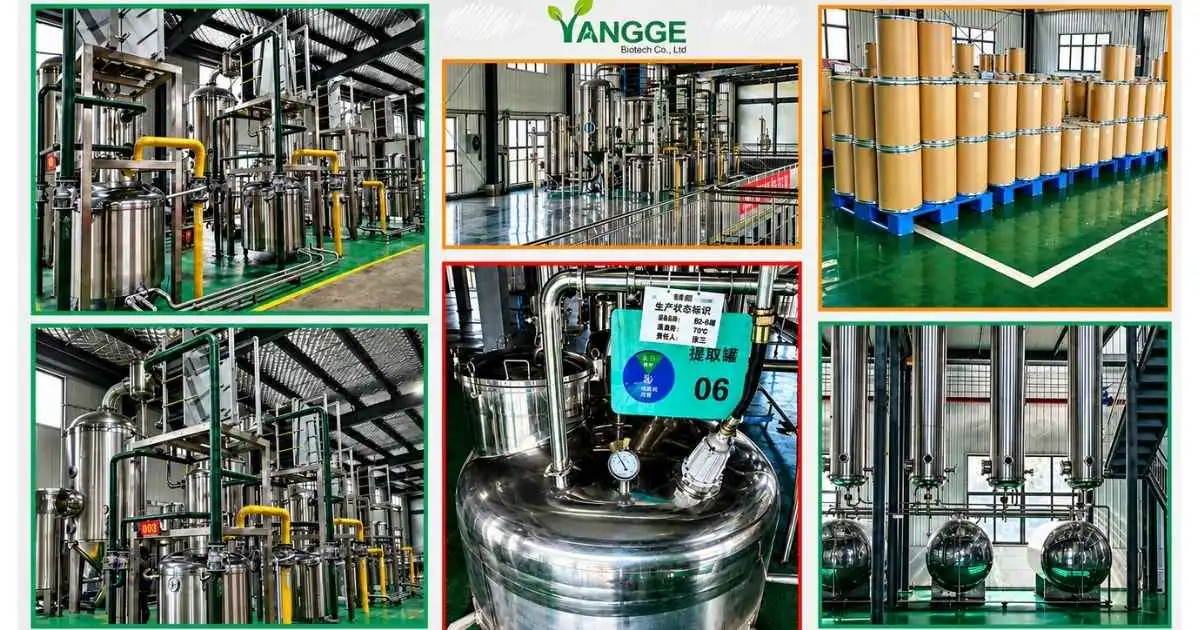
A manufacturing capacity evaluation looks at the size of the output, the technology infrastructure, and the controls for the process. Suppliers who use closed-system photobioreactors show better protection against contamination than those who grow plants in open ponds. Extraction equipment that is very complex, especially supercritical CO2 systems, shows that quality is more important than cutting costs.
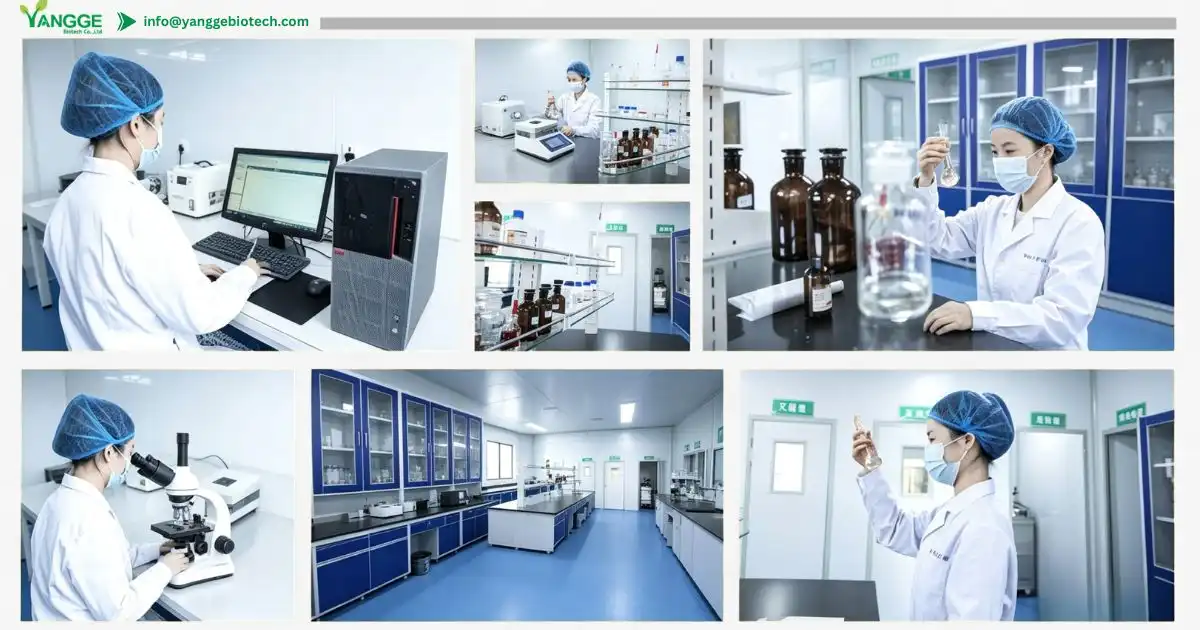
Third-party checks of quality control systems give people faith in the consistency of batches. Supply chain robustness includes stable sources of raw materials, good inventory management, and partnerships in logistics that protect the cold chain during transport. Our business, Yangge Biotech Co., Ltd., has ISO, HACCP, Kosher, and Halal certifications and follows GMP guidelines. We also keep a 1 ton stock of KOSHER/USP grade Astaxanthin powder on hand to meet urgent needs right away.
Geographic Sourcing Landscape
Sourcing strategies are affected by patterns of regional specialization. North American supplement suppliers are mostly based in Hawaii and the Pacific Northwest, where the weather is nice and there are lots of big supplement markets close by. European production hubs in Sweden and Spain put a lot of weight on organic certifications and marks for sustainability that are in line with what the region's regulators want. Asian manufacturers, especially in China and India, can offer competitive prices because they grow and extract biotechnology at the same time and the government supports biotechnology development.
Our Yangge factories show what's great about Asian manufacturing: we use cutting-edge extraction technology along with environmentally friendly farming methods, and we keep track of products from the farm to the table by working closely with farming communities. Canadian farmers focus on cold-water methods for growing crops that give unique quality profiles. To get the best deals, procurement managers spread their supplier portfolios across different areas. They do this by weighing the benefits of lower costs against the difficulties of shipping and the risk of global conflict.
Pricing and Packaging Options
Concentration, purity, level of certification, and order volume all play a role in Astaxanthin pricing. For GMP-certified material, bulk powder with a percentage of 1% to 2% usually costs $200 to $400 per kilogram. High-potency 5–10% powders sell for between $600 and $1,200 a kilogram, and organic and non-GMO certifications raise the price by 20–30%. At a percentage of 10–20%, oleoresins cost between $800 and $2,000 per kilogram. When you commit to buying more than 100 kilograms, you can get big savings. When you commit to buying more than 100 tons, prices drop by 15 to 25 percent. Different types of packaging are available to meet different needs.
For example, bulk powders are shipped in aluminum foil bags that are flushed with nitrogen to protect them from oxidation. These bags are good for operations that fill capsules. Beadlets that can dissolve in water can be used in drinks and useful foods. Soft pill fills that are already made make production easier for supplement makers. We allow OEM customization in powder, capsule, tablet, and gummy forms, and our minimum order quantities are flexible enough to allow both testing the market and full-scale production.
Practical Procurement Case Study
A medium-sized North American supplement company making high-quality anti-aging soft capsules is an example of a good buying approach. Due to pressure from competitors to launch within 6 months while maintaining high quality, the procurement team focused on suppliers who could show three things: high-potency powder (5%+ concentration) with proven 3S,3'S stereoisomer dominance; full HPLC testing certificates; and the ability to make OEM soft capsules. They looked at seven possible suppliers from three continents and chose one that offered 10% Astaxanthin powder with full COA documentation, KOSHER/USP grade certification, and integrated soft capsule manufacturing.
This meant that they didn't have to hire separate encapsulation contractors. By buying in bulk of 500 kilograms, the price per kilogram was lowered by 22% from the first bids. Because the supplier already had stock on hand, the lead time was cut from 10 weeks to 4 weeks, which allowed the product to be launched on time. Stability tests done after the start showed that 95%+ of the power was still there after 18 months, proving that the investment was a good one.
Future Trends and Innovations in Natural Astaxanthin Production
By predicting how an industry will change, procurement teams can take advantage of new possibilities while minimizing disruptions to the supply chain. Several paths deserve strategic attention.
Green Extraction Advancements
Continuous process improvement is driven by the need to be sustainable. Next-generation extraction methods use less energy and don't create any chemical waste. Pulsed electric field (PEF) processing uses short, high-voltage bursts to break down the cell membranes of algae without using heat or solvents. This keeps thermolabile molecules intact while cutting processing time by 60–70%, which is especially beneficial for extracting Astaxanthin, as its heat-sensitive structure demands gentle conditions to preserve maximum bioactivity and yield.
Microwave-assisted extraction also increases effectiveness by heating specific areas of moisture inside cells, which causes them to burst quickly from internal pressure. Ionic liquids, which are designer solvents made up of only ions, can be tuned to selectively extract Astaxanthin while being completely recyclable and releasing almost no pollution. It's possible that these new methods will go from being tested in labs to being used in businesses within three to five years. This could change how suppliers compete and set their prices.
Market Demand Evolution
Application diversification goes beyond just dietary supplements. Astaxanthin is being used more and more in sports nutrition to help muscles recover from exercise and improve endurance. This is backed up by clinical evidence that it reduces muscle fatigue and improves mitochondrial function. Dermatology uses its UV-blocking and collagen-building qualities, which is why it is used in both topical skin care products and beauty pills that you eat.
Ophthalmology is another area that is growing, with products that help with macular health and digital eye pain becoming more popular among older people. Pet nutrition is a surprising but quickly growing market niche. This is especially true for high-end dog and cat foods that focus on joint health and coat quality. These growing uses spread out different types of demand, which lowers the risk of buying things that comes with a single-market focus.
| Application Segment | Primary Benefit Claims | Typical Dosage Range | Growth Rate (2023-2028 Projected) |
|---|---|---|---|
| Anti-Aging Supplements | Skin flexibility and fewer wrinkles | 4 to 12 mg per day | CAGR of 8.5% |
| Sports Nutrition | Recovery of muscles and endurance | 8–20 mg a day | CAGR of 12.3% |
| Functional Cosmetics | UV defense and collagen production | 0.5 to 2% concentration on the skin | CAGR of 10.1% |
| Eye Health Formulas | Digital pressure release and macular support | 6 to 12 mg per day | CAGR of 7.8% |
| Pet Supplements | Joint health, quality of the coat | 1–5 mg/day (depending on size) | CAGR of 15.7% |
Strategic Supplier Partnership Development
For long-term success, relationships must go beyond just buying things. Leading procurement groups work together with their most important providers to share market information, come up with special formulas, and make sure they all have the same goals for innovation. Joint investment in stability studies lowers the risk of developing a new product, and advance purchase agreements let sellers see what customers want, which lets them make the best use of their production resources. When sellers know about changes in regulations and market trends, they can make changes to certifications and quality standards before they happen.
We encourage procurement managers to work with suppliers as strategic partners. Our dedicated research and development team works with clients to improve formulations, our online service is available 24 hours a day, 7 days a week, and our dedication to sustainability is in line with that of forward-thinking brands that put environmental responsibility first. By forming these relationships, businesses gain benefits that are hard for competitors to copy. This makes the supply chain more stable when the market is unstable.
Conclusion
Astaxanthin is a powerful ingredient that drives innovation in the health, nutrition, and cosmetics industries. It is extracted and produced naturally through a sophisticated fusion of biology, chemistry, and engineering. Procurement experts can make better choices about where to buy things by knowing about cultivation methods, extraction technologies, quality standards, and suppliers' abilities.
This gives them a competitive edge. Strategic supply relationships that focus on quality, innovation, and openness will set successful brands apart from commodity rivals as market demand continues to grow into new uses and sustainability requirements get stricter. To be a great buyer of this high-value ingredient, you need to be able to balance technical requirements, legal compliance, and total cost while still being able to change with the times as production methods and market dynamics change.
FAQ
What concentration specifications are optimal for different product types?
Astaxanthin powder, which ranges from 1% to 5%, is often used in dietary supplements to make pills and tablets. This allows for accurate doses and cost-effective formulation. To make capsules that are smaller and more appealing to consumers, high-potency soft capsules often contain 5–10% powder or pure oleoresin. Functional drinks need water-dispersible beads with a concentration of 1% to 2.5% that mix evenly and don't settle to the bottom. Cosmetic formulas use a percentage of 0.1 to 0.5 percent in the final product, drawing from 5 to 10 percent powder to keep the amount of carrier material as low as possible. Performance and cost are both improved by matching concentration to application.
How can buyers distinguish natural from synthetic astaxanthin?
Real natural Astaxanthin mostly has the 3S,3'S stereoisomer configuration (usually more than 95%). This can be checked with chiral HPLC analysis, which suppliers should include in their COA paperwork. Racemic mixtures with about equal amounts of 3S,3'S and 3R,3'R can be found in synthetic products. Also, natural Astaxanthin has small amounts of related carotenoids like beta-carotene, lutein, and canthaxanthin, which shows that it comes from living things, while manufactured versions are made from just one substance.
Getting molecular recognition through CAS number 472-61-7, stereoisomer analysis, and cultivation source paperwork proves that the product is real. Natural Astaxanthin sellers with a good reputation keep organic or natural product standards that require proof of origin.
Where can procurement teams locate certified bulk suppliers?
Multiple-channel study is needed to find trusted suppliers. Industry trade shows like SupplySide West (Las Vegas) and in-cosmetics Global (different places) make it easier to work directly with manufacturers and check the quality of their products. B2B sites like Alibaba give buyers access to a lot of suppliers, but strict checking is needed. LinkedIn's professional networks let people suggest each other and check references. When academic databases like Google Scholar and PubMed publish Astaxanthin research, they often list commercial sources in the list of sources they used.
Yangge Biotech Co., Ltd. is a good example of a qualified provider. We have ISO, HACCP, Kosher, and Halal certifications, follow GMP guidelines, keep a lot of stock on hand, and offer full OEM/ODM customization for powder, capsule, tablet, and gummy forms. If you email us at info@yanggebiotech.com, you can get straight access to technical specs, pricing for amounts ranging from samples to tons, and joint development support for unique formulation needs.
Partner with Yangge for Premium Astaxanthin Supply
Yangge Biotech Co., Ltd. offers high-quality natural Astaxanthin powder that was specially made for companies that expect the best quality in anti-aging vitamins and useful cosmetics. Our 10% Astaxanthin powder is KOSHER/USP grade and comes from Haematococcus pluvialis through advanced HPLC-verified extraction. It keeps the important 3S,3'S stereoisomer configuration that ensures maximum bioavailability. With a 1-ton ready inventory, we can start products quickly without having to worry about wait times.
Our full range of certifications, including ISO, HACCP, Kosher, and Halal, and GMP-compliant production give regulators around the world peace of mind. In addition to high-quality raw materials, we offer full OEM/ODM customization for superfood mix powders, capsules, tablets, and gummies. Our research and development teams are here to help, and we have customer service available 24 hours a day, 7 days a week. Our model for sustainable sourcing keeps full traceability from farm to table while also helping farming communities.
As your Astaxanthin provider, we promise stable quality, reasonable pricing based on big volume benefits, and a relationship that adapts to your changing formulation needs. Contact us or get in touch with us at info@yanggebiotech.com to talk about your buying needs, get full COA paperwork, and get personalized quotes that will put your brand at the top of natural antioxidant innovation.
References
1. Ambati, R. R., Phang, S. M., Ravi, S., & Aswathanarayana, R. G. (2014). Astaxanthin: Sources, Extraction, Stability, Biological Activities and Its Commercial Applications—A Review. Marine Drugs, 12(1), 128-152.
2. Fassett, R. G., & Coombes, J. S. (2011). Astaxanthin: A Potential Therapeutic Agent in Cardiovascular Disease. Marine Drugs, 9(3), 447-465.
3. Guerin, M., Huntley, M. E., & Olaizola, M. (2003). Haematococcus astaxanthin: Applications for Human Health and Nutrition. Trends in Biotechnology, 21(5), 210-216.
4. Higuera-Ciapara, I., Felix-Valenzuela, L., & Goycoolea, F. M. (2006). Astaxanthin: A Review of Its Chemistry and Applications. Critical Reviews in Food Science and Nutrition, 46(2), 185-196.
5. Shah, M. R., Liang, Y., Cheng, J. J., & Daroch, M. (2016). Astaxanthin-Producing Green Microalga Haematococcus pluvialis: From Single Cell to High Value Commercial Products. Frontiers in Plant Science, 7, 531.
6. Yuan, J. P., Peng, J., Yin, K., & Wang, J. H. (2011). Potential Health-Promoting Effects of Astaxanthin: A High-Value Carotenoid Mostly from Microalgae. Molecular Nutrition & Food Research, 55(1), 150-165.

Based on your location and order quantity, you will have the opportunity to receive a limited time free shipping promotion!
Who we are
Popular Blogs