What is butterfly pea powder good for
Yangge Biotech supplies high-quality Butterfly Pea Powder, made from carefully selected butterfly pea flowers (Clitoria ternatea) using advanced drying and milling technology to preserve their vibrant natural blue color and valuable phytonutrients. Rich in natural anthocyanins, antioxidants, and plant compounds, our butterfly pea powder is widely used as a natural food colorant and functional ingredient in beverages, tea blends, smoothies, desserts, confectionery, bakery products, and dietary supplements.
Our Butterfly Pea Powder offers excellent color stability, fine particle size, and consistent quality, making it an ideal choice for food, beverage, nutraceutical, and cosmetic manufacturers worldwide. Produced under strict quality control standards, Yangge Biotech provides reliable bulk supply, customized specifications, OEM packaging, and comprehensive technical support to meet your business requirements.
Contact us at our email info@yanggebiotech.com to request a quotation, Certificate of Analysis (COA), product specifications, third-party test reports, or a free sample.
Butterfly pea powder delivers exceptional value across multiple industries, from natural food coloring to functional cosmetics and wellness supplements. Derived from Clitoria ternatea flowers, this vibrant ingredient offers manufacturers stable anthocyanin content, pH-responsive color shifts, and powerful antioxidant properties. Industries increasingly seek natural alternatives to synthetic dyes, and this powder addresses critical formulation challenges while meeting regulatory demands for clean-label ingredients.
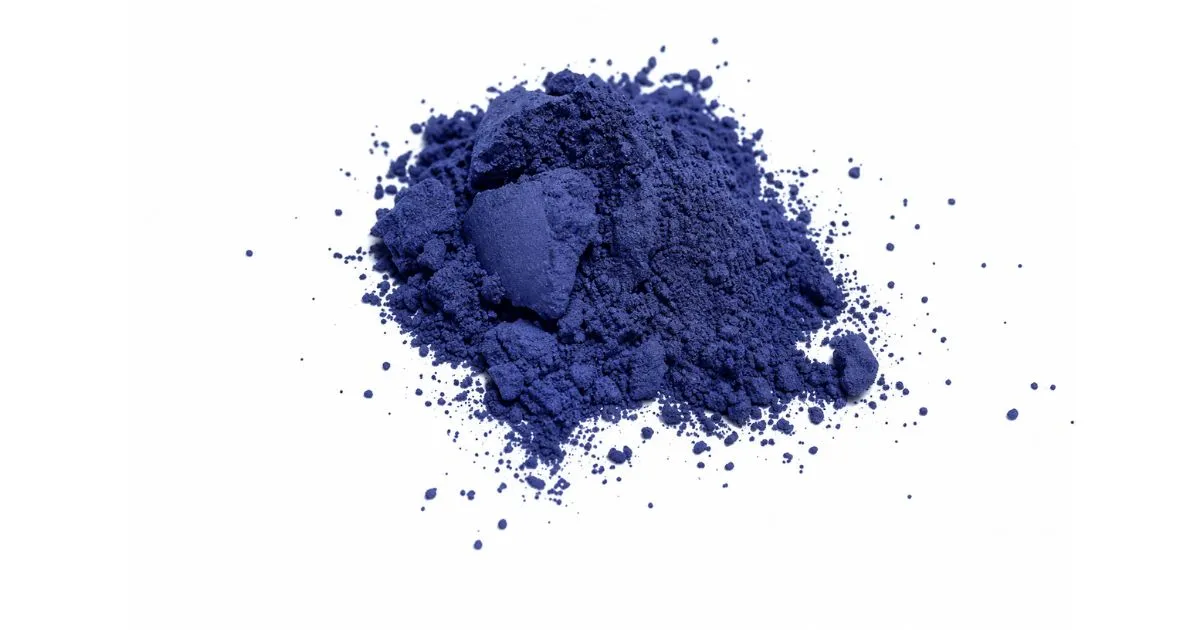
Understanding Butterfly Pea Powder: Composition and Uses
What Makes This Ingredient Unique?
Butterfly pea powder is a useful ingredient in manufacturing that is made from freeze-dried or sprayed-dried Clitoria ternatea flowers. These methods keep bioactive compounds safe while also making sure they dissolve well. The powder contains more acylated anthocyanins, specifically ternatins, which are better at withstanding heat than phycocyanin from spirulina. Unlike synthetic colourants that are limited by rules, this natural pigment stays stable when heated and exposed to UV light, which makes it perfect for a wide range of industrial uses.
Technical Specifications That Matter
Procurement managers carefully look at certain quality indicators that high-grade butterfly pea powder shows. The powder usually has particles that are 80 to 100 mesh, which means that they dissolve completely in water and don't settle out. Chemical analysis shows that there are a lot of delphinidin-based anthocyanins, which give the sample a lot of antioxidant power, as shown by the ORAC values. The amount of moisture and ash stays below 5%, and the amount of heavy metals stays below 10ppm, which is the strictest level allowed by international food safety guidelines.
Industrial Applications Across Sectors
This ingredient is used by food and drink companies to make color-changing teas, lemonades, cocktails, sports drinks, and plant-based milk replacements. In bakery products like frostings, cakes, and pies, the powder keeps its colour even when baked at temperatures above 100°C. It is used in face masks, anti-aging creams, and serums by the cosmetics industry because it can make skin look younger. Nutraceutical companies make supplements that help with general health, brain function, and reducing inflammation in response to rising customer demand for natural ingredients that work.
Butterfly Pea Powder vs Alternatives: Making an Informed Choice
Comparing Forms and Concentrations
When buying something, people often compare butterfly pea powder to tea forms or fresh flowers. Powder gives you concentrated anthocyanins in normal extraction ratios of 4:1, 6:1, and 10:1. This lets you precisely control the mixture. Tea types have different amounts of colour and need bigger amounts, which makes the production process more difficult. Fresh flowers are hard to ship because they don't last long and the quality can vary. Powder is the best choice for manufacturers who need consistent batches and reliable supply chains because it stays stable for a long time and is easy to add to production lines.
| Form | Anthocyanin Concentration | Shelf Life | Ease of Formulation | Best Application |
|---|---|---|---|---|
| Butterfly Pea Powder | High (normal ratios) | 24 months or more | Very good | Manufacturing on a large scale |
| Butterfly Pea Tea | Very low to moderate | 12 to 18 months | Moderate | Drinks made in small batches |
| Fresh Flowers | Different | Number of days to weeks | Bad | Only for immediate use |
Evaluating Against Superfood Alternatives
There are clear benefits to this ingredient when compared to algae and matcha. The phycocyanin in spirulina breaks down quickly in hot and acidic environments, which limits its use in food. Matcha is good for you, but pH-responsive colour changes make it less interesting to look at. Butterfly pea powder changes from royal blue in normal pH to purple in acidic pH and green in alkaline pH. This makes the powder stand out from other products, which is very important for marketing teams who want to get people to buy their products.
Organic Versus Conventional Sourcing
The choice between organic and non-organic types depends on the needs of the market and the goals of the certification process. Organic approval comes with a higher price tag, but it gives you access to health-conscious customers and stores that want clean labels. Conventional options are cheaper for formulations that need to stick to a budget while still meeting quality standards. Regulatory compliance systems, such as FDA rules, EU rules, and organic certifications, have different effects on buying tactics in different product groups and markets.
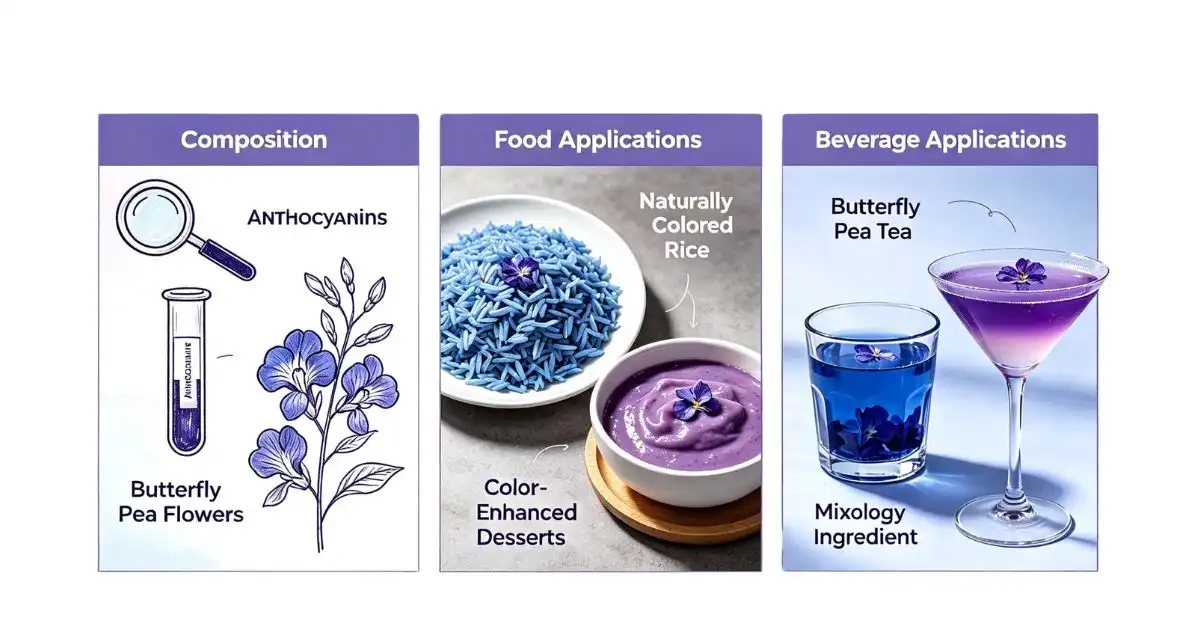
How Butterfly Pea Powder Enhances Product Innovation: Applications and Recipes
Product developers who are looking for creative uses for butterfly pea powder find it to be very flexible across categories. Its light flower flavour doesn't overpower recipes, and the bright blue-to-purple colour range grabs people's attention right away. Because it is technically flexible, it can be used in both hot and cold processing, which greatly increases the number of formulation options.
Beverage Innovation Opportunities
This ingredient works really well in color-changing drinks, which are a popular trend right now. When you add orange juice to blue tea, it turns a bright purple colour that makes for a shared social media moment that gets people involved. Companies that make sports drinks like the natural colourant because it stays stable during pasteurisation and long-term keeping. Plant-based milk replacements look better without adding any artificial ingredients, which meets the needs of health-conscious customers who want clean labels. The pH-sensitive colour change is used in cocktail and mocktail recipes to create high-end drinks in dining settings.
Cosmetic Formulation Advantages
Skincare formulators increasingly incorporate butterfly pea powder into anti-aging products targeting collagen and elastin. Anthocyanins are powerful antioxidants that protect against environmental stressors and slow down the ageing process. This ingredient in face masks gives you two benefits: it looks good right away, and it also helps your skin in other ways. Anthocyanins improve blood flow to the head, which strengthens hair shafts and helps them grow in a healthy way. Using bath products in blue water makes the experience more luxurious and gives your skin antioxidant benefits while you relax.
Functional Food Development
Health supplement companies make goods that help with brain function by using old use patterns that are backed up by new research. Anti-inflammatory traits are in line with health trends that focus on gut health and lowering inflammation throughout the body. Weight loss supplements use this ingredient along with botanicals that work well together, taking advantage of the antioxidant synergies. Functional food makers put the powder into protein bars, wellness shots, and fortified snacks to meet customer demand for quick and easy foods that are higher in nutrients.
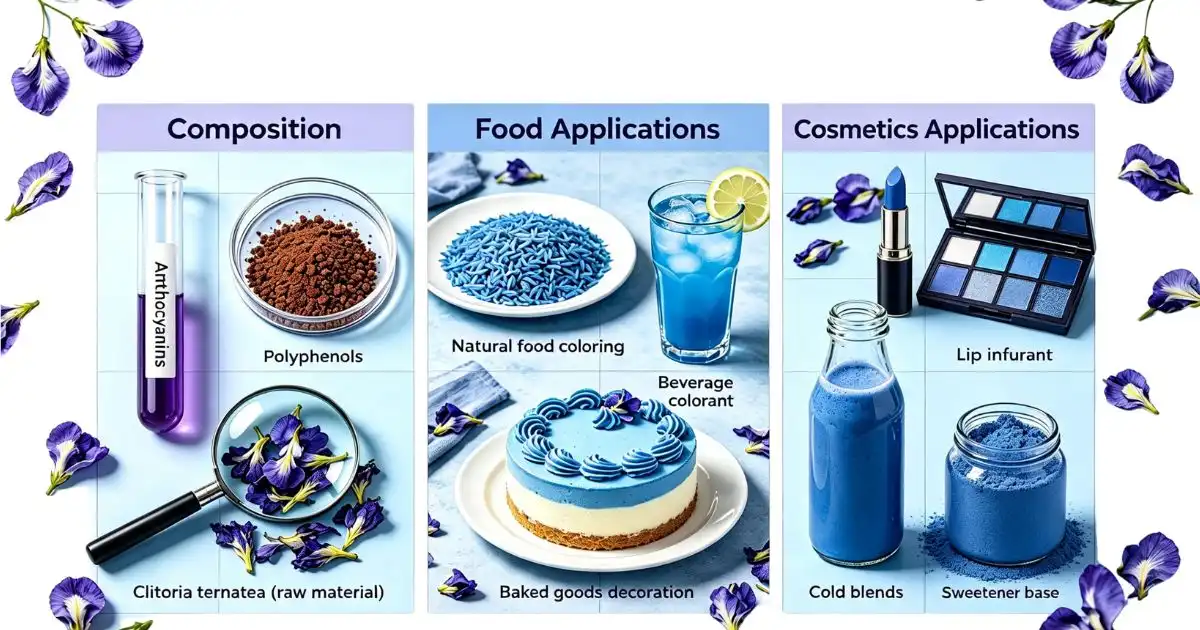
Procurement Guide: Buying Butterfly Pea Powder for B2B Clients
Quality Standards and Certifications
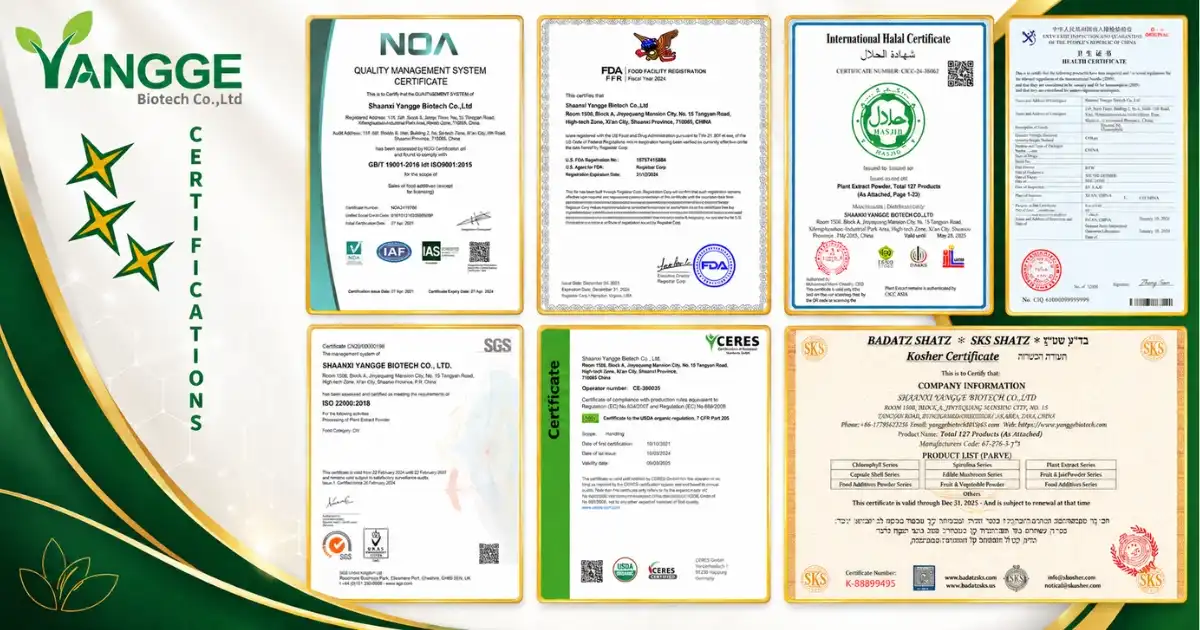
Setting quality standards that can't be changed is the first step to successful procurement for butterfly pea powder. ISO approval shows that quality management is done in a planned way, and HACCP compliance makes sure that food safety risks are controlled at all stages of production. GMP approval proves that manufacturing processes meet standards for pharmaceuticals. Kosher and Halal certifications make it easier for products that are aimed at certain groups of people to reach new customers. Each batch should come with a Certificate of Analysis (COA) that lists the amount of anthocyanin, microbe numbers, heavy metals, and pesticide residues that have been tested using HPLC.
Supplier Evaluation Criteria
When evaluating possible suppliers, you need to look at their production ability, quality control methods, and technical help. Site visits show how the products are made and confirm the certifications that are said to be valid. Before committing to bulk orders, specifications are checked by sending samples to independent labs for testing. Minimum order amounts are usually between 25 kg and 1000 kg, and prices are set so that bigger pledges are rewarded. Lead times depend on where the goods are sourced. For example, suppliers in Southeast Asia may need 4 to 6 weeks, while suppliers in the US offer faster turnaround times that support just-in-time inventory strategies.
| Specification | Yangge Standard | Industry Benchmark | Quality Indicator |
|---|---|---|---|
| Anthocyanin Content | 10:1 taking out | (4:1–10:1) | Higher means more powerful |
| Mesh Size | 80 to 100 mesh | 60–120 mesh | Makes sure it dissolves |
| Moisture Content | <5% | <8% | Lesser means more stable |
| Heavy Metals | <10ppm | <20ppm | Important for safety |
| Appearance | Blue-purple powder | The same colour | Shows that processing is correct |
Building Long-Term Supply Partnerships
To build trusting relationships with suppliers, you need to look at their technical abilities beyond price. During the creation of a product, suppliers who offer help with preparation, extraction methods, and usage suggestions are very helpful. Documentation that links raw materials to specific farms meets the standards for organic certification and answers concerns about sustainability. Logistics skills that make sure shipping is done at the right temperature and on time protect the quality of ingredients and keep production schedules on track. With private label and OEM options, brand owners can make customised goods without having to spend money on manufacturing facilities.
Addressing Safety, Quality, and Sustainability Concerns
Safety Profile and Usage Guidelines
When used within advised limits, butterfly pea powder exhibits a good safety profile. Usage rates are usually between 0.1% and 2%, but they rely on the type of product and the colour strength that is wanted. For useful benefits, cosmetic formulas may use higher percentages, while beverage uses may need lower concentrations. In the US, this nutrient is generally thought to be safe (GRAS) when used correctly in food. Manufacturers should test their products' stability because pH, temperature, and light exposure can change how long colours last on the shelf.
Quality Assurance Testing Protocols
Full quality control goes beyond the basic COA parameters. Pesticides, herbicides, and fungicides that could hurt organic claims or safety standards are found through residue analysis. Microbiological testing confirms that pathogens, such as E. coli, Salmonella, and mould counts are below what is considered safe. Using marker compound analysis to check for authenticity stops cheap colourants from being used to fake the product. Batch consistency tracking keeps track of the amount of anthocyanin in different production runs. This makes sure that makers can predict how the formulation will work for all of their products that need to meet strict standards.
Sustainable Sourcing Practices
Environmental and social duty are playing a bigger role in global supply lines when it comes to buying things. Fair pay and economic growth in rural areas are supported by ethical buying partnerships with farming communities. By using less water and pesticides, sustainable farming methods have less of an effect on the earth. Farm-to-table tracking systems keep track of a product's trip from growing to processing to marketing. This meets the demand for openness from socially responsible customers and companies. Using renewable energy in processing plants lowers their carbon footprint, which is in line with the sustainability goals of companies that are being looked at more closely by retail partners and institutional buyers.
Conclusion
For producers in the food, beverage, skincare, and nutraceutical industries, butterfly pea powder offers significant benefits. Its stable anthocyanin content, pH-responsive colour properties, and health benefits all make it useful for a variety of formulation challenges and meet clean-label requirements. To do good procurement, you need to look at more than just prices when comparing suppliers. You should look at their quality certifications, technical support, and environmentally friendly practices. The ingredient's flexibility helps new products like color-changing drinks and anti-aging makeup, making it a valuable raw material for standing out in crowded markets. Paying close attention to details, following the rules, and building long-term relationships with suppliers guarantees consistent quality that supports the brand's reputation and builds trust among customers.
FAQ
What industries benefit most from butterfly pea powder?
This ingredient is used to add natural colour to teas, sports drinks, baked goods, and dairy alternatives by food and drink companies. Companies that make cosmetics use it in anti-aging skin care, hair care, and high-end bath items. Nutraceutical and dietary supplement companies make health products that help with brain function, reducing inflammation, and protecting cells from damage. Because the butterfly pea powder can be used in many different ways, it is useful for OEM/ODM brands that want to make their products stand out by using natural, functional ingredients that appeal to health-conscious customers.
How does extraction ratio affect product performance?
The extraction ratios (4:1, 6:1, and 10:1) show the concentration levels. The higher the number, the more anthocyanin is present per unit weight. Lower ratios are best for uses that need a soft colour and some functional benefits, while higher amounts give better antioxidant activity and more intense colour. Ratios are chosen by formulators based on the desired visual effect, useful claims, and cost. Higher extraction ratios lower the amount of product that needs to be used to get the desired results. This could make the higher price worth it by improving recipe efficiency and product performance.
What shelf life can manufacturers expect?
Butterfly pea powder stays good for 24 months or more if it is stored properly and kept cool and dry, away from direct light and moisture. Oxidation and humidity uptake weaken the stability of anthocyanin. Airtight packing stops these things from happening. Manufacturers should rotate their product based on "first-in, first-out" and do quality checks on a regular basis to make sure that colour strength and stability stay within the standards. Temperature-controlled storage facilities make shelf life even longer, protecting the investment in ingredients and making sure that formulations work the same way throughout product development cycles and commercial production runs.
Why Choose Yangge for Your Butterfly Pea Powder Supply Needs?
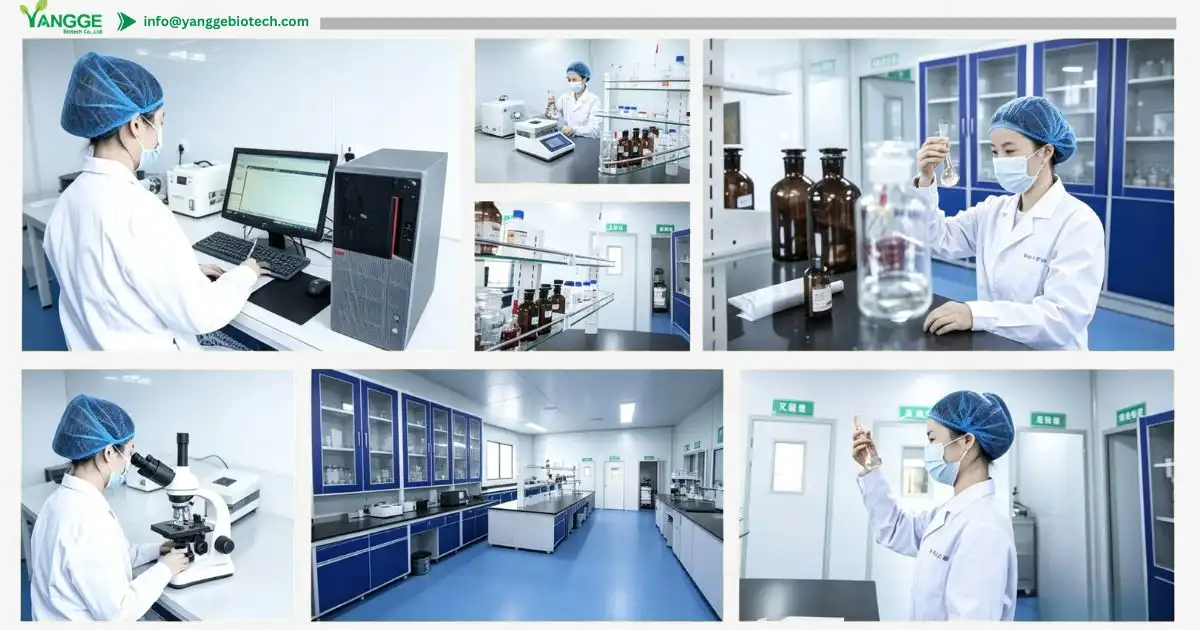
Yangge Biotech Co., Ltd. is a reliable company that makes butterfly pea powder and is committed to providing high-quality natural plant extracts that meet the highest standards in the business. Our factory has ISO, HACCP, Kosher, and Halal standards and follows strict GMP guidelines to make sure that the quality of every batch of products is the same. We have 1 tonne of butterfly pea powder in stock right now. It comes from carefully chosen Clitoria ternatea flowers and was processed using advanced HPLC methods to meet standard 4:1, 6:1, and 10:1 specifications. The anthocyanin content is confirmed and can be found in our COA paperwork. Because we know how important it is to try formulations, we offer free 10–30g samples so that R&D teams can check for solubility, colour stability, and compatibility before buying in bulk. For sample requests, product specifications, or bulk order inquiries, please contact Yangge Biotech Co., Ltd. at info@yanggebiotech.com. Our team is ready to provide professional support and customized solutions for your plant extract needs.
References
1. Neda, G.D., Rabeta, M.S., & Ong, M.T. (2013). Chemical composition and anti-proliferative properties of flowers of Clitoria ternatea. International Food Research Journal, 20(3), 1229-1234.
2. Chusak, C., Thilavech, T., & Adisakwattana, S. (2018). Acute effect of Clitoria ternatea flower beverage on glycemic response and antioxidant capacity in healthy subjects. BMC Complementary Medicine and Therapies, 18(1), 6-14.
3. Lakshan, S.A.T., Jayanath, N.Y., Abeysekera, W.P.K.M., & Abeysekera, W.K.S.M. (2019). A commercial potential of butterfly pea (Clitoria ternatea L.) in health and food applications. Journal of Food Science and Technology, 56(5), 2545-2556.
4. Jeyaraj, E.J., Lim, Y.Y., & Choo, W.S. (2021). Extraction methods of butterfly pea (Clitoria ternatea) flower and biological activities of its phytochemicals. Journal of Food Science and Technology, 58(6), 2054-2067.
5. Marpaung, A.M., Andarwulan, N., Hariyadi, P., & Faridah, D.N. (2020). The color quality, stability, and antioxidant activity of butterfly pea (Clitoria ternatea L.) anthocyanins. IOP Conference Series: Earth and Environmental Science, 443, 012088.
6. Oguis, G.K., Gilding, E.K., Jackson, M.A., & Craik, D.J. (2019). Butterfly pea (Clitoria ternatea), a cyclotide-bearing plant with applications in agriculture and medicine. Frontiers in Plant Science, 10, 645.

Based on your location and order quantity, you will have the opportunity to receive a limited time free shipping promotion!
Who we are
Popular Blogs