What are the stability limits of phycocyanin in food
Phycocyanin is a natural blue pigment-protein complex extracted from spirulina algae. Its stability in food systems depends heavily on pH, temperature, and light exposure. At neutral pH (6.0–7.0), the pigment retains its characteristic blue color and antioxidant activity most effectively. Temperatures above 45°C begin to degrade the chromophore structure, while prolonged UV exposure causes rapid photobleaching. For food and supplement manufacturers sourcing this ingredient in bulk, understanding these boundaries is not optional it directly determines product quality, shelf life, and consumer trust.Contact us today, email us at info@yanggebiotech.com or visit blog.yanggebiotech.com to get a product specification sheet or sample.
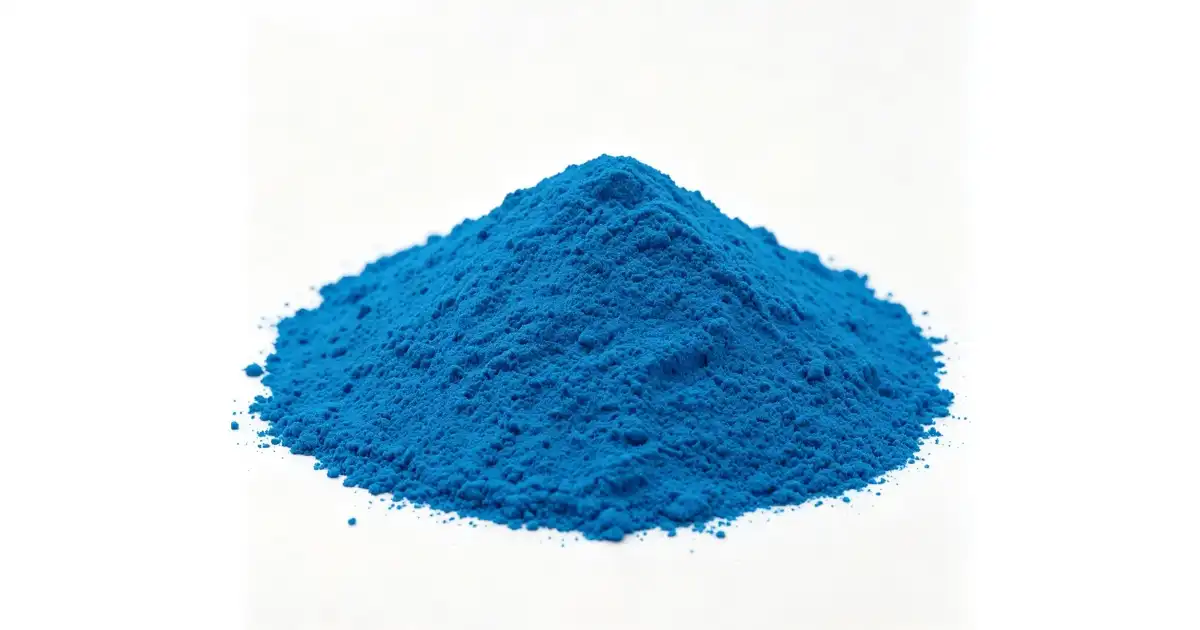
Understanding Phycocyanin and Its Role in Food Applications
What Is Phycocyanin?
You can mostly find C-phycocyanin in Spirulina platensis. It is a biliprotein that breaks down in water. You can use it as both a natural colorant and a bioactive stuff. Because it is linked to a chromophore called phycocyanobilin, the protein is a bright blue color. Because it can be used for both color and function, it is one of the most sought-after natural dyes in the supplement and food industries right now.
How It Is Used in Food and Beverages
Food manufacturers use phycocyanin from spirulina to make useful drinks, gummies, ice creams, vitamin pills, and superfood powders. Instead of man-made colors like Brilliant Blue (FD&C Blue No. 1), this material can be used. Its anti-inflammatory and antioxidant properties make it useful in more ways than one. This is why high-end product lines from brands across North America and Europe are actively looking for it.
Available Grades and Specifications
It is a fine blue powder that Yangge sells. It is made from blue spirulina and is cleaned up to HPLC standards. The line-up has different color value types, such as E3, E6, E18, E25, E30, and E40. Formulators can then make sure that the cleaners meet the needs of different uses. Our goods are all non-GMO, not germ-free, allergen-free, and can be packed by other businesses.
| Grade | Color Value (E1%618nm) | Typical Application |
|---|---|---|
| E6 | ≥ 0.6 | Food coloring, beverages |
| E18 | ≥ 1.8 | Functional supplements |
| E25 | ≥ 2.5 | Nutraceutical capsules |
| E40 | ≥ 4.0 | Pharmaceutical-grade use |
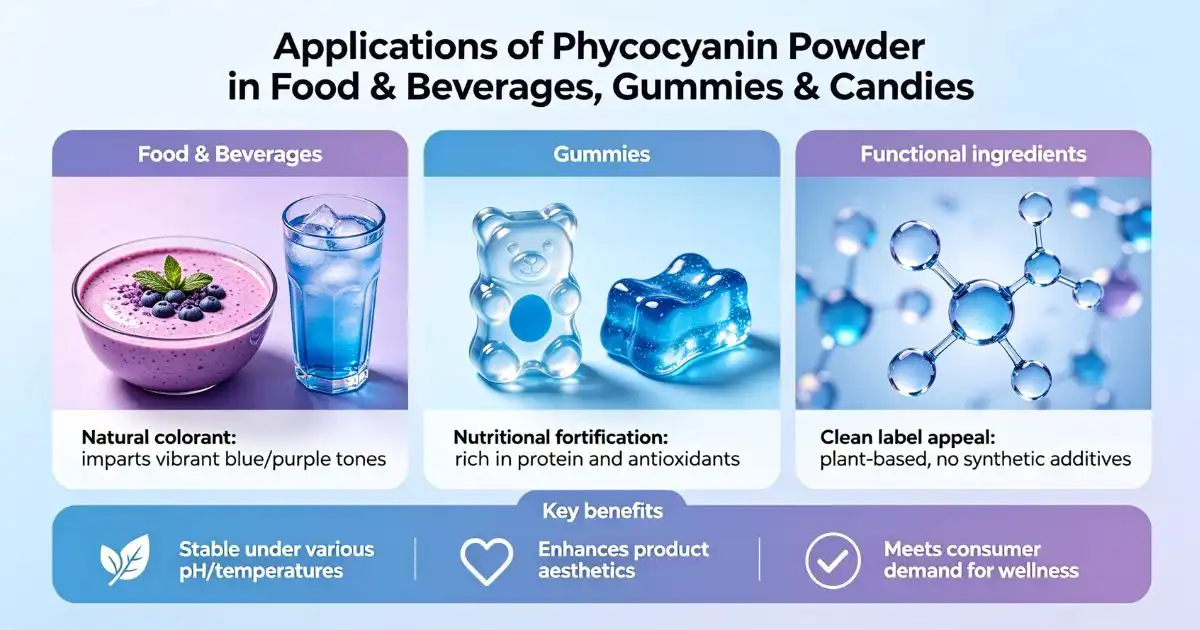
Major Factors Affecting the Stability of Phycocyanin in Food
pH and Its Effect on Color Retention
The pH range where phycocyanin is most steady is between 5.5 and 7.0, according to scientists. Things start to change in the protein part when the pH is below 4.0 or above 8.0. This makes the chromophore split. The pH level often drops below 3.5 in drinks that have a lot of acid, like sports drinks, kombucha, or lemon-flavored drinks. Formulators often have to contain or buffer the pH of the pigments when they work with these materials to keep the pigments whole.
Temperature Thresholds During Processing
Heat is one of the main things that can stop phycocyanin from doing its job. Studies have shown that color and fluorescence will fade after being in temperatures above 45°C for a long time. This breaks down a lot faster when the food is pasteurized at 72°C or higher. Cold-process drinks and no-bake vitamins can help with this issue. For uses in a hot fill or retort, you need microencapsulation or high-grade E40 goods with safety matrices.
Light Exposure and Photobleaching
It is known that UV and visible light can break down the phycocyanobilin chromophore by oxidation. It has been found that phycocyanin liquids lose more than half of their color in just 48 hours when they are left out in full sunlight. These goods are directly protected by their packaging. Yangge keeps all of them in tightly sealed metal foil bags that are kept out of the light, which is how cold-chain storage rules say they should be done. Before they are used in the preparation stage, this method makes raw materials last a lot longer.
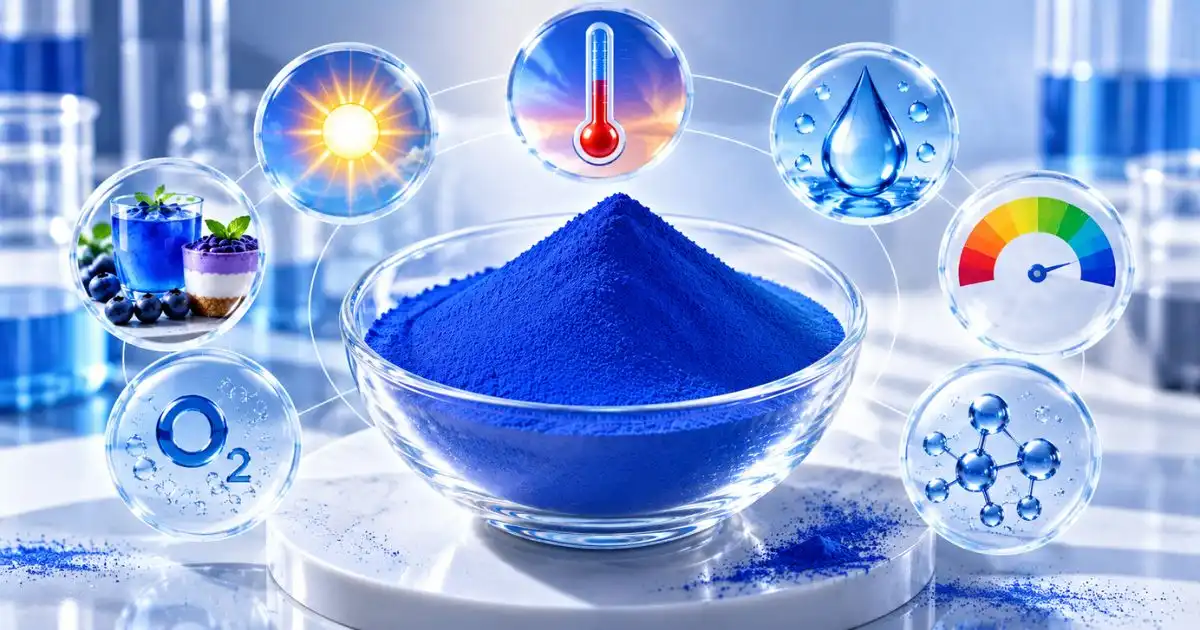
Strategies to Improve Pigment Stability in Your Formulation
Microencapsulation and Protective Matrices
It has been shown that phycocyanin is much more resistant to heat and acidity when it is put in small bubbles made of maltodextrin, chitosan, or whey protein. Scientists published a study in 2020 in the journal Food Chemistry that showed phycocyanin that was enclosed kept more than 85% of its color after being cooked at 60°C for 30 minutes. The control group that wasn't enclosed only kept 52% of its color. For research and development teams making healthy drinks or pills that can be kept for a long time, this method directly makes the product more useful.
When making B2B products, these are the main ways to keep them safe:
- Microencapsulation: There is a shell around the pigment in microencapsulation that keeps it safe from heat and acidic conditions. Gels, powder packets, and tablets are the best ways to take it.
- Antioxidant co-formulation: Ascorbic acid or rosemary extract can be added to mixtures to slow down reactive breakdown. This helps the mixtures keep their color and bioactivity.
- pH buffering: Adjusting the pH level To protect the protein structure from acidic damage, buffering agents are used to keep the mixture at a pH level of 6.0 to 7.0 for the whole shelf life.
People who make formulas can use middle-level ingredients like E18 or E25 where higher-level ones would usually be needed if they follow these steps correctly. This lowers costs without making things less effective.
Supplier Quality and Extraction Standards
The first step in making a stable end product is to make sure the raw materials are good. More of the protein structure that makes phycocyanin unique is kept when it is removed using HPLC-grade purification instead of ways that use a lot of heat. Yangge cleans all of their products with this method, and they work with approved third-party labs to check each batch again for heavy metals, the number of bacteria, and the color value. Brands that want to sell in the US, EU, or Japan, where rules are very strict, need this amount of proof even more.
| Stability Factor | Risk Level | Recommended Control |
|---|---|---|
| High temperature (>45°C) | High | Cold-process or encapsulation |
| Low pH (<4.0) | High | Buffering agents |
| UV/visible light | Medium-High | Light-protective packaging |
| Metal ions (Fe²⁺, Cu²⁺) | Medium | Chelating agents |
| Oxidizing agents | Medium | Antioxidant co-formulation |
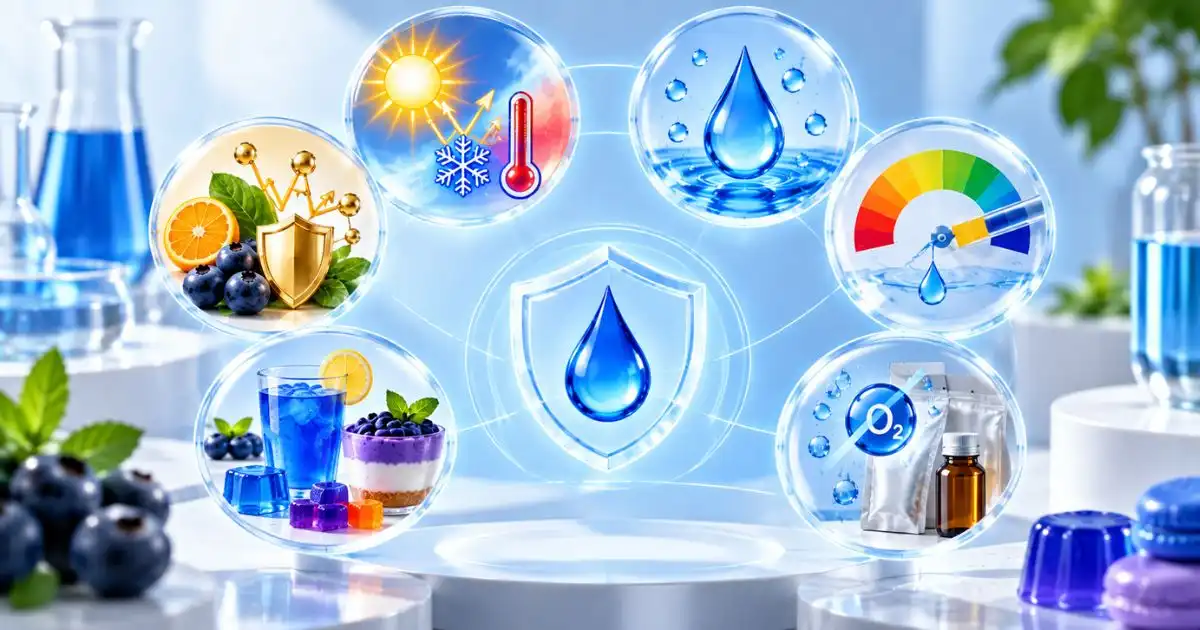
Comparing Phycocyanin to Other Natural Colorants
Stability Profile Versus Spirulina Powder and Chlorophyll
Whole spirulina powder has phycocyanin in it, along with proteins, chlorophyll, and other colors. It talks about more nutrients, but the colorants aren't as clear. On the other hand, chlorophyll can handle heat better, but it's not as good a protector as C-phycocyanin by itself. Isolated phycocyanin, especially E25 or higher, works better and more consistently when a product needs a certain blue color and knows how to use it.
Powder vs. Liquid Extract Formats
As a general rule, phycocyanin powder lasts longer than liquid extracts. It is best to store the dry form in aluminum foil bags and keep it at low temperatures so that the color stays the same for 12 to 24 months. When used in drinks, liquid extracts work better, but they need to be shipped in a cold chain and don't last as long once they're open. To make pills, powders, or healthy drink mixes, Yangge's dry powder format in grades from E6 to E40 is the best choice for OEM clients. It is stable and easy to work with.
Procurement Considerations for B2B Buyers
Certifications and Third-Party Testing
What brands put on paper is just as important as the things themselves when they sell them in controlled markets. ISO, HACCP, Kosher, and Halal are all certifications that the company Yangge has. Labs that work together to check all amounts of phycocyanin for heavy metals, bacteria safety, and color value. Before formula approval, procurement teams should get certificates of analysis and, if necessary, set up verification by a third party that is not part of the process.
OEM Customization and Minimum Orders
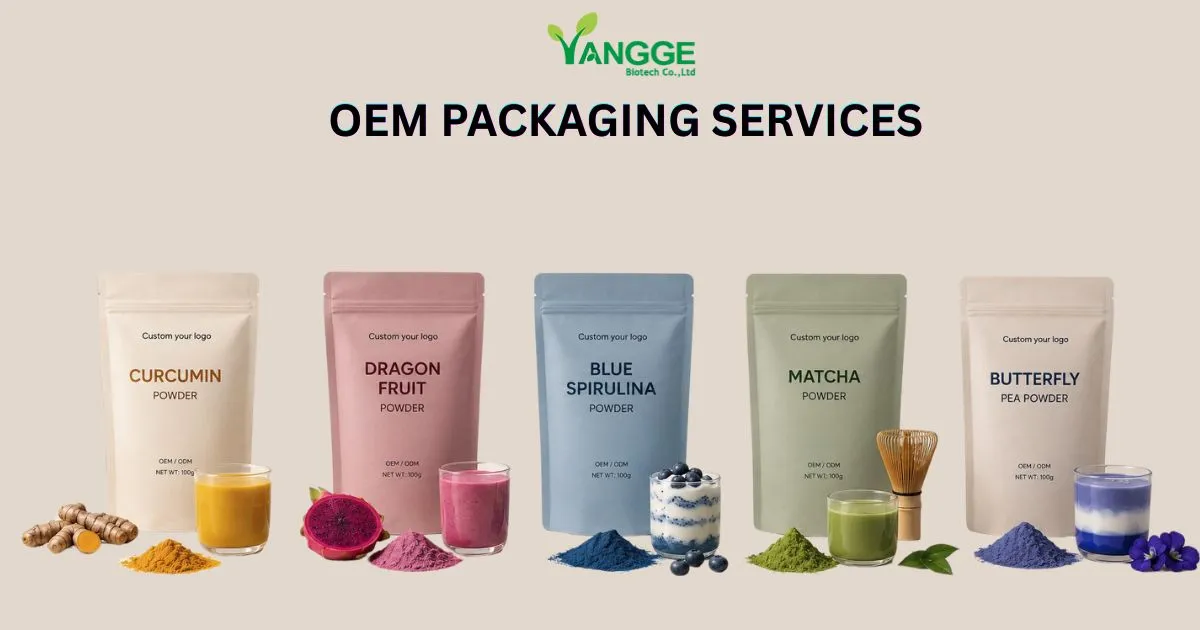
Yangge takes orders for at least 1 kg, and they have 50–100 kg of each grade in stock right now. They come in 1 kg bags made of aluminum foil, or they can be made to fit your needs. Being able to change helps brands at all stages of production, from small tests for research and development to big launches. You can get in touch with the team to find out about wait times and what you need from custom labels.
Conclusion
Numerous variables, such as pH, temperature, light exposure, and the chemistry of the composition, affect how stable phycocyanin is in food. When these things are done right—by making sure the right quality of extraction, preparation, and storage—the ingredient works well in a lot of different types of products. The E3 to E40 range from Yangge lets formulators meet the purity and stability needs of various applications without having to spend a lot of time and money on engineering. To make something that does what it says on the box, the first thing that needs to be done is to know these limits.
FAQ
What pH range does phycocyanin stay stable in drinks?
The best pH range for phycocyanin is between 5.5 and 7.0. When the pH level drops below 4.0, the protein breaks down and the chromophore separates, losing its color quickly. For acidic drinks, pH buffering or microencapsulation is a good idea.
In what temperature range does phycocyanin begin to break down?
Above 45°C, things start to break down. When food is pasteurized at 72°C or higher, a lot of the effect is lost. For uses that can't handle heat, the best ways to make something are through the cold process or encapsulation.
What difference does the grade (E6 vs. E40) make in terms of how stable the building is?
Better products, like E40, have more pure C-phycocyanin and fewer protein impurities. This means that there is more consistency between batches in general. But when you pick a grade, you should also think about how safe the product is. When it comes to shelf life, an E18 that is well buffered and encapsulated can often match a better grade in the wrong matrix.
How can I tell if phycocyanin is safe when I buy it?
Check for ISO, HACCP, Kosher, and Halal approvals to get an idea of the quality. Heavy metal tests must be done by a third party on controlled markets in the US, EU, and Japan. Each batch must also have a proof of analysis that is unique.
Partner with Yangge for Verified Phycocyanin Supply
Yangge Biotech sells phycocyanin in grades E3 through E40. The whole bunch comes from blue spirulina, is cleaned with HPLC, and has been checked again by a different lab. We are a trustworthy company that makes phycocyanin and have ISO, HACCP, Kosher, and Halal certifications. We can help OEMs make changes from testing 1 kg to making a lot of them.Contact us or email us at info@yanggebiotech.com or visit blog.yanggebiotech.com to get a product specification sheet or sample.
References
1. Chaiklahan, R., et al. — Bioresource Technology, 2018.
2. Martínez, J. M., et al. — Food Chemistry, 2020.
3. Eriksen, N. T. — Applied Microbiology and Biotechnology, 2008.
4. Patel, S. N., et al. — Journal of Food Science and Technology, 2019.
5. Sonani, R. R., et al. — Process Biochemistry, 2016.
6. Romay, C., et al. — Current Protein and Peptide Science, 2003.

Based on your location and order quantity, you will have the opportunity to receive a limited time free shipping promotion!
Who we are
Popular Blogs