What Are the Main Applications of Berberine HCl?
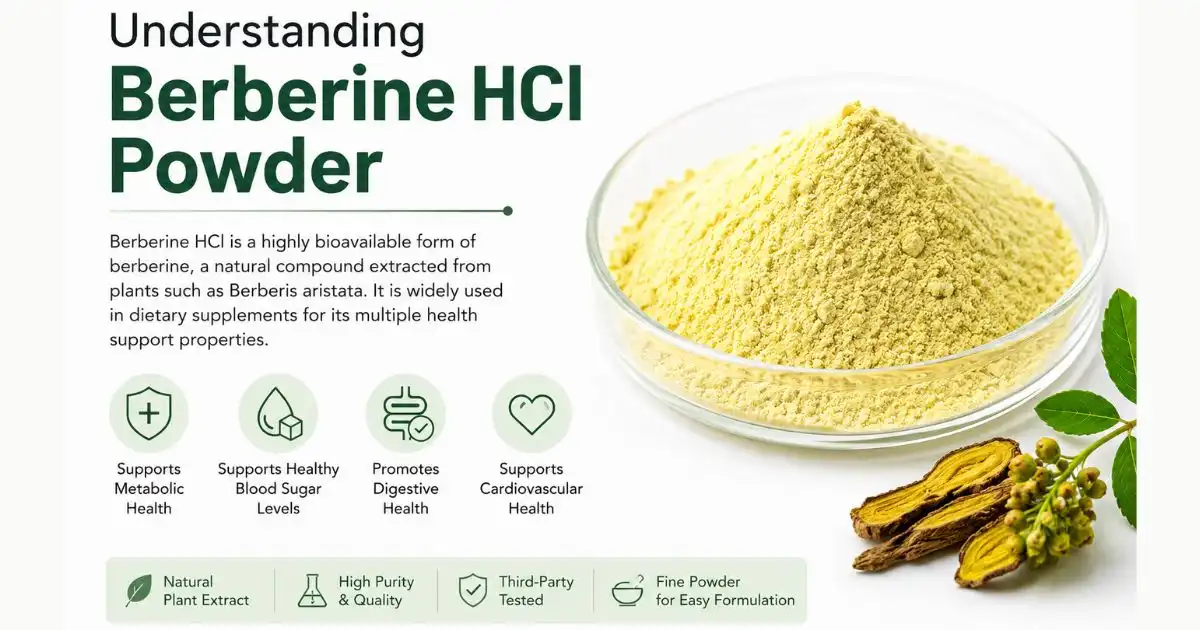
Berberine HCl serves as a cornerstone ingredient in metabolic health formulations, blood sugar management supplements, cardiovascular support products, and gut health solutions. Extracted primarily from plant sources like Phellodendron amurense and Berberis aristata, this isoquinoline alkaloid demonstrates exceptional versatility across nutraceutical, pharmaceutical, and functional food sectors. As a procurement manager or R&D professional evaluating bulk raw materials, understanding its application landscape directly impacts product differentiation, regulatory compliance, and market positioning.
Understanding Berberine HCl: Mechanism and Benefits
Berberine hydrochloride is one of the most interesting plant alkaloids because it has better stability than sulfate products and amazing biochemical action. At the cellular level, this compound turns on AMP-activated protein kinase (AMPK), which is sometimes called the body's "metabolic master switch." This turns on AMPK and sets off a chain of metabolic improvements, such as better glucose uptake in cells, better insulin sensitivity, and better lipid metabolism pathways.
Biochemical Properties and Bioavailability
The hydrochloride salt form has clear benefits for companies that make supplements. Unlike berberine base, which doesn't dissolve well in water, the HCl form dissolves easily in stomach acid, which makes it easier for the small intestine to absorb. Without any changes, our 97% pure Berberine HCl Powder always dissolves easily in warm water and warm ethanol and stays stable during normal production processes. The bright yellow powder comes from the roots of Coptis chinensis and related species and is separated using HPLC. It goes through an 80-mesh sieve to make sure that the particles are evenly spread in capsules, tablets, and powder blends.
The stability tests show that berberine hydrochloride stays active for 36 months when stored properly in places that keep out light and keep the temperature and humidity low. This longer shelf life solves a problem that many mid-sized supplement brands have when they have to keep track of supplies across many SKUs and methods of distribution.
Clinically Supported Health Benefits
Research backs up a number of therapeutic uses that are driving demand in the market. Studies show that berberine hydrochloride helps keep blood sugar levels healthy by making insulin receptors more sensitive and lowering the production of glucose in the liver. Some of the benefits of lipid metabolism are that it may lower LDL cholesterol and triglycerides. This makes it a popular choice for heart health products. Its antimicrobial qualities are used in gastrointestinal uses to fight pathogenic bacteria and support the balance of good gut bacteria.
Because it affects AMPK activity, the compound is also becoming more famous in weight loss products, where it may help keep the metabolism healthy and burn fat. These benefits backed by evidence make berberine hydrochloride a scientifically sound option to man-made chemicals, appealing to people who want to use plant-based solutions.
Main Applications of Berberine HCl in the Global Market
Because berberine hydrochloride is so flexible, it can be used in a lot of different types of products. Knowing about these uses helps buying teams find holes in the market and make recipes that fill those gaps to meet the needs of specific customers.
Pharmaceutical and Nutraceutical Formulations
The biggest group of users are those who take metabolic health products. Brands make berberine pills that work on their own, with 500 to 1500 mg of berberine per dose, for people who are trying to control their blood sugar or improve the health of their hearts. Because the substance works well with other ingredients that work well with it, like chromium picolinate, alpha-lipoic acid, and cinnamon extract, it can be used in complex mixtures that treat metabolic syndrome in more than one way.
Cardiovascular support items include Berberine HCl, CoQ10, omega-3 fatty acids, and plant sterols. People who are getting older and want to control their cholesterol and heart health will like these products. The ingredient comes from Huang Lian (Coptis), which is used in Traditional Chinese Medicine. This gives premium product lines that focus on tradition and plant purity marketing benefits.
Berberine's antibacterial effects are used in digestive health products. Berberine HCl is often a key ingredient in products that aim to balance the gut bacteria, ease occasional digestive pain, or boost the immune system. The compound is effective against a number of pathogens, such as E. coli and Candida species without hurting communities of good bacteria when the right amounts are used.
Functional Foods and Beverages
New applications go beyond the usual forms for supplements. Berberine hydrochloride is added to powdered drink mixes, protein shakes, and functional coffee blends by beverage companies that care about your health. For this to be possible, complex flavoring and encapsulation technologies are needed to hide the compound's uniquely bitter taste.
Berberine powder is used by companies that make energy bars and superfoods to help keep blood sugar stable during sports performance or to provide prolonged energy during the workday. Berberine is used in smaller amounts (100–300 mg per serving) than in therapeutic supplements because it is seen as an ingredient that serves a purpose rather than the main active ingredient.
Sports Nutrition and Performance Products
The sports nutrition industry knows that berberine hydrochloride can help divide nutrients so that carbs are stored as glycogen in muscles instead of being stored as fat. Berberine is being used more and more in pre-workout, carbohydrate supplements, and recovery products to help the body's metabolism respond better to training stress.
AMPK activation improves mitochondrial function, which helps endurance athletes keep making energy even when they're working out for a long time. Dosing needs to be carefully thought out for these uses so that stomach pain doesn't happen during strong physical exercise.
Personal Care and Cosmetics Applications
Skin health formulations are a new area of research. Berberine's anti-inflammatory and antimicrobial properties make it a good candidate for use on the skin to treat acne, redness, and irritation. Some beauty companies make serums and creams with berberine extract to improve skin tone and protect against free radicals. Even though this application section is still smaller than ingestible goods, it shows that the compound can be used in more than just supplements.
Here are the key characteristics that make berberine hydrochloride suitable across these diverse applications:
- Chemical stability: Keeps its effectiveness through common production steps like tableting, encapsulation, and heat processing up to mild temperatures
- Compatibility: Works well with ingredients that work well together and don't mix badly in most formulations.
- Regulatory status: It is generally thought to be safe when used correctly, and a long history of use in major markets backs this up.
- Dosing flexibility: It works at a lot of different amounts, from useful food levels (50–200 mg) to therapeutic supplement levels (1000–1500 mg daily).
Berberine HCl vs. Competitors: Making Informed Procurement Decisions
To compare berberine hydrochloride to other chemicals, you need to know about their safety, effectiveness, cost, and how the market sees them. This comparison helps with choosing the right ingredients that fit the needs of the target audience and the business's goals.
Efficacy Comparison with Alternative Supplements
The table below compares Berberine HCl with commonly used metabolic health ingredients:
| Ingredient | Primary Mechanism | Typical Dosage | Clinical Evidence Strength | Consumer Recognition |
|---|---|---|---|---|
| Berberine HCl | AMPK activation | 1000-1500mg/day | Strong (multiple RCTs) | Growing rapidly |
| Chromium Picolinate | Insulin potentiation | 200-1000mcg/day | Moderate | Established |
| Cinnamon Extract | Insulin mimetic | 500-2000mg/day | Moderate | High |
| Alpha-Lipoic Acid | Antioxidant, glucose uptake | 300-600mg/day | Strong | Moderate |
| Gymnema Sylvestre | Sugar absorption inhibition | 400-800mg/day | Moderate | Low-Moderate |
Berberine hydrochloride stands out because it has strong clinical evidence to support managing blood sugar and lipids. Some studies that directly compare berberine to prescription metformin show that both are equally good at controlling blood sugar. However, berberine is sold as a food substance, not as a drug. This body of evidence backs up marketing claims that are legal and gives formulators confidence in how well ingredients work.
Synthetic vs. Natural Forms: Purity and Sourcing Considerations
Chemicals can be used to make berberine or it can be taken from plants. Berberine is naturally extracted from Phellodendron amurense, Berberis aristata, or Coptis chinensis. It is mixed with alkaloids like palmatine and jatrorrhizine. While standardizing to 97% berberine ensures consistent potency, the presence of these related compounds may add to the overall activity through synergistic effects.
The molecular structure of synthetic berberine hydrochloride is the same as that of botanical sources, but it may have a lower heavy metal risk. Consumers strongly prefer naturally derived ingredients, especially in high-end supplement brands that stress their "plant-based" or "botanical" branding. Our Berberine HCl Powder comes from natural plant sources, which we can prove with HPLC fingerprinting and C14 carbon dating methods that tell the difference between natural extraction and man-made versions.
Product Format Selection: Powder, Capsules, and Bulk Considerations
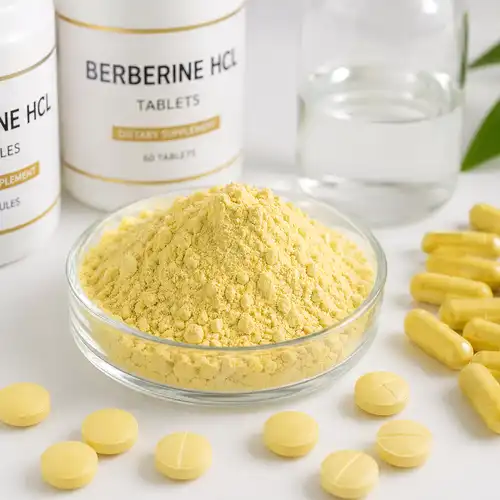
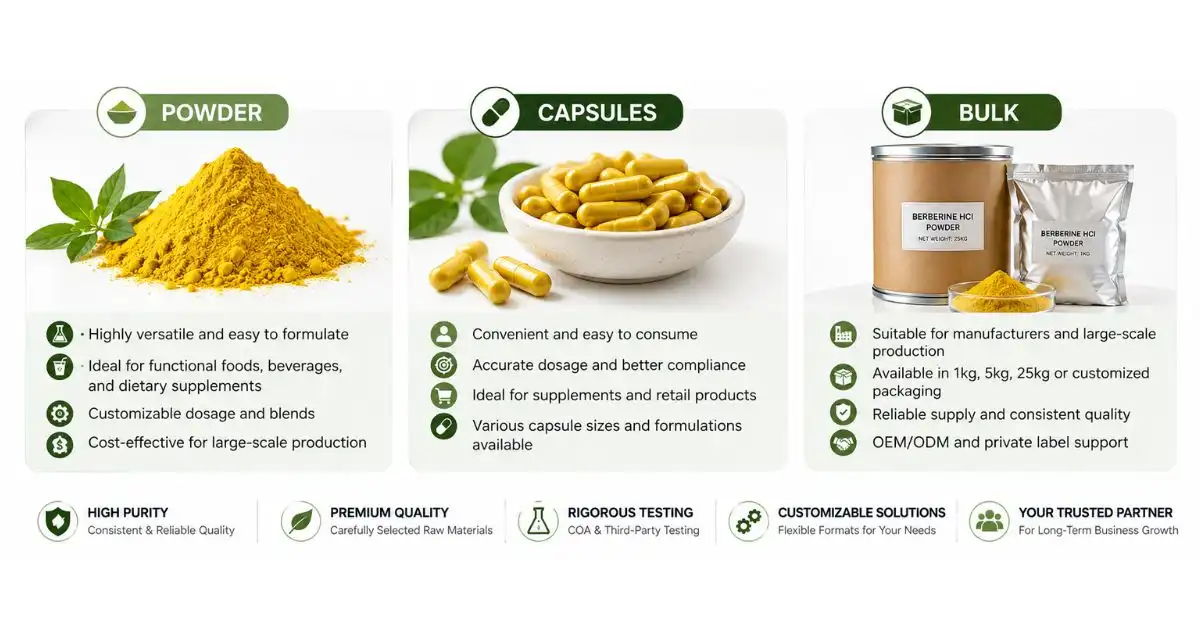
When making decisions about purchases, you have to think about what needs to be made later. Berberine HCl Powder in bulk form gives you the most formulation options. It can be mixed with other ingredients that work well together, the dose can be precisely changed, and there are many delivery system choices. Our 1-ton stock available helps mid-sized brands plan their production for quarterly buying cycles. This lowers supply chain risk and makes it possible to handle inventory quickly.
The physical properties of the powder have a direct effect on how efficiently it is made. Berberine HCl has a bulk density of 40–60g/100ml and a particle size standard of 80 mesh. This means that the material always flows through encapsulation equipment, mixes evenly in powder supplements, and consistently presses down in tablet formulations. Loss on drying below 5% keeps the weight fixed and stops storage-related damage caused by wetness.
Brands that want to make their own private label capsules should work with providers that can provide both the raw materials and the packaging services. Using an integrated method instead of handling many vendors makes things easier and makes sure that the standard is the same from the ingredients to the finished product. Our GMP-certified sites support turnkey solutions for brands that want to keep quality control while lowering running costs.
Procuring Berberine HCl: Best Practices for Global Buyers
To strategically source berberine hydrochloride, you need to look at more than just price differences when comparing suppliers. Long-term partnership success depends on many things, including quality control, following the rules, a reliable supply chain, and expert help.
Partnering with Reputable Manufacturers and Suppliers
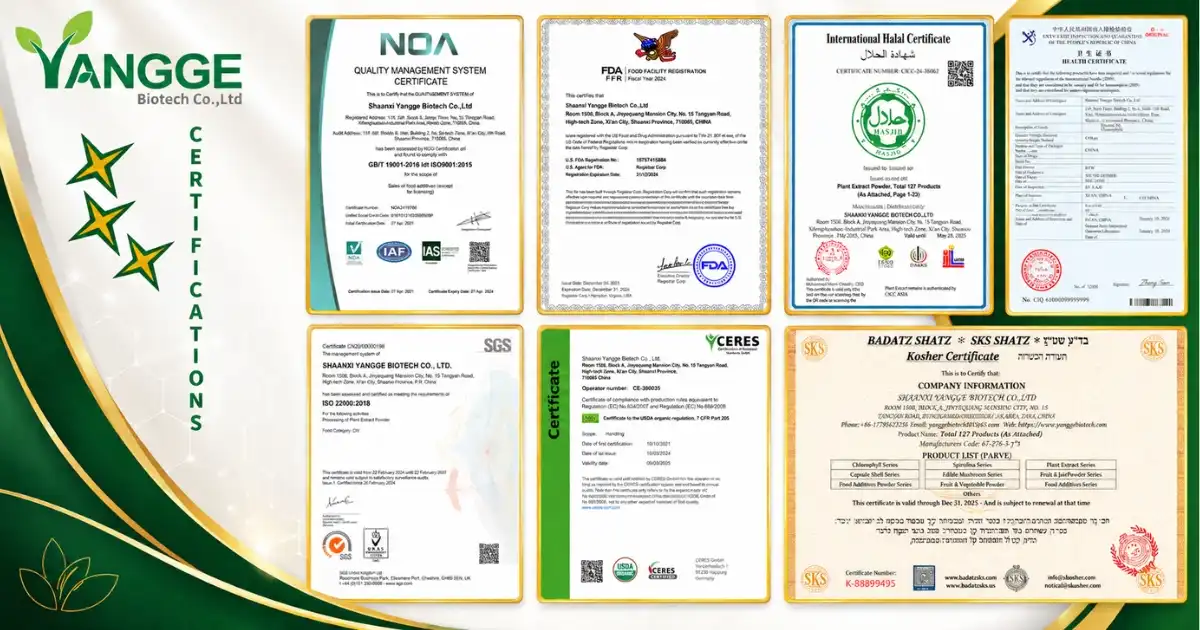
When choosing a supplier, factory standards and licensing portfolios should be given the most weight. GMP certification shows that good manufacturing practices are followed, which is important for making ingredients for dietary supplements. Kosher and Halal licenses make it easier for brands that cater to certain groups of customers to get into new markets. HACCP certification shows that food safety management systems are strong.
Quality Assurance and Essential Certifications
Analytical testing methods tell the difference between high-end and low-end sources. The HPLC test proves that the product is at least 97% pure, and the chromatographic fingerprinting checks the identity of the botanical and looks for signs of possible adulteration with cheaper alkaloids. Microbiology tests must show that the total plate count is less than 1000 CFU/g and that E. coli, Salmonella, and other germs that cause disease are not present.
Gas chromatography testing for residual solvents makes sure that extraction solvents (mostly ethanol) stay below 5000ppm Class 3 limits. Class 1 solvents like benzene are not allowed at all. These analytical standards protect the reputation of a brand and make sure that regulations are followed in a wide range of international markets, such as North America and Europe.
The following table outlines critical quality parameters for berberine hydrochloride procurement:
| Quality Parameter | Standard Specification | Testing Method | Compliance Requirement |
|---|---|---|---|
| Assay (Berberine HCl) | ≥97.0% | HPLC | USP/EP standards |
| Heavy Metals (total) | ≤20ppm | ICP-MS | USP <233> |
| Lead (Pb) | ≤3.0ppm | ICP-MS | Prop 65 / EU limits |
| Arsenic (As) | ≤1.0ppm | ICP-MS | WHO guidelines |
| Residual Solvents | ≤5000ppm (Class 3) | GC | ICH Q3C |
| Microbiology (TPC) | ≤1000 CFU/g | USP <2021> | AHPA standards |
| Particle Size | 100% through 80 mesh | Sieve analysis | Manufacturing spec |
Leveraging Supplier Relationships for Custom Formulation
Technical teamwork is what drives product creation and market differentiation, not just the availability of raw materials. Bioavailability problems that come with berberine hydrochloride can be solved with help from experienced sources. Phytosome technology, microencapsulation, and sustained-release matrix systems are some of the techniques that can greatly improve absorption and lower the number of times a drug needs to be given.
Our research and development team (R&D) works closely with brand partners to create unique formulas that get berberine to the right places while also taking into account taste masking, stability, and the ability to make more of them. This way of working together cuts down on technical risk during the switch from pilot batches to commercial production runs and speeds up the time it takes for new products to hit the market.
Private label services let brands that want turnkey solutions use these features. Integrated relationships make it easier to handle the supply chain while still keeping an eye on quality. They do this from coming up with the initial idea to designing the packaging, writing up the paperwork for regulations, and making the finished product. Our online service is available 24 hours a day, seven days a week. It makes contact possible across time zones and helps with the planning problems that often come up in foreign sourcing relationships.
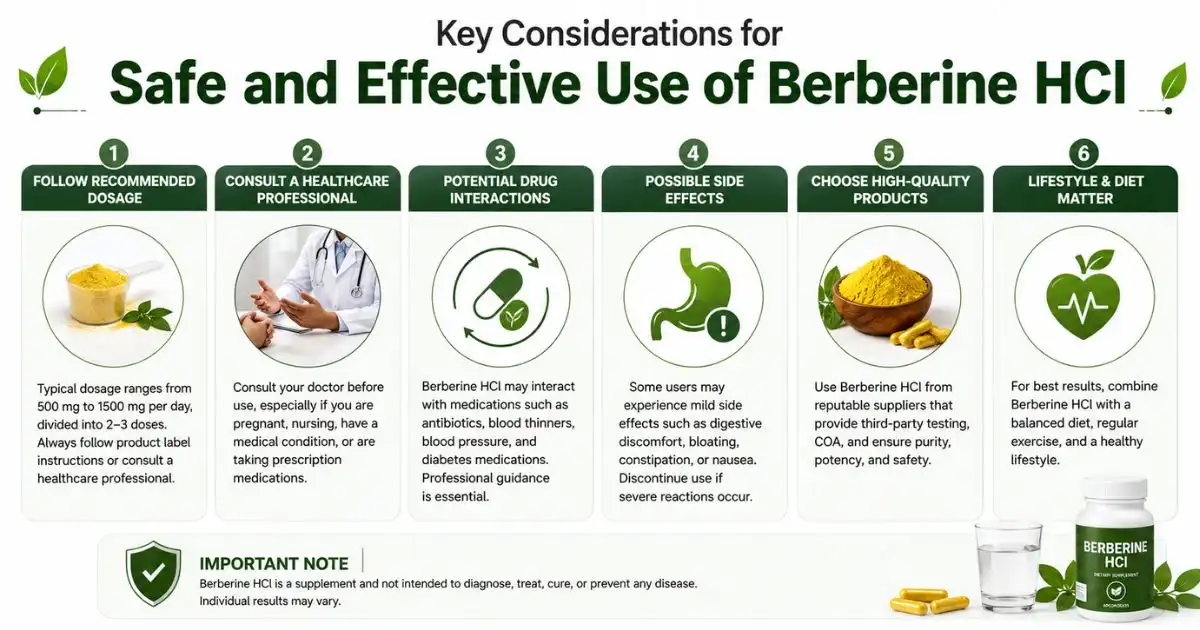
Key Considerations for Safe and Effective Use of Berberine HCl
Product safety and effectiveness information helps companies follow the rules and builds trust with customers. Brands can make products that give the benefits they're supposed to while minimizing risk if they know the right dosage guidelines, possible side effects, and best practices for formulation.
Recommended Dosing Ranges and Application Guidelines
Berberine HCl amounts in clinical tests are usually between 900 mg and 1500 mg per day, spread out over two or three meals to help the body absorb it better and reduce stomach problems. Supplements usually have 500 mg in each capsule, and the directions on the bottle say to take one to two pills twice or three times a day.
Berberine is used in functional foods in lower doses (50–300 mg per serving), making it more of an additive than a main therapeutic agent. These smaller amounts lower the risk of side effects while still helping the metabolism as part of a healthier diet. To keep people from taking too much, dosing guidelines should take into account the total daily amount from all sources.
Addressing Common Side Effects and Contraindications
The most common side effects are gastrointestinal, such as minor cramping, diarrhea, or constipation. These effects tend to happen at higher amounts or when the dose is increased quickly. These effects generally go away when you keep using the drug or lower the amount. Taking berberine with food and spreading out daily doses makes stomach pain less likely.
Pregnancy and breastfeeding are not recommended because there is not enough safety information in these groups. Some medicines, like diabetes drugs (which lower blood sugar even more), immunosuppressants, and drugs broken down by cytochrome P450 enzymes, may not work well with berberine. Product labels should have the right warnings telling people to talk to their doctors before using, especially if they are on prescription drugs or trying to manage a long-term health condition.
Advanced Formulation Techniques for Enhanced Bioavailability
Berberine's naturally low oral bioavailability (below 5% in some tests) makes it possible to come up with new formulations that give companies a competitive edge. Some ways to improve bioavailability are:
Complexation technologies: combining berberine with phospholipids or cyclodextrins makes it easier for cells to take in and dissolve, which could mean that lower amounts are needed to get the same effect. These advanced delivery systems help premium products make claims about having better bioavailability.
Controlled-release versions make berberine release last longer, over several hours. This keeps blood levels at a therapeutic level while lowering the number of times a dose needs to be taken. This method may help lower peak-related side effects and increase cooperation.
Synergistic combinations: Adding piperine (black pepper extract) or MCT oil to berberine may help the body absorb it better in different ways. These combination tactics give formulations a unique edge while also possibly better therapeutic results.
Micronization: Reducing the particle size below the normal 80 mesh improves the surface area and dissolution rate. This is especially helpful for softgel uses where berberine needs to be mixed with lecithin or beeswax in oil matrices.
Conclusion
Berberine HCl is a flexible ingredient that has been proven to work in science and is in high demand as a metabolic health answer. It can be used in dietary supplements, functional foods, sports nutrition, and new types of personal care products. This gives procurement workers a lot of chances to come up with new products. Priorities for strategic sourcing should include source quality systems, the rigor of analytical tests, documents for regulatory compliance, and the ability to provide expert support.
The compound's strong evidence of effectiveness, good safety profile, and natural botanical origin make it more desirable than synthetic alternatives and competing ingredients. For marketing to go well, formulation tactics that improve bioavailability, lower side effects, and make goods stand out in crowded markets must be carefully considered.
FAQ
What is the long-term safety profile of Berberine HCl in supplements?
Clinical tests show that normal doses can be used for up to 24 months without any problems. The most common side effects are mild stomach problems that usually get better as you keep using it. However, there isn't a lot of long-term safety information on certain groups of people, like the old and people whose kidneys or livers don't work well. This means that people in these groups should take smaller doses and be closely watched by a doctor.
How does Berberine HCl compare to prescription Metformin for blood sugar management?
Some research studies show that berberine and metformin are about the same in terms of controlling blood sugar. However, berberine is sold as a supplement, not as a drug. Without medical advice, berberine cannot be used instead of prescription drugs. Brands must carefully place berberine products to support healthy blood sugar levels that are already in the normal range. They must avoid making promises about treating diseases, which would lead to the drugs being classified as drugs.
What supplier selection criteria matter most for bulk Berberine HCl procurement?
Focus on getting HPLC proof of purity of at least 97%, full heavy metal testing below legal limits, microbiological safety paperwork, GMP approval, and the ability to track the supply chain. Check the technical support, special formulation, and inventory dependability of providers to make sure there is a steady supply for planning production. Before finalizing supplier partnerships, you should ask for certificates of analysis from several production lots to check the consistency between batches.
Partner with Yangge: Your Trusted Berberine HCl Supplier
Yangge Biotech Co., Ltd. sells 97% pure pharmaceutical-grade Berberine HCl Powder that was removed using HPLC from plants that were grown in a way that doesn't hurt the environment. Our KOSHER/USP grade product always has a 1-ton stock on hand, so mid-sized supplement brands with annual procurement volumes of $30,000 to $250,000 can count on a steady supply. As a manufacturer that is ISO, HACCP, Kosher, and Halal certified, we make sure that all of these standards are met in both North America and Europe. We also offer full technical support from formulating new products to making finished ones.
Our farm-to-table traceability model makes sure that the identity of the plants is checked and that we have the least possible impact on the environment by using green energy and working with community-based purchasing partners. If you need bulk powder for custom formulations or complete private label services, our team at info@yanggebiotech.com is available 24 hours a day, 7 days a week to help you with your metabolic health product creation needs. You can look at our full list of ingredients on blog.yanggebiotech.com and learn how our strategic partnerships with experienced berberine hydrochloride suppliers help us stay competitive in the growing metabolic wellness market.
References
1. Yin J, Xing H, Ye J. "Efficacy of berberine in patients with type 2 diabetes mellitus." Metabolism: Clinical and Experimental, 2008; 57(5):712-717.
2. Kong W, Wei J, Abidi P, et al. "Berberine is a novel cholesterol-lowering drug working through a unique mechanism distinct from statins." Nature Medicine, 2004; 10(12):1344-1351.
3. Zhang Y, Li X, Zou D, et al. "Treatment of type 2 diabetes and dyslipidemia with the natural plant alkaloid berberine." Journal of Clinical Endocrinology & Metabolism, 2008; 93(7):2559-2565.
4. Kumar A, Ekavali, Chopra K, et al. "Current knowledge and pharmacological profile of berberine: An update." European Journal of Pharmacology, 2015; 761:288-297.
5. Imenshahidi M, Hosseinzadeh H. "Berberine and barberry (Berberis vulgaris): A clinical review." Phytotherapy Research, 2019; 33(3):504-523.
6. Och A, Podgórski R, Nowak R. "Biological activity of berberine—A summary update." Toxins, 2020; 12(11):713-735.

Based on your location and order quantity, you will have the opportunity to receive a limited time free shipping promotion!
Who we are
Popular Blogs