What are the benefits of phycocyanin extract?
Phycocyanin extract is a natural blue colorant that has a lot of benefits in many industrial settings. It is also a bioactive functional ingredient. This water-soluble pigment-protein complex comes from Spirulina (Arthrospira platensis) and has been shown in peer-reviewed research to have strong anti-inflammatory effects, protect against free radicals, and support immune function. Not only does it have health benefits, but it also meets the urgent market need for clean-label alternatives to synthetic dyes while adding nutrition. Its dual functionality, regulatory compliance with FDA GRAS status and EU food additive regulations, and proven batch consistency across a wide range of formulations, such as cosmetics, supplements, and drinks, are all things that procurement managers value.
Understanding Phycocyanin Extract: What It Is and How It Works
Natural Origins and Biological Role
Spirulina grows best in ecosystems with brackish, shallow water, which is also where it gets its distinctive blue-green color. The color blue comes from phycocyanin, a pigment made by plants that is in the phycobiliprotein family. During photosynthesis, this molecule takes in light energy and turns it into chemical energy that the living thing needs to grow. By dry weight, 55 to 70% of Spirulina is protein, making it one of the most protein-dense foods in nature. Algae also gives you iron, calcium, magnesium, B-complex vitamins, essential amino acids, and vitamin E. This is one reason why it is known as a complete food supplement.
Industrial Extraction Methods and Quality Standards
These days, either liquid biomass or dried Spirulina powder is used to start the commercial extraction process. At Yangge Biotech, we use scalable cold-water extraction methods that protect the delicate structure of proteins without using harmful organic solvents. This physical method keeps the bioactivity while getting very high levels of purity, as shown by the color value specifications. Our phycocyanin powder comes in several grades, including E6, E10, E18, E25, and E40. The grades are based on the absorbance ratio at 620 nm and 280 nm wavelengths, with higher grades indicating higher purity. Higher E-values mean that there is more pure phycocyanin compared to other proteins. This has a direct effect on the finished product's color intensity and biological activity.
Careful control of pH and temperature are needed during the extraction process. Phycocyanin is most stable when the pH is between 4.5 and 8.0 and the processing temperature is less than 45°C. If these limits are crossed, the protein structure can become denatured, which lowers the color vibrancy and functional benefits. Each batch is checked by quality control labs using HPLC analysis to make sure it is consistent and meets international standards like GMP, ISO, Kosher, and Halal certifications.
Mechanism of Cellular Protection
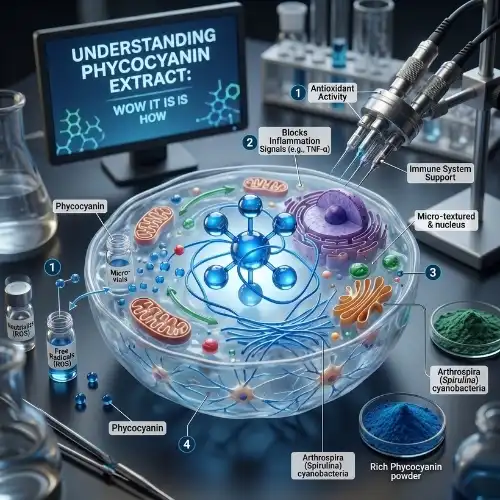
At the cellular level, phycocyanin selectively blocks cyclooxygenase-2 (COX-2), an enzyme that plays a role in the production of inflammation. This selective inhibition lowers markers of inflammation without changing prostaglandins, which are good for you. The protein structure of the pigment has chromophore groups that donate electrons to free radicals to make them less harmful. This keeps cell membranes from being damaged by oxidative stress. Biomedical journals have published research showing that phycocyanin removes reactive oxygen species better than many synthetic antioxidants. This makes it useful for formulas that aim to lower oxidative stress.
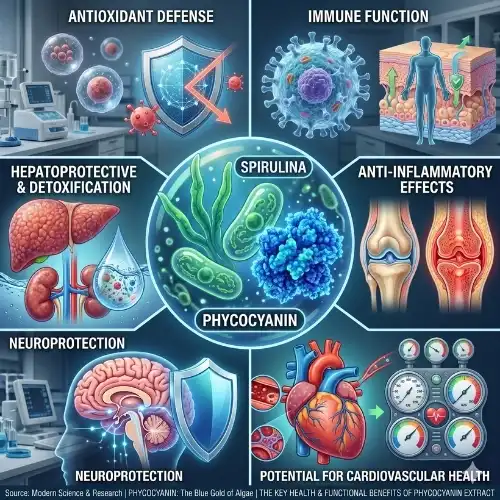
The Key Health and Functional Benefits of Phycocyanin Extract
Antioxidant Capacity and Cellular Defense
ORAC (Oxygen Radical Absorbance Capacity) tests have been used in clinical studies to measure phycocyanin extract's ability to get rid of free radicals. The results always show that high-quality extracts are very good at getting rid of peroxyl radicals, hydroxyl radicals, and peroxynitrite. It's important for beverage makers who make functional drinks with polyunsaturated fatty acids to know that this broad-spectrum antioxidant protection also stops lipid peroxidation. Researchers and developers like how this natural defense system works with antioxidants like vitamin C and E to make stronger protection in mixtures with more than one ingredient.
Immune System Modulation
Phycocyanin affects the immune system in more than one way. Studies in the lab show that it increases the activity of natural killer cells and encourages the production of a balanced amount of cytokines. Instead of just making immune responses stronger, it seems to balance immunity toward homeostasis, which means it boosts defenses against pathogens without causing too many inflammatory responses. Because it has a complex effect on the immune system, functional food companies are interested in using it to make products that can help with daily health. Formulators of immune-boosting gummies and superfood powders use these features to make their products stand out in markets where there are a lot of them.
Anti-Inflammatory Properties for Therapeutic Applications
The earlier mentioned COX-2 inhibition leads to measurable drops in biomarkers of inflammation. Studies that were controlled have shown that giving phycocyanin lowers levels of prostaglandin E2, tumor necrosis factor-alpha, and interleukin-6. These results are interesting to drug companies that are looking into natural alternatives or complementary ingredients to treat inflammatory conditions. When compared to synthetic anti-inflammatory drugs, which often have a lot of side effects, production managers like how safe this ingredient is. The natural source and protein-based structure make it very well tolerated by a wide range of populations.
Energy and Cognitive Support Without Stimulant Side Effects
In contrast to energy drinks that contain caffeine, phycocyanin helps the body make energy through its high nutrient density and cell protection mechanisms. The complete amino acid profile gives the brain the building blocks it needs to make neurotransmitters, and B-vitamins help the mitochondria process energy. Formulation engineers who make sports nutrition products like this because it means long-lasting energy without the jitters, crashes, or sleep problems that come with high-caffeine formulas. Beverage companies are changing the recipes of pre-workout drinks and functional coffee replacements because customers want "clean energy" alternatives.
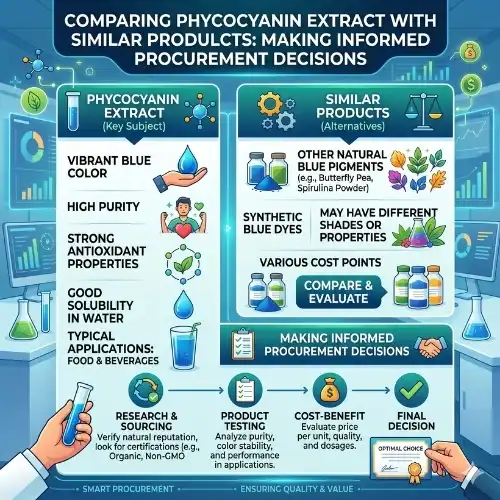
Comparing Phycocyanin Extract with Similar Products: Making Informed Procurement Decisions
Phycocyanin Extract Versus Whole Spirulina Powder
About 15 to 20 percent of the weight of whole Spirulina powder is made up of phycocyanin. It also has chlorophyll, other proteins, carbohydrates, and fiber. This mix gives Spirulina powder its unique algae-like taste and a greenish-blue color. Whole powder has all the nutrients you need, but it can be hard to mix with other ingredients when you need a neutral flavor or a certain blue color. Purified phycocyanin extract gets rid of chlorophyll and most other compounds that aren't supposed to be there. This gives you more of the benefits without changing the taste. Purchasing managers who have to choose between these options have to think about how they will be used, how much they will cost, and what label claims they want to make. Nutritional supplements that focus on "complete superfood" profiles may choose whole Spirulina, while beverage makers who want a bright blue color without the taste of algae always choose refined phycocyanin.
Organic Versus Conventional Extraction Standards
For Spirulina to be certified organic, it must be grown without using synthetic fertilizers, pesticides, or genetic modification. Certified organic farms have to follow strict rules about the quality of the water they use, how they harvest the crops, and how they process the food. Although these extra controls raise the cost of production, they make sure that the products meet consumer expectations for "natural" and "organic" label claims. Even though conventional phycocyanin still comes from natural sources, it may be grown using nutrients that have been synthesized. Both types go through the same safety tests and have to meet the same purity standards for food use. Buying teams that are going after high-end customers or brands that promote organic products usually ask for organic-certified materials, even though they cost more per unit, because they know that the marketing benefits are worth it.
Powder Versus Liquid Forms: Stability and Handling
Spray-dried phycocyanin powder is better at staying stable on shelves, making it easier to transport and keep track of inventory. The low moisture content stops microbes from growing and slows down the breakdown process, which means that it can be stored for up to 24 months. Powder forms work well with dry-blended superfood mixes, the encapsulation process, and the pressing of tablets. Liquid concentrates dissolve more quickly and easily in beverages, but they need to be shipped in a cold chain and usually don't last as long on the shelf. When choosing physical forms, production managers have to think about their ability to make the product, their storage facilities, and the formulation needs. A lot of big businesses keep both formats to be as flexible as possible across all of their product lines.
No matter what shape they take, quality assurance protocols are important selection criteria. Suppliers should give a lot of paperwork, like allergen statements, heavy metal testing, certificates of analysis, and screening for microbes and allergens. Before shipping, Yangge Biotech sends every batch of products to an international lab for inspection to make sure they meet the rules of the final market. These quality systems protect buyers from the expensive recalls, production delays, and damage to their reputations that can come from using raw materials that aren't up to par.
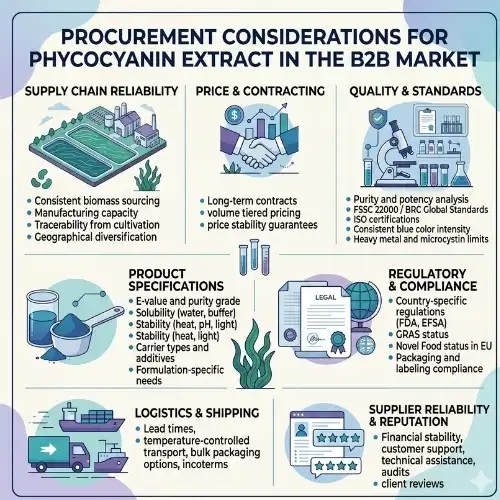
Procurement Considerations for Phycocyanin Extract in the B2B Market
Evaluating Supplier Capabilities and Certifications
To find qualified manufacturers, technical skills and regulatory credentials need to be carefully evaluated. If a supplier is approved by the FDA to use food coloring, it means they understand US regulations and keep up with quality standards. Kosher and Halal certifications make it easier for people with religious dietary needs to buy products. GMP compliance shows organized ways to stop contamination, keep track of batches, and make sure the process works. During the supplier qualification process, purchasing managers should ask for facility audit reports, customer references, and records of regulatory compliance.
Production capacity has a direct effect on how reliable the supply is. Yangge keeps one-ton stocks of key specifications like E18, E10, and E25 grades, which lets them quickly fill urgent orders without lowering the quality. This wide range of products shows that we want to be a strategic partner instead of just a transactional vendor. Companies that are launching new products or dealing with seasonal changes in demand benefit a lot from suppliers who keep stock levels high in case there are supply problems with phycocyanin extract.
Pricing Structures and Minimum Order Quantities
The price of phycocyanin depends a lot on the purity grade, the amount ordered, and how it will be delivered. Higher E-value specifications cost more because they need more processing steps to get rid of proteins that aren't needed. When buying in bulk, the cost per kilogram is usually lower, but buyers have to weigh this against the need for working capital and storage costs. MOQ rules are based on production batch sizes and cost-effective production runs. Yangge has flexible MOQs that can work for both well-known brands that need to buy a lot of products and new brands that are testing the market for the first time.
The terms of delivery have a big effect on the total landed costs. FOB (Free On Board) pricing means that the buyer is responsible for both shipping and importing, and they have control over the logistics providers and routes they choose. CIF (Cost, Insurance, and Freight) makes buying easier by putting transportation and insurance on the supplier. However, each unit costs a little more with CIF. Professionals in the procurement field look at both options based on their logistics skills, knowledge of import paperwork, and cash flow needs.
Sample Evaluation and Technical Help
Before making large purchases, responsible procurement starts with testing a large sample. Yangge gives 10 to 30 gram samples just for research and development. This way, formulation engineers can test the color stability, solubility, and compatibility with other ingredients in real production conditions. These trial amounts allow for faster shelf-life testing, consumer sensory evaluations, and regulatory compliance checks without having to spend a lot of money. During the trial phase, technical support teams help by giving advice on the best dosage rates, processing conditions, and stabilization strategies based on decades of experience using a wide range of products.
Addressing Safety and Usage: Dosage Recommendations and Possible Side Effects
Evidence-Based Dosage Guidelines
The right amount of phycocyanin extract to use depends on the application and the results that are wanted. Nutritional supplements that claim to help with antioxidants usually have between 200 and 500 milligrams per serving, so that they work well and don't cost too much. Beverage formulas focus on coloring effects, using 50 to 150 milligrams of the substance per serving to get the colors they want while keeping costs low. Lower concentrations, about 0.5 to 2 percent of the total formulation weight, are used in cosmetic facial serums to get the antioxidant benefits without changing the texture or absorption of the product.
Safety Profile and Contraindications
People of all ages and genders can tolerate phycocyanin very well. People who have phenylketonuria (PKU) should not take phycocyanin because they need to limit the amount of phenylalanine they eat from all protein sources. People who are allergic to shellfish or seafood have had rare allergic reactions to Spirulina. However, because Spirulina is not in the same taxonomic group as other plants, it is still not clear what the biological basis for cross-reactivity is. These risks are kept to a minimum by quality control measures that stop contamination during production and processing.
Women who are pregnant or nursing often wonder if taking extra phycocyanin is safe. While eating Spirulina has been used for a long time and is thought to be safe, there isn't a lot of clinical data specifically looking at phycocyanin extract during pregnancy. Conservative product designers often include standard warnings telling these groups to talk to their doctors before using the product.
Regulatory Compliance Across Global Markets
The US Food and Drug Administration (FDA) says that phycocyanin from Spirulina is GRAS (Generally Recognized As Safe) for use in food coloring. European Union Regulation (EC) No 1333/2008 sets the rules for what can and cannot be used as a food additive. It lists specific uses and maximum levels for each type of food. Phycocyanin is a natural colorant that is regulated in Japan. This makes it easier for products to get to markets all over Asia. Following similar rules to those in the US, Canada's Food and Drug Regulations allow its use.
Suppliers need to stay up to date on how regulations are changing because authorities are always changing what applications are allowed, how labels need to be made, and how tests should be done. Yangge's regulatory affairs team keeps an eye on these changes in key export markets to make sure our products stay in line with the rules and to give customers up-to-date technical information to help them with their own regulatory submissions.
Conclusion
Phycocyanin extract is a strategically valuable ingredient that gives foods their natural blue color and has been shown to be good for your health. Its immune-boosting, anti-inflammatory, and antioxidant properties meet the growing demand for functional ingredients from consumers and solve the clean-label problem of replacing synthetic dyes. It's helpful for procurement professionals to know about the technical requirements, quality standards, and application issues that make supplier offerings unique. The best way to decide what to buy is to weigh the needs for purity, following the rules, price structures, and supplier dependability. Companies that choose high-quality suppliers with a history of making good products, full certifications, and helpful technical support set themselves up for successful product development and long-term market competition in the functional food and supplement sectors, which are growing.
Partner with Yangge for Premium Phycocyanin Extract Supply
As a reputable phycocyanin extract manufacturer, Yangge Biotech is dedicated to providing you with top-notch quality and full technical support as you develop your product. We have one-ton stocks of a number of different grades, including E6, E10, E18, E25, and E40. All of these grades were made according to strict GMP guidelines and were confirmed by testing at an international lab before being shipped. We know how important it is for your production planning that batches are always the same, that regulations are followed, and that your supply chain stays open. The blue fine powder in our product dissolves easily in cold water and works well in superfood mixes, capsules, tablets, and gummies.
In addition to high-quality raw materials, we offer personalized customer service that helps you with your specific formulation problems, flexible packaging options that work with your business needs, and competitive pricing structures that make your product more profitable. Contact us or email info@yanggebiotech.com. Find out how our technical knowledge and dedication to quality can help you reach your goals for product innovation in the functional food market, which is very competitive.
FAQ
Q: Can we get some samples to test before purchasing?
A: Of course, we can provide free samples of 20 to 100 grams, but the shipping cost is at the customer's expense. The shipping cost can be deducted from the next order, or the samples can be sent through your courier account.
Q: Do your products have relevant certifications?
A: Yes, our products are certified for HALAL, ISO, HACCP, Kosher, and other certifications.
Q: What is the minimum order quantity (MOQ)?
A: Small batches of samples can be customized according to your requirements.
Q: Do you offer OEM and ODM services? Can the formula be customized based on our own?
A: Of course, we provide ODM and OEM services to many customers. Our product range includes softgels, capsules, tablets, sachets, granules, and private label services. Simply contact us and let us know your requirements. Our experienced R&D team can also develop new products with specific formulas.
Please contact us to design your own branded products.
Q: How do you handle quality complaints?
A: First, we have a comprehensive quality control SOP. We provide authoritative third-party inspection reports for almost all products before shipment to minimize the possibility of quality issues. Second, we have a comprehensive return and exchange procedure. If there is a genuine quality dispute, we will strictly follow the SOP.
Q: How do you ship? How long does delivery take?
A: For small orders, we typically use DHL, UPS, EMS, FedEx, or TNT. Delivery typically takes 3-7 days. We also offer air and sea freight services. We have a strong freight forwarding team and can provide you with a one-stop service, including DDP and DDU.
Q: What are your payment terms?
A: 100% prepayment, payable by T/T, Western Union, MoneyGram, or PayPal.
Q: What is the shelf life of your products?
A: 2 years with proper storage.
Q: Is the packaging environmentally friendly?
A: We attach great importance to environmental protection and are constantly improving our product packaging. Some products are packaged in recyclable paper. Packaging materials are carefully selected to ensure product safety during transportation and storage, and to minimize environmental impact. We are committed to achieving a balance between environmental friendliness and practicality in our product packaging, and to contributing to sustainable development.
References
1. Romay C, Gonzalez R, Ledon N, Remirez D, Rimbau V. "C-phycocyanin: a biliprotein with antioxidant, anti-inflammatory and neuroprotective effects." Current Protein and Peptide Science. 2003;4(3):207-216.
2. Bhat VB, Madyastha KM. "C-phycocyanin: a potent peroxyl radical scavenger in vivo and in vitro." Biochemical and Biophysical Research Communications. 2000;275(1):20-25.
3. Reddy MC, Subhashini J, Mahipal SVK, Bhat VB, Srinivas Reddy P, Kiranmai G, Madyastha KM, Reddanna P. "C-Phycocyanin, a selective cyclooxygenase-2 inhibitor, induces apoptosis in lipopolysaccharide-stimulated RAW 264.7 macrophages." Biochemical and Biophysical Research Communications. 2003;304(2):385-392.
4. Benedetti S, Benvenuti F, Pagliarani S, Francogli S, Scoglio S, Canestrari F. "Antioxidant properties of a novel phycocyanin extract from the blue-green alga Aphanizomenon flos-aquae." Life Sciences. 2004;75(19):2353-2362.
5. Rimbau V, Camins A, Romay C, Gonzalez R, Pallas M. "Protective effects of C-phycocyanin against kainic acid-induced neuronal damage in rat hippocampus." Neuroscience Letters. 1999;276(2):75-78.
6. Strasky Z, Zemankova L, Nemeckova I, Rathouska J, Wong RJ, Muchova L, Subhanova I, Vanikova J, Vanova K, Vitek L, Nachtigal P. "Spirulina platensis and phycocyanobilin activate atheroprotective heme oxygenase-1: a possible implication for atherogenesis." Food & Function. 2013;4(11):1586-1594.

Based on your location and order quantity, you will have the opportunity to receive a limited time free shipping promotion!
Who we are
Popular Blogs