Top Natural Colorants for Plant-Based Food Products
The plant-based food industry is growing at a speed that has never been seen before. One of the biggest problems formulators have is making sure that colors stay bright and stable so that consumers are happy without breaking clean-label rules. Today, plant-based natural colorants like spirulina extract, beetroot powder, turmeric, annatto, and especially Gardenia Blue pigment a natural blue colorant made from Gardenia jasminoides fruits are some of the most sought-after choices.
These products add bright colors to a wide range of foods and are compliant with regulations in major markets. As buying managers and research and development teams focus on group stability and safety certifications, choosing natural colorants that have been shown to work becomes a strategic must to stay ahead of the competition.
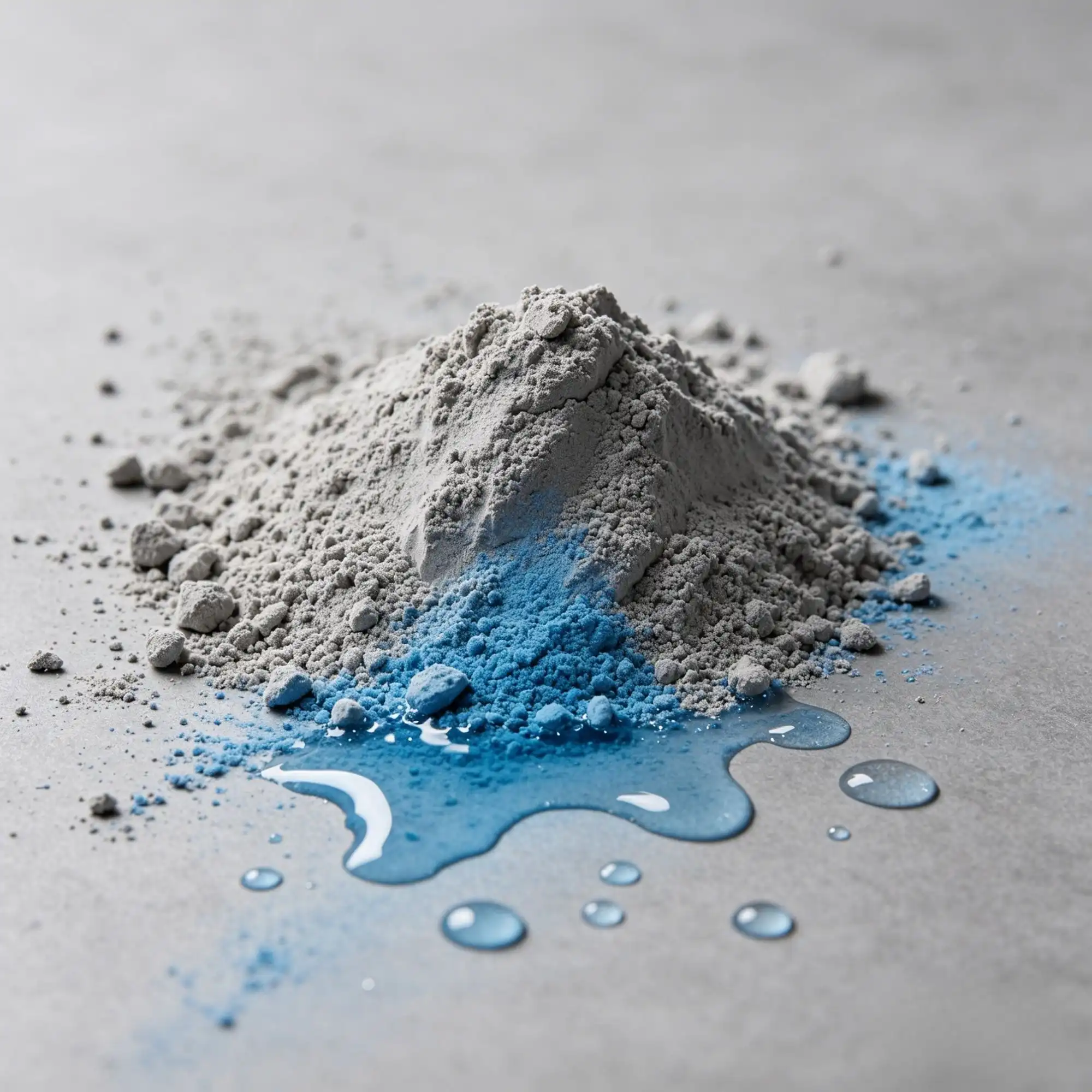
Understanding Gardenia Blue Properties, Uses, and Safety
In the past, natural blue pigments have been hard to find in the food business. This makes Gardenia Blue an excellent choice for plant-based producers. The seeds of the Asian annual flowering plant Gardenia jasminoides Ellis are used to make this colorant. A complex, multi-step process is used to make the pigment. Enzymatic hydrolysis turns geniposide from gardenia fruit into genipin. Genipin then goes through controlled fermentation and polymerization with amino acids to make the stable blue chemical.
Chemical Properties and Formulation Advantages
As a fine powder, Gardenia Blue pigment is a dark blue color that dissolves very easily. It mixes fully with water, watery ethanol, and propylene glycol solutions, but it doesn't mix with organic solvents. This water-loving property makes it easier to incorporate into drinking systems, dairy replacements, and sweets. The color doesn't absorb much water, doesn't smell, and has a neutral taste. These are all important qualities to look for when making sensitive goods like plant-based yogurts or protein drinks, where off-flavors can make people not want to buy them.
Technical specs from reliable sources usually fall between E30 and E200. The E-value tells you how intense the color is when tested at 590nm wavelength. Standardization makes it possible for formulation engineers to figure out exact dosing rates, which are usually between 0.01% and 0.1%. This saves money while still getting the color depth they want.
pH and Thermal Stability Profile
Gardenia Blue is very stable across a wide pH range, from 4.0 to 8.0, which is one of its best qualities. Anthocyanin-based blues change from blue to purple or red when they are mixed with acid, but this pigment stays the same color in all of those situations. Even after being heated at 120°C for an hour, the color stays the same, so it can be used in baked goods, boiled sweets, and the scalding process. This resistance to heat solves a long-standing problem with spirulina-based blues that break down above 60°C.
The color sticks to proteins better than it does to starches, which is good for high-protein plant-based meat replacements and protein shake recipes. Metal elements like calcium, magnesium, and aluminum don't have much of an effect on color performance. However, acidic conditions can make the blue color stronger, which is something that formulators can use to make their products stand out.
Regulatory Compliance and Safety Standards
In Asia, Gardenia Blue is widely accepted by regulators in places like China (GB norms), Japan, and Korea, where it has been used safely for decades. Good companies like Yangge Biotech make this colorant under GMP conditions and have ISO, HACCP, Kosher, and Halal standards. This makes it possible to track the product from where the Gardenia fruit comes from to where it is used.
Toxicological studies back up its safety rating when used in the amounts that are advised. However, buying teams that want to sell in the EU and US should be aware that the current rules are different; Gardenia Blue is mostly allowed for use in Asian markets and certain situations. Checking with the local government is still necessary before making Western sell goods.
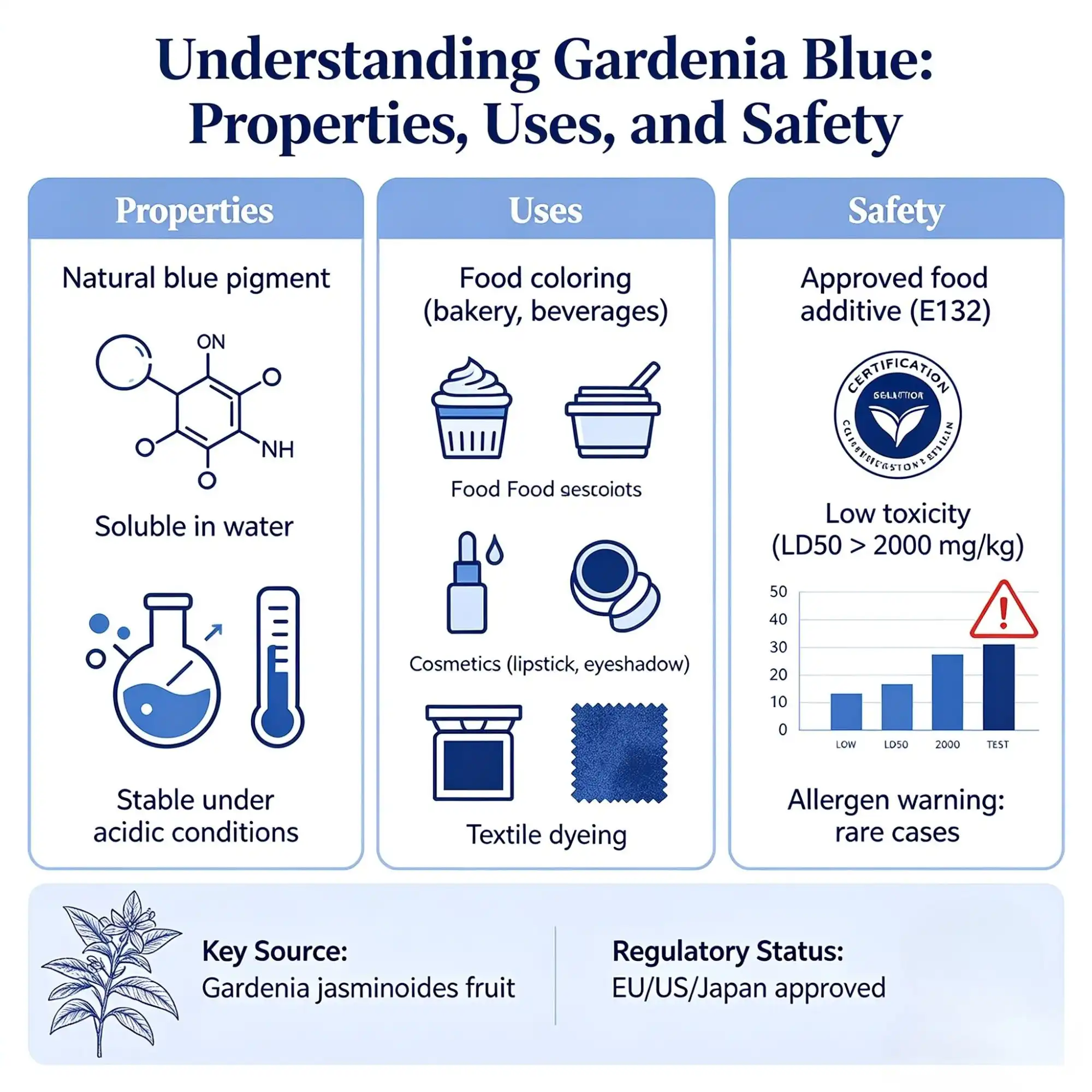
Comparative Analysis Gardenia Blue vs Other Natural and Synthetic Blue Colorants
To find the best blue colorant, you need to carefully consider how it will work, how much it will cost, and your market positioning goals. Each choice has different pros and cons that affect how well the recipe works and how the buying strategy is used.
Natural Blue Alternatives: Spirulina and Butterfly Pea Flower
The phycocyanin in spirulina extract gives it a strong cyan-blue color that appeals to health-conscious customers because it is thought to be a superfood. But this pigment has some major problems: it doesn't hold up well to heat above 60°C, it's sensitive to light, and its color changes depending on the pH. Production managers who work with retort processing or long-lasting goods often have problems with spirulina dissolving, which means they have to use too much, which wastes money.
Butterfly pea flower extract is a beautiful blue color when the pH level is normal to slightly alkaline. Below pH 6.0, it changes greatly to purple or pink. Because it is so sensitive to pH, it can only be used in visually interesting drinks where color change is a wanted effect and not a formulation problem.
Gardenia Blue gets around all of these problems. It can be processed at high temperatures and has a pH range of 4.0 to 8.0, so it can be used in acidic drinks, neutral dairy replacements, and alkaline noodles without losing its color. This flexibility means that it can be used in more situations and doesn't need to be changed as much across product lines.
Synthetic Blue Dyes: FD&C Blue No. 1 and No. 2
Synthetic colorants, such as Brilliant Blue FCF (Blue No. 1) and Indigo Carmine (Blue No. 2), give colors that are more intense, last longer, and cost less than natural ones. The dosage rates are very low, the shelf life is almost infinite, and there is complete stability from batch to batch. Because of these qualities, they are still commonly used in traditional food making.
The competitive drawback is how customers see the business. Market study shows that claims of clean labels are what make people buy in the plant-based market, where people carefully read ingredient panels. People who want natural, lightly processed foods immediately reject foods with synthetic colors. For brands that are aimed at high-end or health-conscious customers, manmade colorants don't work with their value offerings.
Gardenia Blue fills this void. Even though the costs of raw materials are higher than those of synthetic options, the clean-label stance supports premium price strategies that cover the costs of ingredients. Brands can honestly say that all of their ingredients are plant-based, which helps them stand out in the market and build trust with customers.
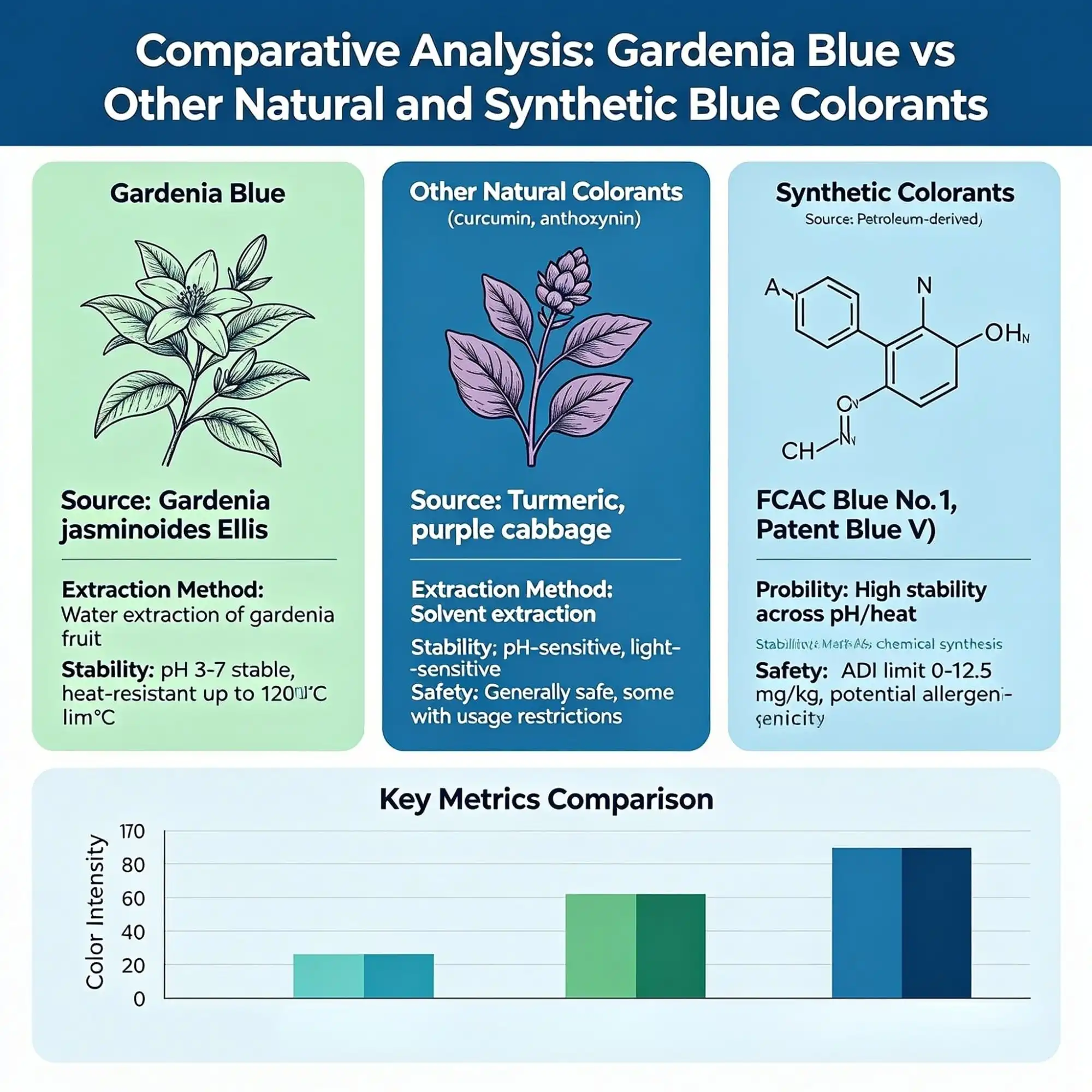
Procurement Guide for Gardenia Blue How to Source and Purchase Efficiently
In order to successfully purchase natural colorants, suppliers must be carefully evaluated in ways that go beyond price comparison. Long-term recipe success and brand protection depend on quality assurance, following the rules, and a reliable supply chain.
Supplier Certification and Quality Control
Gardenia Blue producers with a good reputation keep a lot of food safety standards, such as ISO 9001 for quality management, ISO 22000 or FSSC 22000 for food safety management systems, and HACCP for hazard analysis methods. Halal and Kosher approvals make it easier for goods that are aimed at certain groups of people to reach more customers. Yangge Biotech is a good example of this strict certification because they run GMP-compliant production sites that can be tracked from where the raw materials come from to when the final product is released.
Look closely at the procedures for analytical tests in addition to licenses. Ask for Certificates of Analysis that show they meet the heavy metal levels set by GB 28311-2012, especially lead below 3.0 mg/kg and arsenic below 2.0 mg/kg. Microbiological tests should show that the total plate counts are less than 1,000 CFU/g and that bacteria like Salmonella and E. coli are not present. Geniposide residue study using HPLC confirms that the enzymes did their job; too many residues show poor processing, which leads to bitter tastes and regulatory issues.
Understanding Pricing Structures and MOQ Requirements
Gardenia Blue's prices depend on a number of factors, including the E-value specification, the order amount, the type of packing, and the logistics of shipping. Higher E-values (E100, E200) cost more because they are more concentrated, but they cost less overall because they need to be used in smaller amounts. Minimum order amounts are usually between 25 and 100 kilos. This makes production efficient while still being easy for customers to access. When buyers negotiate annual contracts in bulk, they can often get better prices and first choice during times of high demand.
Instead of focusing on per-kilogram price, do a cost-in-use study. Gardenia Blue is more expensive than spirulina as a raw material, but because it is more stable, there is no need to overdose to make up for processing losses. This often means that the total cost of making the supplement is cheaper.
Selecting Procurement Channels
B2B sites make it easy to find suppliers, but they also take more research. Check the company's permits, ask for facility audit records, and make sure that samples are tested before buying in bulk. Direct connections with manufacturers have benefits like technical help, the ability to make changes to specifications, and clear visibility into the supply chain. Going to trade shows and conferences in your field, like the Natural Products Expo, Food Ingredients conferences, and plant extract trade shows, lets you see suppliers in person and build relationships.
Logistics effectiveness is affected by factors related to the region. Asian suppliers are close to raw materials and have a lot of experience making things. On the other hand, it usually takes 3–4 weeks for ocean freight to get goods to North American markets. Shipping by air cuts the time it takes to send to 7–10 days, but it costs a lot more. Production doesn't stop when stocking cycles are planned around wait times.
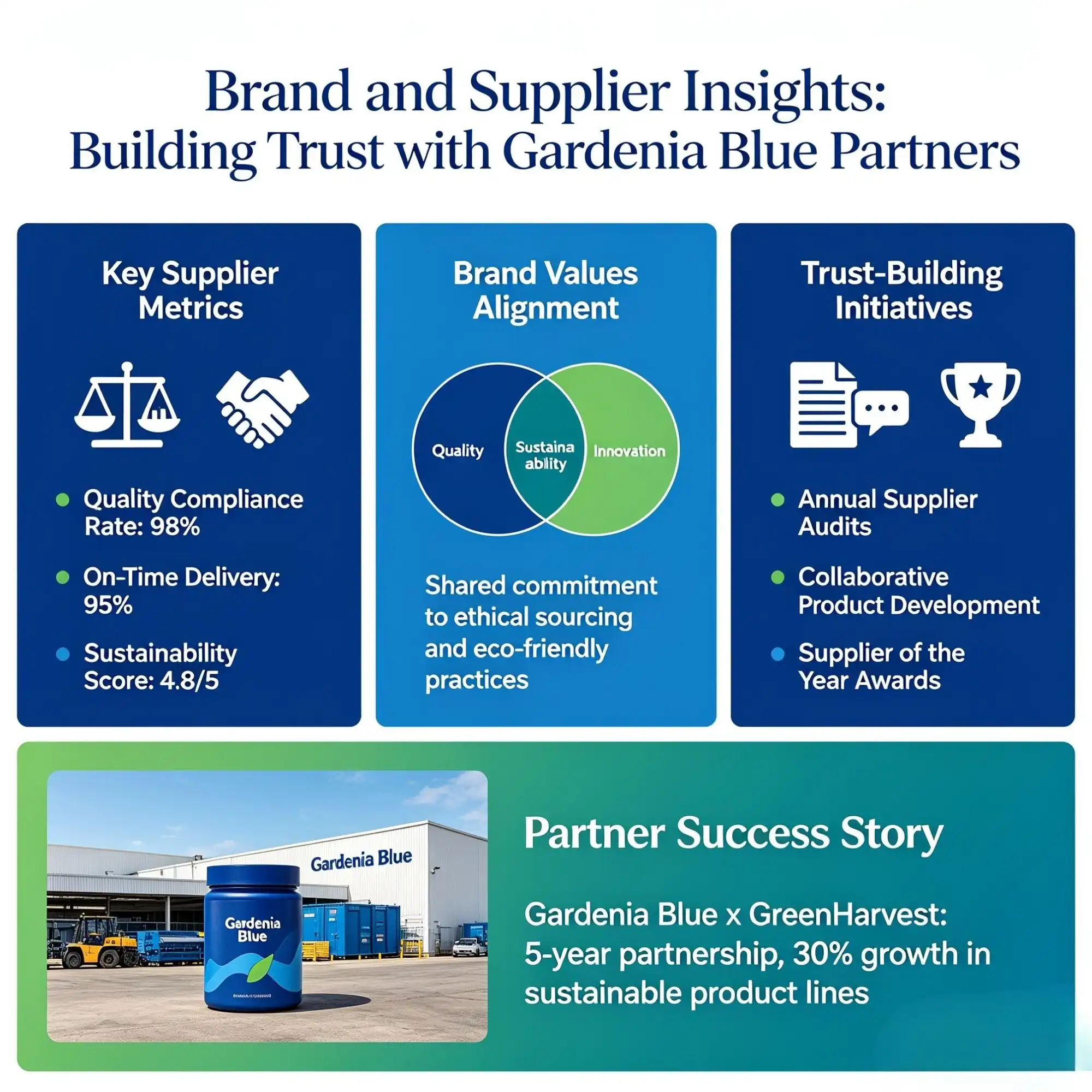
Brand and Supplier Insights Building Trust with Gardenia Blue Partners
Long-term relationships with suppliers offer strategic benefits that go beyond just buying things. Working together with partners who are highly skilled leads to new formulations, smooth regulatory passage, and consistent quality assurance.
Evaluating Supplier Technical Capabilities
Formulation success rates are higher when suppliers offer full expert help. Ask for application instructions that list the best dosage amounts for various food matrixes, pH compatibility charts, and data from stability tests conducted under rapid aging conditions. Maintaining R&D teams at suppliers can help with formulation problems like how colors such as Gardenia Blue react with other ingredients, how to make processing parameters work better, and how to make products last longer on the shelf.
Yangge Biotech's dedication to ecology is another thing that sets it apart. Their farm-to-table tracking approach makes sure that the food comes from ethical sources and helps farming communities. Adopting renewable energy and getting environmental certifications are in line with business social responsibility goals that are becoming more important in supplier scorecards.
Audit and Compliance Verification
Requesting audit records from a third party gives you an unbiased look at the factory standards. Look for exams that were done within the last 12 months by reputable certification groups. Review the corrective actions that were taken in response to earlier results, which shows a mindset of continuous improvement. Checking with past customers who have used similar applications can give you useful information about how to improve contact, shipping reliability, and quality consistency.
Mechanisms for stopping counterfeiting are especially important when getting goods from wholesalers. Risks of adulteration are lower when there are authorized dealer networks with clear records of supply chain control. Batch tracking systems that make it possible to track back to individual lots of raw materials help with quality reviews and being ready for recalls.
Cultivating Strategic Partnerships
Both you and your sellers will benefit from seeing them as strategic partners instead of just vendors of goods. Sharing roadmaps for product development helps suppliers predict how many units will be needed and decide whether to spend in expanding their facilities. Working together on innovation projects, like making acid-stable versions or looking into microencapsulation, can give you unique benefits. Regular contact during normal operations builds relationships that come in handy when supplies are cut off or projects need to be finished quickly.
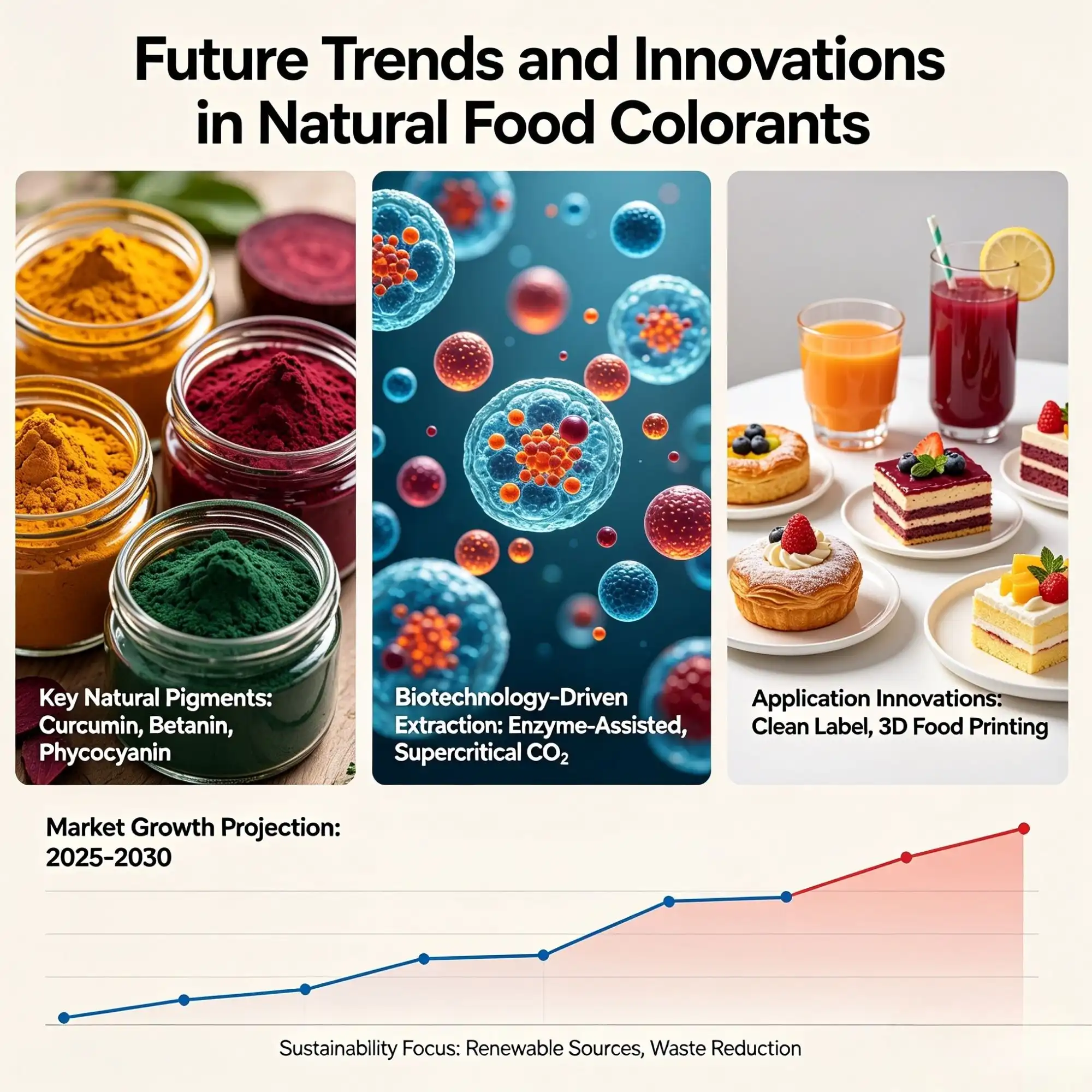
Future Trends and Innovations in Natural Food Colorants
Changes in regulations, new technologies, and changing customer standards are all speeding up the process of natural colorant development. Keeping up with new trends helps buying teams take advantage of chances while lowering risks.
Clean-Label Demand and Regulatory Tightening
The need for well-known plant-based products doesn't seem to be going away. Analysts predict that natural colorant groups will continue to grow by more than 10% each year until 2028, with plant-based food categories showing the most strong growth. At the same time, governments around the world are paying more attention to manmade colors. In Europe, the use of synthetic colorants is becoming more limited. In North America, on the other hand, user groups are pushing brands to use natural options. This path for regulations is good for natural colors like Gardenia Blue. When companies buy natural colorant stocks now, they protect themselves against having to change their recipes in the future and take market share from companies that use fake ingredients.
Technological Innovations Enhancing Performance
New methods for extraction and stability get around the problems that natural colorants have had in the past. Microencapsulation methods keep delicate colors from breaking down due to oxygen and light, which greatly increases their shelf life. Innovations in spray drying make powders that are easier to mix and flow. Enzymatic streamlining in the production of Gardenia Blue raises yield efficiency and lowers cost pressures.
Synergistic mixing is a new area of research. Gardenia Blue mixed with natural yellow pigments makes steady green colors, which are especially useful since heat-stable natural greens are hard to come by. Formulators can use a wider range of colors with these mixed systems while still keeping their clean-label standards.
Strategic Procurement Implications
A buying strategy that looks to the future includes a number of different parts. Spreading out your supplier groups across different areas lowers the risk of concentration while keeping the competition high. Setting up quality deals with clear requirements stops confusion and speeds up the settlement of problems. Keeping extra supplies of important colorants on hand guards against supply problems without requiring too much working capital.
By working with providers' innovation pipelines, you can get next-generation options early. Being a part of beta testing programs for stable versions or new ways of applying can help you stand out from the competition. By keeping an eye on patent filings and university study papers, new technologies can be found before they become widely available.
Conclusion
Natural colorants have gone from being special products to being essential for making plant-based foods. Gardenia Blue is one of the best blue pigments because it is very stable at high temperatures and pH levels, looks good on clean labels, and can be used in a lot of different ways. A successful buying process includes more than just negotiating prices. It also includes checking the supplier's certification, evaluating their professional skills, and building strategic partnerships. As rules change and people become more interested in natural chemicals, brands that invest in natural colorants like Gardenia Blue will be able to stay ahead of the competition. The plant-based food change will continue to move forward as long as creative formulators and quality-focused suppliers work together.
Partner with a Trusted Gardenia Blue Supplier
Yangge Biotech is an expert at providing high-quality natural plant products that are backed by a wide range of standards, such as ISO, HACCP, Kosher, and Halal. Our Gardenia Blue pigment is made under strict GMP guidelines and has a stable E-value range of E30 to E200. It also comes with full traceability paperwork and expert support to help you with your formulation journey. We keep long-term links with farming groups to make sure that our products are made in an ethical and environmentally friendly way. Contact our team at info@yanggebiotech.com to get samples, discuss technical specifications, or explore how our natural colorant solutions can help your plant-based goods stand out in a crowded market.
FAQ
Q: Can we get some samples to test before purchasing?
A: Of course, we can provide free samples of 20 to 100 grams, but the shipping cost is at the customer's expense. The shipping cost can be deducted from the next order, or the samples can be sent through your courier account.
Q: Do your products have relevant certifications?
A: Yes, our products are certified for HALAL, ISO, HACCP, Kosher, and other certifications.
Q: What is the minimum order quantity (MOQ)?
A: Small batches of samples can be customized according to your requirements.
Q: Do you offer OEM and ODM services? Can the formula be customized based on our own?
A: Of course, we provide ODM and OEM services to many customers. Our product range includes softgels, capsules, tablets, sachets, granules, and private label services. Simply contact us and let us know your requirements. Our experienced R&D team can also develop new products with specific formulas.
Please contact us to design your own branded products.
Q: How do you handle quality complaints?
A: First, we have a comprehensive quality control SOP. We provide authoritative third-party inspection reports for almost all products before shipment to minimize the possibility of quality issues. Second, we have a comprehensive return and exchange procedure. If there is a genuine quality dispute, we will strictly follow the SOP.
Q: How do you ship? How long does delivery take?
A: For small orders, we typically use DHL, UPS, EMS, FedEx, or TNT. Delivery typically takes 3-7 days. We also offer air and sea freight services. We have a strong freight forwarding team and can provide you with a one-stop service, including DDP and DDU.
Q: What are your payment terms?
A: 100% prepayment, payable by T/T, Western Union, MoneyGram, or PayPal.
Q: What is the shelf life of your products?
A: 2 years with proper storage.
References
1. Rodriguez-Amaya, D. B. (2019). Natural Food Pigments and Colorants. Current Opinion in Food Science, 7, 20-26.
2. Sigurdson, G. T., Tang, P., & Giusti, M. M. (2017). Natural Colorants: Food Colorants from Natural Sources. Annual Review of Food Science and Technology, 8, 261-280.
3. Downham, A., & Collins, P. (2000). Coloring Our Foods in the Last and Next Millennium. International Journal of Food Science & Technology, 35(1), 5-22.
4. Newsome, A. G., Culver, C. A., & van Breemen, R. B. (2014). Nature's Palette: The Search for Natural Blue Colorants. Journal of Agricultural and Food Chemistry, 62(28), 6498-6511.
5. Martins, N., Roriz, C. L., Morales, P., Barros, L., & Ferreira, I. C. (2016). Food Colorants: Challenges, Opportunities and Current Desires of Agro-Industries to Ensure Consumer Expectations and Regulatory Practices. Trends in Food Science & Technology, 52, 1-15.
6. Carocho, M., Morales, P., & Ferreira, I. C. (2015). Natural Food Additives: Quo Vadis? Trends in Food Science & Technology, 45(2), 284-295.

Based on your location and order quantity, you will have the opportunity to receive a limited time free shipping promotion!
Who we are
Popular Blogs