Stability of high-purity oat beta glucan in beverages
Yangge Biotech supplies high-quality Oat Beta Glucan Powder, extracted from premium oats using advanced processing technology to preserve its naturally occurring beta-glucan content and functional properties. Rich in soluble dietary fiber, our oat beta glucan powder is widely used in dietary supplements, functional foods, beverages, meal replacement products, dairy alternatives, and nutritional formulations. It offers excellent water solubility, viscosity, and formulation stability, making it an ideal ingredient for health-focused products.
Manufactured under strict quality control standards, Yangge Biotech's Oat Beta Glucan Powder provides consistent purity, reliable performance, and batch-to-batch quality. We offer bulk supply, customized beta-glucan specifications, OEM packaging, and comprehensive technical support to meet the needs of food, beverage, and nutraceutical manufacturers worldwide.
Contact us at our email info@yanggebiotech.com to request a quotation, Certificate of Analysis (COA), product specifications, third-party test reports, or a free sample.
High-purity oat beta glucan, particularly formulations containing Oat beta glucan 70%-80% content, has emerged as a premium functional ingredient transforming the beverage industry. This water-soluble dietary fiber derived from Avena sativa L. delivers exceptional cardiovascular and metabolic health benefits while presenting unique formulation challenges. Our experience shows that achieving long-term stability in beverage applications requires careful attention to molecular characteristics, processing conditions, and ingredient interactions. Quality-conscious procurement professionals recognize that sourcing from reputable suppliers with rigorous quality controls directly impacts the final product's performance and shelf stability.
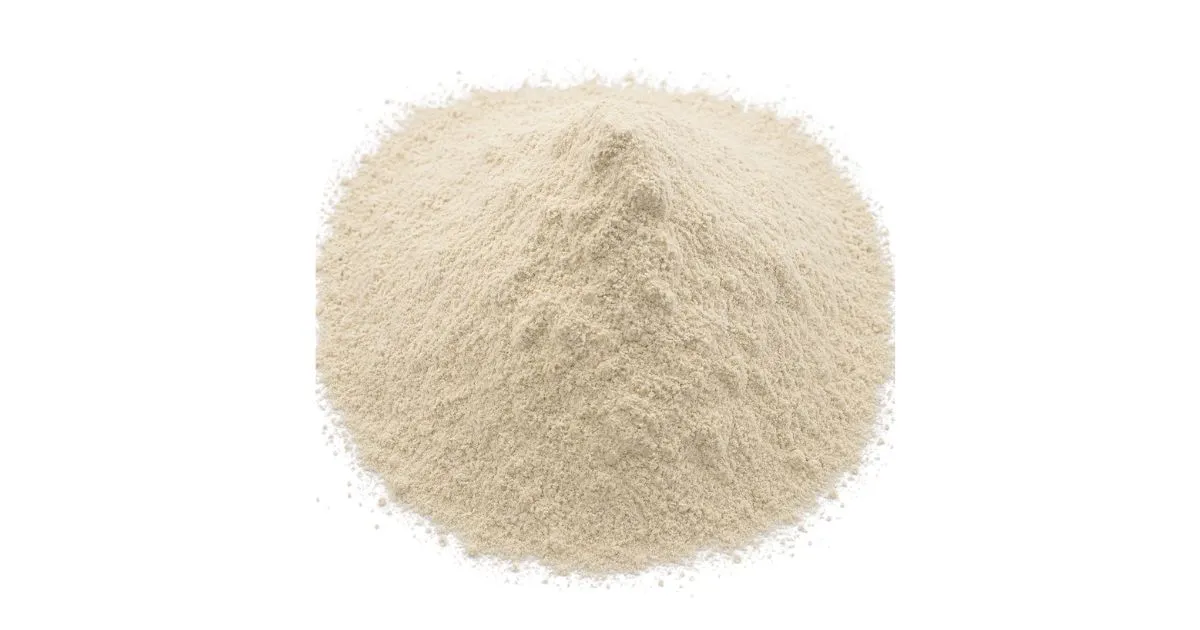
Understanding the Stability Challenges of High-Purity Oat Beta Glucan in Beverages
When beverage formulators try to add Oat beta glucan 70%-80% to their goods, they always run into problems. The main problem is that the ingredient has a very complex chemical structure, with long strings of D-glucose units linked by beta-(1,3) and beta-(1,4) glycosidic bonds. This special structure makes strong water-binding qualities that are good for your health but can drastically change the feel and look of drinks while they are stored.
Molecular Weight and Solubility Concerns
Beta-glucan's molecular weight range, which is usually between 100 kDa and 2,000 kDa, has a big effect on how the ingredient acts in liquid mixtures. Higher molecular weight parts make drinks thick and gel-like, which can cause them to separate or settle over time. Lower molecular weight versions are easier to dissolve, but they might lose some of the cholesterol-lowering power that makes this ingredient so valuable.
Environmental Stress Factors
Changes in temperature during processing and distribution pose big risks to stability. When drinks with beta-glucan are heated, like when they are pasteurised or sterilised using ultrahigh temperature (UHT), the polysaccharide chains can break down or stick together. Changes in pH are another problem. Acidic drinks, which make up most of the functional drink market, can break down glycosidic bonds, which can lower the molecular weight and change the way the drink flows. When the mixture is homogenised or bottled, mechanical shear forces put more stress on the beta-glucan structure.
Ingredient Incompatibilities
Beta-glucan reacts in strange ways with other parts of a product. Fruit extracts, citric acid, and ascorbic acid can speed up the breakdown of molecules. When simple sugars compete for water binding, the texture can change. In some pH ranges, preservatives like sodium benzoate can cause precipitation. These complicated interactions often cause viscosity drift, cloudiness, or unexpected changes in mouthfeel that make it harder for customers to accept the product and cost makers more to re-formulate it.
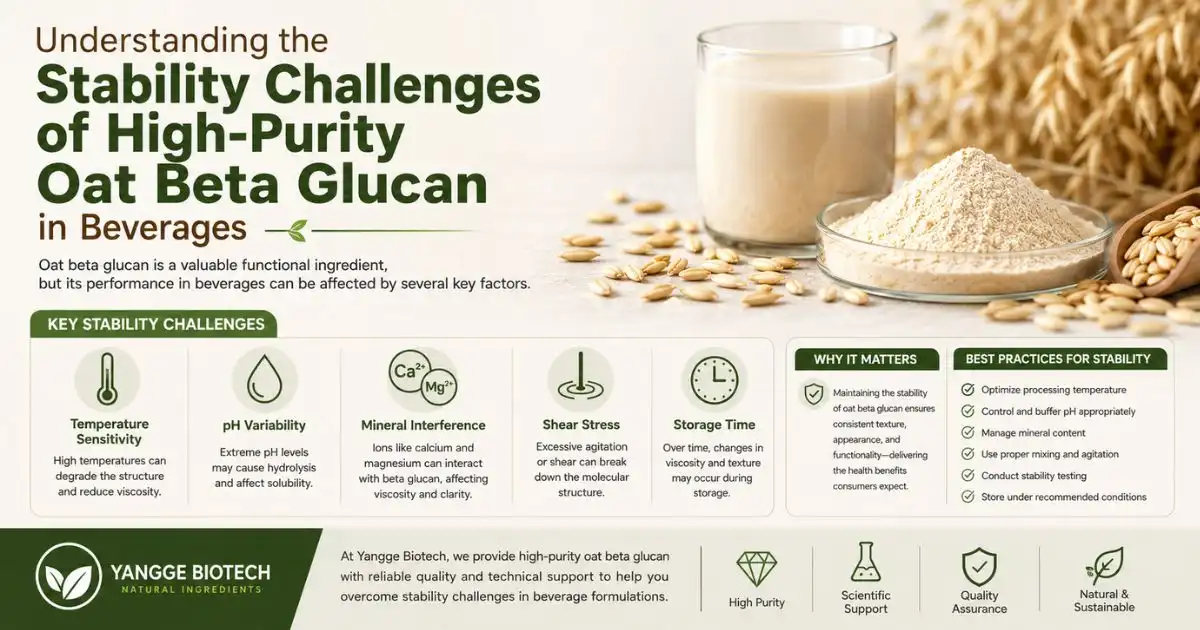
Analysis of Core Factors Affecting Oat Beta Glucan Stability in Beverages
Knowing what causes results of stability helps people make smart choices about what to buy and how to formulate strategies. A lot of linked things affect whether or not a drink with Oat beta glucan 70%-80% keeps its beneficial qualities over time.
Purity Level Impact: 70% vs. 80% Specifications
There is more to the difference between 70% and 80% purity standards than just concentration. Materials with higher quality levels have fewer additives like starches, proteins, and phytic acids that can make storage cloudy and give foods an off taste. The results of our tests show that 80% purity fractions keep the clarity of neutral pH drinks better than 70% variants. On the other hand, 70% specs might be cheaper for dark drink systems where clarity is not as important.
| Purity Level | Solubility Profile | Viscosity Stability | Cost Efficiency |
|---|---|---|---|
| 70% | Moderate; requires vigorous mixing | Good in neutral pH; variable in acidic | High volume pricing available |
| 80% | Excellent; rapid hydration | Superior across pH 3.5-7.0 | Premium positioning justified |
Extraction Method and Raw Material Origin
The type of oat used as a source and the method used for extraction have a big impact on how well the end item works. When compared to chemical or mechanical methods, enzyme-based extraction methods keep longer polysaccharide chains that have better functional properties. Oat beta glucan 70%-80% molecular weight distributions are more stable in oats grown in temperate climates with controlled farming methods. Yangge gets high-quality Avena sativa from trusted growers, so they can be sure that each batch is the same, which is important for buying teams.
Optimal Dosage Recommendations
Drink makers have to find a balance between making sure health claims are true and making sure drinks taste good. Researchers have found that getting 3 grams of beta-glucan every day is good for your heart. When it comes to drinks, good formulas usually have between 0.75 and 1.5% of 70% to 80% pure material in each serve. This concentration range gives a useful health position while keeping a good taste. When you go over 2%, you often get too much viscosity, which people don't like, especially in clear or lightly flavoured drinks.
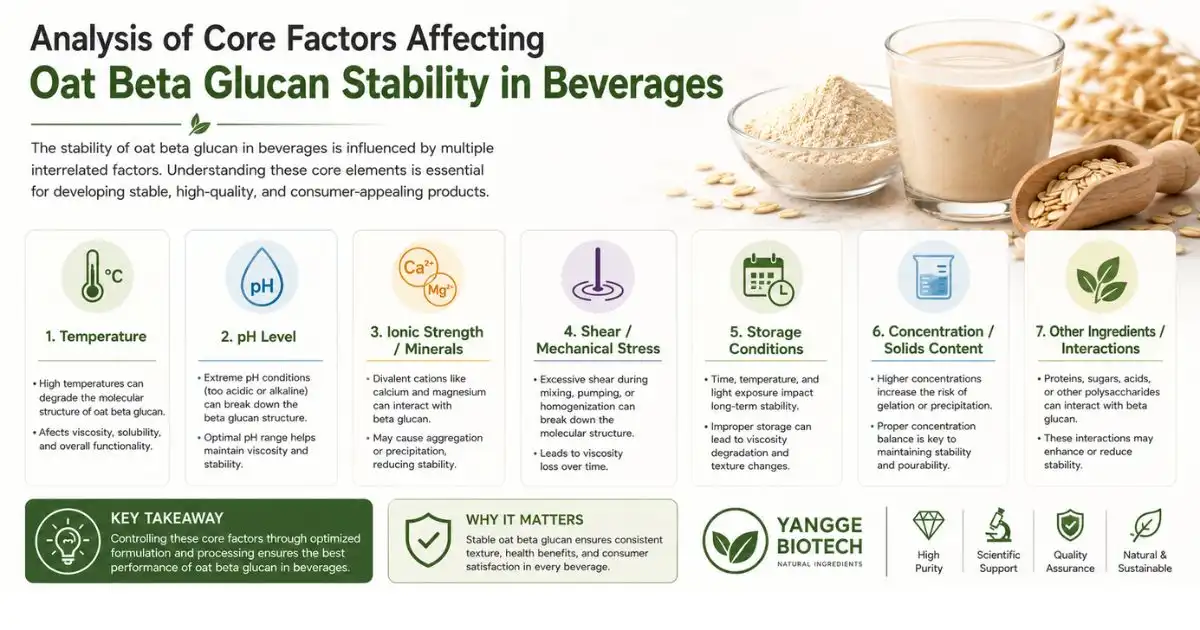
Effective Methods to Enhance Stability of Oat Beta Glucan in Beverage Formulations
To make a product commercially viable, you need to use tried-and-true stabilisation methods while it is being developed and made. We've found a few methods that regularly produce results that won't go bad when using Oat beta glucan 70%-80% in beverage applications.
Formulation Optimization Techniques
Using hydrocolloid mixes in a smart way makes beta-glucan much more stable. When you mix oat beta-glucan with small amounts of xanthan gum (0.05 to 0.15%) or guar gum, you get networks that work well together and don't settle. By creating protective matrices around beta-glucan molecules, pectin works especially well in fruit drinks that are already acidic. pH buffering systems, like sodium citrate or dipotassium phosphate, keep acidity levels in check so that things don't break down in water. Selecting the right thickener, like lecithin or modified starches, can help spread beta-glucan evenly in drinks with oils or fat-soluble vitamins.
Processing Technology Considerations
The order and intensity of processing steps have a big impact on how stable an ingredient is. Cold hydration methods, in which beta-glucan is mixed with room-temperature water before any other ingredients are added, let all the molecules relax and stop them from sticking together. High-speed blending breaks down molecules more quickly than gentle mixing with low-shear impellers. When heat treatment is needed, heating quickly to pasteurisation temperatures and then cooling right away keeps thermal damage to a minimum. High-pressure homogenisation at modest pressures (100–200 bar) can make things more stable by spreading out particles of the same size without breaking too many chains.
A major functional beverage maker that we work with used a two-stage soaking process to successfully stabilise their oat-based health drink. After letting the beta-glucan powder soak in water at 15°C for 45 minutes, it is slowly mixed into the drink base before a single-pass UHT treatment. This method keeps the viscosity within a 10% range over a 12-month period of storage at room temperature. Long-term security is also affected by the choice of packing materials. Light-resistant containers keep sensitive drink ingredients from turning brown, which could affect how beta-glucan works. Oxygen shield features are important, especially for drinks with vitamins or fruit flavours that break down and change the pH over time.
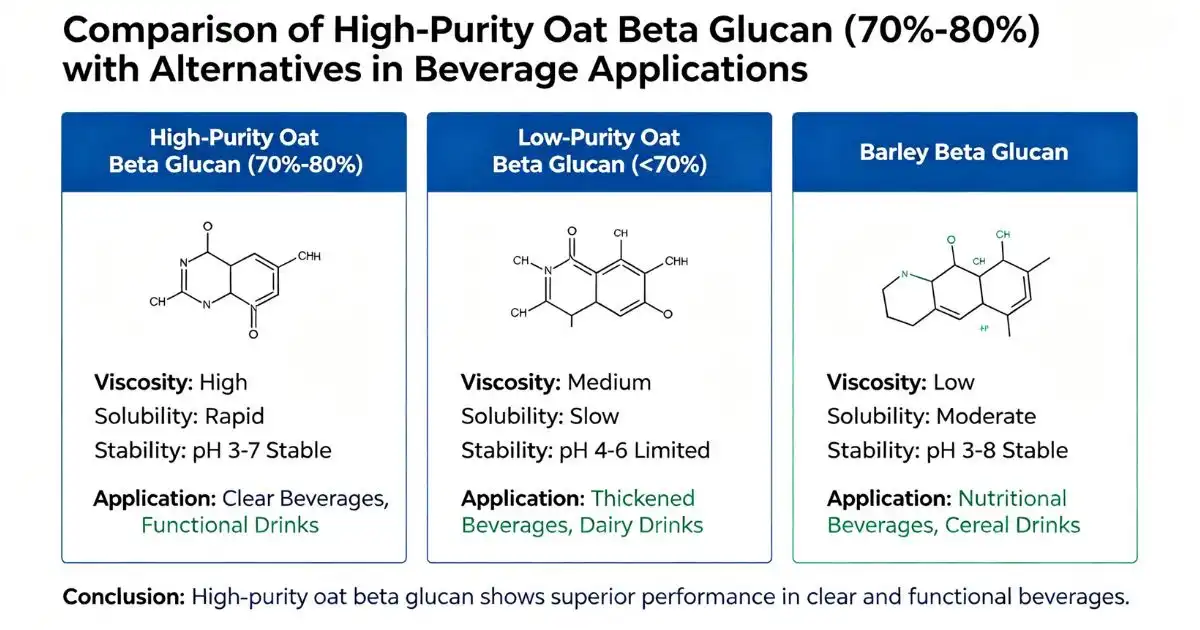
Comparing High-Purity Oat Beta Glucan (70%-80%) with Alternatives in Beverage Use
When purchasing professionals look at fibre ingredients for use in drinks, it's helpful to know how the different options compare in terms of performance. Taking a look at Oat beta glucan 70%-80% and other alternatives provides a clear perspective for procurement strategy.
Oat Beta-Glucan versus Barley Beta-Glucan
Beta-(1,3/1,4)-glucan is found in both grains and is known to be good for you, but there are some big differences. Material that comes from barley usually has more beta-(1,3) links, which makes the viscosity profiles a little different. Most of the time, oat sources are better at neutralising flavours, which is very important for drinks with light flavours. The way they are regulated is also different. For example, oat beta-glucan can make health claims in a number of places, but barley versions have trouble with gluten-related labelling issues even though they are processed to lower their gluten content.
| Fiber Source | Health Claims | Flavor Profile | Allergen Considerations |
|---|---|---|---|
| Oat Beta-Glucan 70%-80% | FDA/EFSA cardiovascular claims | Neutral, slightly sweet | Naturally gluten-free processing available |
| Barley Beta-Glucan | Similar cardiovascular benefits | Mild cereal notes | Gluten presence requires declaration |
| Wheat Dextrin | General fiber claim only | Very neutral | Contains gluten |
Organic versus Conventional Sourcing
The argument over organic certification isn't just about business. The price of organic oat beta-glucan is usually 20–30% higher than regular versions, but there are clear benefits to buying it. Certified organic supply lines make it easier to track products and meet the growing demand for openness from retailers. It becomes easier to test for pesticides and herbicides residues, which lowers the cost of quality control. Yangge keeps both normal and organically approved production lines running. This gives procurement teams options based on how they want to place their products in the market.
Procuring High-Quality Oat Beta Glucan 70%-80% for Stable Beverage Production
Comparing price quotes isn't the only thing that makes buying work well. For the production of stable beverages, obtaining high-quality Oat beta glucan 70%-80% requires a thorough assessment of the skills, quality systems, and technical support offered by suppliers.
Essential Supplier Qualifications
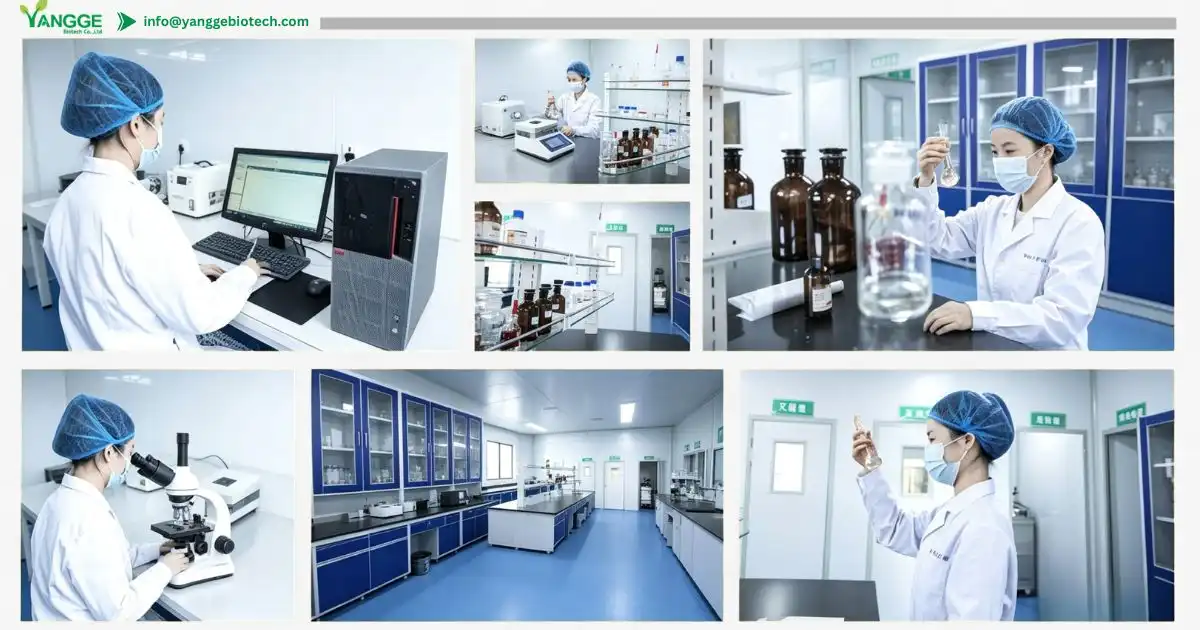
Manufacturers with a good reputation keep up-to-date certifications that show they care about quality and safety. Having ISO 9001 approval means that your quality control system is strong. HACCP compliance shows that you know how to control food safety risks. Kosher and Halal licenses make it easier to sell goods in a wider range of places. The most trusted providers go above and beyond what is required. For example, our facility regularly checks for PAH4 levels and confirms that benzopyrene stays below 10 ppb, which is higher than European Union standards even for markets where testing isn't required.
Quality Control Parameters
The McCleary Method, which is based on AOAC 995.16, is still the best way to measure beta-glucans. This enzymatic-spectrophotometric method measures the (1,3)(1,4)-beta-D-glucan fraction correctly while leaving out other polysaccharides. Specifications for buying things should include a Certificate of Analysis that proves this testing was done correctly. Molecular weight distribution study using HPLC or GPC gives information about how well something works. Rheological testing on standard fluids makes sure that each batch is the same. Heavy metals (lead, arsenic, cadmium, and mercury), microbiological factors, and pesticide residues are all covered in detail on safety panels that protect the brand's image.
Practical Procurement Strategies
Different suppliers have different minimum order amounts, but manufacturers who are flexible can meet growth goals. Yangge takes initial orders as small as 1 kg for recipe tests, and keeps a production store of 50–100 kg to make sure orders are filled quickly. Bulk pricing usually works in 25 kg increments, and discounts for buying more than 500 kg are meaningful. Terms of payment and the ability to handle logistics are very important. Suppliers who give technical documents in English, good communication, and knowledge of foreign shipping rules make the buying process easier. Having relationships with suppliers who can help with formulation is very valuable. We often work together with R&D teams, giving them advice on dosage, handling, and fixing problems. During procurement planning, you should think about how to store and move things. Oat beta-glucan 70%-80% keeps its best quality when kept in containers with tight lids, away from light and moisture, and at temperatures below 25°C. Packaging choices range from 1 kg aluminium foil bags to 25 kg fibre drums.
Conclusion
Oat beta glucan 70%-80% is a powerful tool for beverage innovators who want to add health benefits that have been proven to work without changing the stability or taste of the product. To be successful, you need to know the molecular factors that affect longevity, use the right formulation and processing methods, and work with suppliers who have strict quality standards. The purity range of 70% to 80% is the best mix of usefulness, cost-effectiveness, and legal acceptance for most beverage uses. When purchasing managers put source certifications, expert help, and regular quality control at the top of their list of priorities, their companies are better prepared for formulation success and long-term market competition.
FAQ
What is the ideal dosage range for beverages?
Most effective drink mixes have between 0.75 and 1.5% Oat beta glucan 70%-80% powder in each dose. With about 0.5 to 1.2 grams of pure beta-glucan per serving, this concentration gives you real health benefits while keeping the right viscosity and mouthfeel. When you go over 2%, you often run into visual problems that make people not want to buy it.
How does molecular weight affect stability?
Higher molecular weight beta-glucan (above 1,000 kDa) makes solutions that are thicker and better at binding cholesterol, but it has more trouble staying stable in acidic environments. Lower molecular weight fractions (200–600 kDa) are better at dissolving and staying stable in acidic environments while still having functional benefits. This makes them better for fruit-based or carbonated drinks.
Can oat beta-glucan withstand pasteurization?
Yes, drinks made with oat beta-glucan can go through standard pasteurisation (72°C for 15 seconds) and even UHT processing (135–140°C for 2–4 seconds) without losing a lot of their functionality. Rapid cycles of heating and cooling keep thermal degradation to a minimum. Pre-hydration protocols make heat more stable.
Partner with Yangge for Premium Oat Beta Glucan Supply
With approved, high-purity Oat beta glucan 70%-80% and a wealth of professional support, Yangge Biotech Co., Ltd. is ready to assist you with your beverage innovation initiatives. As a company that is ISO, HACCP, Kosher, and Halal approved, we provide traceable, non-GMO materials that meet the highest quality standards around the world. Our research and development team gives formulation advice that specifically addresses problems with stability in a wide range of beverage matrices.
We can meet the needs of both small and large businesses because our minimum orders start at just 1 kg and we keep a production inventory on hand to make sure orders are filled quickly. Our farm-to-table traceability systems and sustainable sourcing methods are in line with what consumers want now, and our reasonable prices show that we make our products efficiently without lowering the quality.Contact us or you can email our application experts at info@yanggebiotech.com to get scientific information, set up a review of a sample, or talk to a reliable oat beta glucan source about your specific beverage formulation needs.
References
1. Wood, P.J. (2010). "Review: Oat and Rye β-Glucan: Properties and Function." Cereal Chemistry, 87(4), 315-330.
2. Wolever, T.M., Tosh, S.M., Gibbs, A.L., et al. (2010). "Physicochemical Properties of Oat β-Glucan Influence its Ability to Reduce Serum LDL Cholesterol in Humans." American Journal of Clinical Nutrition, 92(4), 723-732.
3. Lazaridou, A. & Biliaderis, C.G. (2007). "Molecular Aspects of Cereal β-Glucan Functionality: Physical Properties, Technological Applications and Physiological Effects." Journal of Cereal Science, 46(2), 101-118.
4. Ahmad, A., Anjum, F.M., Zahoor, T., et al. (2012). "Beta Glucan: A Valuable Functional Ingredient in Foods." Critical Reviews in Food Science and Nutrition, 52(3), 201-212.
5. Johansson, L., Virkki, L., Maunu, S., et al. (2000). "Structural Characterization of Water-Soluble β-Glucan of Oat Bran." Carbohydrate Polymers, 42(2), 143-148.
6. Brennan, C.S. & Cleary, L.J. (2005). "The Potential Use of Cereal (1→3,1→4)-β-D-Glucans as Functional Food Ingredients." Journal of Cereal Science, 42(1), 1-13.

Based on your location and order quantity, you will have the opportunity to receive a limited time free shipping promotion!
Who we are
Popular Blogs