Natural Color Benefits of Blue Phycocyanin Powder for Drinks
Blue phycocyanin powder is more than a pigment it is a water-soluble, protein-rich active ingredient extracted from Arthrospira platensis (spirulina) that delivers both a stable cyan-blue hue and measurable antioxidant activity. For beverage formulators sourcing clean-label alternatives to synthetic dyes like Brilliant Blue FCF, this ingredient addresses color intensity, regulatory acceptance, and functional positioning in a single raw material. Understanding its technical properties is the first step toward confident procurement and successful product development. You can email our technical team at info@yanggebiotech.com or go to blog.yanggebiotech.com to get a sample, a COA, or bulk pricing right away.
What Is Blue Phycocyanin and Why It Matters for Drinks
The Pigment-Protein Complex Behind the Color
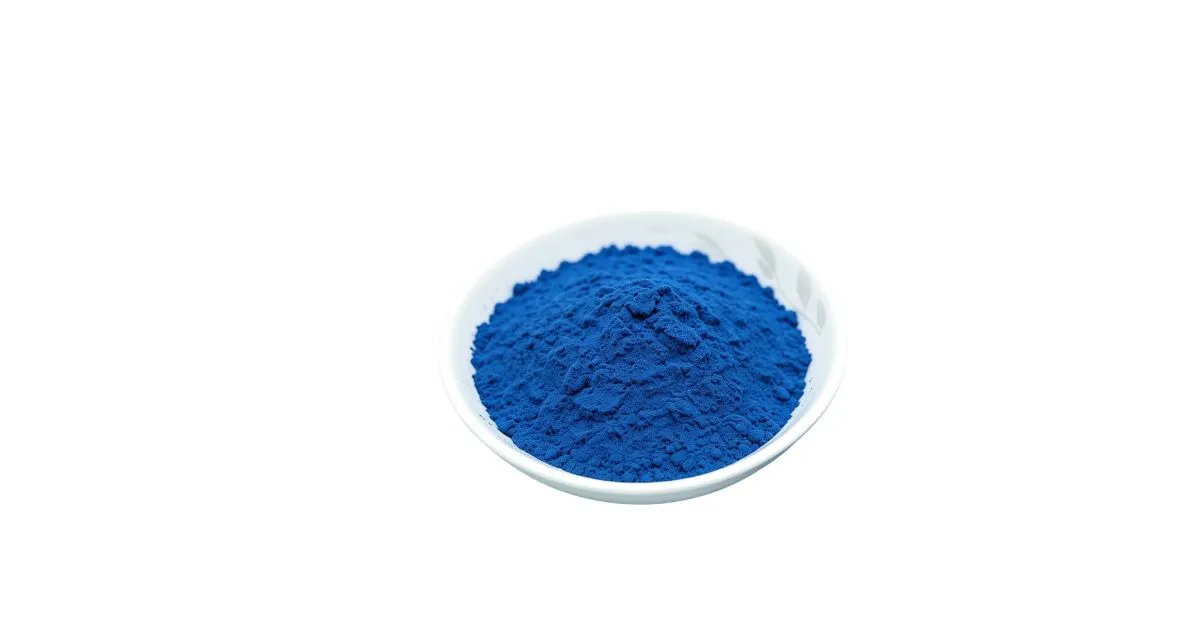
Phycobiliproteins are the family that C-phycocyanin is in. Its phycocyanobilin chromophore group absorbs light at 615–620 nm, giving it a unique sapphire-blue color. The molecule dissolves in water and is linked to proteins, so it spreads evenly in drinks like smoothies, functional waters, and quick drink mixes, without the need for emulsifiers or carriers.
FDA Regulatory Standing
The FDA lets spirulina extract be used as a color ingredient in some types of food (21 CFR 73.530). This means that phycocyanin is the only natural blue colorant that can be sold in the United States that meets this requirement. This regulatory clarity takes away a big obstacle for brands that want to switch formulas away from synthetic Blue No. 1.
pH and Heat Sensitivity in Beverage Formulation
Phycocyanin keeps its color best between pH 4.5 and pH 7.0. Below pH 4.0, the protein spreads out and the color becomes much less noticeable. Processing at temperatures above 60 °C also breaks down the structure of the chromophore. If you're making acidic juice bases or hot drinks, you should look at microencapsulated or spray-dried grades to keep the color stable as it goes through the production line.
| Beverage Type | Suitable pH Range | Recommended Grade |
|---|---|---|
| Functional water / still drinks | 5.5–7.0 | E18 or E25 powder |
| Smoothies / protein shakes | 5.0–6.5 | E18 powder |
| Acidic juice blends | 4.0–4.5 | Encapsulated form |
Health and Functional Benefits of Blue Phycocyanin in Drinks
Antioxidant Activity Backed by Research
Studies that have already been published show that blue phycocyanin gets rid of hydroxyl radicals and stops lipid breakdown. A study published in 2016 in the journal Food Chemistry found that pure C-Phycocyanin had an ORAC value of over 14,000 µmol TE/g, which is a lot higher than the ORAC values of many popular plant-based antioxidants. This means that phycocyanin isn't just a colorant; it's also a useful ingredient that backs up claims that end products are antioxidant-rich.
Immune and Anti-Inflammatory Positioning
According to data that has been reviewed by experts, phycocyanin changes inflammatory pathways by stopping the activity of the COX-2 enzyme. For companies making immune-supporting drinks or sports recovery drinks, this feature supports higher prices and sets the product apart from common natural colorants. Before making label claims, you have to make sure that you follow the structure/function claim guidelines in 21 CFR 101.93.
Cross-Category Versatility
The same phycocyanin ingredient is used in pills, tablets, sweets, and products that you put on your skin. This flexibility is important for supplement brands and CDMO makers who manage a shared inventory of raw materials across multiple SKUs (one confirmed ingredient, multiple product lines).
Comparing Blue Phycocyanin With Alternative Natural Colorants
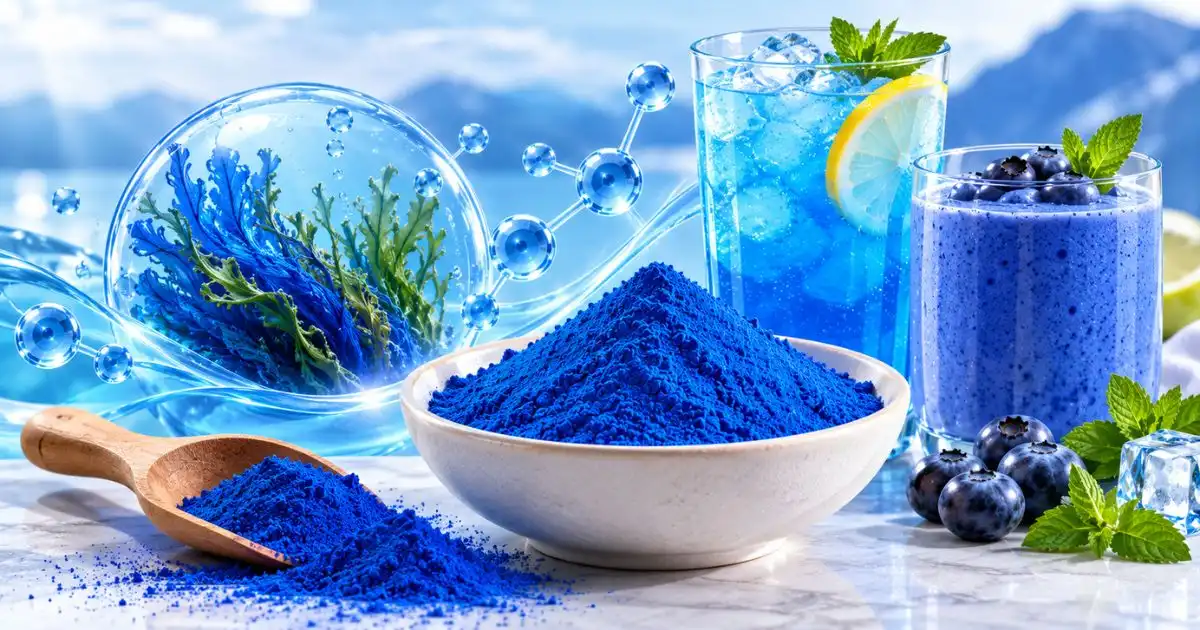
Choosing the right natural blue for your formulation requires comparing several practical dimensions. Here is how phycocyanin stacks up against the most common alternatives evaluated by R&D teams:
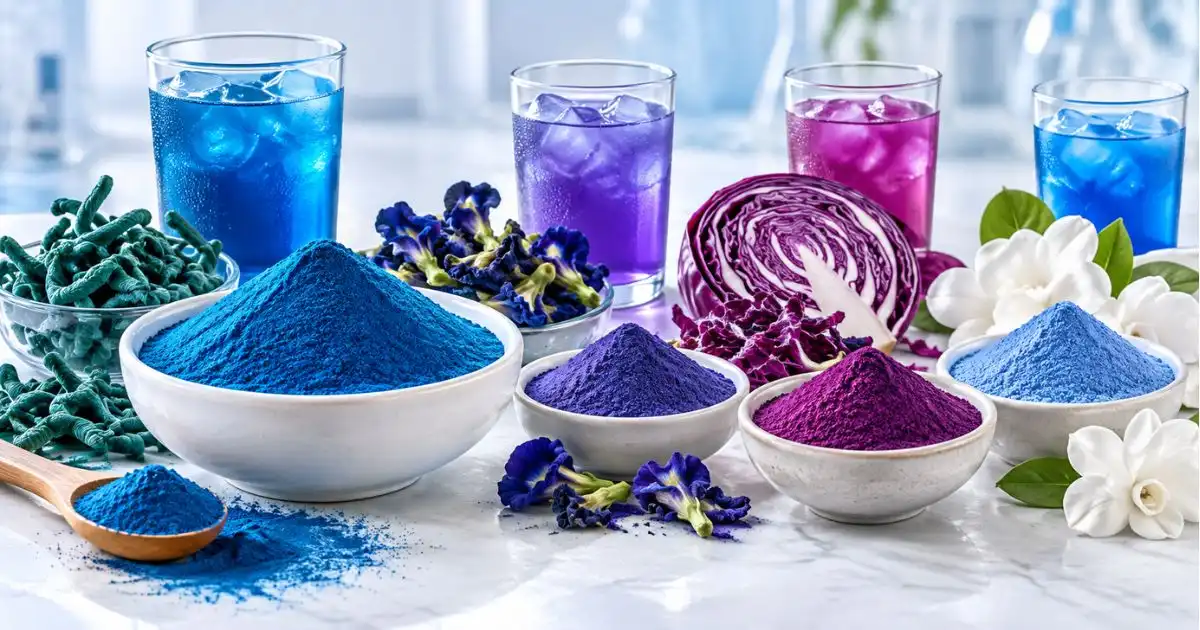
- Butterfly pea flower extract produces a vivid blue at neutral pH, but shifts to purple or pink below pH 4.5 a significant limitation for acidic beverages. It also lacks the protein-based antioxidant activity that phycocyanin carries.
- Chlorophyll / chlorophyllin delivers green tones rather than blue and has limited application where a true blue hue is needed. Its stability in acidic matrices is also lower than phycocyanin at equivalent pH.
- Gardenia blue holds regulatory approval in some Asian markets but has restricted or pending status in the US and EU, creating supply chain risk for global brands.
- Synthetic Brilliant Blue FCF (Blue 1) offers exceptional stability and low cost, but consumer rejection of synthetic dyes in clean-label products continues to grow—a trend that directly favors phycocyanin adoption.
These trade-offs clarify why blue phycocyanin has become the preferred specification for formulators building clean-label beverages in the North American market.
| Colorant | Natural Origin | US FDA Approved | pH Stability | Antioxidant Function |
|---|---|---|---|---|
| Blue Phycocyanin | Yes | Yes (21 CFR 73.530) | pH 4.5–7.0 | Yes |
| Butterfly Pea Flower | Yes | Limited | pH > 5.0 | Moderate |
| Gardenia Blue | Yes | No (US/EU) | Moderate | Low |
| Brilliant Blue FCF | No (synthetic) | Yes | Broad | None |
Practical Considerations: Extraction, Stability, and Storage
HPLC-Verified Extraction and Grading
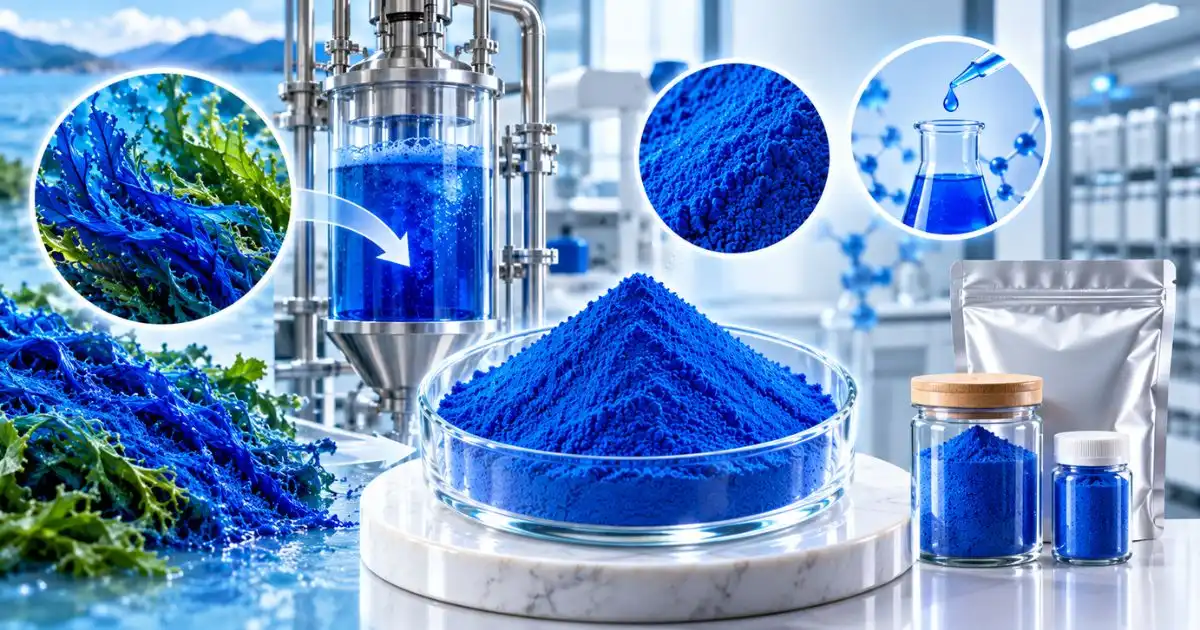
Yangge Biotech gets phycocyanin out of plants by purifying them with water and then checking them with HPLC. This is the way that purchasing teams and quality assurance managers believe the most to confirm the real phycocyanin percentage versus color value (E1%618nm). There are three standard grades to choose from:
- E10 — color value ≥ 100; general food coloring applications
- E18 — color value ≥ 180; 25% phycocyanin content; standard specification for nutraceutical and beverage use
- E25 — color value ≥ 250; higher-purity grade for precision dosing in supplements
Choosing the right grade at the design stage stops the usual problem of getting a colorant-grade product when a nutrition-grade product was needed.
Storage and Shelf-Life Best Practices
Phycocyanin powder should be kept in a dark, tightly sealed container below 25 °C and out of direct sunlight. When kept this way, the shelf life is 24 months. Even at stable temperatures, UV radiation speeds up the breakdown of chromophores, so the specifications of the packaging are just as important as the storage temperature.
Powder vs. Liquid Formulation Choice
Spray-dried powder, like what Yangge offers for blue phycocyanin, is the best form for making large amounts of drinks. It has less water activity, is more stable against microbes, and is easier to dose based on weight than liquid concentrates. The same powder goes straight into the matrix for gummy or tablet uses, without any extra steps of processing.
Procuring Blue Phycocyanin Powder: A Buyer's Guide for B2B Clients
To get a functional ingredient on a large enough scale for production, you need more than a good price per kilogram. If a raw material works in your operation or causes formulation delays, it depends on how consistent the batches are, how good the paperwork is, and how long the supply is steady.
Yangge Biotech's phycocyanin is Kosher and USP-grade approved, made according to GMP and HACCP standards, and ISO certified. The paperwork packages meet the quality standards in markets in North America, Europe, and Asia. One metric ton of E10, E18, and E25 grades is in stock right now, so wait times are short for both sample orders and full production runs.
Quick look at the most important procurement requirements:
- Active ingredient: Protein (phycocyanin), 100% water-soluble
- Phycocyanin content: 25% (E18); higher in E25
- Total protein content: 60–70%
- MOQ: 25 kg
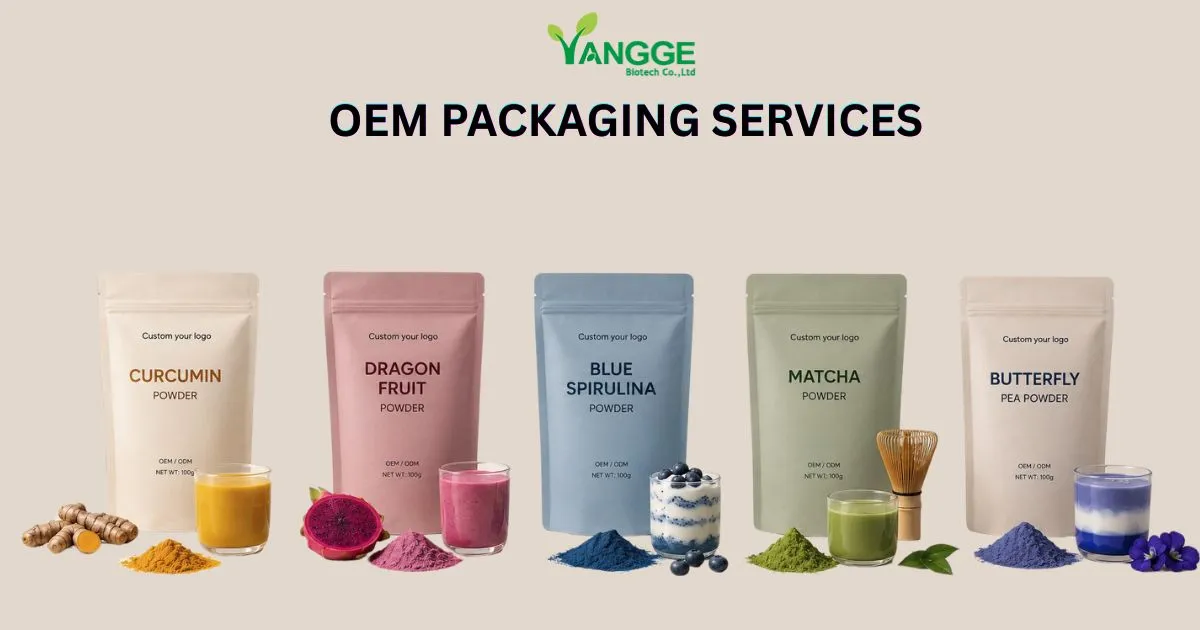
- OEM packaging: 60 g, 100 g, 8 oz bags available
- Shipping: DHL, FedEx, EMS, sea freight, or air freight
- Supported formats: Powder, capsules, tablets, gummies (OEM/ODM)
These specs let the R&D and purchasing teams agree on a single confirmed source that works with a variety of product formats, so they don't have to move suppliers in the middle of development.
Conclusion
Blue phycocyanin powder from spirulina gives drink makers a unique set of benefits: a natural blue color that is okay with regulators, measurable antioxidant activity, and good compatibility with a wide range of pH-neutral drink types. The technical case for using this ingredient is strong.
It has standardized grades E10, E18, and E25 that are checked by HPLC, a protein level of between 60 and 70%, and certificates from Kosher, USP, GMP, HACCP, and ISO. Two of the most common problems with getting ingredients are taken care of by batch accuracy and in-stock supply. If you are making functional drinks, vitamin mixes, or multi-format nutraceuticals, phycocyanin gives you a way to measure both color performance and label claims.
FAQ
What is the difference between E10, E18, and E25 phycocyanin grades?
The "E" value refers to the specific absorbance at 618 nm (E1%618nm). E10 indicates a color value ≥ 100, suitable for general food coloring. E18 specifies a color value ≥ 180 with 25% phycocyanin content—the standard for most beverage and nutraceutical applications. E25 carries a higher color value and purity, used where precise active-ingredient dosing is required.
How do I verify phycocyanin content in a bulk order?
Request HPLC analysis reports for each production batch. Spectrophotometric readings alone can overstate phycocyanin content if contaminant proteins absorb at similar wavelengths. Third-party laboratory verification against your supplier's COA is standard practice for QA confirmation before full production.
Is phycocyanin approved for use in US beverages?
Yes. Under 21 CFR 73.530, the FDA permits spirulina extract (which includes phycocyanin) as a color additive in specified food and beverage categories. Formulators should confirm the specific product category and intended label claim with their regulatory counsel before finalizing a formulation.
What is the minimum order quantity?
Yangge Biotech's MOQ is 25 kg. OEM private-label bags (60 g, 100 g, 8 oz) are available based on volume requirements.
Source a Trusted Blue Phycocyanin Supplier for Your Next Formulation
Yangge Biotech sells high-quality blue phycocyanin powder in grades E10, E18, and E25. They have HPLC batch reports, Kosher/USP certification, and 1 MT of stock on hand right now. Our team helps supplement and drink brands all over the world with OEM formats like capsules, tablets, gummies, and bulk powder. You can email our technical team at info@yanggebiotech.com or go to blog.yanggebiotech.com to get a sample, a COA, or bulk pricing right away.
References
1. Fernández-Rojas, B., Hernández-Juárez, J., & Pedraza-Chaverri, J. (2014). Nutraceutical properties of phycocyanin. Journal of Functional Foods, 11, 375–392.
2. Eriksen, N. T. (2008). Production of phycocyanin — a pigment with applications in biology, biotechnology, foods and medicine. Applied Microbiology and Biotechnology, 80(1), 1–14.
3. Romay, C., González, R., Ledón, N., Remirez, D., & Rimbau, V. (2003). C-Phycocyanin: A biliprotein with antioxidant, anti-inflammatory and neuroprotective effects. Current Protein and Peptide Science, 4(3), 207–216.
4. Spolaore, P., Joannis-Cassan, C., Duran, E., & Isambert, A. (2006). Commercial applications of microalgae. Journal of Bioscience and Bioengineering, 101(2), 87–96.
5. U.S. Food and Drug Administration. (2013). Color Additives Permitted for Use in Human Food — Spirulina Extract (21 CFR 73.530). Code of Federal Regulations, Title 21.
6. Sekar, S., & Chandramohan, M. (2008). Phycobiliproteins as a commodity: Trends in applied research, patents and commercialization. Journal of Applied Phycology, 20(2), 113–136.

Based on your location and order quantity, you will have the opportunity to receive a limited time free shipping promotion!
Who we are
Popular Blogs