Manufacturing process and purification of vegetable carbon
Vegetable carbon is a plant-derived black pigment produced through controlled carbonization of organic materials such as coconut shells and bamboo. The manufacturing process converts raw biomass into a fine, odorless black powder through pyrolysis, followed by purification steps that remove tars, residual metals, and ash. For food manufacturers and R&D teams sourcing E153-grade colorants, understanding how this material is made and how purity is verified directly shapes product safety, label compliance, and batch consistency. angge Biotech supplies high-quality Vegetable Carbon Black Powder (E153), a natural black food colorant derived from bamboo and suitable for food and beverage applications where permitted. Our Vegetable Carbon Black Powder is manufactured under strict quality control and is available with technical documentation, COA, and testing support to help meet different customer requirements. We also offer bulk supply, OEM packaging, and customized solutions for global food manufacturers and brands. Contact Yangge Biotech today for samples, pricing, specifications, or OEM services, Email: info@yanggebiotech.com.
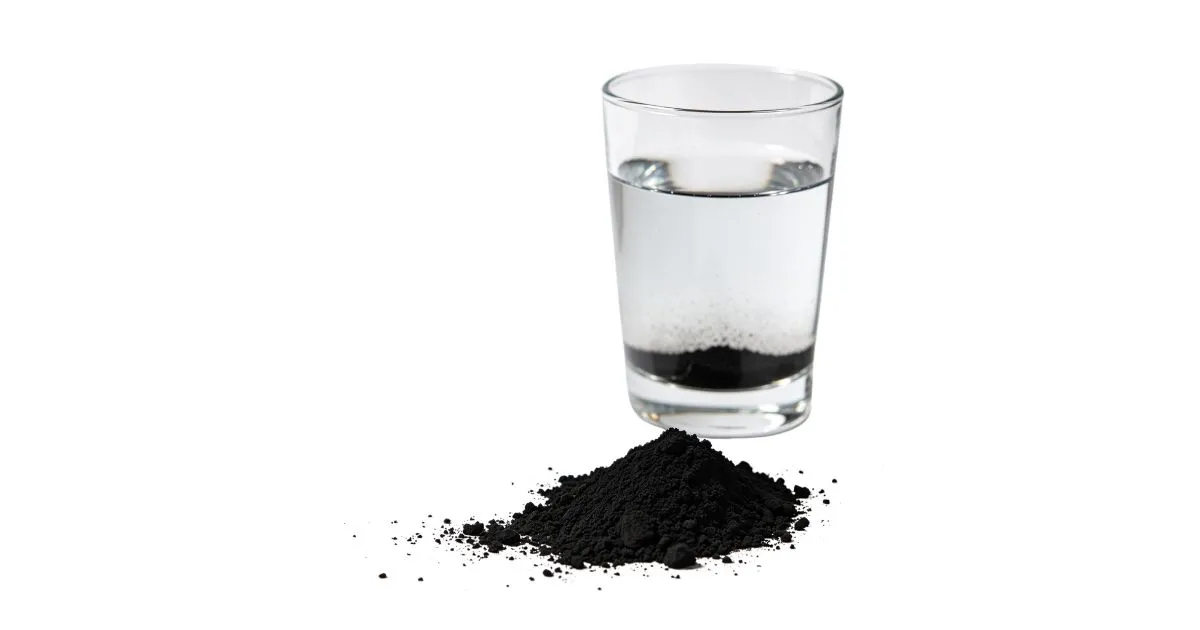
Understanding Vegetable Carbon: Composition and Applications
What It Is Made Of
Vegetable carbon (INS E153) is mostly made up of atomic carbon arranged in a random graphitic grid. A lot of heat is used to carbonize coconut shells and bamboo to make Yangge's Vegetable Carbon Black E153. It turns into a stable black powder that doesn't taste or smell and doesn't mix with water or other organic liquids. Because of these things, it can be used in food and beauty products.
Functional Properties That Matter
Because the material is very dense and a deep black color, it has a lot of filling power at low dosage rates. It is not charged with ions like man-made colors are, and it does not float in water. The final color can be anywhere from gray to very black, depending on how concentrated it is. This is why buyers want the particle size and carbon content to stay the same from one batch to the next.
Where It Is Used
Food makers use E153 black carbon to make a lot of different things, like charcoal ice cream, candy toppings, and plant-based sauces. Vegetable carbon is used by cosmetic scientists to make masks and colored makeup. People who try to avoid man-made colorants like Brilliant Black BN (E151) will like how it is labeled: "vegetable carbon" on a statement panel.
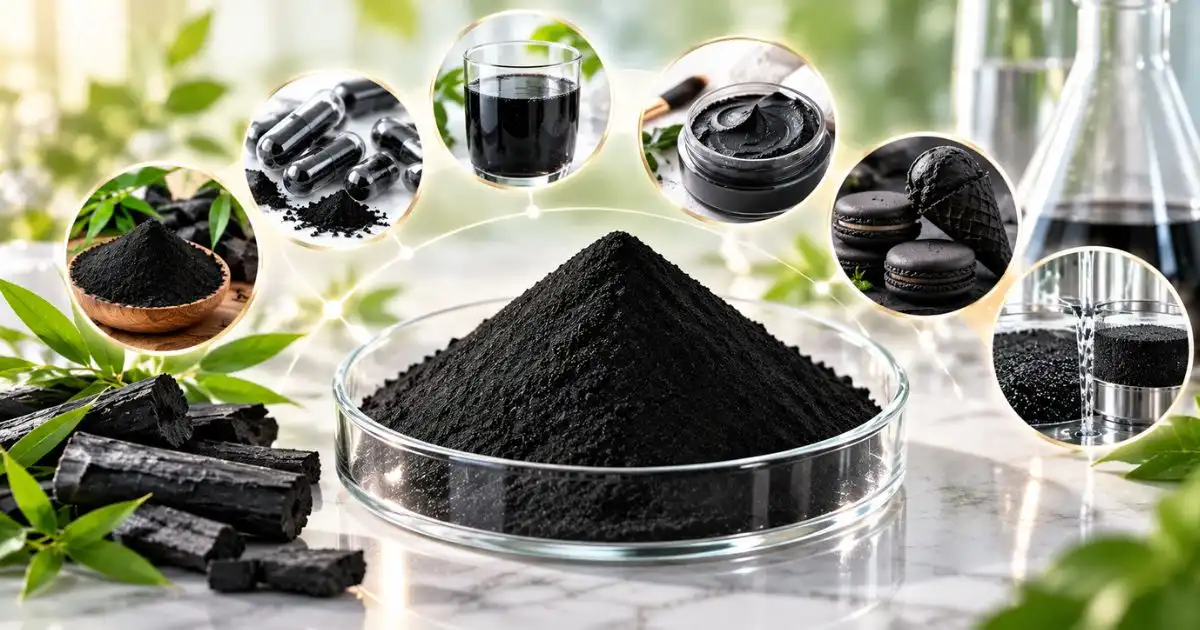
The Manufacturing Process of Vegetable Carbon
Raw Material Selection and Pre-Treatment
The first step in making something is getting food-grade bamboo culms or coconut shells that can be tracked. A lot of lignin and cellulose are found in both materials. When burned, these materials turn into a thick carbon skeleton. The stuff is dried out until it has less than 15% moisture, and then it is ground or chipped into pieces of different sizes before it goes into the kiln. This step right before carbonization makes a direct difference in how well it works and how even the powder is when it's done.
Controlled Pyrolysis: The Core Step
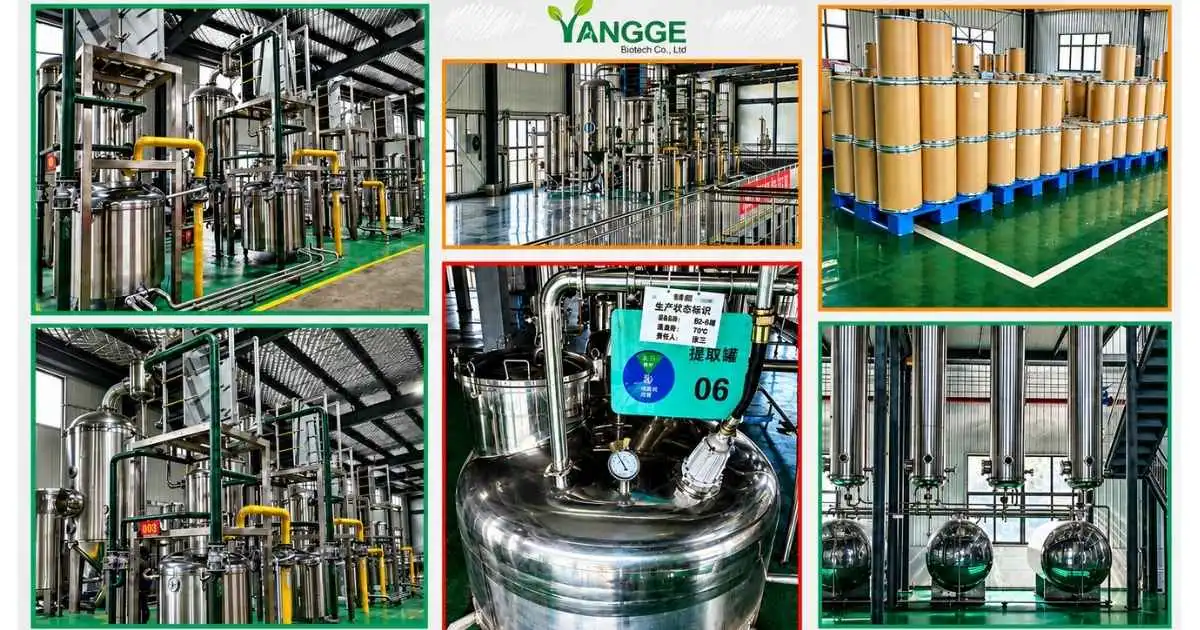
It is usually done between 700 °C and 1,000 °C, and the dried biomass is cooked in a place with little or no air flow. It is impossible for something to burn without air. In its place, cellulose, hemicellulose, and lignin break down in heat into a solid that is high in carbon, volatile gases, and bio-oil, known as vegetable carbon. The main process variables and how they change the quality of the end product are shown below.
| Process Parameter | Typical Range | Effect on Product Quality |
|---|---|---|
| Carbonization temperature | 700–1,000 °C | Higher temp → deeper black, lower residual volatiles |
| Residence time | 1–4 hours | Longer time → more complete carbonization |
| Oxygen level in kiln | <2% | Prevents combustion; preserves carbon yield |
| Particle size of feedstock | 2–10 mm | Uniform size → consistent carbonization throughout batch |
This is why food-grade E153 is not the same as commercial carbon blacks: it has better control over these things. Procurement teams can really tell how good a source is when they keep track of and share this process info.
Milling and Particle Size Control
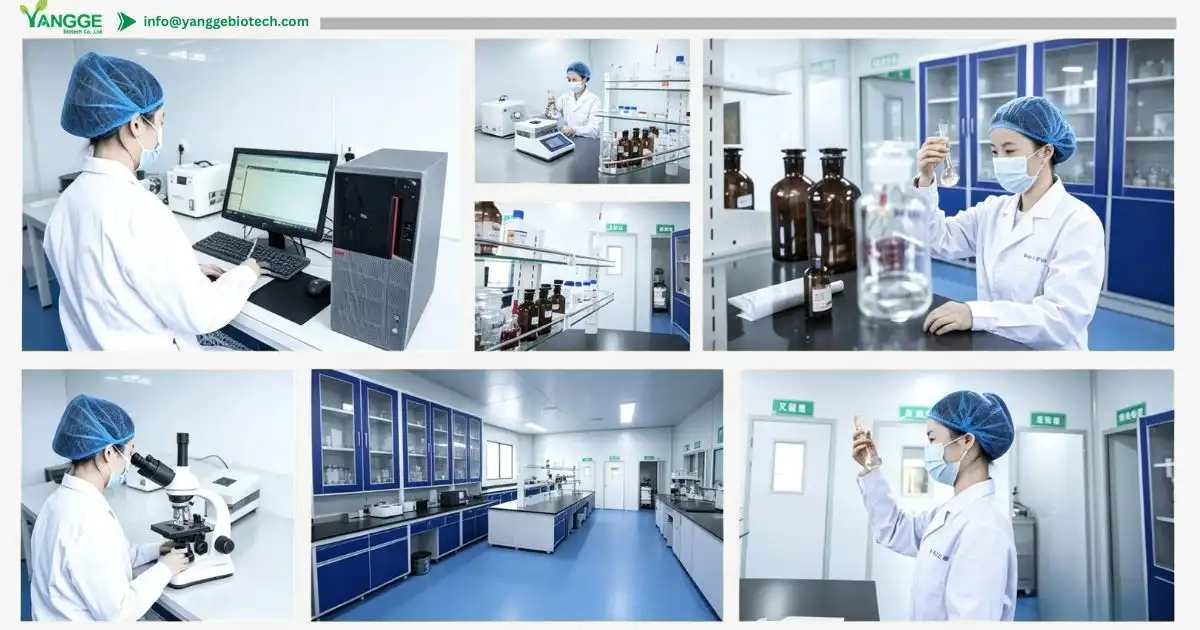
After the carbon cake has cooled down, it is put into a jet mill or a ball mill. Particles are milled down to sizes that are safe for food, which is usually D90 below 20 µm for powder-form E153. It is less likely that the finished product will have gray streaks when the particles are smaller and spread out more evenly in mixes, doughs, and sauces. This is the stage where sieve analysis and laser diffraction readings are used to check the quality.
Purification and Quality Enhancement Techniques
Removing Tars and Organic Impurities
Bio-oil condensates and tars that are still in raw char need to be taken out before it can be used in food. Usually, weak hydrochloric acid is used for acid cleaning to get rid of solid ash parts like calcium, magnesium, and small heavy metals. High-temperature water washing gets rid of dirt and other things that dissolve in water. After being cleaned, the carbon is put through a filter and dried in a controlled area.
Heavy Metal and PAH Testing
Polycyclic aromatic hydrocarbons (PAHs) are the most dangerous part of any food element that is made up of carbon. Ten micrograms per kilogram is a very high amount of the PAH E153, which includes benzo[a]pyrene. This is set by EU Regulation (EU) No 231/2012. Good sellers send all of their goods to third-party labs that have been approved by the provider. International labs check and test Yangge's Vegetable Carbon Black E153 before every shipment, and a full Certificate of Analysis (COA) can be seen.
The following quality standards should be met by people who want to buy E153, as shown in the table below:
| Quality Parameter | Regulatory Benchmark | Testing Method |
|---|---|---|
| Benzo[a]pyrene (PAH) | ≤10 µg/kg (EU 231/2012) | GC-MS |
| Lead (Pb) | ≤10 mg/kg | ICP-OES |
| Arsenic (As) | ≤3 mg/kg | ICP-OES |
| Ash content | ≤10% | Gravimetric analysis |
| Moisture content | ≤12% | Loss on drying |
Certification Protocols That Confirm Compliance
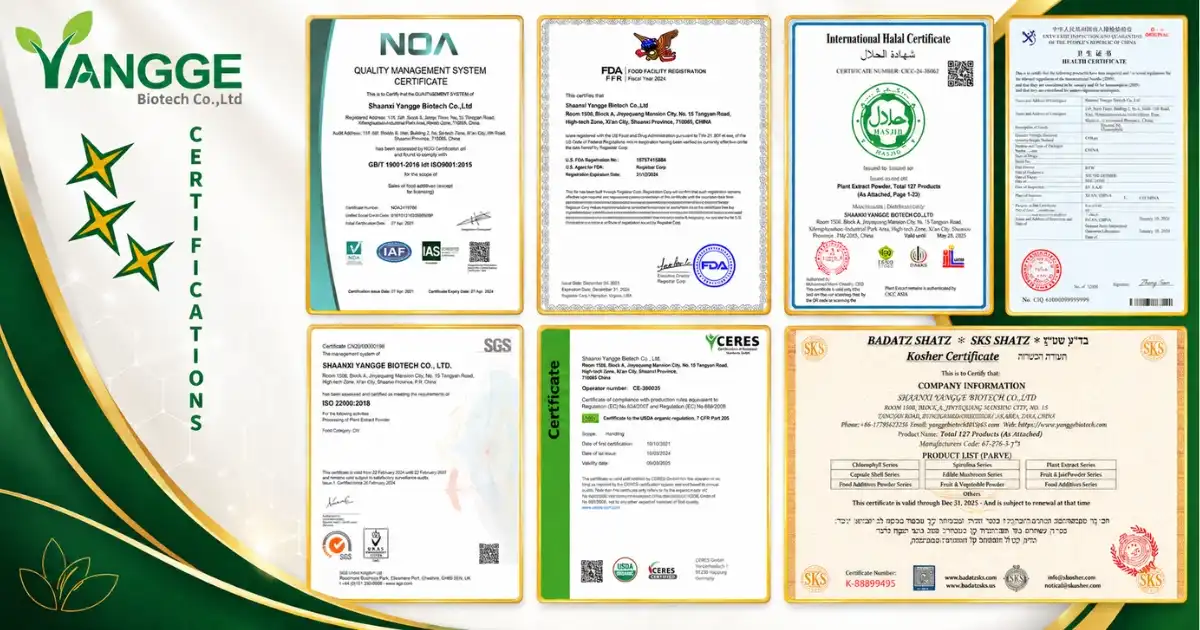
Companies that make vegetable carbon that are known to be reliable also accept certificates that show they have quality control at every step of the process. Yangge's E153 has been approved by the FDA and is also certified as Halal and Kosher. From clean-label names in North America to food makers in the Middle East, these three certifications cover the most groups. Following ISO and HACCP rules in the building gives output even more control.
Comparing Vegetable Carbon with Other Black Colorants
The people who buy things often look at E153 next to other choices. The main ways that the food colorings are different are shown in the table below.
| Colorant | Source | Label Declaration | Key Limitation |
|---|---|---|---|
| Vegetable Carbon Black E153 | Coconut shell / bamboo | "Vegetable carbon" (clean label) | Restricted in some US food categories |
| Activated Charcoal | Various plant sources | "Activated charcoal" | Not approved as food colorant in all markets |
| Brilliant Black BN (E151) | Synthetic azo dye | "Brilliant Black BN" | Banned in US; allergen concerns in EU |
| Squid Ink | Marine | "Squid ink" | Shorter shelf life; flavor impact |
| Iron Oxide Black (E172) | Mineral synthesis | "Iron oxide" | Not plant-origin; restricted to specific applications |
Because it comes from plants and doesn't taste bad, vegetable carbon is definitely better than both synthetic dyes and dyes derived from marine life when it comes to making clean-label black goods.
Procurement Considerations for B2B Buyers
Certifications and Documentation to Request
Get the full COA from the vegetable carbon supplier. It should have results for PAH, heavy metals, moisture, and ash. Also, make sure they give you a Halal or Kosher certificate with an up-to-date expiration date and proof that it was tested by a third party. All of these come with Yangge's E153 product, and you can get the COA from the page for the product.
The main papers that a good service should give you right away are these:
- Full COA from an accredited third-party laboratory (PAH, heavy metals, microbial limits, particle size)
- Halal and Kosher certificates with current validity
- FDA compliance documentation or GRAS status letter
- MSDS / SDS sheet
- Batch traceability records from raw material to finished goods
This is proof that a new ingredient is safe for your quality control team, and if a seller doesn't have it, that's a good sign.
MOQ, Sampling, and Lead Time
Right now, Yangge has 5 tons of Vegetable Carbon Black E153 in stock. You can choose FOB or CIF delivery, and the smallest order size is 1 ton. The company Yangge gives R&D teams free samples (10–30 g) that they can use to test the color and batch stability before making a full order. You don't have to worry about spending money to test new formulas for the first time with this sample program. It also lets your team properly compare the thickness and color tone of this new colorant to your current black colorant.
Conclusion
If food companies and buying teams know how to make and clean vegetable carbon, they can better choose sources and handle the risk of ingredients. There are many steps in the process that affect the quality, safety, and label integrity of the finished product. These steps include carefully burning coconut shells and bamboo and making sure the product meets multiple certification standards and is safe.
It is easier to make sure that the supply chain works smoothly and quickly when you buy from a seller who keeps track of and shares this process data with the public. It is known that Yangge's E153 is a good choice that can be tracked down. It should be considered for any clean-label black food or makeup project.
FAQ
Is vegetable carbon E153 approved in the United States?
The FDA does not allow E153 to be used as a food colorant in most kinds of food in the US. It can be used for some things, like candy shells and some ready-made foods. The R&D and regulation teams should make sure they are using the right product group before they start formulating. Yangge says to look at the 21 CFR color additive rules from the FDA and get your regulatory expert involved early in the project plan.
How does purification affect the color performance of E153?
A cleaner carbon particle with fewer gray-tone impurities is one that is denser and more uniform. This can be achieved by washing it with acid and getting rid of the ash. They spread less light and make blacks darker when you use less of them. People who are switching suppliers often say that the finished products have a washed-out or charcoal-gray color because the purification wasn't good enough.
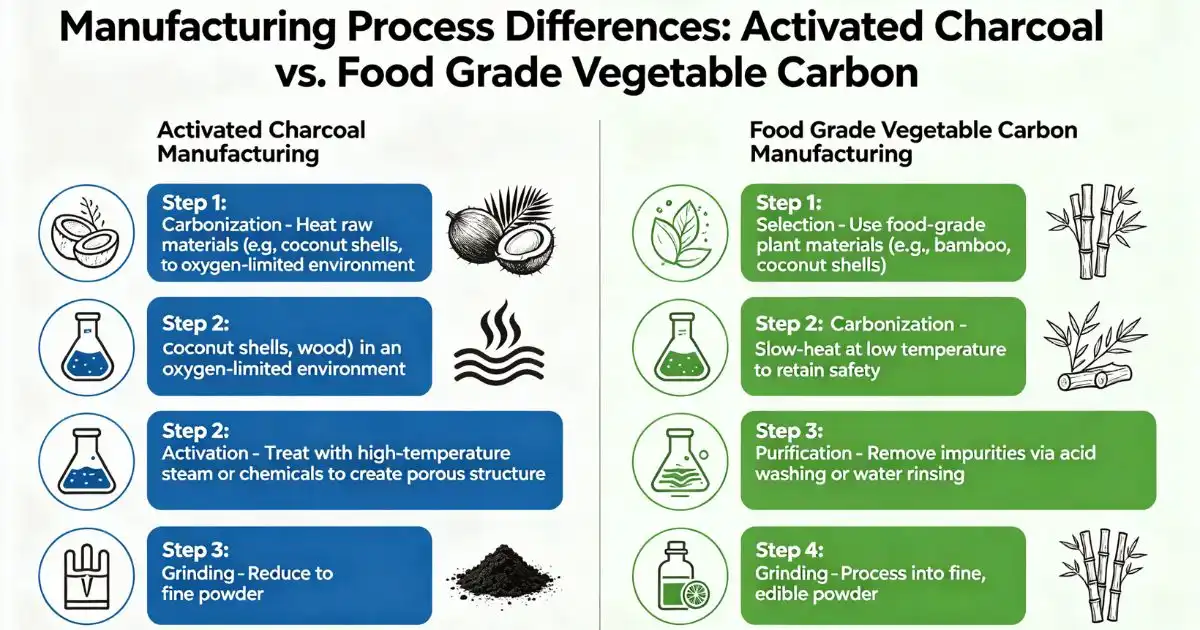
What is the difference between vegetable carbon and activated charcoal?
Vegetable carbon (E153) is plant waste that has been handled and carbonized in order to be used as a food coloring agent. A second step is to heat activated charcoal with chemicals or steam. This makes its surface area bigger so that it can absorb more. Charcoal and E153 are both made from plants, but they are used for different things. E153 is a colorant, and activated charcoal is mostly used for filtering, detox vitamins, and medicine.
How should I store Vegetable Carbon Black E153?
Make sure it stays cool and dry, away from strong oxidation agents and direct water. Store in a sealed container that can't be opened. Things stay spread out in size and don't stick together when they're stored correctly. This can affect how well they mix in wet formulations.
Request Your Free Sample of Yangge Vegetable Carbon Black E153
You can buy vegetable carbon E153 from Yangge Biotech. It is safe for food and has been approved by the FDA, Kosher, and Halal groups. Also, each batch is checked in a separate lab somewhere in the world. With 5 tons in stock and a free sample program for 10–30 g, your R&D team can try out real recipes without having to commit to anything right away. Contact our team at info@yanggebiotech.com or visit blog.yanggebiotech.com to request your sample and COA today.
References
1. Food and Agriculture Organization of the United Nations & World Health Organization. Compendium of Food Additive Specifications: Carbon Black (Vegetable Carbon), INS 153. FAO/WHO, 2011.
2. European Commission. Commission Regulation (EU) No 231/2012 Laying Down Specifications for Food Additives Listed in Annexes II and III to Regulation (EC) No 1333/2008. Official Journal of the European Union, 2012.
3. Marsh, H., & Rodríguez-Reinoso, F. Activated Carbon. Elsevier Science, 2006.
4. Lua, A. C., & Guo, J. "Activated carbon prepared from oil palm shell by one-step CO₂ activation for gaseous pollutant removal." Carbon, 2000.
5. Antal, M. J., & Grønli, M. "The art, science, and technology of charcoal production." Industrial & Engineering Chemistry Research, 2003.
6. European Food Safety Authority (EFSA). "Scientific Opinion on the re-evaluation of vegetable carbon (E 153) as a food additive." EFSA Journal, 2012.

Based on your location and order quantity, you will have the opportunity to receive a limited time free shipping promotion!
Who we are
Popular Blogs