Is Meso Zeaxanthin Suitable for Eye Health Supplements?
Yangge Biotech supplies high-quality Meso-Zeaxanthin for use in dietary supplements, nutraceutical formulations, functional foods, and eye-health products. Meso-zeaxanthin is a carotenoid naturally associated with the macular pigment of the human eye, alongside lutein and zeaxanthin. It is valued as a functional ingredient in formulations designed to support macular health and antioxidant protection.
Yangge Biotech Meso-Zeaxanthin is manufactured under strict quality-control standards to provide consistent purity, stability, and performance. Different specifications and customized bulk packaging solutions are available to meet customers’ formulation and manufacturing requirements. For more information about our Meso-Zeaxanthin, product specifications, pricing, samples, OEM services, or customized formulations, please contact Yangge Biotech at info@yanggebiotech.com or send us your inquiry. Our professional team is ready to provide reliable ingredient solutions and long-term supply support for your business.
Yes, meso zeaxanthin is highly suitable for eye health supplements and represents a critical advancement in macular protection formulations. This specialized carotenoid, predominantly concentrated at the center of the macula, works synergistically with lutein and zeaxanthin to form the macular pigment the eye's natural defense against blue light and oxidative stress. Unlike dietary zeaxanthin, which is rarely consumed in sufficient quantities through food alone, supplemental meso zeaxanthin directly addresses the needs of individuals with compromised metabolic conversion pathways, making it an essential component in comprehensive vision support products.
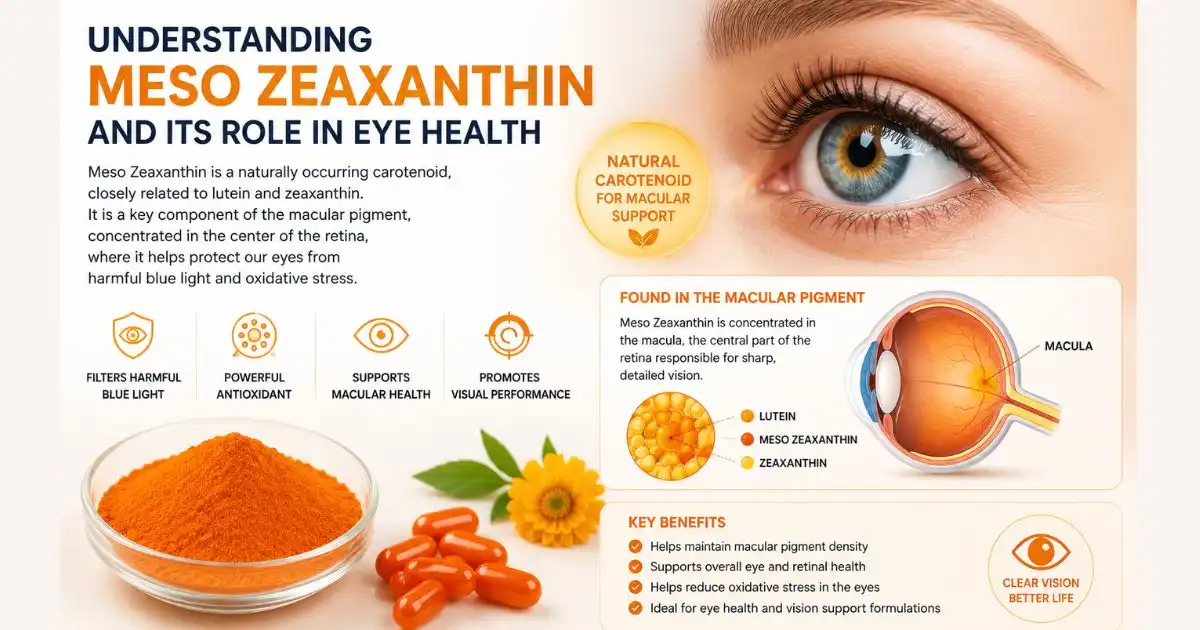
Understanding Meso Zeaxanthin and Its Role in Eye Health
Meso Zeaxanthin is one of the most important nutrients for protecting your eyes. This compound is one of only three main macular carotenoids, which makes it special in the field of eye health. The (3R,3'S)-stereoisomer configuration of its chemical structure makes it different from the (3R,3'R)-zeaxanthin that is more commonly found in foods like peppers and corn.
The Biochemical Foundation of Macular Protection
There is a complex defense system in the human eye, and Meso Zeaxanthin is an important part of it. According to research, this carotene makes up as much as half of the macular color at the foveal core, which is where your best vision is. Its strategic placement lets it filter high-energy visible (HEV) blue light very well, soaking up wavelengths around 460 nm that are the most dangerous to photoreceptor cells.
The fact that this substance is a very good antioxidant makes it very useful for making supplements. Studies in the lab show that Meso Zeaxanthin neutralizes UV-induced free radicals 150% better than beta-carotene. This means that it provides strong protection against oxidative damage that leads to age-related macular degeneration (AMD). This better ability to protect comes from the way its molecules are arranged inside the membranes of retinal cells, where they stop reactive oxygen species before they damage cell structure.
Clinical Evidence Supporting Supplementation
The important Age-Related Eye Disease Study 2 (AREDS2) found a big hole in the way eye health has been thought of in the past. The study showed that giving lutein and zeaxanthin supplements to 4,200 people with early or mild AMD improved their vision significantly. However, the researchers pointed out that Meso Zeaxanthin was missing from the recipe, which made it incomplete. After more research, it was found that mixtures with all three macular carotenoids (10:10:2) (Meso Zeaxanthin:lutein:zeaxanthin) work better for increasing macular pigment optical density (MPOD) and making vision better.
These results are especially important for drug companies that want to sell to older people. Long-term supplementation studies have shown that people who take Meso Zeaxanthin every day have measurable improvements in their ability to handle contrast, recover from glare, and respond to light stress. These functional benefits directly improve the quality of life for people who have vision problems.
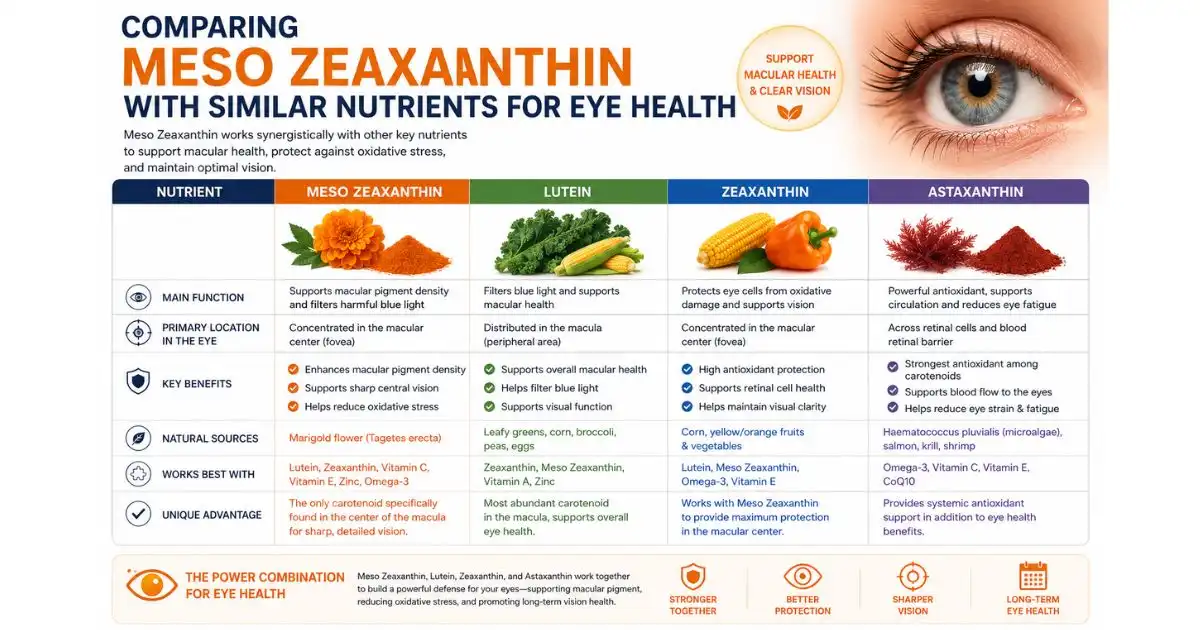
Comparing Meso Zeaxanthin with Similar Nutrients for Eye Health
Figuring out where Meso Zeaxanthin fits in the bigger picture of eye nutrients can help with making smart decisions about formulation. Each carotenoid has its own benefits, but the effects of all of them together are often stronger than those of any one chemical alone.
Carotenoid Profiles and Complementary Mechanisms
Lutein is the most common carotene in the outer retina. It works with Meso Zeaxanthin, but it does different things in different places. Meso Zeaxanthin is more common in the central fovea than lutein, which is more common in the outer macular regions. This spread in space makes a full shield that protects the whole surface of the macula. Beta-carotene is commonly known as a precursor to vitamin A, but it doesn't have the specific macular accumulation that the Meso Zeaxanthin isomers do. Although astaxanthin is a strong antioxidant, it doesn't cluster in retinal cells as well as macular carotenoids do.
You can't say enough about how these nutrients can work together to help your body. Combining Meso Zeaxanthin with lutein and food zeaxanthin makes the most of the way these nutrients are absorbed and distributed in the body. This multi-carotenoid method protects against all kinds of oxidative damage and meets the metabolic needs of a wide range of consumers.
Formulation Format Considerations
Bioavailability and market positioning are greatly affected by choosing the right transport method. Powder formulations are very flexible, so manufacturers can change the levels of potency and blend ratios to suit different groups of people. Yangge Biotech's Meso Zeaxanthin powder comes in a range of purity levels, from 5% to 80%. This makes it easy to make goods for a wide range of needs, from mass-market supplements to high-end medicinal formulations. Standard powder is great for softgel encapsulation because it doesn't dissolve in oil. This is because lipid structures help carotenoid absorption through the gut wall.
Versions that dissolve in cold water (CWS) are a big step forward for useful beverage uses. These tiny beadlets are stable even when they are pasteurized or in acidic environments. This means that they can be added to dairy-based drinks, meal replacements, and ready-to-drink forms that are aimed at older people who may have trouble taking pills. The 99% purity CWS standard that our production line meets makes sure that the potency stays the same and meets the strict food-grade standards for international markets.
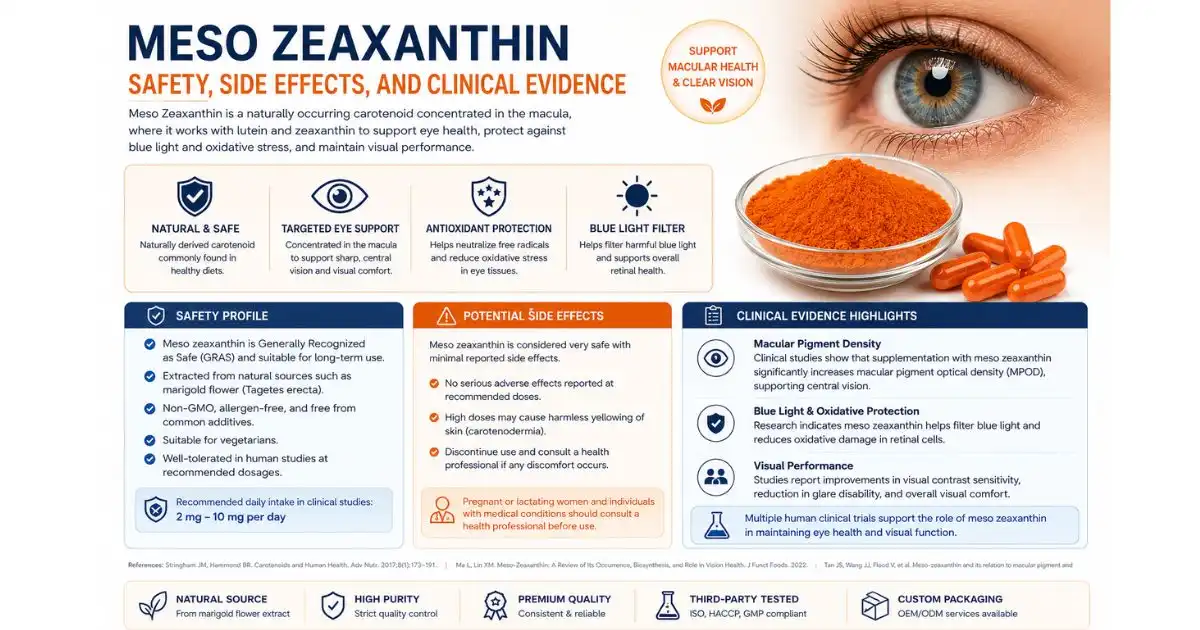
Safety, Side Effects, and Clinical Evidence
Regulatory approval and customer safety are still the most important things to think about when making supplements. Long-term use of Meso Zeaxanthin supplements is supported by a lot of clinical study that has been done on several countries.
Established Safety Profile
Meso Zeaxanthin supplements at therapeutic doses have been studied in clinical trials and have shown few side effects. The most common observation is temporary changes in skin tone. This is called carotenodermia and it's caused by high levels of carotenoids in the blood. The changes go away on their own when the dosage is changed. This harmless condition is not the same as toxicity and does not pose any health risks to consumers.
Studies on absorption show that bioavailability changes depending on things like age, digestive health, and other nutrients taken at the same time. Meso Zeaxanthin is lipophilic, which means that it is best absorbed when eaten with fats. Formulation scientists can meet this need in a number of ways, such as by adding the ingredient to oil-based delivery systems, suggesting that it be taken with food, or using technologies that improve bioavailability, such as liposomal encapsulation.
| Clinical Study Focus | Participant Profile | Key Findings |
|---|---|---|
| MPOD Enhancement | 105 people with AMD | 22% more after taking tri-carotenoid supplements for a year |
| Visual Performance | 60 people who use digital devices | Within 6 weeks, glare recovery and contrast sensitivity were better |
| Long-term Safety | Healthy people (n=145) | No adverse events over 24-month observation period |
Quality Verification Standards
Ensuring ingredient authenticity represents a critical issue in carotenoid buying. The structural similarity between zeaxanthin isomers demands sophisticated analytical methods for verification. Chiral high-performance liquid chromatography (chiral HPLC) stands as the gold standard for distinguishing Meso Zeaxanthin from its dietary cousin, giving clear proof of isomer ratios.
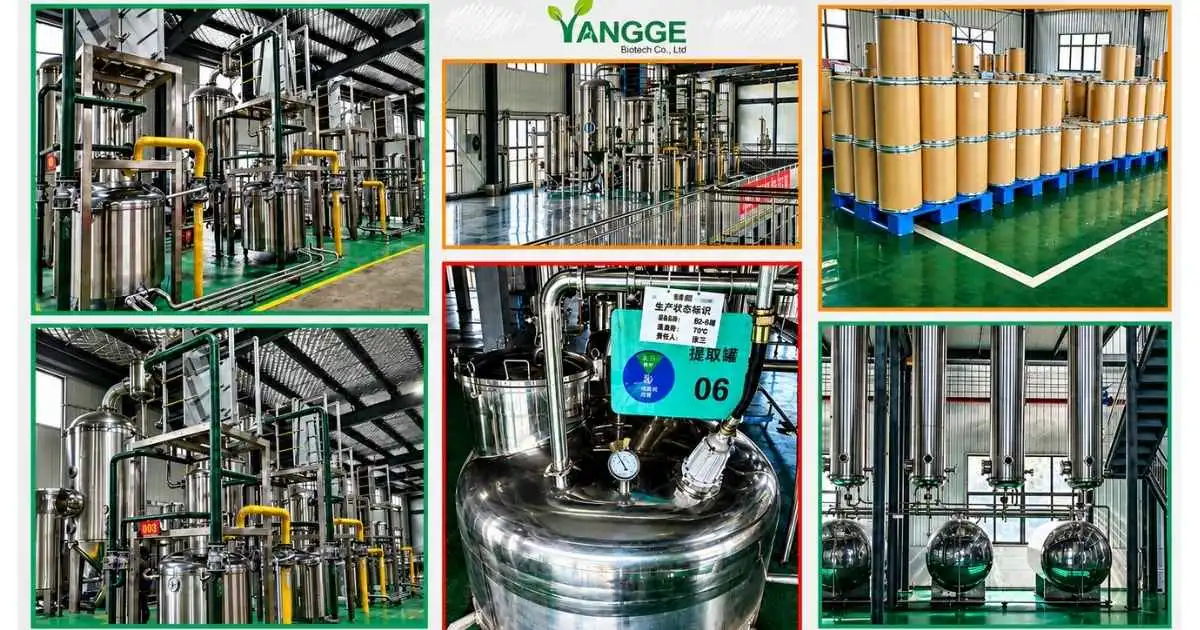
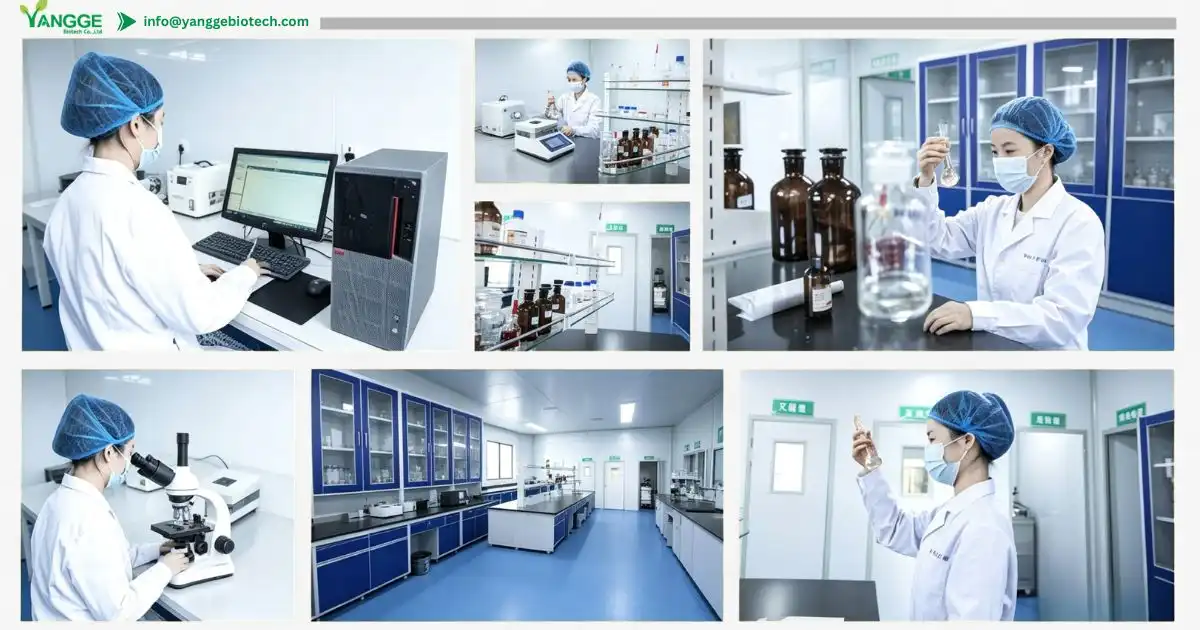
Yangge Biotech handles this verification issue through partnerships with widely known laboratories. Each production batch receives thorough chiral HPLC testing, with certificates of analysis proving purity levels topping 98% for our premium CWS grade. This commitment to analytical transparency supports our clients' regulatory compliance requirements across North American, European, and Japanese markets.
Procurement Considerations for Meso Zeaxanthin in B2B Markets
Navigating the global supply landscape for specialized carotenoids requires careful evaluation of supplier capabilities, quality systems, and logistical infrastructure. Procurement managers face the dual challenge of securing consistent quality while managing cost structures that support competitive product positioning.
Supplier Evaluation Framework
When evaluating potential Meso Zeaxanthin suppliers, several important factors deserve close examination. Manufacturing standards provide the basis for quality assurance—ISO 9001, HACCP, and GMP compliance signal structured methods to process control and contamination prevention. Halal and Kosher certifications expand market access for products targeting specific consumer segments with religious dietary requirements.
In addition to certifications, the source material and method of extraction have a big effect on the final product's properties. Extracting the flowers of the marigold plant is still the best way to get botanicals because they come from natural sources that fit with what people want in plant-based products. Sustainable farming agreements support environmental responsibility and keep the supply chain stable. This is something that brand owners value more and more as they deal with the demands of corporate social responsibility.
Here are the main criteria used to find trustworthy suppliers in the carotenoid market:
Quality Assurance Capabilities: Suppliers should show that they can do scientific tests in-house and also get approval from a third-party lab. Being able to do chiral HPLC verification is what sets qualified partners apart from commodity traders who don't have enough scientific knowledge.
Production Scalability: Being able to see your inventory clearly is important for planning product launches. Suppliers who keep a rolling inventory of 50–100 kg and can produce more than 500 kg per month can support both pilot batches and large-scale production without having to stop supplies.
Regulatory Documentation: Full technical dossiers with heavy metals analyses, pesticide residue screens, and PAH4 compliance documentation (with benzopyrene levels ≤ 10 ppb meeting European standards) make regulatory submissions easier and shorten the time it takes to get approval.
Customization Flexibility: Being willing to accept minimum order amounts as low as 1 kg makes R&D testing go smoothly, and the different custom packaging choices help a wide range of business models, from white-label distribution to developing your own brand.
Market Dynamics and Pricing Considerations
The cost of Meso Zeaxanthin around the world is based on how hard the biotransformation or stereoselective synthesis processes are that are needed to make it. Bulk buying deals usually yield cost advantages running from 15-25% compared to spot market transactions, though price stability varies heavily on marigold harvest cycles and extraction yield optimization.
The higher price for water-soluble CWS grades compared to regular oil-soluble powder is because microencapsulation requires more processing steps. Manufacturers working on drinks or gummy shapes should plan their budgets accordingly. On the other hand, those making softgels may find that standard powder specifications meet their needs at more appealing prices.
Integrating Meso Zeaxanthin Into Eye Health Supplement Formulations
To turn information about ingredients into goods that sell well, you need to think strategically about things like formula architecture, regulatory positioning, and how to set your product apart in the market.
Synergistic Formulation Strategies
The most effective eye health vitamins use a combination of nutrients that work together to support vision in different ways. When formulating with Meso Zeaxanthin, ideal ratios with lutein and dietary zeaxanthin follow evidence-based standards set through clinical study. The 10:10:2 ratio (lutein:zeaxanthin:Meso Zeaxanthin) has shown better MPOD enhancement than other compositions, giving researchers a way to build products based on facts.
In addition to the three main carotenoids, vitamins C and E are added by careful formulators as extra antioxidants that help keep the carotenoids stable and protect cells even more. Zinc and copper are important for the function of retinal enzymes and should be included at levels that are in line with what AREDS2 recommends. When added to uniform versions, omega-3 fatty acids, especially DHA, help keep photoreceptor membranes structurally stable and may improve the bioavailability of carotenoids.
| Ingredient Category | Suggested Daily Dosage | Primary Function |
|---|---|---|
| Meso Zeaxanthin | 10 mg | Protecting the central macula |
| Lutein | 10 mg | Support for the peripheral eye |
| Zeaxanthin | 2 mg | Full spread of the macular |
| Vitamin C | 500 mg | Regeneration of antioxidants |
| Vitamin E | 400 IU | Protection for lipid membranes |
| Zinc | 25 mg | Cofactor for enzymes |
Regulatory Compliance Pathways
When dealing with foreign supplement rules, it's important to pay attention to the rules that apply to each country. In the US, Meso Zeaxanthin is covered by the Dietary Supplement Health and Education Act (DSHEA). This means that structure-function claims about eye health and vision support can be made without getting pre-market permission. Manufacturers must back up claims with scientific proof, though, and follow Good Manufacturing Practice (GMP) rules that are followed by FDA inspections.
The EU Food Supplements Directive governs markets in Europe. Before a product can be sold, it must be reported to the relevant national authorities. Novel food assessments may be needed based on how the food was made and its past as a source. The Food Sanitation Act in Japan requires extra testing of imported ingredients. This makes it very important for suppliers to have complete paperwork in order to get their goods into Asian markets.
The Meso Zeaxanthin powder and CWS specs from Yangge Biotech come with full regulatory support kits that include:
- Specifications sheets that list the main ingredients, how they look, and their physical qualities
- Certificates of analysis from testing done on each batch showing that the product meets standards for heavy metals, microbes, and contaminants
- Safety data sheets (SDS) that follow the rules for communicating hazards around the world
- Allergen declarations confirming that the product is non-GMO and not irradiated
- Stability data to back up claims of a 24-month shelf life under certain storage conditions
Market Positioning Opportunities
People are becoming more aware of the dangers of blue light because everyone spends more time on screens and the media talks about digital eye strain. This trend gives goods with Meso Zeaxanthin as a unique ingredient interesting ways to sell themselves. Positioning strategies could stress "complete macular protection" to set three-carotenoid recipes apart from older lutein-only products, or they could stress "clinically studied ratios" to use the authority of published research to back certain ingredient combinations.
Another way to divide the market is through demographic targeting. Seniors naturally care about AMD prevention, but younger people who are worried about computer performance, driving safety, or the visual demands of their jobs are also growing opportunity zones. E-sports nutrition is a category that is growing quickly. It values ingredients that help with contrast sensitivity and photo-stress recovery. These are direct functional benefits of supplementing with Meso Zeaxanthin, which increases macular pigment density.
Conclusion
Meso Zeaxanthin is an important part of eye health products that fills in a big gap left by regular lutein-zeaxanthin mixes. Because it is highly concentrated in the foveal center, has high antioxidant activity, and has been shown to work in clinical trials, manufacturers who want to make products based on evidence need to use it. The synergistic benefits of tri-carotenoid formulations and the fact that people are becoming more aware of macular health make Meso Zeaxanthin a high-value ingredient for supplement brands that want to stand out in the crowded supplement market. Paying close attention to sourcing quality, formulation ratios, and regulatory compliance are some of the things that set market leaders apart from commodity makers and are necessary for successful integration.
FAQ
What is the recommended daily dosage of meso zeaxanthin for seniors?
In clinical studies that show macular health benefits, 10 mg of Meso Zeaxanthin, along with 10 mg of lutein and 2 mg of zeaxanthin, is usually taken every day. This ratio has been shown to improve MPOD the most in older people who already have macular degeneration or who are at a higher risk because of their genes. The amount of macular pigment a person needs may be different depending on their metabolic conversion capacity and starting levels.
Can meso zeaxanthin be combined with other eye health nutrients?
Of course. Meso Zeaxanthin works well with lutein, dietary zeaxanthin, zinc, vitamins C and E, and omega-3 fatty acids. Many times, multi-nutrient formulas work better than single-ingredient ones because they deal with more than one type of oxidative stress and help with different parts of retinal function. During stability testing, formulation compatibility should be checked to make sure that interactions between ingredients don't lower the product's effectiveness over time.
How can procurement managers verify supplier purity and authenticity?
Ask for certificates of analysis that show the results of chiral HPLC tests, which will clearly show that Meso Zeaxanthin is different from other isomers of zeaxanthin. Reliable suppliers give batch-specific paperwork that includes testing for heavy metals, pesticide residues, and microbes. An extra layer of quality guarantee is provided by third-party laboratory verification through well-known testing centers. Physical inspection of sample batches for appearance, solubility characteristics, and consistency with specifications helps confirm material authenticity.
Partner with Yangge for Premium Meso Zeaxanthin Supply
Yangge Biotech serves as your strategic Meso Zeaxanthin supplier, delivering pharmaceutical-grade carotenoids backed by ISO, HACCP, Halal, and Kosher certifications. Our marigold-derived powder (5%-80% purity) and 99% CWS specifications meet the rigorous demands of North American, European, and Japanese supplement manufacturers. With a flexible 1 kg minimum order quantity, 50-100 kg standing inventory, and comprehensive OEM capabilities, we support your product development from concept through commercial launch.
Our farm-to-table traceability ensures sustainable sourcing, while zero solvent residue processes and compliance with European PAH4 standards (Benzopyrene ≤10 ppb) address the most stringent quality requirements. Whether you're making softgels, healthy drinks, or gummy vitamins, our expert team provides formulation advice and regulatory paperwork to ease your path to market. Contact info@yanggebiotech.com to request samples, talk custom specs, or explore partnership possibilities that elevate your eye health portfolio. Visit blog.yanggebiotech.com for additional technical resources and industry insights.
References
1. Bone, R.A., Landrum, J.T., & Tarsis, S.L. (1985). "Preliminary Identification of the Human Macular Pigment." Vision Research, 25(11), 1531-1535.
2. Connolly, E.E., Beatty, S., Thurnham, D.I., Loughman, J., Howard, A.N., Stack, J., & Nolan, J.M. (2010). "Augmentation of Macular Pigment Following Supplementation with All Three Macular Carotenoids: An Exploratory Study." Current Eye Research, 35(4), 335-351.
3. Age-Related Eye Disease Study 2 Research Group. (2013). "Lutein + Zeaxanthin and Omega-3 Fatty Acids for Age-Related Macular Degeneration." JAMA, 309(19), 2005-2015.
4. Nolan, J.M., Loughman, J., Akkali, M.C., Stack, J., Scanlon, G., Davison, P., & Beatty, S. (2011). "The Impact of Macular Pigment Augmentation on Visual Performance in Normal Subjects: COMPASS." Vision Research, 51(5), 459-469.
5. Thurnham, D.I. (2007). "Macular Zeaxanthins and Lutein—A Review of Dietary Sources and Bioavailability and Some Relationships with Macular Pigment Optical Density and Age-Related Macular Disease." Nutrition Research Reviews, 20(2), 163-179.
6. Ma, L., Dou, H.L., Huang, Y.M., Lu, X.R., Xu, X.R., Qian, F., Zou, Z.Y., Pang, H.L., Dong, P.C., Xiao, X., Wang, X., Sun, T.T., & Lin, X.M. (2012). "Improvement of Retinal Function in Early Age-Related Macular Degeneration After Lutein and Zeaxanthin Supplementation: A Randomized, Double-Masked, Placebo-Controlled Trial." American Journal of Ophthalmology, 154(4), 625-634.

Based on your location and order quantity, you will have the opportunity to receive a limited time free shipping promotion!
Who we are
Popular Blogs