How vegetable carbon differs from industrial carbon black
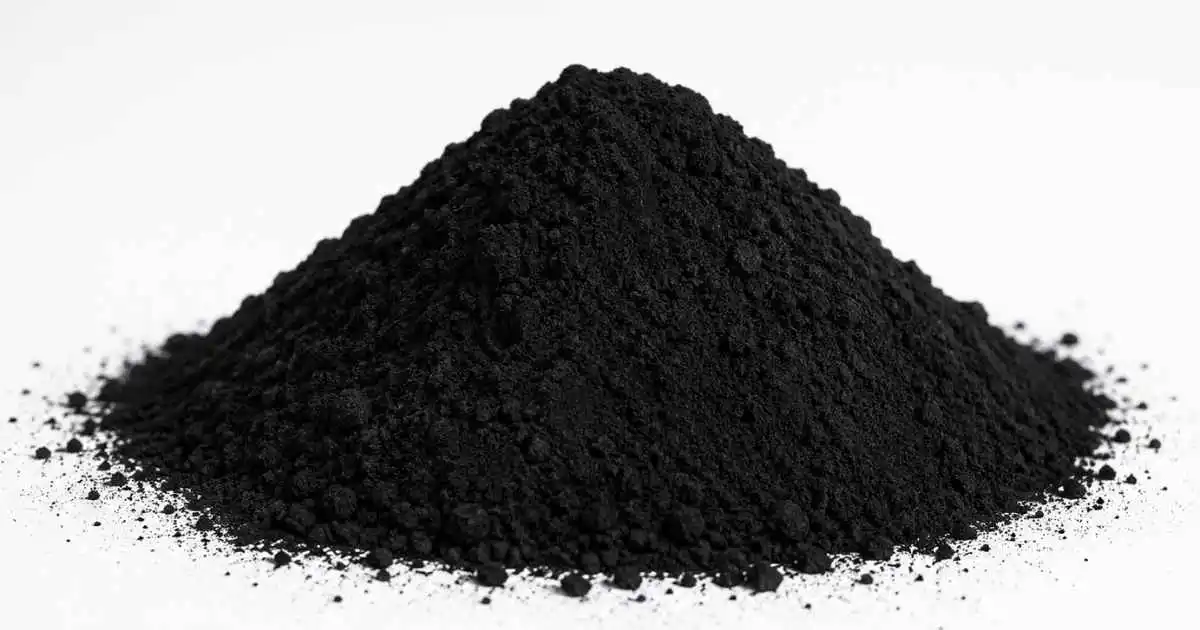
Vegetable carbon and industrial carbon black may look identical as fine black powders, but they are fundamentally different materials. Vegetable carbon (E153) is produced by carbonizing plant biomass such as coconut shells or bamboo under controlled, oxygen-limited conditions. The result is a food-safe, odorless black pigment approved under FDA and EU regulations. Industrial carbon black, by contrast, is synthesized from petroleum feedstocks through high-temperature combustion. Its chemical profile, contaminant levels, and regulatory status make it entirely unsuitable for food or cosmetic applications. For B2B buyers in food manufacturing, understanding this distinction is non-negotiable.For more details and information you may contact us at info@yanggebiotech.com.
Understanding Vegetable Carbon and Industrial Carbon Black
What Is Vegetable Carbon?
Vegetable Carbon is a naturally occurring black pigment that is made from plant-based materials. It is made from bamboo and coconut shells that have been carbonized under very strict temperature controls. One example is Yangge's Vegetable Carbon Black E153. Fine black powder that doesn't smell or taste and doesn't dissolve in water or organic solvents is what you get at the end. It is allowed to use as a food colorant in the EU and has the INS number E153. There is also paperwork that says it is Halal, Kosher, and FDA-compliant.
What Is Industrial Carbon Black?
The color Industrial Carbon Black is made when heavy petroleum products, such as coal tar and fuel oil, are burned too slowly. It is mostly carbon, but because it comes from petrochemicals, it also has small amounts of heavy metals and polycyclic aromatic hydrocarbons (PAHs). The table below shows the main differences between the two materials:
| Property | Vegetable Carbon (E153) | Industrial Carbon Black |
|---|---|---|
| Raw material | Coconut shell / bamboo | Petroleum / coal tar |
| Production method | Controlled pyrolysis | Incomplete combustion |
| Food-grade status | Yes (E153 approved) | No |
| PAH contamination risk | Low (EU limits compliant) | Higher due to feedstock |
| Regulatory classification | Food additive / colorant | Industrial pigment |
| Typical particle size | 10–50 µm | 10–500 nm |
Key Compositional Differences at a Glance
The table above summarizes the core differences between the two materials, highlighting why Industrial Carbon Black remains unsuitable for consumable products while Vegetable Carbon meets strict safety standards.
Functional Differences Relevant to B2B Applications
Food and Cosmetic Applications
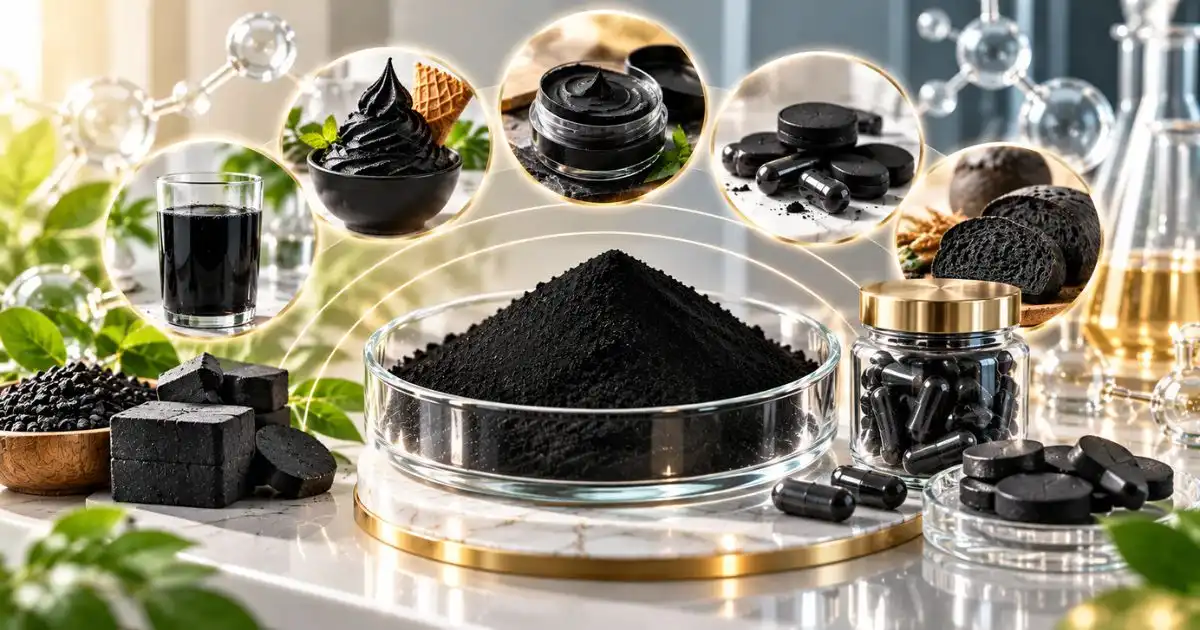
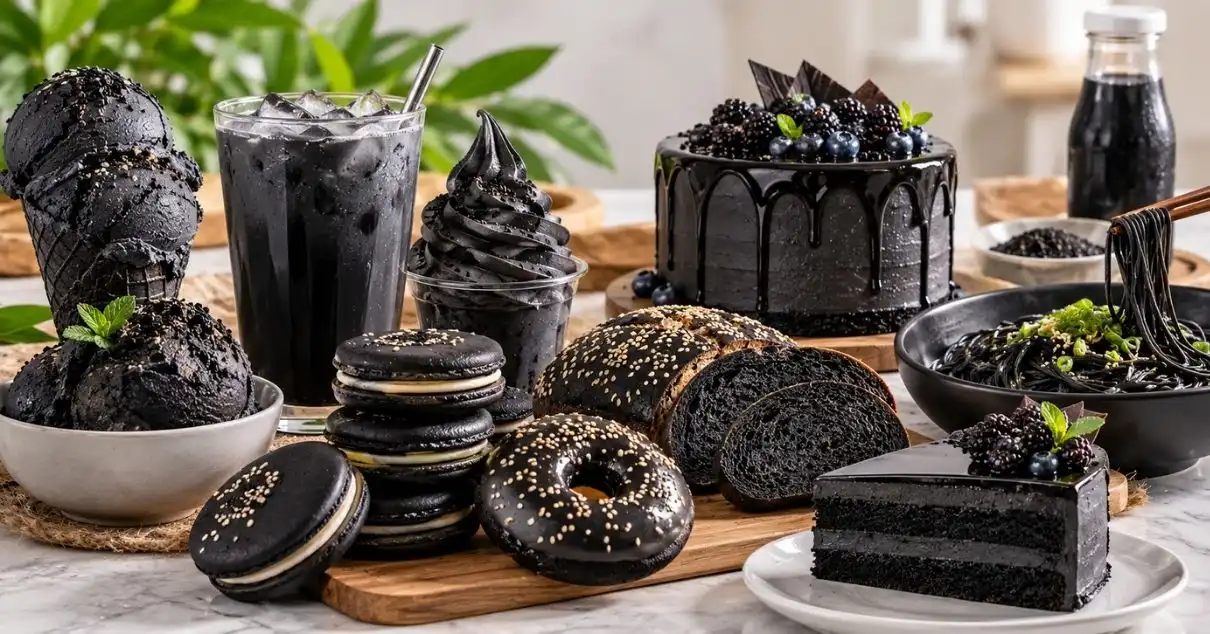
Vegetable Carbon is used to make ice cream, candy, sauces, plant-based foods, and clean-label baked goods black. Because it has a neutral taste and stays black, product designers use it all the time to make things look good without changing how they taste. Yangge's E153 grade is always a deep black color, which works well for making charcoal burger buns and ice cream with a black sesame flavor. It has been tested in foreign labs lot by lot to make sure the color is strong and there are no other materials in it.
Industrial Applications
Industrial Carbon Black needs to work better than goods made for food. It keeps UV light away from rubber tires and makes them stronger. It also lets electricity flow through certain plastics and gives printing inks and car coatings their deep black color. It is made to mix with polymer materials because its bits are very small and its surface area is very big. These parts have nothing to do with making food, and if they were used wrong, they would pose too high of a risk of contamination.
Safety and Regulatory Profiles
When following the rules is at stake, this difference is very important. Regulation (EC) No 1333/2008 says that the EU can use E153 as long as it doesn't have too many PAHs. Plant-based activated charcoal is a colorant that doesn't need to be approved by the FDA for some uses. The IARC, on the other hand, puts Industrial Carbon Black in Group 2B, which means it may cause cancer in people and should never be used in food or drinks. People who make food must make sure that a Carbon Black color really does come from the plants they say it does before they use it.
Procurement Considerations: Choosing the Right Carbon Material
Certifications That Protect Your Label
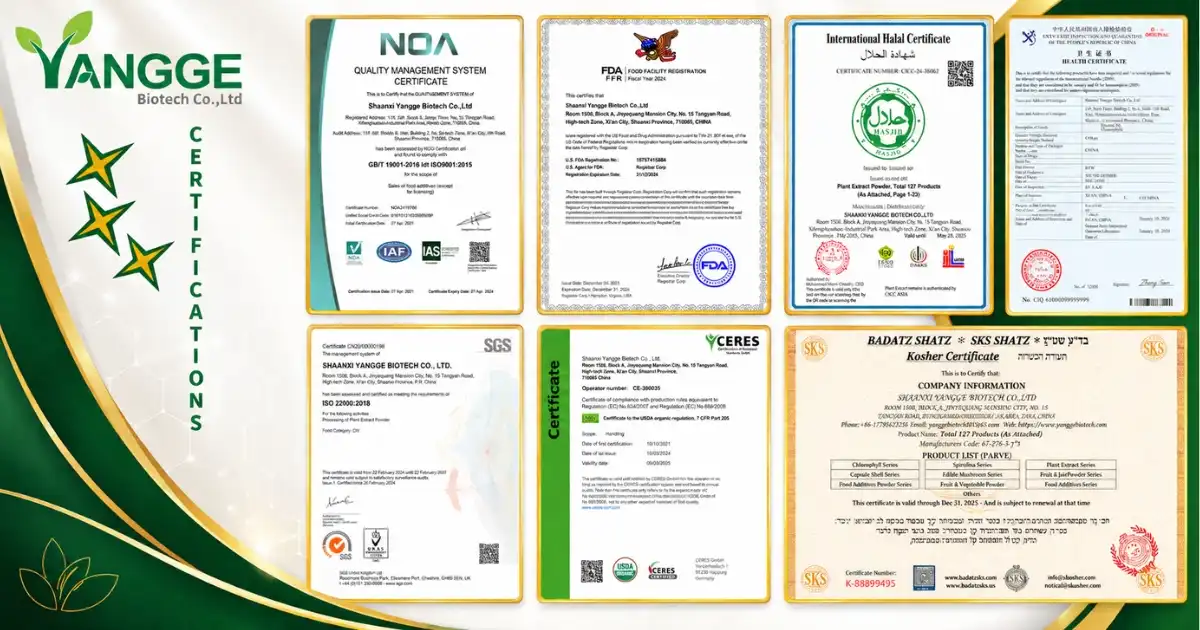
People look at certification first when they want to buy food or beauty products. Before they give you a raw material, you should make sure that any Vegetable Carbon suppliers have these licenses:
- FDA compliance documentation: This makes it clear that the drug is safe to use as a food additive in the United States.
- Halal and Kosher certificates: Brands that sell to both Muslim and Jewish customers or shops that need to be certified in two different ways must have these.
- Lot-specific COA with PAH and heavy metal data: EU buyers must check that the arsenic, lead, mercury, and PAH-4 amounts are below the limits set by Regulation (EC) No 231/2012.
It's not possible to use these papers with different goods, so always ask for certificates that are specific to the batch and not credentials that are valid for the whole company.
Supplier Selection and MOQ Strategy
| Supplier Factor | What to Check |
|---|---|
| Declared raw material origin | Authentic coconut shell or bamboo, not mineral or oil |
| Laboratory testing frequency | Per shipment, not per quarter |
| Sample availability | 10–30g free for research and development |
| MOQ and stock status | Confirm in-stock volume vs. minimum order |
| Delivery terms | FOB or CIF options for cost planning |
Right now, Yangge has 5 tons of Vegetable Carbon Black E153 in stock. They offer FOB/CIF delivery and need a minimum order of 1 ton. For R&D to try out before committing to a production run, there are free samples that weigh 10 to 30 grams.
Pricing and Lead Time Realities
Vegetable Carbon is more expensive than Industrial Carbon Black because it must be processed in a way that is safe for food, it must be easily trackable, and it must be certified. Changes to the ingredients, like Brilliant Black BN (E151) to E153, usually make the label more valuable, which covers the cost of the ingredients. People who need something quickly don't have to wait 6–10 weeks for special production runs if the item is in stock.
Practical Decision-Making Framework for B2B Buyers
Match Material to End Use
What's the point of this? In procurement, that's the most important question. Real food-grade plant carbon is the only thing that will work for a product that people eat, drink, take as a supplement, or use for beauty reasons. If the question is about rubber, plastics, or industrial paints, the right answer is Industrial Carbon Black. When you mix these groups, you put yourself at risk with the government and the law.
Cost-Benefit Analysis Beyond Unit Price
It's not enough to know how much the raw materials cost in order to buy food colorants. Think about how much it would cost to get certified, try new recipes, and make sure that every batch is the same. Also, think about the risk that could come from having to recall food that was labeled wrong. It is easier to do quality assurance (QA) and the regulatory review process goes faster when you buy Vegetable Carbon from a reliable company that keeps testing records for each package. This often leads to bigger savings than the difference in price suggests.
Sustainability as a Procurement Driver
The need for clean labels is changing where ingredients come from. In a study from 2023, Innova Market Insights found that 64% of customers around the world actively look for things with natural materials that they can recognize. This choice is supported by Vegetable Carbon made from agriculture waste like coconut shells and bamboo, which supports claims of sustainability. In the same way, Industrial Carbon Black, which comes from processing fossil fuels, doesn't work well for consumer brands.

Future Trends in Carbon Materials for B2B Markets
Expanding Food Applications
In every type of product that is affected by social media, the need for shockingly dark foods keeps rising. In the U.S., EU, and Asian markets, people still want to buy black burger buns, drinks with activated charcoal, and candy that looks like quartz. This keeps the demand for high-opacity Vegetable Carbon that doesn't change color much from batch to batch high. This is one of the things that makes trusted production partners different from commodity providers.
Technology Advances in Industrial Carbon Black
Companies that make Industrial Carbon Black are investing in technologies that change the surface of things and engineer nano-grade particles to make battery electrodes and coatings that conduct electricity better. Due to these changes, carbon materials used in food are now even more different from those used in industry. It's now even harder to switch between the two uses.
Regulatory Tightening and Traceability Requirements
As of now, the EU is still thinking about PAH limits and rules for making sure that carbon-based food products can be tracked. Mineral and carbon-based colorants are now following the trend in plant extracts toward being able to trace back to the farm where the ingredients came from. When suppliers put money into well-documented supply chains, they can meet buyer wants in a way that less strict suppliers won't be able to. This means finding places to get raw material and trying the finished powder.
Conclusion
Industrial Carbon Black and Vegetable Carbon look a lot alike, but they are used for very different things and have very different safety, legal, and useful properties. The only one that is officially and legally okay for people who make food, cosmetics, and clean-label items is the E153 type that comes from plants. It is safer to buy from a seller who has been checked out, has batch-level paperwork, recognized certifications, and quick technical help. This will also protect the finished product's name. The two products are different not in terms of which one you like better, but in terms of how well they meet standards.
FAQ
Is vegetable carbon safe to use in food products?
Regulation (EC) No 1333/2008 recognizes Vegetable Carbon with the code E153 as a food coloring agent in the EU. It has to pass strict quality tests that show it is free of PAHs and heavy metals before it can be used as an ingredient in food. Industrial Carbon Black shouldn't be used in food because it doesn't follow these rules.
How do I verify that a supplier's product is truly plant-derived carbon black?
For each batch, ask for a COA, a list of the raw materials' sources (like bamboo or coconut shell), and PAH-4 and heavy metal test reports from a third-party lab. If the Vegetable Carbon company you choose is honest, they will only send you these papers when they ship something, not all the time.
What is the minimum order quantity for food-grade E153?
Yangge is a company that sells food-grade Vegetable Carbon and has a 1-ton MOQ. Before going into full production, Yangge also gives away 10–30g pieces for research and development (R&D).
Can vegetable carbon replace synthetic black dyes like E151?
In many ways, that's true. E153 makes baked goods, candy, ice cream, and sauces look very dark black. How well the shade works depends on the pH and dosage rate. Before making big changes to the formula, it's best to try out free samples.
Request a Free Sample of Yangge's Vegetable Carbon Black E153
Halal, Kosher, and FDA-compliant, Certified Vegetable Carbon Black E153 from Yangge Biotech. Right now, they're giving away free 10–30g R&D samples and have 5 tons in stock. This company, Yangge, makes Vegetable Carbon and you can trust them. They let you choose how to ship FOB/CIF and test every package in a lab. They can help you with your recipe from the testing stage all the way through production. Feel free to email us at info@yanggebiotech.com to get your sample right away.
References
1. European Parliament and Council. Regulation (EC) No 1333/2008 on Food Additives. Official Journal of the European Union, 2008.
2. European Commission. Commission Regulation (EU) No 231/2012 Laying Down Specifications for Food Additives. Official Journal of the European Union, 2012.
3. International Agency for Research on Cancer. IARC Monographs on the Evaluation of Carcinogenic Risks to Humans: Carbon Black, Volume 93. World Health Organization, 2010.
4. Innova Market Insights. Top Ten Trends in Food and Beverage. Innova Market Insights Annual Report, 2023.
5. U.S. Food and Drug Administration. Code of Federal Regulations Title 21: Color Additives Exempt from Certification. FDA, 2022.
6. Donnet, J.B., Bansal, R.C., and Wang, M.J. Carbon Black: Science and Technology, 2nd ed. Marcel Dekker, 1993.

Based on your location and order quantity, you will have the opportunity to receive a limited time free shipping promotion!
Who we are
Popular Blogs