How to Use Gardenia Blue Powder in Drinks, Desserts, and Skincare
Start with small amounts of gardenia blue powder in drinks, desserts, and skin care products before using them all. To get the right dose, mix the powder with a little water ahead of time and add it slowly while stirring. Once the drinks are hot, check their color and clarity. Check the shade of desserts after they have been baked, cooked, or frozen. For skin care, only use a grade that has been approved for cosmetic use, and check the rules in your area. Formulators and buyers who want a natural blue that works in real life are the ones I wrote this guide for. I'll talk about grades, testing steps, comparisons, compliance, and sources below. Every part stays useful and short.
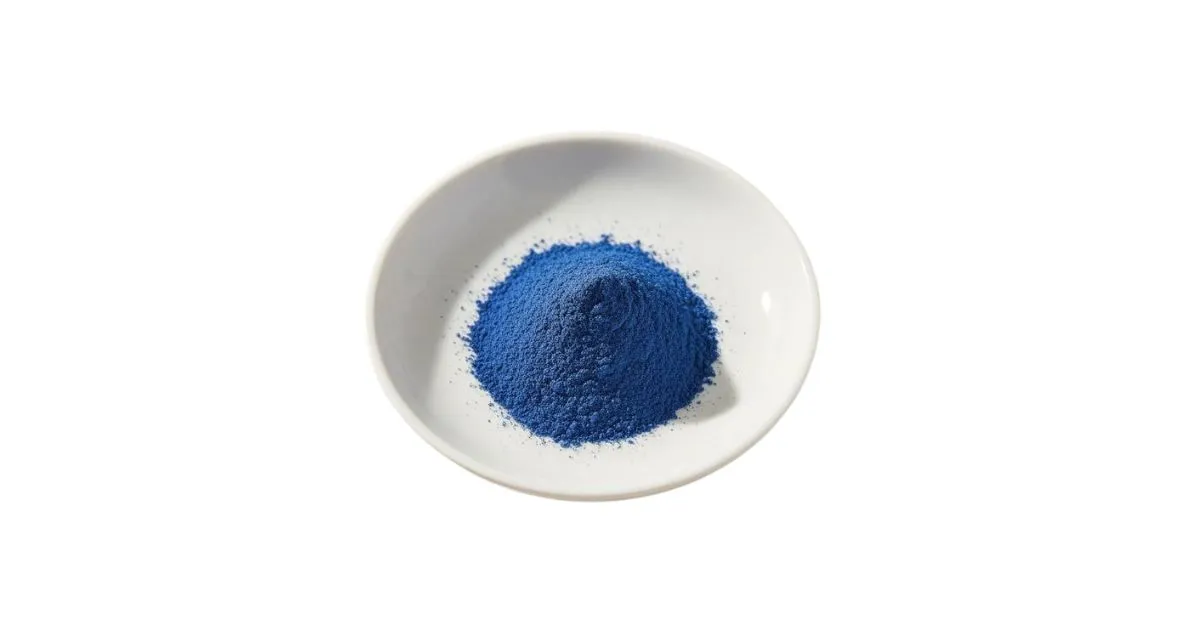
What Is Gardenia Blue Powder?
How Gardenia Blue Powder Is Made?
The plant Gardenia jasminoides Ellis, which belongs to the Rubiaceae family, is the source of Gardenia blue powder. Geniposide is an iridoid compound that is found in the fruit. With the help of the enzyme beta-glucosidase, producers change geniposide into genipin. After that, genipin reacts with amino acids, which makes the blue pigment. It is standardized and then dried into a fine powder. The blue color doesn't come from simple solvent extraction; it's made during the reaction itself. A 2020 review in Trends in Food Science & Technology says that genipin is a natural source of blue pigments that can be used in food and for health reasons. Because there are several steps that need to be controlled, the shade and strength of the color change from batch to batch.
Yangge Gardenia Blue Powder at a Glance
From our technical sheet, here are some quick facts about the product.
| Item | Detail |
|---|---|
| Brand | Yangge |
| Product | Gardenia blue powder (gardenia blue extract) |
| Source part | Fruit |
| Grades | E30, E60, E80, E100, E200 |
| Appearance | Blue fine powder |
| Solubility | Easily soluble in water and ethanol aqueous solution; insoluble in organic solvents |
| Availability | In stock |
| Other | GMO-free, gluten-free |
The E number shows the value of the color. You may be able to get to the shade you want with less paint if the grade is higher. Because pH and the base of the product change the result, your tests should confirm the exact dose. If you ask, we can send you the E80 technical data sheet.
Why Formulators Choose Gardenia Blue Over Other Natural Blues?
Some blues are hard to find in nature. As a protein pigment, spirulina blue is weak in heat, so a 2014 paper in Process Biochemistry looked at ways to make spirulina C-phycocyanin more stable at high temperatures. It turns purple or pink when mixed with acidic drinks. People like gardenia blue powder because it keeps its color in a lot of different pH and heat conditions. It can also be mixed with gardenia yellow to make natural green, which makes a color line easier to read. Since both colors come from the gardenia plant, it can save you money to buy both from Yangge at the same time. The specifics still depend on your base, which is why I always recommend a bench trial.
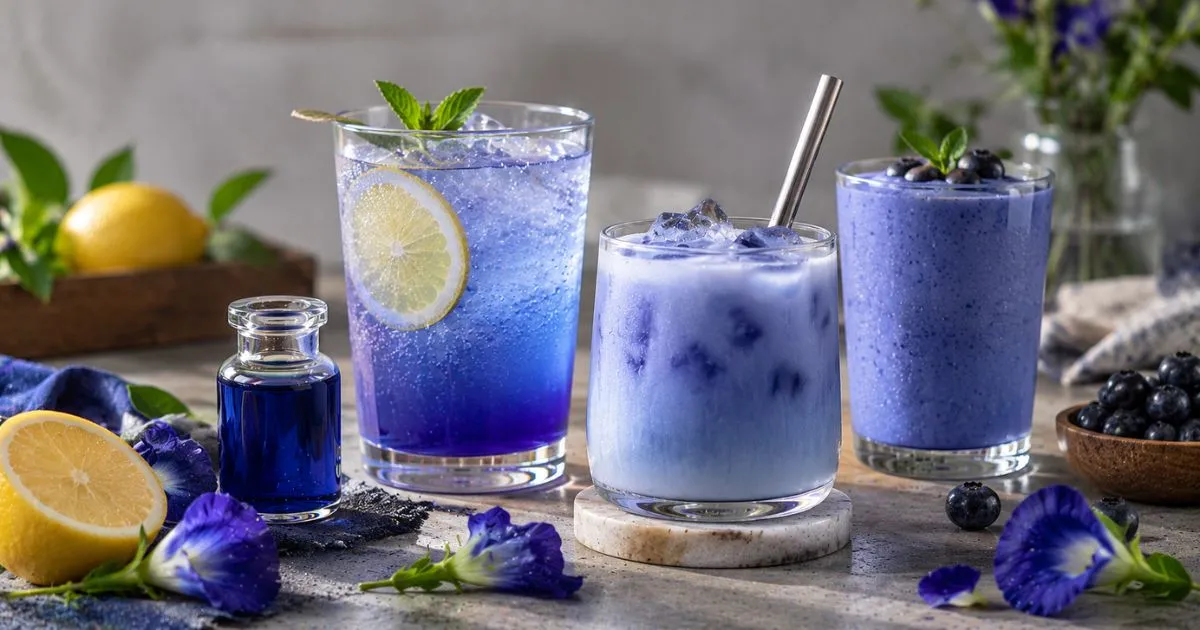
Application Guide: Drinks, Desserts, and Skincare
How to Use Gardenia Blue Powder in Drinks?
Begin with the pre-dispersion. Mix the powder with a little room-temperature water until there are no more specks. Then, slowly add the concentrate to the batch while mixing it all the time. Because color changes based on E grade and pH, test three or four dose levels. Checks need to be done on haze, sediment, and filtration for clear drinks. Drinks that are cloudy or powdered need to be put back together. Then, heat-treat a piece of the plant the same way you will, and look at the color difference between the two. The powder is said to dissolve easily in water in our product data. However, proteins, minerals, and sweeteners can change the results, so you should always test your own base. Often used as test cases are alcoholic drinks and teas.
How to Use Gardenia Blue Powder in Desserts?
Color is moved by heat, sugar, fat, and cold in desserts. Break up the powder first in fillings, cakes, and cookies, and then look at the shade before and after baking. Do a freeze-thaw test on ice cream and look for color loss. For candy, gummies, and jam, test at the actual temperature you use to cook and with the gelling system you use. This is because pectin, gelatin, and starch all behave in different ways. You should add gardenia yellow in small amounts to get green shades. Write down each ratio and compare it to a color reference, like a swatch or a colorimeter reading. Gardenia blue is known to be stable at high temperatures, but I always suggest doing a small batch first before going big. You should test both new and old samples.
How to Use Gardenia Blue Powder in Skincare and Cosmetics?
Skin care needs extra attention. Just because a powder is food-grade doesn't mean it can be used on the skin. The Federal Food, Drug, and Cosmetic Act in the US says that color additives in cosmetics must be approved for that purpose. Before you formulate, check the list. Get ingredient lists, microbial limits, heavy metal data, and safety information from your supplier. In water-based gels, masks, and creams, if your market lets you, test the powder. Keep an eye out for separation, staining, changes in texture, and compatibility with preservatives. Skin safety testing has to be done before the launch. Tell us about the type of product and the market you want to reach, and we'll look over the documents we can offer you.

Gardenia Blue Powder Solubility, Shade, and Stability
Solubility and Dispersion in Your Base
Being soluble is not the same as being spread out. If you mix a powder with clear water, it might leave behind spots or a haze in a base that has oils, minerals, proteins, or too many solids. It's easy for gardenia blue powder to dissolve in water and ethanol aqueous solution, but not in organic solvents. This means that oil-based systems need a different approach. How fast the powder dissolves depends on the temperature of the water, how long it takes to mix, the size of the particles, and the ionic strength. A short step with a lot of shear or a filtration check can show if there are still particles that haven't been dissolved. It can soak up water like a lot of fine powders, so close the bag after each use to keep it from caking.
Heat, pH, and Light Stability
Gardenia blue is looked at because of its heat and pH. Our product sheet says that pH doesn't really change its color tone or stability, and that genipin-based blues can handle more heat than spirulina blue. Some systems can show a slight shift toward green-blue in bases that are very acidic, around pH 3 or lower. This is why I suggest testing acidic drinks and jams early on. When you store something, light, oxygen, and humidity are also important. At the beginning and end of the storage period, record the shade using a visual standard and instrument data, such as CIE Lab* values. That gives you proof to decide whether to go or not.
Gardenia Blue Powder vs. Other Blue Options
This table shows how the main blue choices stack up on the most-asked-about factors.
| Blue option | Heat | Acidic drinks |
|---|---|---|
| Gardenia blue powder | Generally heat tolerant; validate in your process | Steady across a wide pH range; test near pH 3 |
| Spirulina blue | Sensitive to heat | Protein-based; may precipitate in some acidic systems |
| Butterfly pea extract | Varies by extract | Shifts toward purple or pink |
| Synthetic blue | Consistent | Consistent; not a natural label |
Don't take the table as the answer; use it as a starting point. You should compare both prices and how much they cost to use, since a high E grade may need less powder.

Quality, Compliance, and Supplier Selection
Documents to Request Before Approval
Your product and your customers are safe with a good approval file. For food use, get a specification, an analysis certificate, microbiological results, contaminant testing, allergen information, and proof that the product can be used. Make sure the proof lists the grade, color value, carrier material, batch number, country of origin, and how long it will last. Check claims about GMOs, veganism, organic products, or "clean labels" against written proof. Yangge is certified by ISO, HACCP, Kosher, and Halal. Our food does not contain any GMOs or gluten. Please let us know what papers go with each sample so that your lab can check the information against the results of its own tests.
U.S. Regulatory Status and What to Check
Every country has its own rules, so I always tell buyers from the U.S. to read the listing first. In 21 CFR Part 73, the FDA lists the color additives that are allowed. In 2025, the agency approved gardenia (genipin-glycine) blue for certain food uses. Read the exact food categories, limits, and identity language, and make sure that the material your supplier gives you matches the additive that is listed. When used in cosmetics, color additives must follow different rules. The last word on each product and label should come from your regulatory team. If you want to sell gardenia blue in a country other than the U.S., ask us about its status there, because it has a different reputation in different places.
How to Choose a Gardenia Blue Powder Supplier?
There are other things that matter besides price. Grade range, color value, batch consistency, documents, minimum order quantity, packaging, stock, and technical support are all things that you should compare. Add up the cost of shipping, customs, testing, and storage. In stock at Yangge are E30, E60, E80, E100, and E200. This means that you can test one grade of gardenia blue powder and then switch to a different one without having to make a new supplier file. You can ask our R&D team about shade matching and dispersion, and our online service is open 24 hours a day. Ask early on about sample size and minimum order quantity so that your small test doesn't get held up.
From Sample to Commercial Production
A Practical Development Workflow
From asking for a sample to the first run of the project, it might take three to eight weeks on average. First, decide on the product, the shade you want, the process, the packaging, and the market. Ask for samples and test them on a bench at different doses. Now check the pH, heat, light, and how it is stored. Test the mixing order, filtering, and color consistency on a small scale before moving on to the big batch. Lock the specification and batch-release criteria before giving the final go-ahead. After the launch, keep the samples that were kept and look over the shelf-life results. Let us know about your plan early on, and we'll give you a starting grade between E30 and E200. Each step makes later work easier.
Common Mistakes to Avoid
Five mistakes happen a lot. At first, teams use the same dose for all of their products. However, a clear drink, an acidic candy, and a protein dessert each need their own trial. Second, they don't do pre-dispersion, which can make spots and streaks appear. Third, they only test new samples, so they miss changes that happen while the samples are stored. Fourth, they pick a supplier based only on price, and then there are color differences between batches. Fifth, some cosmetics teams use food-grade materials without having the right paperwork for topical use. If you don't make these mistakes, you'll save time and get consistent color from the first test run to production. Most of them are caught by a written test plan.
Storage and Handling
Color strength is kept safe by good storage. Keep the powder in a cool, dry, dark place that is sealed and won't get wet. When you're done scooping, close the bag right away. Also, don't open a cold bag in a humid room because condensation can form. Follow the supplier's paper work about how long the food can be kept fresh. Use clean, dry scoops. If clumps appear, don't think the color is gone; test a small amount and compare it to a new sample. Write the date and batch number on each opened bag. When you're doing small tests with a strong grade like E200, these habits help you keep the accuracy of the dose steady, which is important.
Conclusion
Gardenia blue powder is a plant-based blue made by reacting genipin from gardenia fruit with amino acids. It is better than spirulina or butterfly pea in many systems because it performs consistently better under heat and pH than both. It works best to match the E grade to the product, spread the powder out ahead of time, and test the shade, clarity, dispersion, and shelf life of drinks, desserts, and skincare bases separately. Cosmetic use needs topical-use documents, and food use in the U.S. needs to be checked against the FDA's list of color additives. Written specifications, batch records, and pilot tests are needed for sound approval. When you put gardenia blue up against other blue options side by side and include cost-in-use, you can get a good idea of how it stacks up.
FAQ
Q1: Is gardenia blue powder soluble in water?
A: According to the information we have on the product, it dissolves easily in water and ethanol aqueous solution but not in organic solvents. If you want to change the dispersion, test your own base with oils, proteins, and minerals.
Q2: Does it hold its color in acidic drinks?
A: The product sheet says that pH doesn't really change the color tone. If the base is very acidic, like pH 3 or lower, there may be a small shift from green to blue, so do a test early on. Check it again after putting it in the heat.
Q3: Can I use it in skincare?
A: As long as the market allows it, only use a grade that has been approved for topical use. Just being food-grade isn't enough. Tell us about the people you want to review documents.
Q4: How should I store it?
A: Remember to keep it cool, dry, dark, and sealed, and check the batch documents for the shelf life.
Q5: Which grade should I test first?
A: Pick by color you want and cost-per-use. You can get an E80 technical data sheet, and higher grades give you more color per gram.
Request Gardenia Blue Powder Samples From Yangge
Looking for a place to buy gardenia blue powder? Yangge keeps grades E30, E60, E80, E100, and E200 in stock, and these grades are certified as ISO, HACCP, Kosher, and Halal. If you email info@yanggebiotech.com with your application, target shade, and pH, our team will get back to you with sample information and documents. Ask if gardenia blue and yellow can be mixed to make a cheaper green. We also have online service 24 hours a day.
References
1. Trends in Food Science & Technology, 2020. "Genipin: A Natural Blue Pigment for Food and Health Purposes."
2. Annual Review of Food Science and Technology, 2017. "Natural Colorants: Food Colorants from Natural Sources."
3. Process Biochemistry, 2014. "Thermal Stability Improvement of Blue Colorant C-Phycocyanin from Spirulina platensis for Food Industry Applications."
4. Journal of Food Science and Technology, 2021. "Extraction Methods of Butterfly Pea (Clitoria ternatea) Flower and Biological Activities of Its Phytochemicals."
5. Code of Federal Regulations, Title 21, Part 73, 2024. "Listing of Color Additives Exempt From Certification."
6. Federal Food, Drug, and Cosmetic Act, 1938.

Based on your location and order quantity, you will have the opportunity to receive a limited time free shipping promotion!
Who we are
Popular Blogs