How to identify high quality kombucha powder without additives
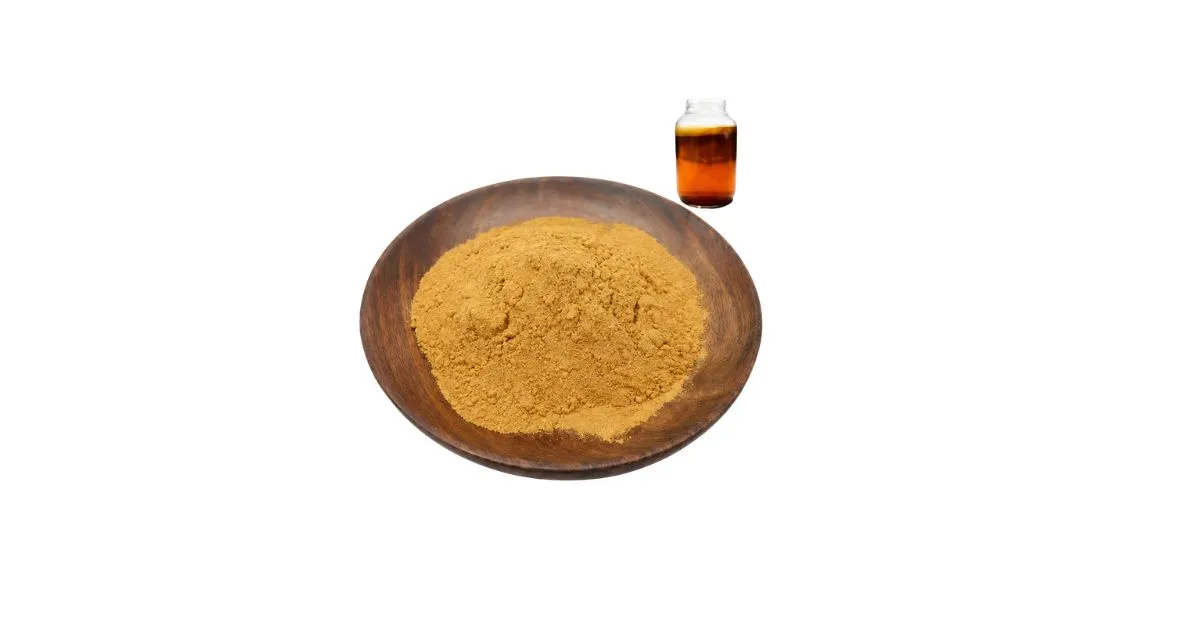
Yangge Biotech supplies high-quality Kombucha Powder produced from carefully fermented tea and processed into a convenient, free-flowing powder suitable for dietary supplements, functional beverages, powdered drink mixes, gummies, capsules, and other wellness products. Our Kombucha Powder is available for bulk purchasing and can be customized according to your formulation and packaging requirements. Yangge Biotech provides a Certificate of Analysis (COA), third-party testing reports, and relevant quality documentation for every batch to help customers verify product identity, purity, and compliance. We also offer OEM and private-label services, including customized formulas, labels, logos, package sizes, and packaging styles. Contact us today for product specifications, samples, certifications, bulk prices, and OEM solutions. Email: info@yanggebiotech.com.
Identifying high-quality kombucha powder without additives requires examining ingredient transparency, active SCOBY content, certification credentials, and manufacturing standards. Genuine kombucha powder should display 100% water solubility, a brown-yellow appearance with an earthy fermented aroma, and be backed by Kosher, Halal, and Non-GMO certifications. Procurement professionals should verify third-party test reports, confirm UV extraction methods preserve bioactive compounds, and audit supplier compliance with GMP and ISO protocols to ensure batch consistency and probiotic viability throughout the 12-month shelf life.
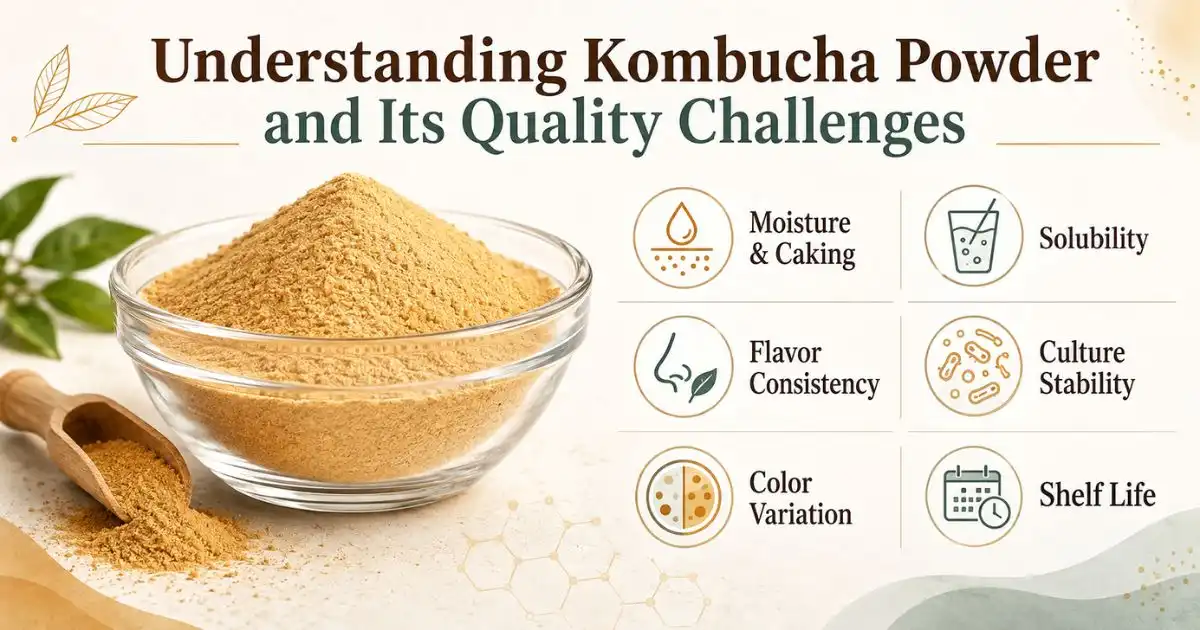
Understanding Kombucha Powder and Its Quality Challenges
Kombucha Powder is a concentrated, shelf-stable form of soured tea cultures that contain bacteria and organic acids. It is made by drying the cultures in special ways. The powder form keeps the symbiotic culture of bacteria and yeast (SCOBY) alive while getting rid of the moisture, making an ingredient that can be used in drinks, functional foods, and the creation of dietary supplements.
There are still problems with quality because many products have fillers, stabilisers, or fake flavours that make them less effective and clear. A lot of companies add maltodextrin or silicon dioxide to make their products flow better or last longer, but this hurts the clean-label status that health-conscious customers want. There are big differences between suppliers when it comes to the fermentation process itself. Some use sped-up methods that lose diversity of probiotics and organic acid profiles.
Recognizing Authentic Fermentation Markers
The sensory characteristics of genuine kombucha Powder made through traditional fermentation are distinct. Even if you mix kombucha Powder with water, the unique taste and smell should still be there. The earthy, fermented smell comes from the activity of acetic acid bacteria. Colour uniformity is important. Real fermented tea powder stays a brown-yellow colour without adding any fake colouring. Any changes outside of this range usually mean that either the raw materials have been switched out or there are standardising agents present.
Common Adulteration Practices in Commercial Supply
When purchasing fermented tea ingredients, procurement professionals come across a number of patterns of adulteration. Some sellers mix kombucha extract with tea polyphenol powders to make the antioxidant levels on certificates of analysis look better than they really are. Some people add ascorbic acid to fake the sour taste without actually fermenting the food. The trickiest thing that can be done is to combine small amounts of real kombucha Powder with spray-dried tea extracts that contain maltodextrin carriers and sell it as "kombucha blend" without making it clear on the label.
Core Criteria to Identify High-Quality Kombucha Powder Without Additives
For B2B buyers, quality is judged by how clear the ingredients are, how well the probiotics work, any certifications they have, and how well the product was made. To prove additive-free status, each criterion needs to be checked through paperwork, source checks, and lab tests. High-Quality kombucha Powder must have a clear list of all its ingredients, along with certificates from independent testing services that attest to the absence of any additives.
Ingredient Transparency and Label Declaration
Full disclosure includes saying what kind of tea leaves were used for fermentation (black tea, green tea, or a mix of the two) and confirming that no carriers, flow agents, or preservatives got into the production stream. Suppliers who follow clean-label rules give out certificates of analysis that list the active ingredients, such as gluconic acid, acetic acid, and residual polyphenol content, along with the batch number.
The standard sheet should clearly say "100% Water Soluble" without the need for any extra solubilizers. This means that the natural solubility of fermented compounds was kept when they were sprayed-dry or freeze-dried properly. Products that need emulsifiers or dispersing agents to dissolve in water probably have structural changes or carrier additions that make additive-free claims less accurate.
Probiotic Viability and SCOBY Integrity
Probiotic CFU count, strain variation, and stability are important quality indicators that make sure consumers get health benefits. Although kombucha Powder loses water, which lowers the number of viable cells, reputable providers keep minimum levels by controlling drying temperatures and using protective packaging technologies. The word "active ingredient" (SCOBY) on the product details means that the product contains both bacterial (Acetobacter, Gluconacetobacter) and yeast (Saccharomyces, Brettanomyces) parts that are typical of real kombucha cultures.
Documentation from stability tests should show how many probiotics are still alive after 12 months of storage in cool, dry places out of direct sunlight, as suggested. Manufacturers who use UV extraction methods need to show proof that their process achieved the desired bioactive chemical concentration without harming the survival of microbes, since too much UV light can damage cell structures.
Certification Credentials and Regulatory Compliance
Organic and non-GMO certifications add to the proof that a product is real, which is especially important in markets that are regulated. Kosher and Halal approvals meet religious food needs while also ensuring that ingredients are carefully chosen and production is closely supervised. For these third-party approvals to be given, every step of the supply chain has to be checked every year, from growing the tea leaves to fermenting, drying, and packaging them.
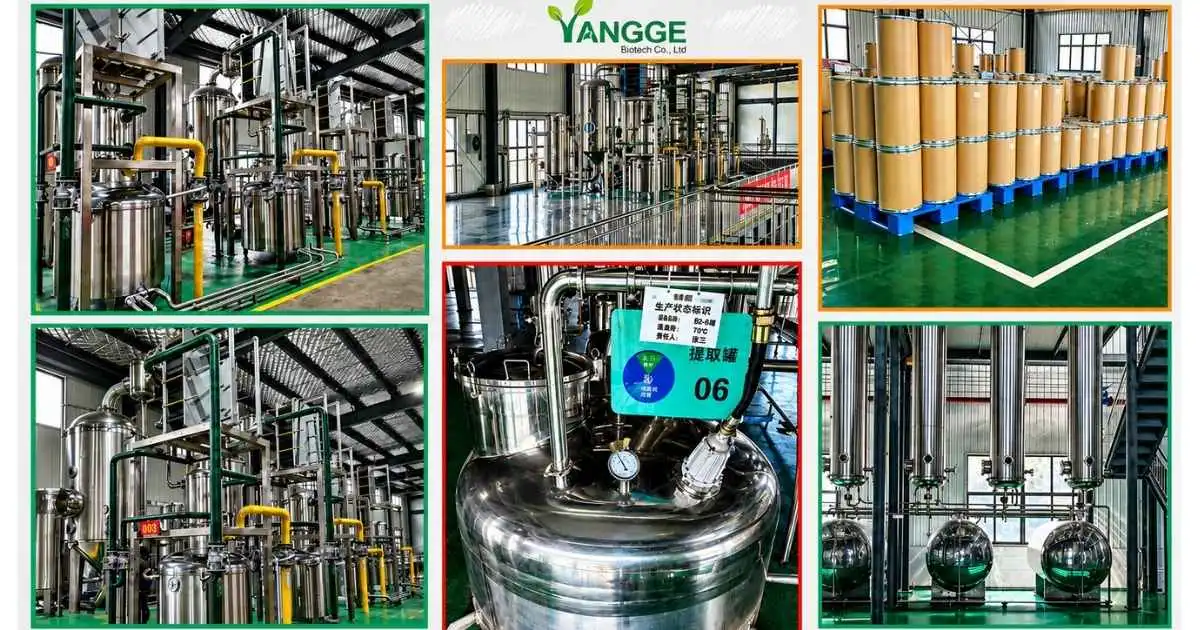
GMP, ISO, and thorough source checks make sure that production quality and traceability are always the same. This gives buyers trust in long-term partnerships for sourcing. ISO 22000 approval is all about making sure that food safety management systems are working properly, and HACCP compliance shows that hazard analysis methods are in place to keep food from getting contaminated. Suppliers should be happy to show proof of controlled production conditions such as building approvals, sanitation standard operating procedures, and environmental tracking records.
Comparing Kombucha Powder Types and Formulations for B2B Procurement
When it comes to buying kombucha, the different types (powders, drinks, pills, and teas) show how things like shelf life, logistics, and cost-effectiveness affect choices. By knowing these differences, buying managers can choose forms that work with their factories and meet the needs of their target market. Compared to drinks, bulk kombucha Powder is more stable in storage and allows for more creative formulations.
| Format | Life on Shelf | Needs for Storage | Formulation Comfort | Cut down on shipping costs |
|---|---|---|---|---|
| Powder for Kombucha | 12 to 24 months | The air is cool and dry. | Highly accurate dosing for a variety of uses | Excellent—1 tonne of powder is the same as 50 or more tonnes of liquid |
| Kombucha in a bottle | 6 to 12 months | Stored cool | Moderate: only ready-to-drink or diluted | Poor—heavy, needs a cold chain |
| Capsules for Kombucha | 18 to 24 months | Scenery | Low-dose version with set dose | Good—not too heavy and stable |
Organic Versus Non-Organic Sourcing Considerations
There are trade-offs between organic and non-organic choices in terms of price and market value, which are affected by health trends. Organic-certified kombucha Powder typically costs 20–35% more than regular options, but it can reach growing markets that want ingredients that are guaranteed to be free of pesticides and sustainable. To get organic certification, you need proof that the tea leaves came from certified organic fields, fermentation cultures that don't use any manmade chemicals, and factories that separate their organic and normal product lines.
Extraction Method Impact on Bioactive Retention
When product specifications talk about UV extraction methods, they usually talk about quality control testing routines instead of main extraction techniques. The traditional method of making kombucha Powder is fermentation followed by dryness via spray-drying or freeze-drying. Spray-drying works at controlled temperatures (140–180°C input, 70–90°C output), and the fast evaporation of wetness protects heat-sensitive chemicals. Freeze-drying keeps more of the nutrients in food better, but it costs a lot more to make, which shows in the end price.
Best Practices for Evaluating Kombucha Powder Suppliers and Making Bulk Purchases
To lower the risk of choosing unreliable kombucha Powder suppliers, you should look at their certification status, how open the supply chain is, and customer feedback. Multiple layers of quality checks should be part of the due diligence process to protect against quality problems that could delay production and hurt the brand's image.
Supplier Qualification and Audit Protocols
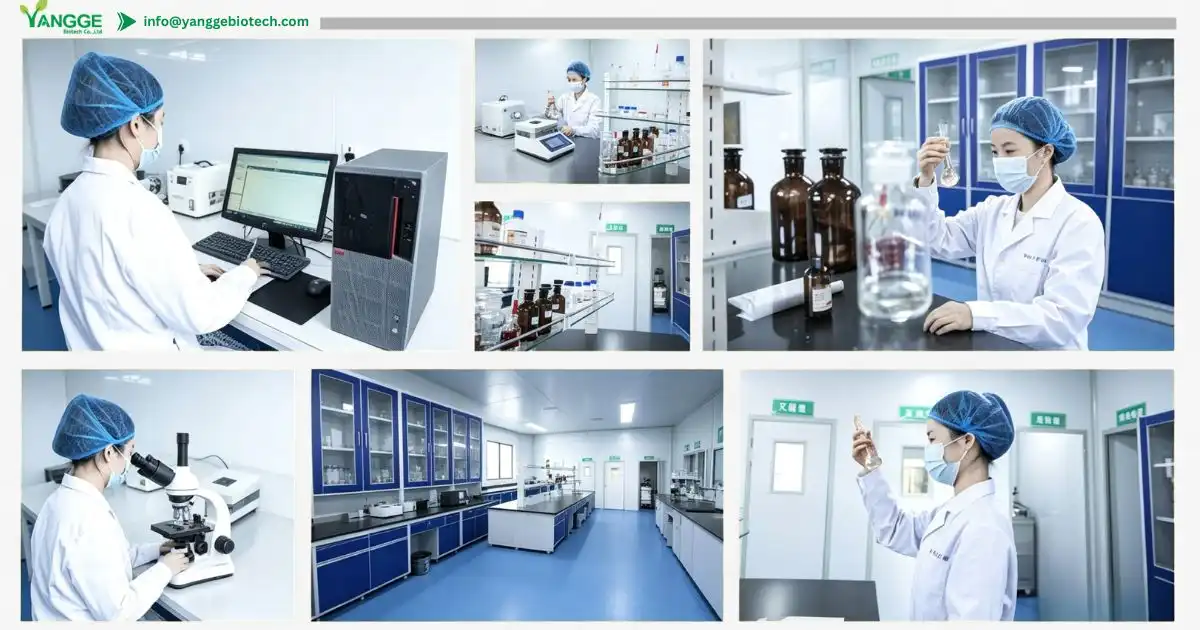
A thorough evaluation of a seller starts with a study of the paperwork, such as business licenses, output permits, and certification portfolios. Third-party inspectors' reports on facility inspections give an unbiased look at the working conditions in factories, quality control labs, and measures taken to avoid contamination. Virtual views of facilities through videoconferencing are a good way to get a feel for them, but for high-volume buying relationships, trips to the real place are still the best. Verification of customer references and testimonials shows a supplier's past success in terms of on-time deliveries, quick technical help, and the ability to handle a crisis.
Cost Structure Analysis and Negotiation Strategies
To negotiate well, you need to know about things like price per kilogram, volume deals, and long-term supply agreements that don't hurt the quality of the product. By breaking prices down into their individual parts, like the cost of raw materials, the length of fermentation, the drying technology, certification fees, packaging, and shipping, people can have more informed conversations and come up with terms that are good for everyone. Annual contracts with minimum purchase obligations keep prices stable and protect against rising costs of raw materials.
Logistics Optimization and Quality Preservation
Logistics are very important. The right shipping conditions keep probiotics alive, and the best storage choices make managing supplies easier. Kombucha Powder can withstand room temperature for short periods of time, but long-term exposure to temperatures above 35°C or high humidity reduces stability. The shelf life directly affects how well the packaging works. The 25KG sealed pouch or container specification keeps oxygen and moisture out, which are the main things that break down fermented ingredients.
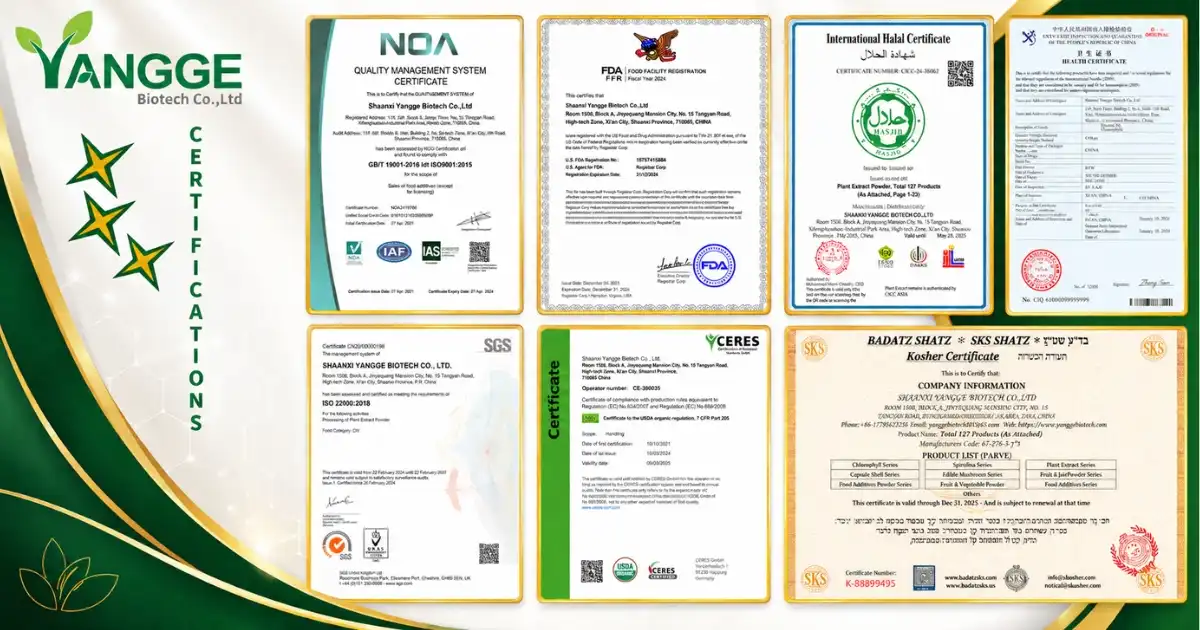
Certificate
Yangge Biotech supplies high-quality Kombucha Powder produced under strict quality-control procedures. Each batch can be supported with a Certificate of Analysis (COA) and third-party test report covering key parameters such as appearance, moisture, purity, microbiological limits, and heavy metals. Additional certifications and regulatory documents, including GMP, ISO, HACCP, Halal, or Kosher, may be available depending on the product specification and customer requirements. Please contact us to confirm the current certificates available for your market.
OEM Service
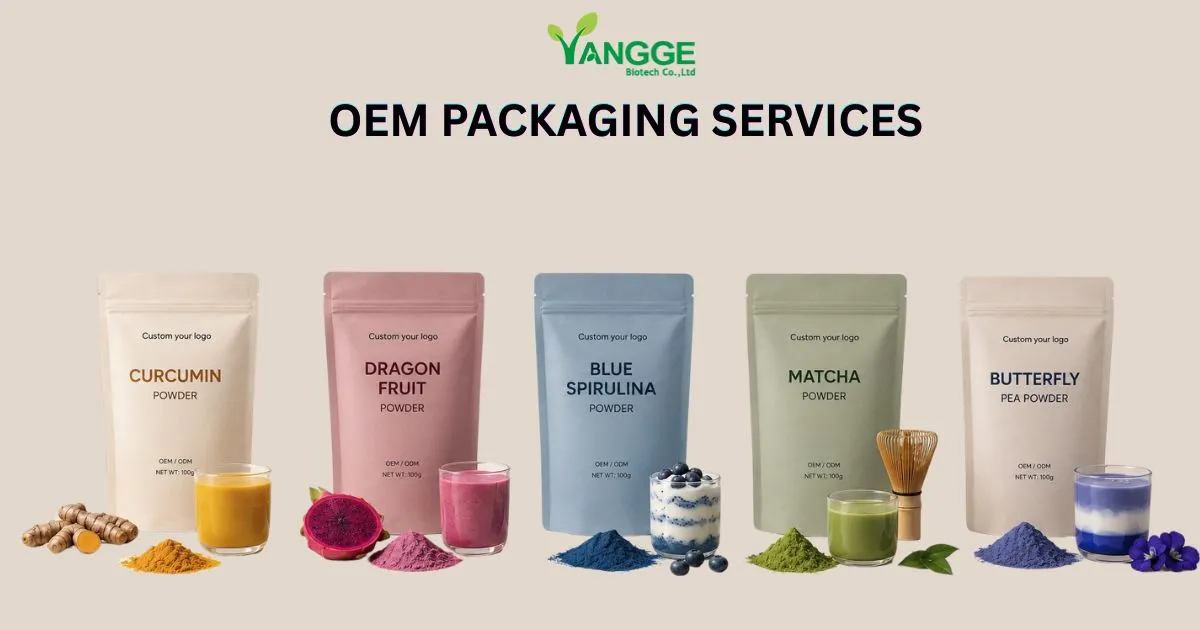
Yangge Biotech offers professional OEM and private-label services for Kombucha Powder products. Our customization options include product formulas, powder blends, flavors, concentrations, package sizes, labels, logos, and packaging styles such as pouches, jars, sachets, and bulk drums. We support customers throughout formulation, sample confirmation, quality testing, packaging design, and bulk production. For certificates, samples, quotations, and OEM solutions.
Avoiding Common Pitfalls When Procuring Kombucha Powder Without Additives
Buyers in the business world need to be careful of false product claims and secret ingredients that lower quality. There are different levels of quality in the global ingredient supply chain, so procurement workers need to be able to tell the difference between real kombucha Powder and compromised alternatives.
Identifying Misleading Claims and Hidden Additives
Labelling tricks can be as subtle as leaving something out or as obvious as lying. Terms like "kombucha-inspired" or "kombucha-flavored" usually mean that the product doesn't contain real fermented cultures, but instead uses flavour compounds that are meant to taste like kombucha. Often, hidden additives show up with scientific names that make it hard to understand what they do. Maltodextrin is often used as a flow and carrier agent. It can make up to 50% of kombucha Powder mixes, even though it comes from corn starch instead of fermented tea.
| Method of Verification | What It Proves | Red Flags to Look Out For |
|---|---|---|
| Testing by a third-party lab | Lack of additives, carrier substances, and preservatives that are not listed | Not giving out batch-specific COA; giving out generic certificates without batch numbers |
| Testing for Solubility | Natural spreading of water without emulsifiers | Needs to be mixed well or it will settle; foaming patterns that aren't natural |
| Evaluation of the Senses | Real fermented tea smell and taste profile | Chemical smells, added sweetness, and no tangy or earthy notes |
| Analysis of Moisture Content | Proper drying (less than 5% moisture) makes food last longer. | Clumping; too much wetness means the preparation wasn't done right |
Regulatory Compliance Across Different Markets
Understanding the rules and restrictions on importing and exporting is important for protecting market entry and lowering legal risks. Depending on the label claims and how the tea is meant to be used, the US Food and Drug Administration (FDA) rules fermented tea goods as either food additives or dietary supplements. Canada's Natural and Non-prescription Health Products Directorate has specific rules for kombucha products that claim to be good for you. Australia and New Zealand follow the Food Standards Code, which has rules about microbe boundaries and how fermented foods should be labelled.
Balancing Price Expectations With Quality Standards
Setting reasonable goals for price and quality is important for buying, since very cheap choices often reduce the lack of additives and the viability of probiotics. According to market research, the price of real kombucha Powder typically ranges between $25 and $60 per kilogram for regular grades and between $45 and $95 per kilogram for certified organic grades, depending on the size of the order and the specifics of the request.
Conclusion
Ingredient transparency, certification credentials, manufacturing standards, and supplier reliability must all be carefully considered when identifying high-quality kombucha Powder without additives. People who work in procurement should give more weight to partners who can show that their products are 100% water-soluble, contain real SCOBY active ingredients, and meet Kosher, Halal, and Non-GMO standards. When sourcing successfully, costs and quality must be balanced, with the knowledge that real fermented tea powder should be priced fairly on the market to reflect the real costs of production.
FAQ
How can I be sure that the Kombucha Powder contains no added ingredients?
Ask for certificates of analysis that are specific to each batch from third-party laboratories that have been approved to test for unlisted substances like preservatives, carriers, and flow agents. Check the ingredient lists to see if they only list one thing. Real goods will only say "kombucha Powder" or "Fermented Tea Powder" that comes from certain types of tea. Confirm the earthy, fermented smells and unique kombucha taste without any added sugar or chemical notes through a tasting evaluation.
What probiotic amounts ought to be present in premium kombucha Powder?
The amount of probiotics that can live in dehydrated kombucha depends on how it was dried and how it was stabilised. For bacterial parts, good sources keep minimum viable counts of 1x10^6 to 1x10^8 CFU per gram, but these amounts are still lower than those found in liquid kombucha that has been kept cold. It is more important to have a variety of strains characteristic of real kombucha Powder, such as Acetobacter species, than to have a high absolute CFU count.
Is kombucha powder or liquid better for manufacturing applications?
Kombucha Powder formats are clearly better for industrial processes that need longer shelf life, keeping at room temperature, accurate dosing control, and lower shipping costs. The 12-month shelf life without refrigeration makes managing inventory easier and gets rid of the costs of cold chain logistics. Formulation chemists like how the concentration lets them make small additions that deliver functional dosing without adding too much liquid.
Partner With a Trusted Kombucha Powder Supplier
For sophisticated B2B buyers in the food, beverage, and supplement businesses, Yangge Biotech is known for its quality, additive-free kombucha Powder. Our Superfood Kombucha Powder is certified as USP GRADE and KOSHER, and we have 1 TONNE in stock right now, ready to ship right away to companies that need reliable, high-quality fermented tea ingredients. Each order comes with farm-to-table traceability paperwork, and our expert team is available 24 hours a day to answer questions about formulation and application optimisation. Contact our team at info@yanggebiotech.com to talk about your unique needs and explore volume-based price structures.
References
1. Sreeramulu, G., Zhu, Y., & Knol, W. (2000). "Kombucha Fermentation and Its Antimicrobial Activity." Journal of Agricultural and Food Chemistry, 48(6), 2589-2594.
2. Marsh, A. J., O'Sullivan, O., Hill, C., Ross, R. P., & Cotter, P. D. (2014). "Sequence-Based Analysis of the Bacterial and Fungal Compositions of Multiple Kombucha Samples." Food Microbiology, 38, 171-178.
3. Watawana, M. I., Jayawardena, N., Gunawardhana, C. B., & Waisundara, V. Y. (2015). "Health, Wellness, and Safety Aspects of the Consumption of Kombucha." Journal of Chemistry, Article ID 591869.
4. Villarreal-Soto, S. A., Beaufort, S., Bouajila, J., Souchard, J. P., & Taillandier, P. (2018). "Understanding Kombucha Tea Fermentation: A Review." Journal of Food Science, 83(3), 580-588.
5. Jayabalan, R., Malbaša, R. V., Lončar, E. S., Vitas, J. S., & Sathishkumar, M. (2014). "A Review on Kombucha Tea—Microbiology, Composition, Fermentation, Beneficial Effects, Toxicity, and Tea Fungus." Comprehensive Reviews in Food Science and Food Safety, 13(4), 538-550.
6. Kapp, J. M., & Sumner, W. (2019). "Kombucha: A Systematic Review of the Empirical Evidence of Human Health Benefit." Annals of Epidemiology, 30, 66-70.

Based on your location and order quantity, you will have the opportunity to receive a limited time free shipping promotion!
Who we are
Popular Blogs