How to choose high quality astaxanthin powder
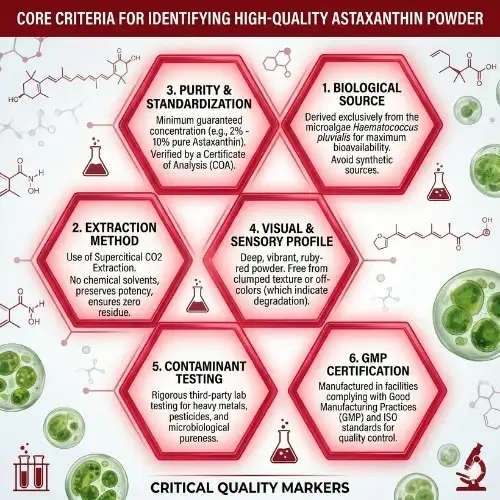
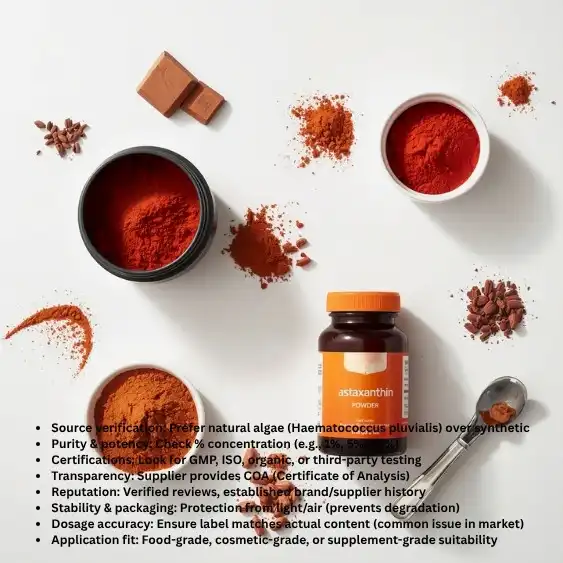
Before you can pick a good astaxanthin powder, you need to know about the source material and how well it was extracted. Microalgae Haematococcus pluvialis make the best powder. These algae are grown under controlled conditions and then processed using either supercritical CO2 extraction or HPLC, which protect the molecules' shape. The standard concentration for good products is between 2% and 10%, and the color is dark red. For formulating, this is important because it makes sure that the product is the same from batch to batch. Procurement professionals should make sure that suppliers give full Certificates of Analysis that show purity levels, confirm that the product is non-GMO, and show that it hasn't been irradiated or contaminated with allergens. This way, they can be sure that they are following the rules in all global markets.
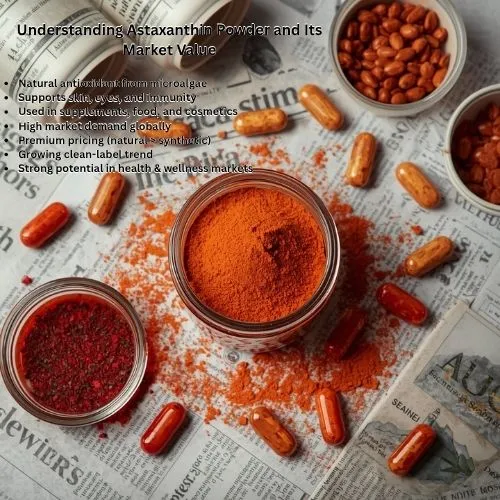
Understanding Astaxanthin Powder and Its Market Value
The need for natural carotenoids has grown really quickly. As more people learn about oxidative stress and cellular aging, the market for astaxanthin powder is likely to grow even faster than first thought. There is only one keto-carotenoid in the xanthophyll family. It is different because its molecular structure has thirteen conjugated double bonds and polar hydroxyl-ketone end groups that allow it to pass through all cell membranes. There is research that says this molecule's structure can neutralize free radicals in both lipid and water environments at the same time. Vitamin E is only about 100 times stronger than vitamin C and about 6,000 times stronger than vitamin C.
The main natural source is microalgae that are growing, especially Haematococcus pluvialis. This species stores the pigment to protect itself when it is under a lot of stress. Wild-caught krill and shrimp also have this carotene, but growing microalgae is more environmentally friendly and lets you control the concentration better. The astaxanthin powder form is much better for industry than liquid oleoresins, which are unstable, hard to work with, and don't always give the right amount. Using cutting edge microencapsulation technologies, the lipophilic compound is turned into particles that can move freely. Then, these bits can be used to make capsules, tablets, and dry drink mixes.
Primary Applications Across Industries
There are many times when this antioxidant is useful. It is used by sports nutrition companies to lower the oxidative stress that comes from exercise and speed up recovery. Nutraceutical companies use it in eye health products to fight macular degeneration and visual fatigue. Clinical studies show that using these ingredients in beauty-from-within supplements makes the skin more elastic and protects it from UV light. Because of this, it is a great ingredient for cosmetics. The pharmaceutical industry is looking for new ways to treat heart disease and inflammatory conditions with the help of new research on how mitochondria work and how cells use energy.
Natural and organic certifications are becoming more popular in the market because people want them and the government wants them to be. More and more, buyers want suppliers who can fully track their products from growing to extraction to make sure they meet FDA standards, EU Novel Foods rules, and the requirements for organic certification. When compared to oils, which change with temperature, astaxanthin powder is more stable while being stored and shipped. This lowers the risks in the supply chain. In the long run, this saves money and changes the economics of formulation.
Core Criteria to Identify High Quality Astaxanthin Powder
To judge quality, the first thing you need to do is find out where the plants came from and how they were grown. The best products can only be made in closed-system photobioreactors or under controlled outdoor cultivation. This keeps the plants clean and makes sure they grow in the best conditions. It makes a big difference in how strong the microalgae are when they are harvested, because that's when they build up the most concentrations. How the product was extracted affects how good it is in the end. Supercritical CO2 extraction, for instance, keeps molecules whole without leaving behind any solvent residues, and HPLC-verified processing makes sure that the standards for potency are met.
Concentration Levels and Bioavailability
Most of the time, standardized specifications cover a range of 2% to 10%. Higher concentrations make it possible to make more formulations and reduce the need for excipients. In the industry, the 10% specification is the standard for good materials. Because there isn't much room for ingredients in capsules, it saves money. A lot of what affects bioavailability is the particle size distribution and the formulation matrix. It's good that microencapsulated beadlets with hydrophilic coatings are better at absorbing than raw biomass because the compound doesn't normally dissolve well in water.
What it can be used for and how stable it is depend on the esterification status. They are mostly found in nature as fatty acid esters, which need to be broken down by enzymes. Free-form products can be taken in right away, but they might not be stable while they are being processed or stored. When formulators know about these differences, they can pick the right specs for their products based on what they need and what factories can make.
Verification of Purity and Safety Standards
Screening for contamination is an important quality factor that can't be skipped. Medicinal standards say that heavy metals like arsenic, cadmium, lead, and mercury must be below very strict limits set by the government. Microbiological tests are used to make sure that there are no nasty germs like Salmonella, E. coli and a lot of yeast or mold. When growing plants outside, it's especially important to check for pesticide residue. However, this problem doesn't usually happen with closed photobioreactors.
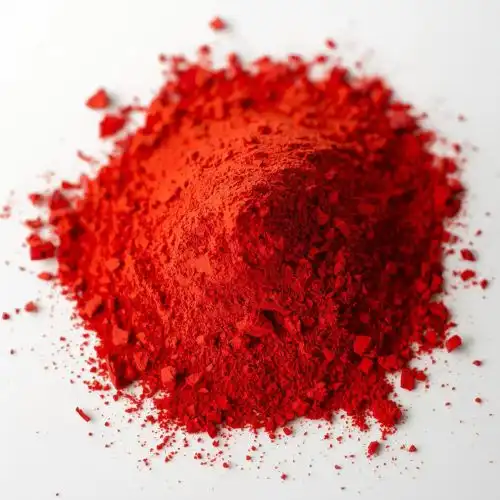
The people who sell goods must prove that they are not GMO, have not been irradiated, and have been processed in a way that does not include allergens. The dark red astaxanthin powder look is the first sign of quality. When something is broken down or oxidized, it loses its color and turns orange or yellow. This means it is no longer an antioxidant. Reliable suppliers test each batch of their products with HPLC. This gives them Certificates of Analysis that show the products' potency is within certain ranges. They also keep records of all safety testing results.
Comparing Astaxanthin Powder with Alternatives and Market Options
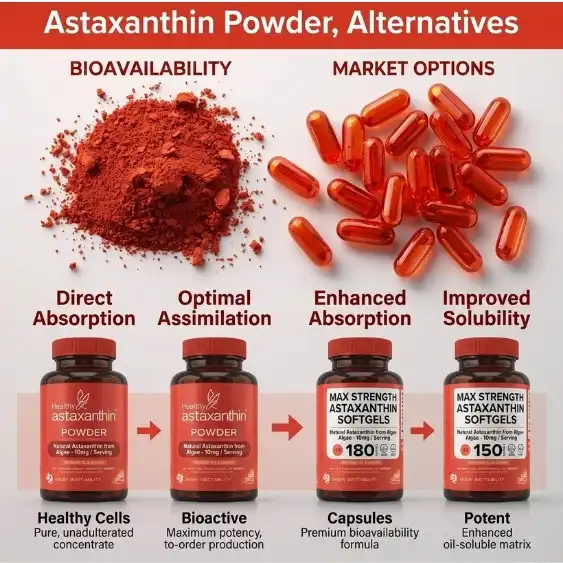
How the product is made and what it needs to do determine which format to use: astaxanthin powder, oil, or capsules. Solid-dose forms like tablets and hard-shell capsules are the best places for powder formulations to work when precise dosing and moisture control are needed. These oils don't stick to surfaces, so they're better for automated production lines and don't need to be cleaned as often as thick oils. When making a lot of products, cost-per-dose calculations often show that powder formats are better than softgel formats because they take less time and money to make.
Sometimes, oil suspensions and oleoresins are better because they work faster, but they are tougher to work with. To keep these formats from going bad, they need to be stored in a certain way. It's also harder to mix ingredients in mixtures with more than one part, and they can't be used for water-based products. Microencapsulation techniques protect the lipophilic core and give it a hydrophilic surface that works with water-based systems. This is how astaxanthin powder forms get around these problems. This new technology has made it possible for functional drinks, beauty drinks, and instant-mix supplements to do things that they couldn't do before with oil formats.
Natural Versus Synthetic Considerations
What makes materials made in a lab different from materials found in nature? It has a big impact on how products are positioned and how well they follow the rules. It is mostly found in natural sources of Haematococcus pluvialis as the 3S,3'S stereoisomer. Scientists think this is the best way for living things to be set up because it's how wild salmon are. Mixed stereoisomers are made when synthetic materials are made. These may not have as much biological activity, but they are much cheaper to make. People strongly prefer natural sources, and some groups of people who care about their health are willing to pay more for them.
When a product is certified organic, it has to show that it was grown without pesticides, uses non-GMO ingredients, and is processed in a way that follows the rules. It costs 20 to 40 percent more to get raw materials for organic products, but they can be sold in places where regular products aren't as popular. The people who decide what to buy have to weigh these trade-offs against the customers they want to get and how they want to position their brand.
How to Evaluate Astaxanthin Powder Suppliers and Brands
Choosing a supplier based on price alone is not enough to ensure long-term success in purchasing. Finding out how much a factory can make is the first thing that needs to be done to judge its capacity. The facility should be able to show that it has enough inventory to keep supplies from running out and can handle the expected number of orders. Standards for the industry, such as NSF or Informed-Choice, and site certifications like GMP, ISO 22000, or HACCP, show that the company is following the rules and has a system for quality control. Products that are meant for certain groups of people can reach more people with the help of international certifications like Halal and Kosher.
Their technical support skills make them stand out when they are competing for jobs. Suppliers with a lot of experience can help with formulation by giving advice on the best rates for use, data from stability tests in different matrices, and ways to fix problems that come up while the product is being made. You can make your product stand out in ways that you can't with rigid off-the-shelf options by giving it custom specifications, such as different concentration levels or different microencapsulation formats. Flexible minimum order quantities are good for both new brands and well-known companies that want to test products before putting them on a large scale.
Third-Party Verification and Testing Partnerships
Because Yangge Biotech works with well-known labs like Eurofins and SGS, it can offer pre-shipment verification services that give buying teams their own confirmation of quality. It is normal for trust gaps to appear in international supply chains. This third-party validation fills those gaps. It lets buyers check the specs with trustworthy testing groups before accepting shipments. Being able to work with labs chosen by the customer to do testing shows that you are honest and believe in the quality of the product. Astaxanthin powder is one such product where this verification is especially valuable, as its potency and purity directly affect its antioxidant properties. This makes the buying process safer and faster for the organizations that are buying things.
It's not enough to just test the finished product; you also need to know where the raw materials come from. The best suppliers work directly with partners who grow microalgae. This lets them keep track of products from the time they are planted until they are harvested. Being able to see the whole process from the farm to the bottle proves that the food really is organic, that the farming methods are sustainable, and that marketing claims about being pure and caring for the environment are true.
Pricing Structures and Logistics Considerations
To find out how much it cost to land, you need to see more than just the price per kilogram. Minimum order quantities (MOQs) can change the cost of keeping inventory and the amount of cash that is needed for business. If the MOQ is lower, you may have more options, but the price may be higher. There is no minimum order size for Yangge, so it can serve the needs of both small developers and well-known brands. Orders are filled quickly because the stock level is between 50 and 100 kilograms. It usually takes one to three days to deliver after payment is confirmed. However, lead times may be longer for special orders, so it's important to plan ahead.
What kind of packaging you have will determine how easy it is to handle and how long it lasts. Standard aluminum foil bags are a great way to keep oxygen and moisture out when they are stored in containers that are tightly sealed and out of the light. The food will last longer this way. If an OEM customer wants a complete solution, custom packaging options like branded labels, different package sizes, and co-packing services can help. When you ship things, you have to think about the temperature. This is especially important in warm places, where things may need thermal protection to stay together.
Best Practices for Using and Storing Astaxanthin Powder
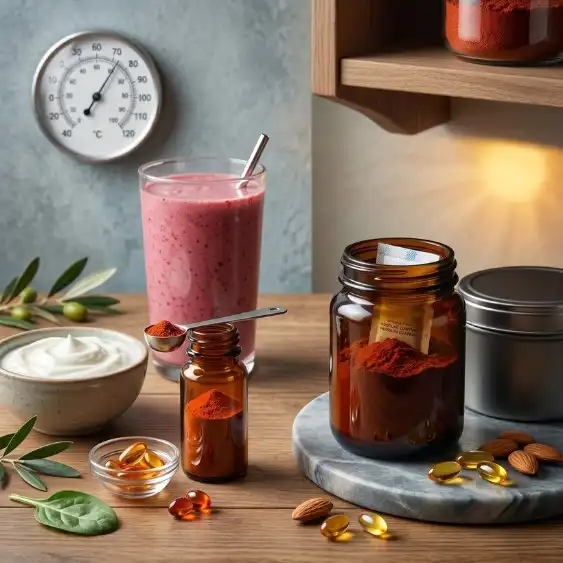
By following the right storage rules, antioxidant activity is kept up all the way through the supply chain and the manufacturing process. The dark red astaxanthin powder stays stable as long as it is kept in a controlled environment. However, it breaks down quickly when exposed to light, high temperatures, or too much water. The humidity level should be less than 60% and the temperature should stay below 25°C. In warehouses with climate control, this is easy to do. You should keep the product in its original packaging closed until you're ready to use it. This is because oxygen in the air starts oxidation chains that weaken the product over time.
Things break down mostly because of light. The conjugated double-bond system takes in visible and UV light, which breaks down molecules. Light must not get into any storage containers at all. Packaging made of opaque aluminum foil or amber glass keeps things safer than clear or see-through options. The astaxanthin powder should spend less time in light between opening containers and the end of the manufacturing process in places where it is used in formulations. To get the best results, processing should be done in amber lighting, which makes photodegradation less likely.
Formulation Guidelines for Industrial Applications
There are different rates based on the type of application and the health claims that are being made. Dietary supplements usually have between 4 and 12 milligrams per serving, which is in line with what clinical research has shown to work. There are concentrations of 0.01-0.1% in cosmetics that are used on the skin. This is enough to protect against UV rays and improve skin health without adding too much color. Because flavors break down more quickly in acidic drinks, it's important to think about how they will work at different pH levels and how stable they will be at those pH levels when making functional foods and drinks.
Testing for compatibility stops formulation failures that hurt quality or shelf life while a product is being made. A process called oxidation speeds up when minerals like iron and copper touch other minerals. This reaction should be stopped by sequestration or separation. With encapsulation technologies, the active ingredient is protected from bad matrix interactions. This lets them be added to formulations that are hard to work with. You can guess how long a product will last on the shelf by testing its stability under accelerated conditions. This helps manufacturers set the right dates for when finished goods should be thrown away and how long they should be stored.
Controlling the temperature is important for manufacturing processes that use heat so that things don't break down from the heat. The compound doesn't change much below 60°C, but it breaks down more quickly above 80°C. Frictional heat is made when tablets are pressed together, so die temperatures need to be kept in check. The astaxanthin powder should be used at room temperature after the capsules are filled so that the gelatin or vegetarian shells don't get soft. As a process moves from lab-based production to commercial production, these factors affect the equipment and production settings that are used.
Conclusion
There are a lot of things you need to think about in order to find the best astaxanthin powder. These include the source materials, the extraction methods, the supplier's skills, and the quality control systems. The best way to buy something is to find a balance between the requirements for how well it works and the requirements for following the rules. These steps are taken while making sure the supply chain is safe by having good relationships with suppliers.
If you know the difference between natural and synthetic sources, look for third-party testing partners, and store the product correctly, you can keep it safe from the time it is received as raw materials until it is delivered to the customer. Many new nutraceuticals, cosmetics, and functional foods are coming out all the time. To stay ahead of the competition, procurement professionals who use these selection criteria will work with dependable suppliers and use high-quality ingredients.
Partner with a Trusted Astaxanthin Powder Manufacturer
Pharmaceutical-grade ingredients from Haematococcus pluvialis are what Yangge Biotech does best. These ingredients are standardized to 10% potency through extraction processes that have been checked by HPLC. Our GMP-certified factory has strict quality control at every step of the process, from growing microalgae to putting protective aluminum foil shapes around the finished products. We offer full OEM services, which include customizable specs, flexible packaging for orders as low as one kilogram and as high as a lot of items, and the addition of your logo to make your brand stand out. We work with Eurofins and SGS, so our procurement managers can do quality checks before international shipments leave our facilities. This takes away any worries about quality.
Our tech team helps with formulations in the nutraceutical, cosmetic, and functional food fields by using stability data and knowing how to use it. After getting confirmation of payment, we can usually fill orders within one to three days. This is because we always have between 50 and 100 kilograms of stock on hand. You can contact us at info@yanggebiotech.com to get full product details, set up testing by a third party, or get quotes that are tailored to your volume needs.
FAQ
Q: Can we get some samples to test before purchasing?
A: Of course, we can provide free samples of 20 to 100 grams, but the shipping cost is at the customer's expense. The shipping cost can be deducted from the next order, or the samples can be sent through your courier account.
Q: Do your products have relevant certifications?
A: Yes, our products are certified for HALAL, ISO, HACCP, Kosher, and other certifications.
Q: What is the minimum order quantity (MOQ)?
A: Small batches of samples can be customized according to your requirements.
Q: Do you offer OEM and ODM services? Can the formula be customized based on our own?
A: Of course, we provide ODM and OEM services to many customers. Our product range includes softgels, capsules, tablets, sachets, granules, and private label services. Simply contact us and let us know your requirements. Our experienced R&D team can also develop new products with specific formulas.
Please contact us to design your own branded products.
Q: How do you handle quality complaints?
A: First, we have a comprehensive quality control SOP. We provide authoritative third-party inspection reports for almost all products before shipment to minimize the possibility of quality issues. Second, we have a comprehensive return and exchange procedure. If there is a genuine quality dispute, we will strictly follow the SOP.
Q: How do you ship? How long does delivery take?
A: For small orders, we typically use DHL, UPS, EMS, FedEx, or TNT. Delivery typically takes 3-7 days. We also offer air and sea freight services. We have a strong freight forwarding team and can provide you with a one-stop service, including DDP and DDU.
Q: What are your payment terms?
A: 100% prepayment, payable by T/T, Western Union, MoneyGram, or PayPal.
Q: What is the shelf life of your products?
A: 2 years with proper storage.
Q: Is the packaging environmentally friendly?
A: We attach great importance to environmental protection and are constantly improving our product packaging. Some products are packaged in recyclable paper. Packaging materials are carefully selected to ensure product safety during transportation and storage, and to minimize environmental impact. We are committed to achieving a balance between environmental friendliness and practicality in our product packaging, and to contributing to sustainable development.
References
1. Ambati, R.R., Phang, S.M., Ravi, S., and Aswathanarayana, R.G. (2014). Astaxanthin: Sources, Extraction, Stability, Biological Activities and Its Commercial Applications—A Review. Marine Drugs, 12(1), 128-152.
2. Capelli, B., Bagchi, D., and Cysewski, G.R. (2013). Synthetic Astaxanthin is Significantly Inferior to Algal-Based Astaxanthin as an Antioxidant and May Not be Suitable as a Human Nutraceutical Supplement. NutraFoods, 12(4), 145-152.
3. Guerin, M., Huntley, M.E., and Olaizola, M. (2003). Haematococcus Astaxanthin: Applications for Human Health and Nutrition. Trends in Biotechnology, 21(5), 210-216.
4. Higuera-Ciapara, I., Felix-Valenzuela, L., and Goycoolea, F.M. (2006). Astaxanthin: A Review of its Chemistry and Applications. Critical Reviews in Food Science and Nutrition, 46(2), 185-196.
5. Shah, M.M.R., Liang, Y., Cheng, J.J., and Daroch, M. (2016). Astaxanthin-Producing Green Microalga Haematococcus pluvialis: From Single Cell to High Value Commercial Products. Frontiers in Plant Science, 7, Article 531.
6. Yuan, J.P., Peng, J., Yin, K., and Wang, J.H. (2011). Potential Health-Promoting Effects of Astaxanthin: A High-Value Carotenoid Mostly from Microalgae. Molecular Nutrition & Food Research, 55(1), 150-165.

Based on your location and order quantity, you will have the opportunity to receive a limited time free shipping promotion!
Who we are
Popular Blogs