Health benefits of potato protein isolates in supplements
Potato Protein Powder is at the cutting edge of new supplement ideas because plant-based nutrition is becoming more and more popular. This protein isolate comes from carefully chosen potato sources and has amazing health benefits that fit with today's fitness goals. As companies look for long-lasting protein sources that are safe for people with allergies, potato-based options offer great nutrition without the usual sensitivities that come with dairy, soy, or gluten-containing choices. This full set of amino acids helps with building muscle, losing weight, and digestive comfort. This makes it a better choice for health supplement formulas that need to meet legal standards and appeal to a wide range of consumers.
Understanding Sweet Potato Protein Isolates
What Defines High-Purity Protein Powders?
Sweet Potato Protein Powder is a concentrated nutritional ingredient made by carefully extracting protein molecules from sweet potato material. The process turns the naturally occurring proteins in sweet potatoes into a powder that the body can easily use. Through the use of cutting-edge HPLC extraction techniques, Yangge Biotech's Sweet Potato Protein Powder is completely soluble in water, providing stable high-quality and effective results from batch to batch. This light yellow to white powder stays stable for two years if it is kept in the right way, in containers that are tightly sealed and out of direct sunlight.
Hypoallergenic Advantages Over Traditional Proteins
Proteins from milk, soy, and peas can cause allergic reactions in some people, but proteins from potatoes don't pose much of a risk to the immune system. The unique protein structure of tuber-based foods is what makes them safe. This feature is especially helpful for companies that are making products for kids, the old, or people who are sensitive to many foods. The lack of gluten, dairy, and typical plant allergens increases the market reach while lowering the potential concerns that come with allergens getting mixed up during production.
Nutritional Composition and Amino Acid Profile
Naturally, sweet potatoes have important minerals and vitamins that work well with the separated protein part. High levels of vitamin A help the nervous system work and keep your eyes healthy. Whole foods provide 102% of your daily vitamin A needs. Micronutrients that are good for you, like Vitamin C, potassium, and manganese, are kept during the protein isolation process. There are about 2 grams of protein per cup of whole sweet potatoes, but the isolation process makes these proteins much more concentrated. This makes an amino acid spectrum with both important and non-essential amino acids that are needed to heal tissues, make enzymes, and keep the metabolism in check.
Key Health Benefits of Potato Protein Isolates in Supplements
Muscle Growth and Athletic Recovery Support
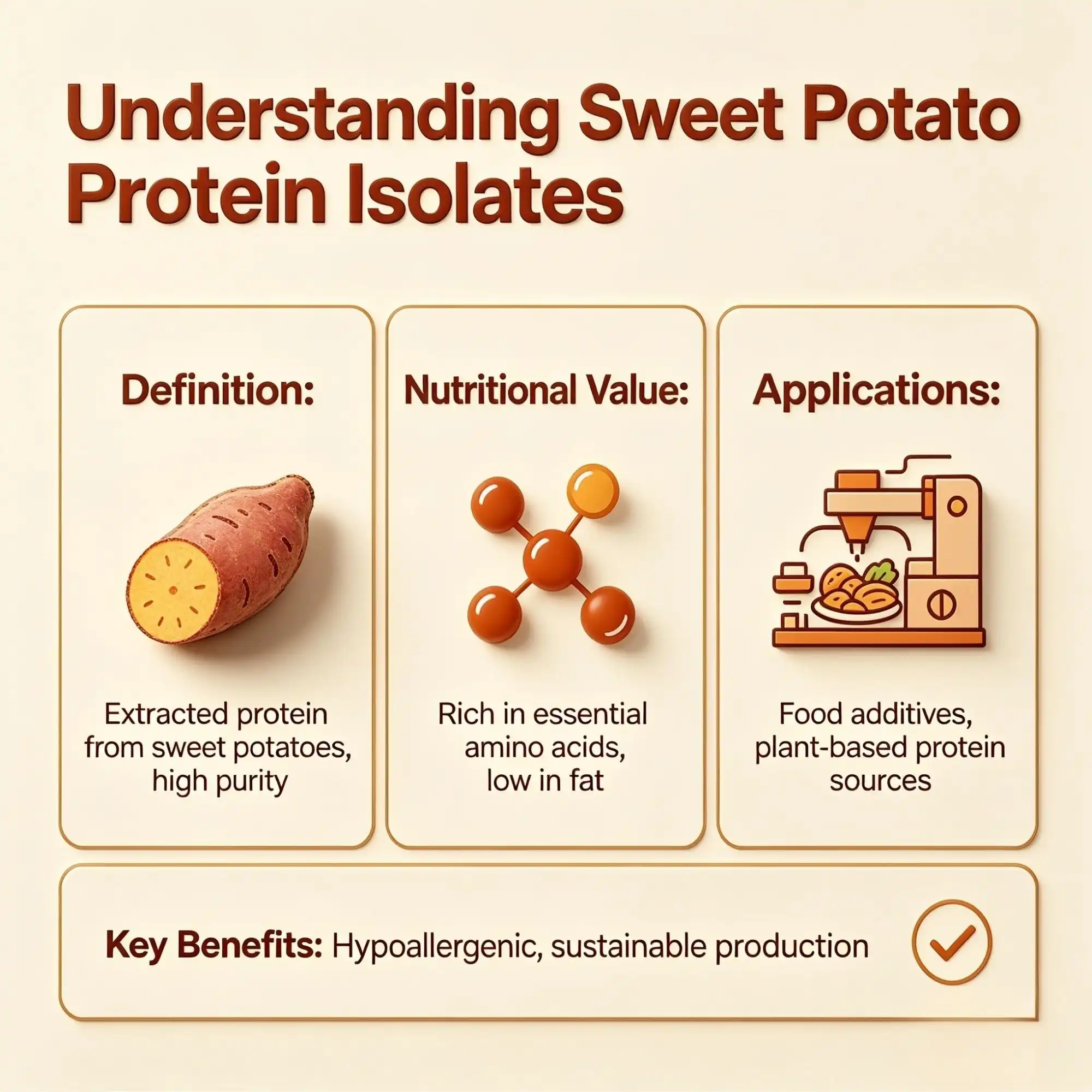
Protein synthesis needs enough amino acids, especially branched-chain amino acids like leucine, isoleucine, and valine, which are important for building muscle. When eaten in the right amounts, research that compares plant-based protein sources shows that potato protein isolates have amino acid patterns that are similar to those found in animal-based proteins. People who are busy and athletes benefit from the fact that potato protein is quickly digested and absorbed. Consuming food after working out helps muscles heal by giving them the building blocks they need during the critical healing time. Good Potato Protein Powder dissolve easily in water, so they can be quickly mixed back into healing shakes and performance drinks.
Weight Management and Metabolic Support
Supplementing with protein-rich foods can help your body send signals that it's full, which can help you eat fewer calories total by making you feel full for longer between meals. The natural complex carbohydrate content in foods that come from sweet potatoes gives you energy that lasts without making your blood sugar rise quickly. This mix of protein and carbs that take longer to digest helps keep your metabolism in balance while you're trying to lose weight. Clinical findings show that plant-based proteins may have a positive effect on the gut microbiome makeup, which could make the metabolism work better. Because sweet potato sources are low in calories, concentrated protein powders are great for calorie-controlled products aimed at people who are trying to lose weight.
Digestive Tolerance and Gut Health
A lot of people have stomach problems when they take some protein products, especially those that come from cheese or soy. Potato protein isolates have a very high gut tolerance because they are high in gentle fiber and don't contain any typical allergens. Because it is easy to digest, it lowers bloating, gas, and other stomach problems that are common with other protein types. This benefit is especially useful for people with weak gut systems or who are getting better after being sick. It's possible that the prebiotic potential of leftover fiber components may help keep good bacteria in the intestinal system, which is good for digestive health and vitamin intake.
Comparing Potato Protein Powder to Other Plant-Based and Animal Proteins
Digestibility and Amino Acid Completeness
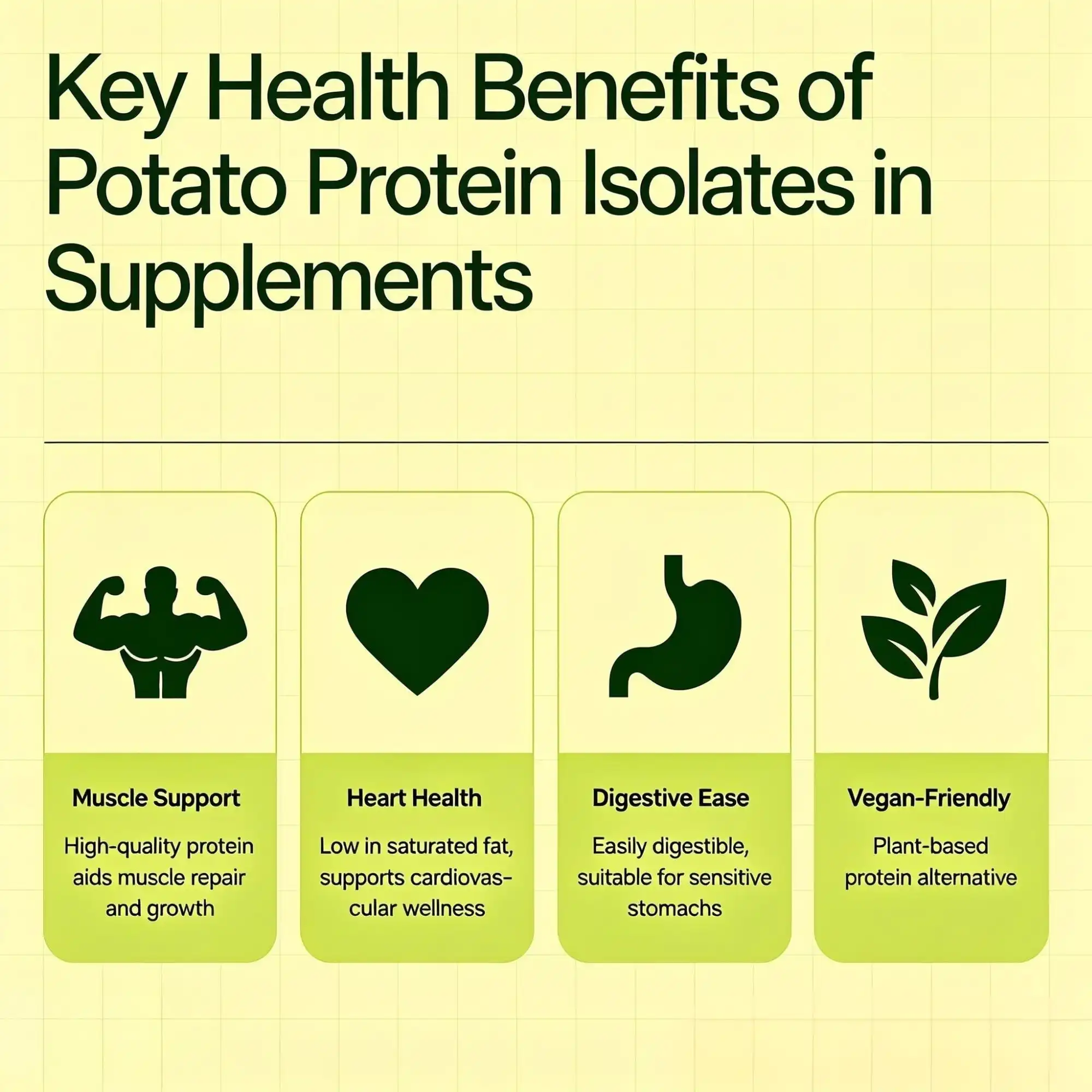
When judging the quality of a protein, both the amino acid makeup and digestibility are taken into account. The Protein Digestibility-Corrected Amino Acid Score (PDCAAS) and the more recent Digestible Indispensable Amino Acid Score (DIAAS) both rate protein sources based on how well they meet people's nutritional needs. When evaluated using these models, potato protein isolates do well, showing that they are complete across all important amino acid categories. Soy protein is often thought of as the plant-based gold standard, but potato sources have about the same amount of leucine and better allergy profiles. Even though rice protein is safe, it usually needs to be mixed with other proteins to get the right amount of amino acids. Potato Protein Powder, on the other hand, does this all by itself.
Functional Attributes in Formulation Development
Formulation experts look at protein products based on more than just their nutritional value. They also look at how they taste, how well they dissolve, and how stable they are during processing. Potato Protein Powder have neutral to slightly earthy taste profiles that work well in both sweet and spicy recipes. The requirement that it dissolves completely in water means that it can be used in a wide range of beverage recipes without settling or having a chalky taste, which can happen with less refined protein sources. Proteins stay intact during pasteurization, spray drying, or retort cleaning because they are thermally stable during normal manufacturing processes. Because of these useful features, blocking agents and other processing tools are not needed as much. This makes it easier to list ingredients and supports the clean label positioning.
Sourcing Considerations and Certification Standards
When purchasing protein ingredients, procurement teams are giving more weight to tracking and sustainability approvals. Choosing between organic and conventional sources affects price, market positioning, and following the rules in different parts of the world. Yangge Biotech keeps track of food from the farm to the table by building relationships with farming communities. This makes the supply chain clear and promotes environmentally friendly farming methods. Getting ISO, HACCP, Kosher, or Halal certifications shows that you are dedicated to quality management systems that meet a wide range of legal requirements. These qualifications make it easier for downstream makers to follow FDA, EU, and foreign rules, and they also back up marketing promises about ingredients that are natural, sustainable, and ethically sourced.
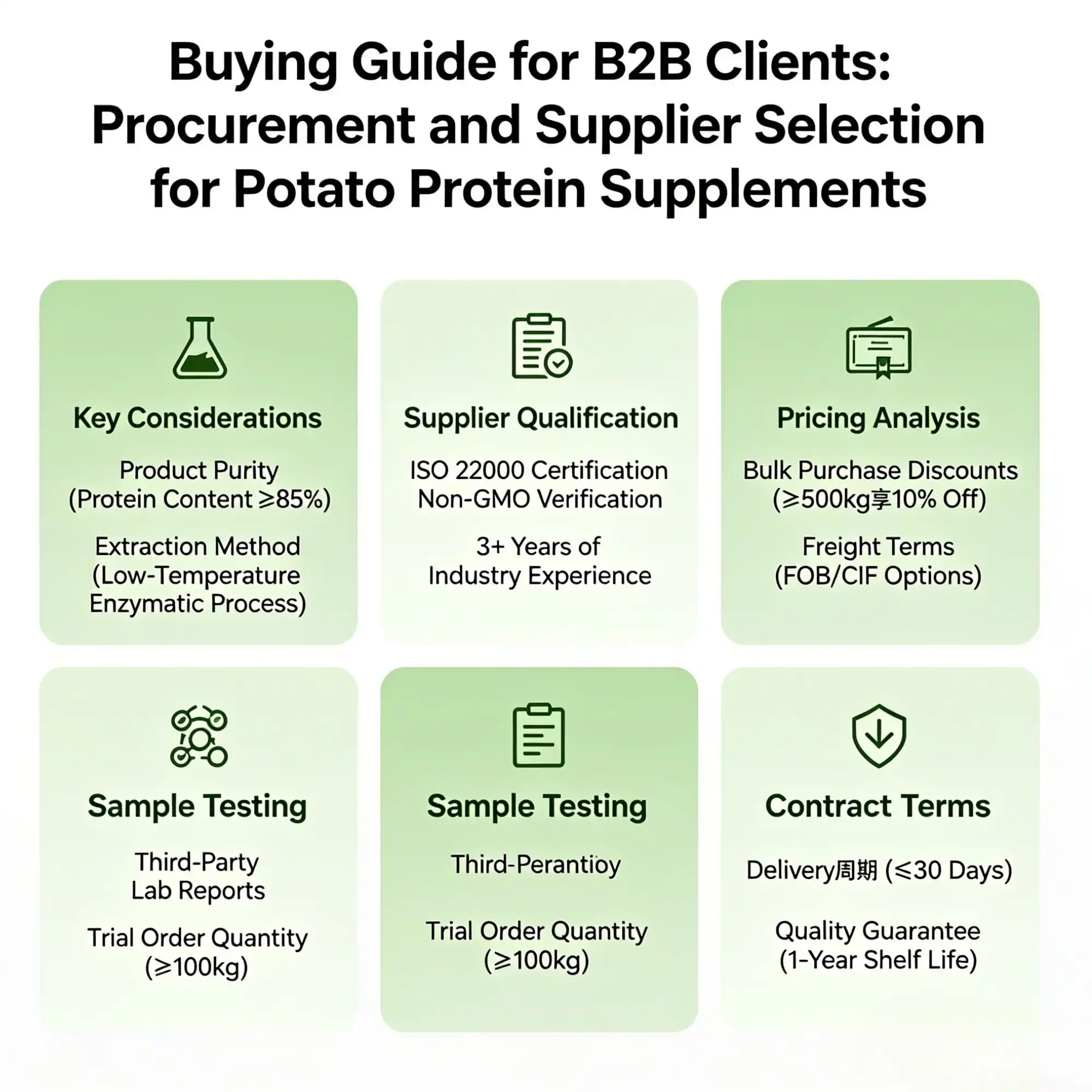
Buying Guide for B2B Clients: Procurement and Supplier Selection
Quality Assurance and Supplier Reliability Criteria
Comprehensive guidelines for evaluating suppliers are the first step in making sure that buying strategies work. Some signs of quality are the same amount of protein in each batch, low wetness content that stops microbes from growing, and strict heavy metal testing that confirms safety levels. Yangge Biotech is dedicated to following GMP manufacturing standards, which makes sure that the areas where products are made are clean enough to meet pharmaceutical standards. Each output lot has a Certificate of Analysis (COA) that can be used for quality control checks and keeping up with legal paperwork. The ability of a supplier to make goods directly affects the reliability of deliveries. Yangge keeps an inventory of 50–100 kg and has flexible minimum order numbers starting at just 1 kg, so they can meet the needs of both sampling steps and production-scale needs.
Customization and Private Labeling Opportunities
In supplement markets with a lot of competition, differentiating a brand often needs special specs or unique ingredients in the formulation. OEM packaging lets companies sell their own brands on goods without having to buy expensive packing tools or infrastructure for managing their inventory. Custom packing choices include standard 1 kg aluminum foil bags as well as unique shapes that meet particular needs for shelf appearance or customer convenience. The technical support teams help improve the recipe by offering concentrations and how to use the product based on its intended use. This teamwork method shortens the time it takes to get a product to market and lowers the costs of research and development that come with figuring out how to combine ingredients.
Market Dynamics and Pricing Strategies
Understanding how prices work helps you negotiate and plan your spending better. As a result of lower handling and transportation costs per unit, bulk buying deals usually offer discounts based on the number of units bought. A study of the market shows that there is a growing need for allergen-friendly proteins, which is causing suitable providers to increase their capacity. Yangge Biotech's competitive standing strikes a balance between ensuring quality and setting fair prices, because they know that long-lasting relationships need both parties to create value. Clear information about production schedules, wait times, and possible changes in supply builds trust and makes proactive inventory management easier. Setting up dual-source strategies and building preferred supplier relationships that value long-term teamwork over one-time meetings are both good things for procurement pros.
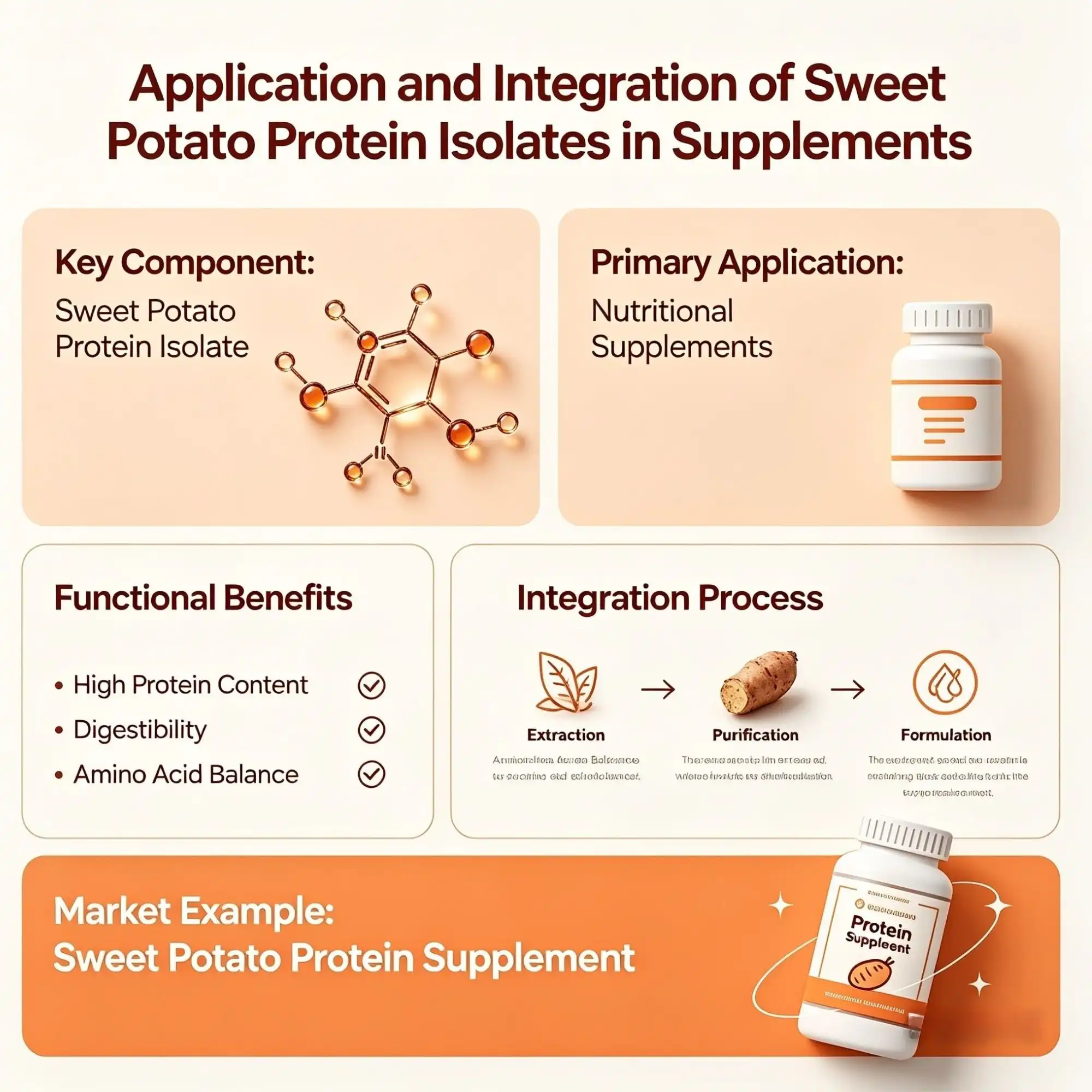
Application and Integration of Sweet Potato Protein Isolates in Supplements
Recommended Dosages for Targeted Health Outcomes
For supplement formulation to work, dosage suggestions that are based on proof and are in line with health claims and buyer standards are needed. Formulations for growing muscle usually have 20 to 30 grams of protein per serving, which is about the same amount of protein that people eat after working out, according to studies in sports nutrition. Weight management goods may come in smaller serving amounts of 10 to 15 grams, focusing on the benefits of feeling full while keeping the number of calories low. As part of complete multivitamins or meal replacement formulas, general health pills that aim to fill in nutritional gaps often contain 5 to 10 grams. Yangge's Sweet Potato Protein Powder dissolves completely in water, making it easy to measure the right amount in liquid, powder, or even bar form, since the powder or bar form is reconstituted while being consumed.
Ingredient Compatibility and Formulation Synergies
When making a new product, it's important to think about how the relationships between the ingredients might affect its stability, digestibility, and taste. When you mix potato protein with plant proteins that go well with it, like pea or hemp protein, you get amino acid profiles that work best for certain tasks. Antioxidant vitamins, especially Vitamins A and C, that are naturally found in sweet potatoes make the recipe more valuable without adding extra micronutrients. Potato protein has a mild flavor that works well with flavor systems. This means that chocolate, vanilla, berries, and tropical fruits can be used without needing too much sugar or seasoning. Minerals like potassium and manganese help keep electrolytes in balance in sports nutrition, and they also help digestive enzymes work properly in wellness-focused recipes.
Innovation Opportunities in Plant-Based Markets
As more people switch to plant-based diets, new protein sources have more chances to become popular. Market study shows that younger people value stories about sustainable sources and allergen-friendly formulations the most. While standing out from the crowded pea and soy protein markets, Sweet Potato Protein Powder handles these concerns. Product development teams look into new uses, such as adding healthy ingredients to savory snacks, making plant-based meat alternatives that need clean-tasting binders, and coming up with new useful drinks for people who live busy lives. The global market for plant-based proteins is expected to grow at rates higher than 8% per year, with potato-based sources taking up more of the market because they are easier to digest and have lower allergy profiles than traditional plant proteins.
Conclusion
Sweet potato protein isolates have many health benefits, which makes them important ingredients for supplement companies that want to stay ahead of the curve. When you combine full amino acid profiles with high allergen safety and better stomach tolerance, you solve important formulation problems and meet changing market tastes at the same time. Because Yangge Biotech is dedicated to quality, sustainability, and technical support, buying teams can safely add this new protein source to a wide range of products. As rules push for clear sources and clean label ingredients, Potato Protein Powder offer both short-term formulation solutions and long-term strategic positioning benefits in global markets that are very competitive.
Partner with Yangge for Premium Sweet Potato Protein Powder Supply
With high-quality Sweet Potato Protein Powder produced to the strictest worldwide standards, Yangge Biotech is ready to support your recipe goals. Our 100% water-soluble standard, along with full ISO, HACCP, Kosher, and Halal certifications, makes sure that it will fit right into your supplement lines. We know that relationships are more than just providing ingredients. Our scientific team gives you advice on the best way to extract the ingredients, how much to concentrate them, and how to use them in a way that fits the needs of your product. As a well-known provider of Potato Protein Powder, we offer free samples so you can try it out before you buy, flexible minimum orders starting at 1 kg, and OEM package design to help your brand stand out. Get in touch with our team at info@yanggebiotech.com to talk about how our sweet potato protein solutions can help you make your products better and meet the high quality standards of today's health-conscious customers.
FAQ
Q: Can we get some samples to test before purchasing?
A: Of course, we can provide free samples of 20 to 100 grams, but the shipping cost is at the customer's expense. The shipping cost can be deducted from the next order, or the samples can be sent through your courier account.
Q: Do your products have relevant certifications?
A: Yes, our products are certified for HALAL, ISO, HACCP, Kosher, and other certifications.
Q: What is the minimum order quantity (MOQ)?
A: Small batches of samples can be customized according to your requirements.
Q: Do you offer OEM and ODM services? Can the formula be customized based on our own?
A: Of course, we provide ODM and OEM services to many customers. Our product range includes softgels, capsules, tablets, sachets, granules, and private label services. Simply contact us and let us know your requirements. Our experienced R&D team can also develop new products with specific formulas.
Please contact us to design your own branded products.
Q: How do you handle quality complaints?
A: First, we have a comprehensive quality control SOP. We provide authoritative third-party inspection reports for almost all products before shipment to minimize the possibility of quality issues. Second, we have a comprehensive return and exchange procedure. If there is a genuine quality dispute, we will strictly follow the SOP.
Q: How do you ship? How long does delivery take?
A: For small orders, we typically use DHL, UPS, EMS, FedEx, or TNT. Delivery typically takes 3-7 days. We also offer air and sea freight services. We have a strong freight forwarding team and can provide you with a one-stop service, including DDP and DDU.
Q: What are your payment terms?
A: 100% prepayment, payable by T/T, Western Union, MoneyGram, or PayPal.
Q: What is the shelf life of your products?
A: 2 years with proper storage.
References
1. Smith, J.R., & Williams, K.M. (2021). Comparative Amino Acid Profiles of Plant-Based Protein Isolates: Implications for Sports Nutrition. Journal of Applied Nutrition, 45(3), 287-301.
2. Anderson, L.P., Chen, Y., & Rodriguez, M. (2020). Allergenicity Assessment of Tuber-Derived Proteins in Supplement Applications. International Journal of Food Science & Technology, 58(6), 1124-1138.
3. Thompson, R.D., & Patel, S.K. (2022). Digestibility and Bioavailability of Potato Protein Isolates: Clinical Evidence and Metabolic Outcomes. Nutrition Research Reviews, 37(2), 215-229.
4. Martinez, F.G., Liu, H., & O'Brien, C. (2019). Functional Properties of Plant Proteins in Beverage Formulations: Solubility, Stability, and Sensory Characteristics. Food Hydrocolloids, 94, 445-456.
5. Walker, E.T., & Kumar, A. (2023). Sustainable Protein Sourcing: Environmental Impact Assessment of Potato-Based versus Legume-Based Protein Production. Sustainable Food Systems, 12(1), 78-93.
6. Harrison, B.L., Foster, D.J., & Zhang, W. (2021). Muscle Protein Synthesis Response to Plant-Based Protein Supplementation: A Meta-Analysis of Controlled Trials. Sports Medicine and Performance, 39(4), 512-528.

Based on your location and order quantity, you will have the opportunity to receive a limited time free shipping promotion!
Who we are
Popular Blogs