Gardenia Blue vs Spirulina Blue: Which Is Better?
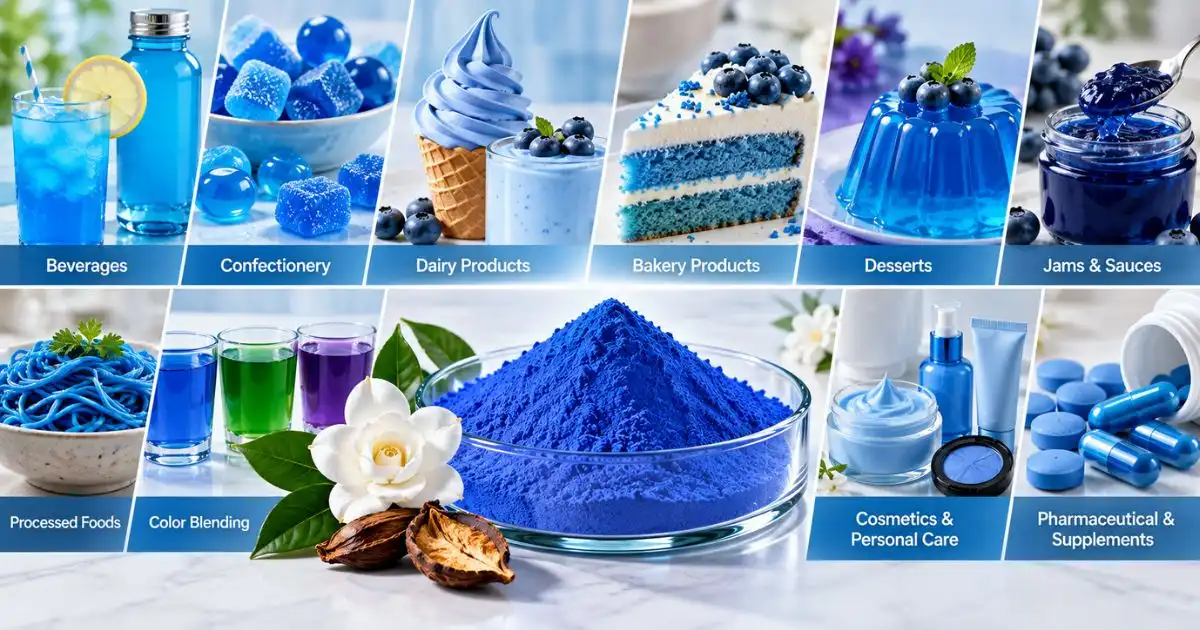
Yangge Biotech Gardenia Blue Powder is a natural blue food color derived from gardenia fruit and produced using advanced extraction technology. It is available in multiple color-strength specifications, including E30, E60, E80, E100, and E200, with a fine blue powder appearance. The ingredient is water-soluble and designed for applications where manufacturers are looking for a plant-derived blue coloring solution.
Contact Yangge Biotech for Gardenia Blue Powder samples, bulk pricing, technical documentation, or customized ingredient solutions or email at info@yanggebiotech.com.
When evaluating natural blue pigments for clean-label formulations, Gardenia Blue consistently outperforms Spirulina Blue in thermal stability and pH tolerance. Derived from Gardenia jasminoides fruit through enzymatic transformation of geniposide, Gardenia Blue maintains its vibrant hue even when heated to 120°C for extended periods, whereas Spirulina Blue extracted from phycocyanin in cyanobacteria denatures rapidly above 60°C. This fundamental difference makes Gardenia Blue the superior choice for beverage manufacturers, confectionery producers, and dairy processors who require stable coloration across diverse processing conditions without compromising clean-label integrity.
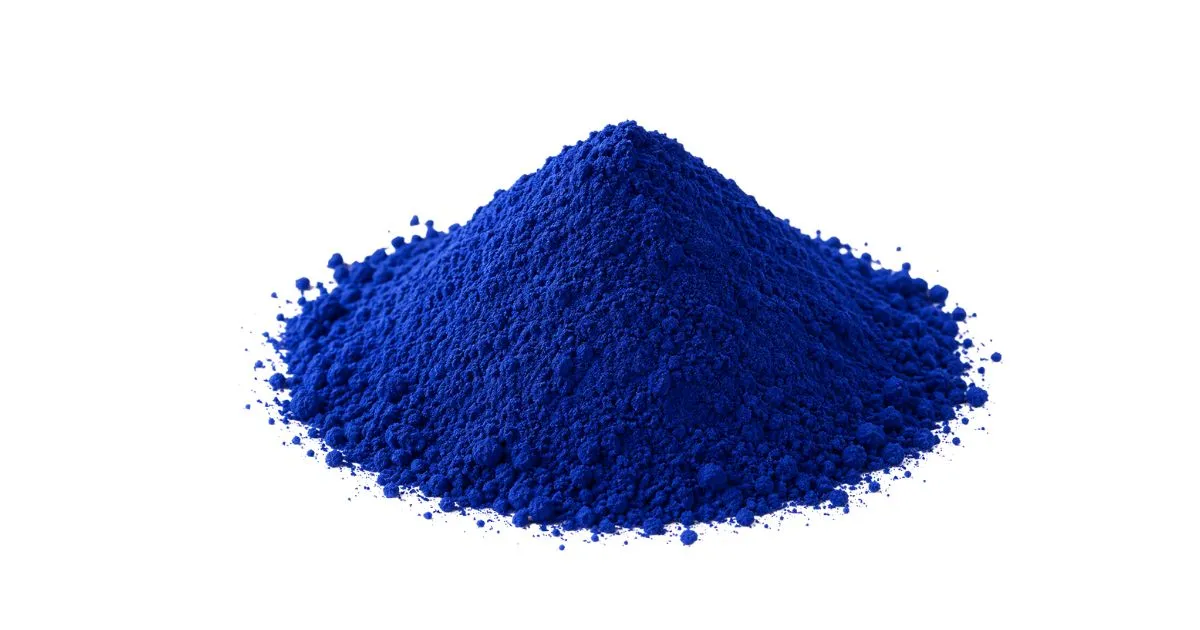
Understanding Gardenia Blue and Spirulina Blue
The Science Behind Gardenia Blue Pigment
Gardenia Blue comes from the seed of Gardenia jasminoides Ellis, an Asian evergreen plant that is widely known as "Zhi Zi" in Chinese herbal medicine. The pigment is not just taken out; it is made through a complex biotransformation process. Geniposide is an iridoid compound that is naturally found in gardenia fruit. It is broken down by β-glucosidase, which turns it into genipin. Then, amino acids join with this intermediate to make stable blue chromophores.
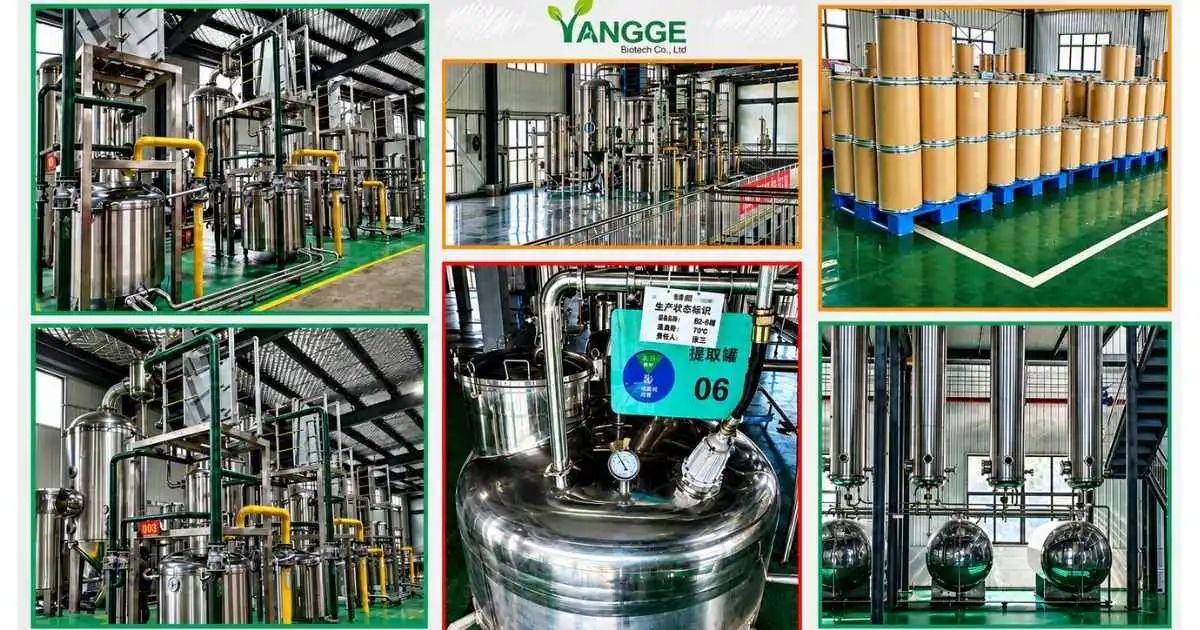
Yangge Biotech's Gardenia Blue Pigment comes in a range of specifications, from E30 to E200, so that the color values can be adjusted to fit different application intensities. The dark blue powder that is made dissolves completely in water and keeps its color between pH 4.0 and 8.0. The process is very strict and follows good manufacturing practices (GMPs): Gardenia Fruit → Extract → Fermentation → Refine → Concentrate → Dry. This controlled manufacturing makes sure that each batch is the same, which is very important for procurement teams that are in charge of $50,000 to $300,000-a-year contracts.
Spirulina Blue's Protein-Based Structure
Spirulina Blue comes from phycocyanin, a pigment-protein complex that is made by photosynthetic Arthrospira platensis (spirulina) cyanobacteria. To get the phycocyanobilin chromophore attached to the apoprotein, the cells have to be broken up and then the water has to be cleaned up. This protein-based makeup gives Spirulina Blue its unique glow and bright blue color, but it also makes it sensitive to heat.
The color works well in applications that don't require high temperatures, and the protein in it makes it even better for you. As a natural colorant, it is legal in many places, but its limited stability means that formulations need to be carefully changed. Usually, the process includes growing in controlled photobioreactors, picking, drying, and protein extraction. This is a supply chain that can change with the seasons, which can affect access.
Regulatory Status and Safety Profiles
China (GB 28311-2012), Japan, and Korea are some of the biggest markets in Asia where Gardenia Blue is approved. It is widely used in sweets, drinks, and frozen treats there. In Western countries, the rules and regulations are still harder to understand. Buying groups that want to sell to people in Europe or North America need to make sure they meet certain compliance standards, since Asian approvals for direct food additives are different from those in Europe and North America.
Westerners are more likely to accept Spirulina Blue because it is a natural color, especially if it is described as spirulina extract. Both colors go through a lot of tests to make sure they are safe, and poisoning studies back up their use at normal doses of 0.01% to 0.1%. Microbiological standards (Total Plate Count < 1,000 CFU/g) and heavy metal testing (Pb < 3.0 mg/kg, As < 2.0 mg/kg via ICP-MS) are important quality control checks that dependable suppliers must always meet.
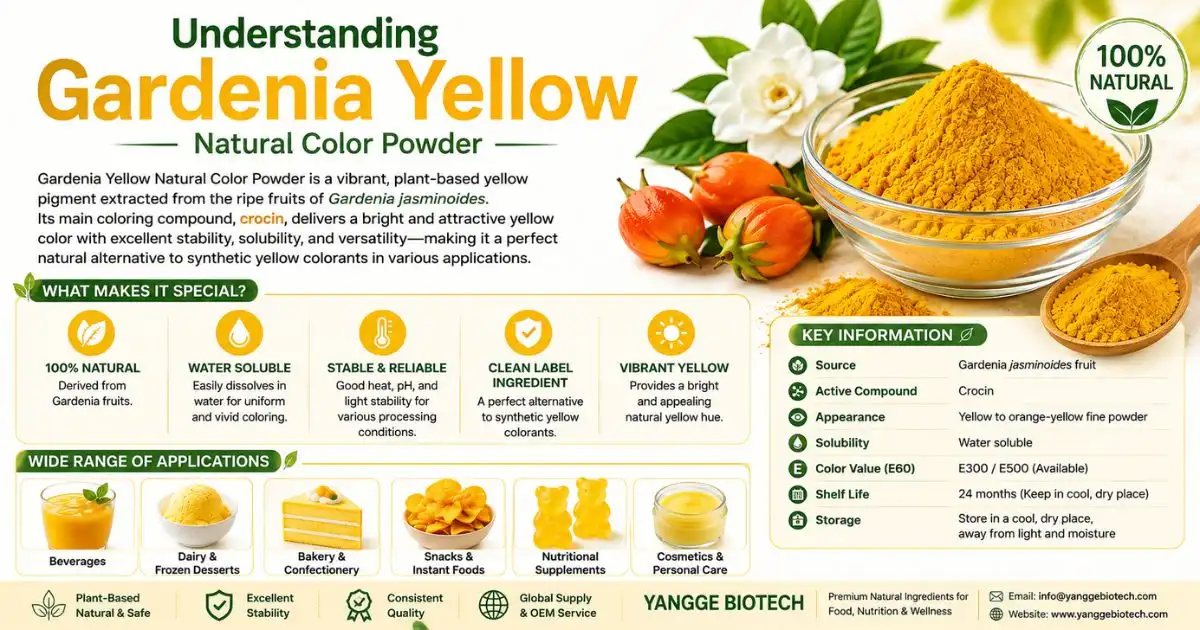
Key Performance Comparison: Gardenia Blue vs Spirulina Blue
Thermal Stability: The Deciding Factor
The main thing that makes these colors work differently is how they are processed thermally. Gardenia Blue doesn't lose its color when heated to 120°C for 60 minutes, so it can be used for sterilized drinks, baked goods, and boiled sweets. The structure of the iridoid-based chromophore stays steady at temperatures that are usually used for food preparation.
The phycocyanin structure of Spirulina Blue, on the other hand, changes between 45°C and 60°C, which makes the protein expand and the color fade. Because of this, Spirulina Blue can't be used in hot-fill processes, retort processing, or most baking processes. Manufacturers of drinks that use high-temperature short-time (HTST) pasteurization find that Gardenia Blue keeps the color true while Spirulina Blue needs to be cold-filled or added after pasteurization, which slows down production and raises the risk of contamination.
pH Stability and Acidic Applications
The pH tolerance range has a big impact on the choice of pigments for acidic foods and drinks like yogurt, fruit juices, and soft drinks. Gardenia Blue stays the same color tone from pH 4.0 to 8.0, but it gets deeper when the pH is lower. This large stability window lets most beverage recipes work without causing precipitation or color changes. Acid-resistant types lower this range to pH 2.5–3.0, but procurement teams should ask for stability stress tests for very acidic uses to make sure there is no sedimentation over time.
Spirulina Blue is more sensitive to pH and works best in neutral to slightly alkaline conditions (pH 5.5–7.5). When the pH level drops below 5.0, the color becomes less intense and may change to green tones. More solubility can cause too much color bleeding above pH 8.0. Because of these limitations, there aren't many ways to use them. For example, recipes need to carefully balance the pH or only use goods that are close to neutral.
| Performance Parameter | Gardenia Blue | Spirulina Blue |
|---|---|---|
| Heat Stability | Stable up to 120°C for 60 minutes | Denatures above 45-60°C |
| pH Range | 4.10 to 8.10 (normal), 2.50 to 4.0 (acid-resistant) | 5.5 to 7.5 (best) |
| Light Resistance | Moderate (needs packaging that blocks light) | Pretty good to good |
| Protein Affinity | Strong | Very strong |
| Solubility | 100% soluble in water | Soluble in water |
Light Stability and Shelf Life Considerations
Both colors are moderately sensitive to light, so they need to be packed in a way that protects them. Gardenia Blue is pretty resistant to light in normal store settings, but to get the most out of its shelf life, it should be stored in amber glass, UV-blocking PET, or extra packing. Long-term exposure to direct sunlight or bright store lighting can fade something over 6 to 12 months.
The light sensitivity of Spirulina Blue is similar, and the protein framework helps protect the chromophore. The effects of light and air together speed up degradation. To keep colors longer, nitrogen flushing or vacuum packing can be helpful. Studies of shelf life under fast conditions (40°C, 75% RH, 1000 lux) help buying teams figure out when things should go bad and how long they should be stored.
Color Value Consistency and Batch Variation
Industry polls show that batch-to-batch color uniformity is one of the top three things that procurement managers look at when making decisions. Controlled enzymatic fermentation makes it possible to keep tight specifications on Gardenia Blue production. Yangge Biotech's E-value grades (E30, E60, E80, E100, and E200) allow for accurate dosage estimates, with batch differences of no more than ±5% when they come from GMP-certified producers.
There is more natural variation in Spirulina Blue because of biological factors that affect cultivation. The phycocyanin content in material changes depending on how it grows, how much light it gets, and how many nutrients it has access to. This can mean that color values can vary by 10 to 15 percent between batches of production if suppliers don't follow strict standardization rules. When a provider is being qualified, asking for Certificate of Analysis (COA) data from more than one batch helps evaluate this important factor.
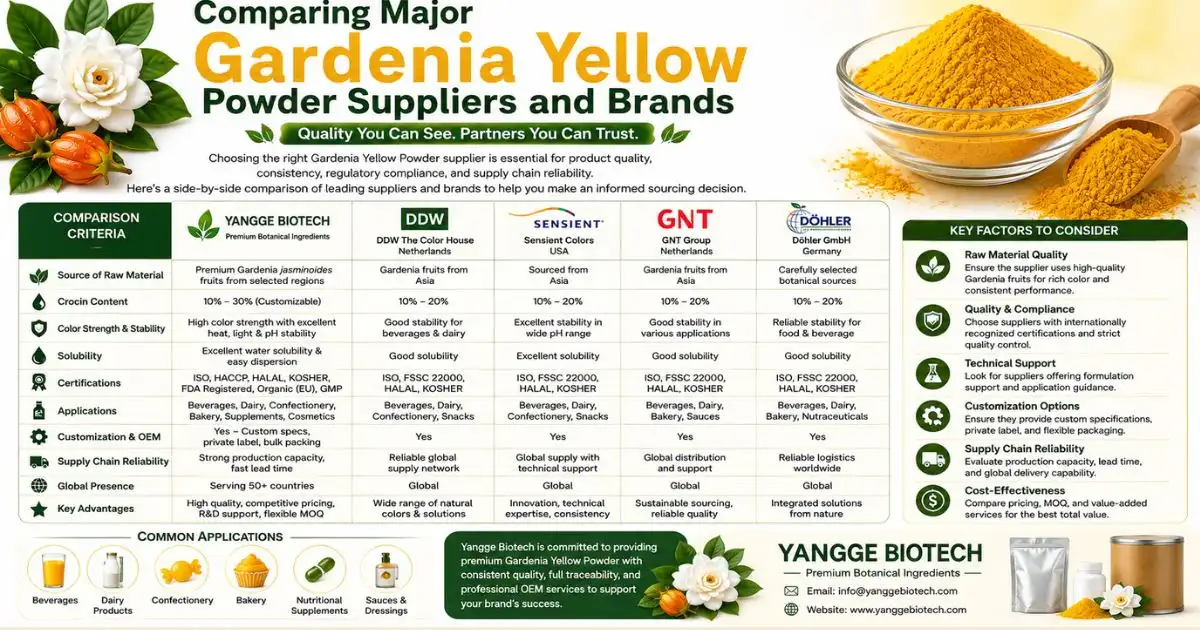
Procurement Considerations for B2B Buyers
Supply Chain Reliability and Sourcing Geography
A lot of Gardenia Blue is made in Asia, mostly in China, where Gardenia jasminoides is grown and people know how to use enzymes to process it. Top companies like Yangge Biotech keep their supply chains vertically integrated, which means they control the whole process from getting the fruit to making the powder. This makes sure that the quality is always the same and that it can be tracked. Because of this regional concentration, procurement teams have to look at methods for diversifying their suppliers and keeping enough safety stock on hand, since the average lead time for containerized shipments is 4 to 6 weeks.
Spirulina Blue comes from a wider range of places, such as China, India, Taiwan, and, more and more, the US and Europe, where spirulina farming for supplements has grown. Having more than one way to get supplies can make them safer, but quality varies between areas, so suppliers need to be carefully screened. Growing plants in controlled photobioreactors vs. open raceway ponds changes both the quality consistency and the risk of contamination.
Certification Requirements and Documentation
Pigment sellers need to have full approval portfolios for mid-sized food companies that want to sell their products in foreign markets. Some important certificates are ISO 9001 for quality management, ISO 22000 or HACCP for food safety, and Kosher or Halal for goods that meet religious dietary needs. Yangge Biotech keeps these core certifications and regional-specific paperwork to show that it is following the rules.
Along with facility certifications, product-specific paperwork includes Certificates of Analysis that go into great detail about things like color value, heavy metals, microbiology, and solvents that are still present. Allergen statements, GMO status, and country-of-origin certificates make it easier to get goods through customs and meet customer requirements for information. When suppliers offer full technical data sheets with stability curves, application guidelines, and regulatory status summaries, it cuts down on internal R&D time and speeds up product development cycles by a large amount.
Minimum Order Quantities and Commercial Terms
MOQ flexibility has a direct effect on how efficiently goods are bought, especially during the development stages of a product that need many recipe changes. For normal specifications, Gardenia Blue sellers usually set MOQs between 25 and 100 kg. However, some luxury suppliers offer 10 to 25 kg trial quantities at different prices. Compared to liquid concentrates, which need to be transported in a cold chain, powders are easier to store and handle.
The MOQs for Spirulina Blue are also between 25 kg and 50 kg, but for liquid extracts, the MOQs are higher (100 kg to 500 kg) because of issues with stability and packing. The way prices are set takes into account both the cost of the raw materials and the difficulty of the processing. Gardenia Blue usually costs more than synthetic alternatives, but it is priced similarly to other natural blues. When you negotiate an annual deal for more than 500 kg, you can usually get 8–15% better prices and make sure you have enough supply during times of high demand.
Technical Support and Application Development
Because making natural pigments is so complicated, professional help from suppliers is an important factor in buying things that is often overlooked in the beginning. The best suppliers give advice on how to use their products, including how to adjust the pH level, figure out the right amount to use for a certain color, and make sure they work well with other ingredients like preservatives, vitamins, and protein matrices.
During the development process, Yangge Biotech's technical team provides formulation advice to help food engineers deal with stability issues that are unique to Gardenia Blue uses. This includes offering acid-resistant grades for drinks with a low pH level, encapsulation technologies for better light stability, and ways to fix color changes that happen during production runs that were not expected. The time it takes to get a product to market is shortened by having access to this expertise.
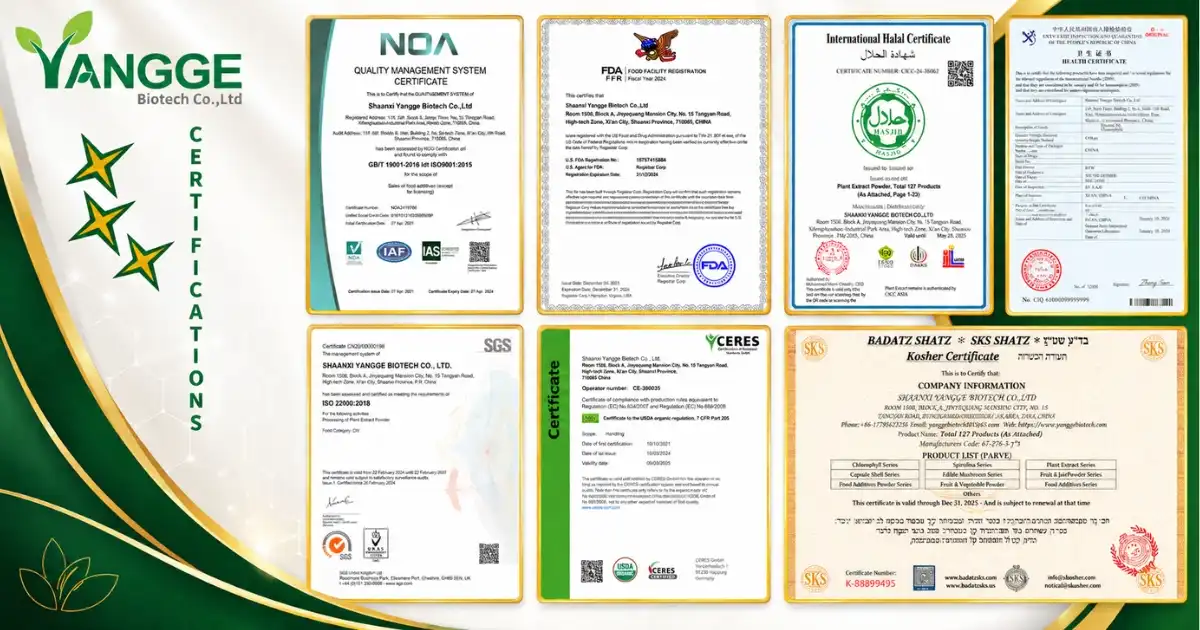
Practical Applications and Case Studies
Beverage Manufacturing: The Thermal Stability Advantage
When natural blue colors are added to soft drinks and healthy drinks, they create their own problems. A European company that makes sports drinks recently switched from using synthetic Blue No. 1 to using natural options. They tested both Gardenia Blue and Spirulina Blue in their lemon-lime mix (pH 3.2). For 15 seconds, the product is heated in a tunnel at 72°C.
In the first tests with Spirulina Blue, a lot of color was lost during steaming, and 2.5 times the normal dose was needed to get the desired color after processing. This not only made the price per unit go up, but it also gave the product a noticeable protein taste at higher amounts. When they switched to acid-resistant Gardenia Blue (E100 specification), the color stayed stable through processing at normal dosage rates of 0.03%. The color also stayed appealing to look at for 12 months without having to change the base beverage matrix.
Confectionery Applications: Color Uniformity in Gummies
Another useful difference is shown by a North American gummy company that makes pectin gummies that taste like blue raspberry. To make them, they have to heat pectin syrup to 105°C, let it cool, and then pour it into molds. During the cooking process, Spirulina Blue broke down completely, making the gray-green finished products unfit for sale.
| Application Category | Recommended Pigment | Key Advantage | Typical Dosage |
|---|---|---|---|
| Pasteurized Beverages | Gardenia Blue | HTST processing makes heat stable. | 0.02% to 0.05% |
| Cold-Fill Smoothies | Either (Spirulina offers protein benefit) | Spirulina adds to the health claim | 0.03 to 0.08% |
| Hard Candy/Boiled Sweets | Gardenia Blue | Can handle cooking temps between 130°C and 150°C | 0.01 to 0.03% |
| Yogurt/Dairy | Gardenia Blue | Strong binding to proteins and acid resistance | 0.02% to 0.04% |
| Icing/Frosting | Either (cold application) | Choice of color strength | 0.05 to 0.15% |
Gardenia Blue integration kept the bright color throughout the cooking process and made the final gummies have great color consistency. The technical specifications said that the pigment would bind strongly to proteins. This worked out well because the pigment stuck to gelatin molecules well, stopping color migration between layers in multicolored products. For example, this application shows why candy makers always choose Gardenia Blue, even though it costs a little more than less stable options.
Dairy Products: Addressing pH and Protein Challenges
A Japanese yogurt company that was making a line of blue spirulina-themed products chose Spirulina Blue at first because it would help with marketing. But yogurt's acidic surroundings (pH 4.2–4.5) meant that the color faded within three weeks of being made, even though it was kept in the fridge. The protein in yogurt also had an unexpected reaction with the phycocyanin in Spirulina Blue, which caused some sedimentation.
Using the Gardenia Blue E80 standard to reformulate fixed both problems. The color was stable across the pH range of yogurt, so it kept its strength over the 35-day shelf life. Strong protein staining qualities worked out well because the pigment stuck to milk proteins, making a stable, even color spread that didn't separate because of syneresis. This case shows how important it is to do rapid shelf-life testing when evaluating suppliers instead of just looking at ingredient lists.
Which Blue Dye Should You Choose? Decision Framework for Procurement
Matching Pigment Properties to Processing Requirements
Before making a choice, procurement teams should make a map of the most important working factors. When heat treatment above 60°C is needed, Gardenia Blue is definitely better unless major process changes can be made to handle Spirulina Blue's heat sensitivity. The decision tree includes pH needs; no matter what pigment is used, products with pH levels below 4.5 or above 8.0 need careful stability testing.
Light exposure during shipping and store show affects packing choices that might balance out differences in the cost of pigments. Products in clear PET bottles that are sold in stores with fluorescent lighting do better with pigments that are naturally less sensitive to light or UV-blocking packaging that costs an extra $0.02 to 0.05 per unit. Instead of just looking at the price of the raw materials, economic models should compare different color choices by taking these costs into account.
Supplier Qualification Beyond Price Comparison
The difference in quality between high-end and low-end natural colors has a big effect on the total cost of ownership. Gardenia Blue sources that aren't very expensive might have a lot of geniposide left over, which can add bitter tastes that need to be changed or covered up. Microbiological pollution in fermentation processes that aren't well controlled puts food safety at risk and could lead to batch rejection costs that are much higher than the saves on raw materials.
Yangge Biotech's GMP-compliant production and thorough testing protocols (heavy metals via ICP-MS, total plate count, yeast/mold, pathogens) are good examples of the quality standards that lower the risk of buying something. Audits of suppliers should check the systems used to control fermentation, keep an eye on the environment, and make sure that finished batches can be tracked back to the fruit lots that were used to make them. When suppliers offer free samples of 10g to 30g, users can test applications without taking any risks before placing large orders. This cuts down on the usual 4–8 week decision cycle.
Sample Testing Protocol for Validation
For pigment evaluation to work well, it needs more than just looking at the color. It needs organized tests. Teams in charge of buying things should set up a validation procedure that checks for steadiness under the right kinds of stress. To test for heat stability, pigment solutions are kept at their highest processing temperature for twice as long as usual, and then the spectrophotometric absorbance change at 590nm for Gardenia Blue is measured.
To test pH stability, you have to make solutions that cover the whole pH range of the mixture and then check the color retention over 30 to 90 days at room temperature and higher temperatures (40°C). Light stability tests at standard settings (1000 lux, full-spectrum white light, 25°C) for 4 to 12 weeks measures how fast things break down. These data help make smart decisions about packing and shelf life before investing in scale-up.
Conclusion
Gardenia Blue is the technically better choice for food and drink companies that need stable temperatures, a wide range of pH levels, and consistent batches—those are the key performance factors that procurement professionals have found. The main problems with getting natural blue pigment are solved by this product's ability to withstand high temperatures during pasteurization, keep its color in acidic drinks, and give consistent results across production batches.
Spirulina Blue is good for cold-fill uses and has extra nutritional benefits, but it can't be used in all situations because it is sensitive to temperature and pH. Purchasing managers should focus on forming relationships with companies like Yangge Biotech that meet good manufacturing practices (GMPs), have a wide range of certifications, and offer the technical support needed to successfully add natural pigments to clean-label products.
FAQ
Is Gardenia Blue safe for food products and what are the regulatory considerations?
When Gardenia Blue is approved, it has a great safety record in the places where it is allowed, especially in Asian markets like China, Japan, and Korea. Toxicology tests show that amounts between 0.01% and 0.1% are safe for use. When polished properly, the color doesn't have much of a taste or smell, and the best grades don't have any bitter notes. Regulatory status varies around the world.
For example, established approval is required for food regulations in Asia, but not for those in Europe or North America. During the qualification process, procurement teams should talk to suppliers about the unique needs of the market and look over any legal paperwork that is available. Third-party testing that confirms microbiological safety and heavy metal limits gives you even more peace of mind.
How does Gardenia Blue perform compared to Spirulina Blue under intense sunlight exposure?
Both colors are moderately photosensitive, so they need to be protected to last as long as possible. It's safe to say that Gardenia Blue is light stable under normal store lighting conditions. However, it fades slowly over 6 to 12 months of direct sunlight. Spirulina Blue is also sensitive to light, but the protein structure seems to protect it in some way.
Neither color should be used for long-term outdoor displays that don't come in UV-blocking wrapping. To set reasonable expectations for the shelf life, the procurement specifications should include data from accelerated light stability tests (1000 lux, full-spectrum light). Amber glass containers, UV-blocking PET, or extra packaging all help colors last longer for both options.
What are typical minimum order quantities for bulk purchases of Gardenia Blue?
Depending on the supplier and the specification, the standard MOQ for Gardenia Blue powder is between 25 kg and 100 kg. Premium manufacturers like Yangge Biotech may be able to handle smaller trial quantities of 10 to 25 kg during the development stages of a product, but the price per kilogram goes up as the volume goes down. Setting up an annual deal for regular offtake above 500 kg usually leads to better prices and faster deliveries during times of high demand.
When liquid concentrate forms are available, they usually need higher minimum amounts of 100 to 500 kg because of how they are packed and how stable they need to be. Because powders are easier to store and can be dosed in different ways, they are the best form for most food producing tasks. To get the best commercial terms, negotiations for a purchase should include both the initial trial quantities and the expected annual volumes.
Partner with a Trusted Gardenia Blue Pigment Supplier
Yangge Biotech makes high-quality natural colorants for companies that make food and drinks that are making the switch to clean labels. With ISO, HACCP, Kosher, and Halal certifications, our Gardenia Blue Pigment gives your formulations the thermal stability, pH tolerance, and batch consistency they need. We know the problems that mid-sized producers have when they try to buy things: color batches that don't match, not enough technical help, and not knowing if they're following the rules.
Our GMP-compliant production makes sure that color values from E30 to E200 are met, with tight controls on how much each batch can vary. In addition to providing high-quality ingredients, our expert team also helps you with application issues throughout the whole development process, from the first samples to mass production. Email info@yanggebiotech.com to get free samples, talk about your unique recipe needs, or set up a meeting with one of our food colorant experts. You can find more technical information about natural pigment integration at blog.yanggebiotech.com.
References
1. Downham, A., & Collins, P. (2000). "Coloring our foods in the last and next millennium." International Journal of Food Science & Technology, 35(1), 5-22.
2. Sigurdson, G. T., Tang, P., & Giusti, M. M. (2017). "Natural colorants: Food colorants from natural sources." Annual Review of Food Science and Technology, 8, 261-280.
3. Pires, F. B., Dolwitsch, C. B., Dal Prá, V., Camargo, T. M., Marcilio, K. M., Carvalho, C. A., & Moreira, M. A. (2017). "An overview on the colorant properties of natural products from plants to microbial sources." Journal of Agricultural and Food Chemistry, 65(32), 6834-6846.
4. Rodriguez-Amaya, D. B. (2016). "Natural food pigments and colorants." Current Opinion in Food Science, 7, 20-26.
5. Newsome, A. G., Culver, C. A., & van Breemen, R. B. (2014). "Nature's palette: The search for natural blue colorants." Journal of Agricultural and Food Chemistry, 62(28), 6498-6511.
6. Martins, N., Roriz, C. L., Morales, P., Barros, L., & Ferreira, I. C. (2016). "Food colorants: Challenges, opportunities and current desires of agro-industries to ensure consumer expectations and regulatory practices." Trends in Food Science & Technology, 52, 1-15.

Based on your location and order quantity, you will have the opportunity to receive a limited time free shipping promotion!
Who we are
Popular Blogs