Beta Carotene vs Artificial Orange Colors: A Comparison
When choosing colorants for dietary supplements, functional beverages, and food products, the decision between beta carotene and artificial orange colors significantly impacts product positioning, regulatory compliance, and consumer perception. Beta carotene, a naturally occurring carotenoid with provitamin A activity, offers nutritional benefits alongside its vibrant orange-yellow hue.
Conversely, synthetic orange dyes like Sunset Yellow FCF (Yellow 6) and Tartrazine provide cost-effective coloring solutions but lack the health-supportive properties that today's consumers increasingly demand. Understanding these differences helps procurement professionals make informed sourcing decisions aligned with brand values and market trends.Contact us or Get in touch with our team at info@yanggebiotech.com to talk about your Beta Carotene needs and find out how our natural ingredient solutions can help your goods stand out in a crowded market.
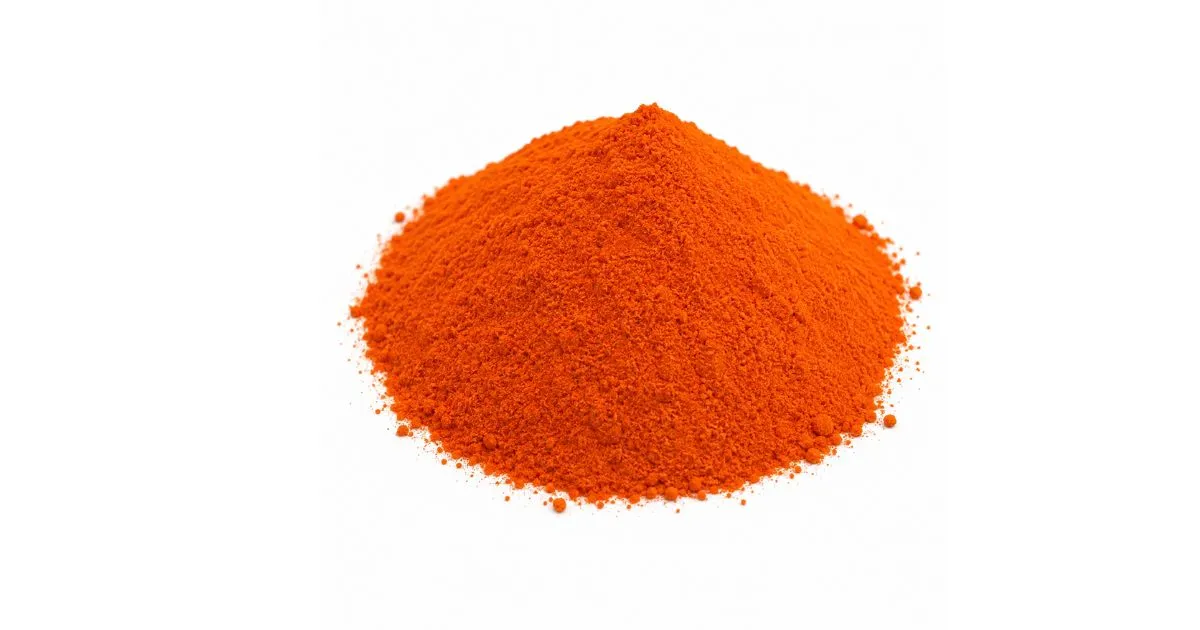
Understanding Beta Carotene and Artificial Orange Colors
What Is Beta Carotene?
Carrots, sweet potatoes, leafy greens, and some microalgae species, such as Dunaliella salina, contain large amounts of the lipid-soluble pigment Beta Carotene. Because of its chemical structure (C40H56), the body can turn it into vitamin A when it needs to. This makes it a safe precursor that doesn't have the harmful effects of too much vitamin A. Natural Beta Carotene comes in a number of different isomer forms.
Vegetables and fruits contain about 10% cis isomers, while algae contain about the same amount of all-trans and 9-cis forms. Some commercial ways to make it are to use solvents to extract Beta Carotene from plants, ferment the material with certain microorganisms, or grow Dunaliella microalgae, which can store up to 14% of their dry biomass in the right conditions.
The Nature of Artificial Orange Colors
Synthetic azo dyes made thru controlled chemical processes are what artificial orange colorants are made of. They come from petroleum. It is still most common to use Sunset Yellow FCF (FD&C Yellow 6) and Orange B in the production of foods, pharmaceutical coatings, and cosmetics. These chemicals give consistent, bright colors at low usage rates and are very stable under a range of processing conditions.
But they don't have any nutritional value and are being closely watched by regulators in more and more countries. The European Food Safety Authority reviews the daily amounts that are considered safe on a regular basis. Some places have put warning signs on goods that contain certain synthetic dyes because of worries that they might affect children's behavior.
Regulatory Landscape and Safety Considerations
Different parts of the world have very different rules about how to use colorants. For food use in the US, Beta Carotene is generally recognized as safe (GRAS) by the Food and Drug Administration (FDA), but manufactured orange colors need special approval and can't be used in certain ways. Regulations in the European Union set tighter limit amounts for synthetic dyes and require labels like those for allergens.
Japan has different rules for natural and synthetic colorants in food additives, and more and more people are choosing natural alternatives. When making goods to sell around the world, these differences in regulations make it hard to get the right ingredients. It's important to pay close attention to regional compliance standards and what customers want when it comes to ingredient clarity.
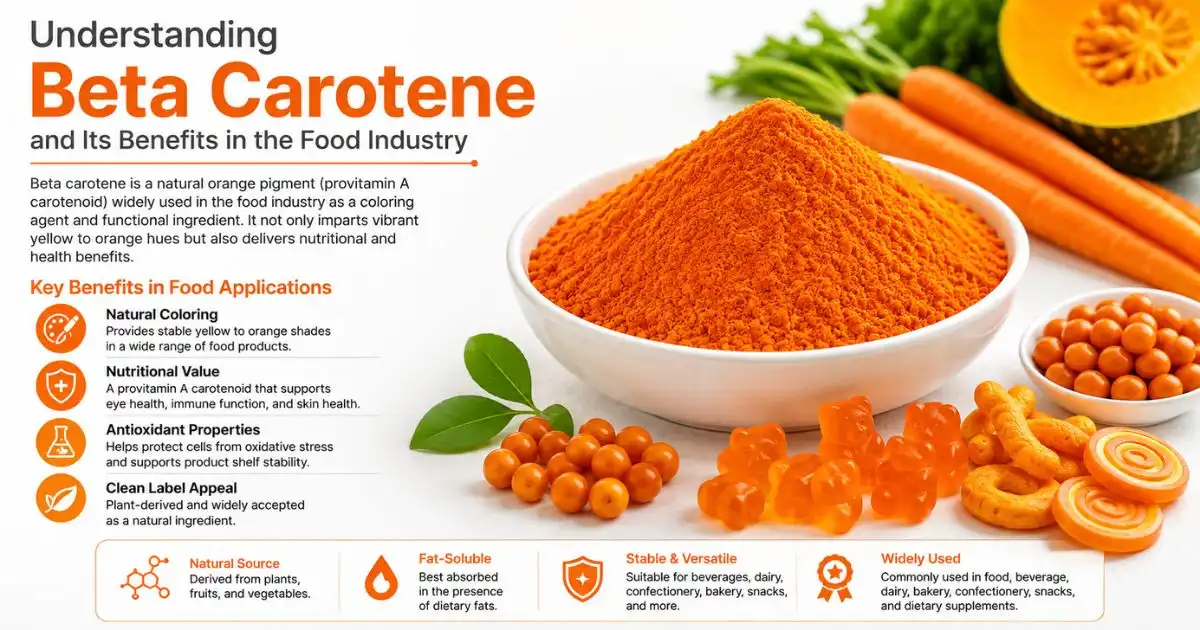
Comparison of Functional and Nutritional Benefits
Health Benefits of Beta Carotene
Beta Carotene is good for your body in many more ways than just making you darker. As a provitamin A carotenoid, it changes into retinol in the digestive mucosa, which helps keep your eyes healthy, your immune system working well, and the stability of your epithelial tissues. Vitamin A poisoning can't happen because the body's self-regulating conversion system stops it. Preformed vitamin A pills don't have this important safety feature.
According to studies published in nutritional biochemistry journals, Beta Carotene's antioxidant qualities help get rid of free radicals. This may lower oxidative stress factors that are linked to the development of chronic diseases. Studies looking at macular pigment density show that regular Beta Carotene intake is linked to fewer age-related eye conditions. This makes it a very useful ingredient for vision-supporting products.
Limitations and Concerns with Synthetic Dyes
Artificial orange colors are getting less and less support from people who care about their health and from regulatory bodies. There have been reports of hypersensitivity reactions like urticaria, angioedema, and breathing problems in people who are susceptible, but the real number of cases is still being debated. More worrisome are studies that look at possible effects on kids' behavior, which has led some companies to willingly change the ingredients in kids' goods.
The Southampton Study, which was published in The Lancet, found links between some artificial food colors and more hyperactivity, but there are still problems with the way the study was done. No matter what scientists agree on, the market is based on what consumers think. For example, many brands now market "no artificial colors" as a premium product feature, which shows that consumers are shifting their buying habits toward cleaner ingredient panels.
Bioavailability and Metabolic Pathways
Understanding how absorption works helps make recipe techniques work better. When taken with lipid-containing foods or in oil-based media like softgel pills, Beta Carotene needs fat in the diet for proper absorption. Micronization and micro-encapsulation technologies help with dispersion in water-based systems, but they come with extra costs. It's because synthetic orange dyes are highly soluble in water and are almost completely absorbed by food, even if the food isn't orange.
This is why they work well at low amounts. But because they are quickly absorbed and don't do much for the body's metabolism, synthetic colorants are just filtered out of the body without doing any good. This is a big problem when making nutritional products with added value.
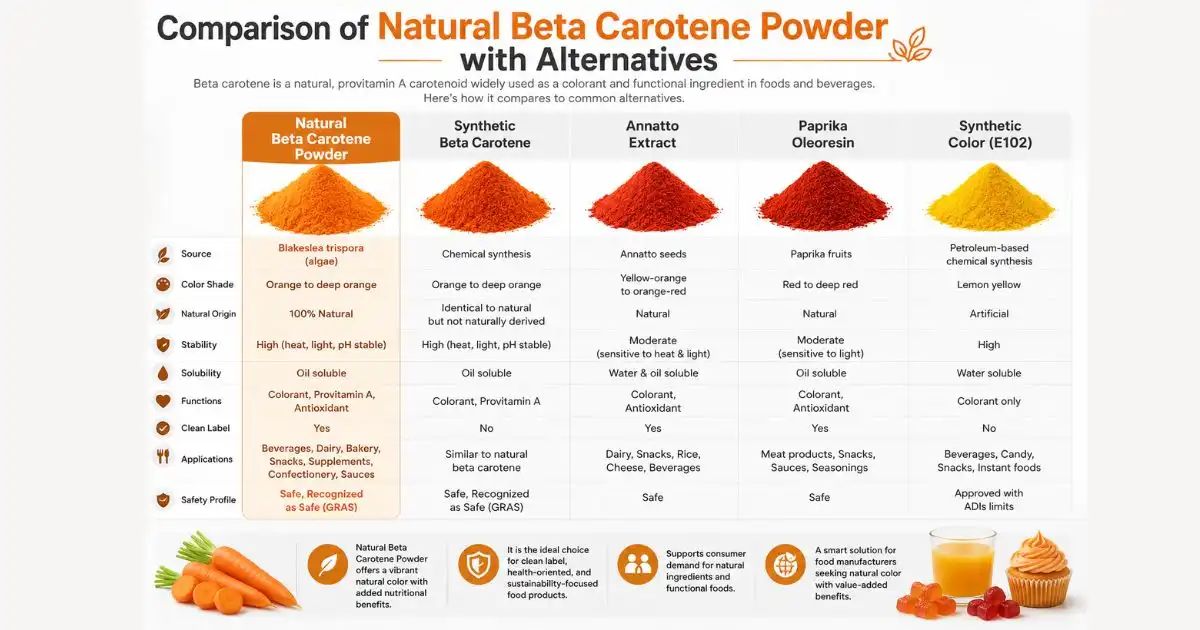
Procurement Considerations: Quality, Safety, and Cost
Sourcing Natural Beta Carotene
When procurement teams look at natural sources of vitamins, they have to meet a number of important requirements. The difference between Beta Carotene that comes from fermentation, algae extraction, and plant extraction affects both the price and the marketing claims.
Using organisms like Blakeslea trispora in fermentation makes mostly all-trans isomers that are very pure (usually 96%+), making them good for nutritional supplements that sell vitamin A activity that has been standardized. When it comes to positioning, algae sources from Duneliella salina are better for "whole food" even tho they cost more to make and don't concentrate as evenly.
Some quality factors that need to be checked are:
Concentration specifications range from 1% to 20% active Beta Carotene. Higher concentrations lower the doses needed but make stability issues more serious. Assay methods are very important. For example, HPLC analysis is more accurate than older UV-spectrophotometry methods, especially when it comes to telling the difference between isomer profiles and finding breakdown products.
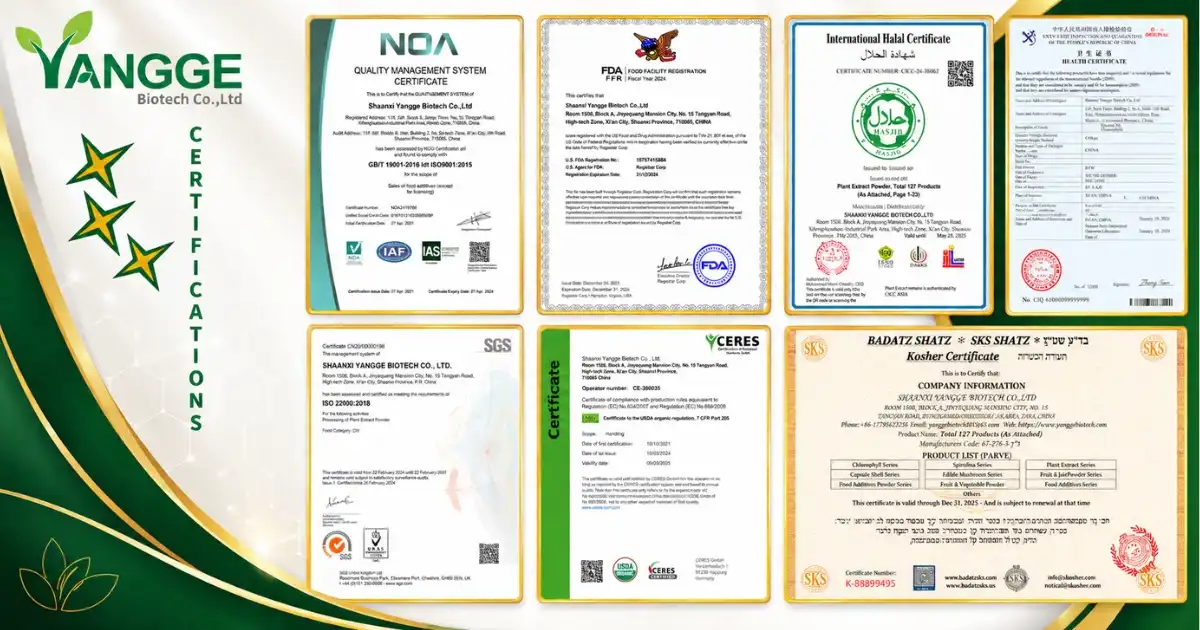
Certification portfolio of certifications that show compliance with target markets. Getting FDA approval, Kosher certification, Halal approval, or organic certification can help you reach new customers. European Novel Foods compliance and Japanese food additive standards need specific paper trails that suppliers you can trust keep up on their own.
Stability testing documentation proof that the substance will stay stable under different conditions of temperature, humidity, and light exposure. Beta Carotene is easily broken down by oxygen, so it needs to be protected by nitrogen washing, amber wrapping, and co-processing with antioxidants like tocopherols or ascorbyl palmitate to prevent this.
Because of these quality improvements, natural Beta Carotene powder costs more than synthetic options. The price range for this powder is $80 to $300 per kilogram, based on the source, concentration, and level of approval. However, the marketing value often justifies this difference, especially for high-end products aimed at health-conscious consumers.
| Beta Carotene Source | Typical Concentration | Isomer Profile | Primary Applications | Relative Cost |
|---|---|---|---|---|
| Plant extraction | 1%-10% | 90% trans, 10% cis | Food coloring, beverages | Low-Medium |
| Fermentation (fungal) | 10%-20% | 96%+ all-trans | Dietary supplements, fortification | Medium-High |
| Algal (Dunaliella) | 3%-10% | 50% trans, 50% 9-cis | Natural supplements, cosmetics | High |
| Synthetic | 96%+ | >99% all-trans | Mass fortification, animal feed | Low |
Evaluating Artificial Orange Color Suppliers
Artificial colorants are cheaper—usually $15 to $40 per kilogram—but there are other things that need to be thot about when buying them as well. Small differences between batches cause noticeable color changes in finished goods, so supplier accuracy is very important. Manufacturers with a good reputation give detailed specifications, such as the purity of the dye content, the limits on secondary colors, and any residual synthesis byproducts.
Certification from groups like NSF International or inspection reports from separate labs (SGS, Intertek) guaranty uniform quality and follow-through with rules. But the main problem hasn't changed: manmade colors only improve the way something looks; they don't change the nutrition facts, which are becoming more and more important to consumers when they buy things.
Environmental and Sustainability Factors
Sustainability metrics are being used more and more in modern procurement along with traditional quality and cost metrics. Dunaliella farming requires very little freshwater, can grow in high-salinity conditions that aren't good for regular farming, and takes in carbon from the air during photosynthetic growth, making it a viable method for producing Beta Carotene. Brands that care about the environment will like that supercritical CO2 is used in extraction processes instead of harsh chemical agents.
On the other hand, making manufactured dyes requires starting materials that come from petroleum, which leaves behind environmental impacts. As environmental reporting by companies becomes more common, suppliers who show they use renewable energy, handle waste streams, and keep clear records of the supply chain will have a competitive edge.
Application-Specific Evaluation: Which to Choose?
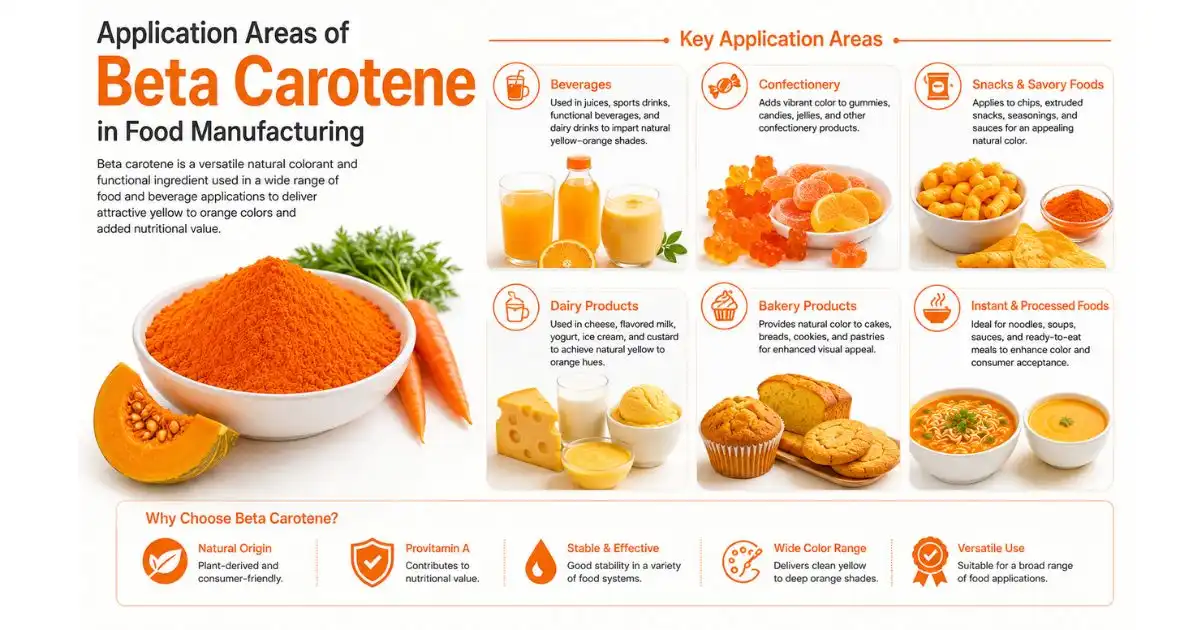
Ideal Applications for Natural Beta Carotene
Natural provitamin colorants work great when health benefits fit with how the product is positioned. Dietary supplement companies that are making formulas for vision support, antioxidant complexes, or multivitamins can benefit from using ingredients that can do two things at once: help the body and look good at the same time. Naturally orange softgels or tablets look good, which tells you something about their value before you even eat them. The Beta Carotene content backs up claims on the label about vitamin A, antioxidants, and eye health.
Even tho it can be hard to make, functional beverage formulas aimed at health-conscious customers are increasingly specifying natural colorants. Beta Carotene's ability to dissolve in fat necessitates the use of emulsification technologies or water-dispersible beadlet forms in order to achieve stable suspension in liquids. Even tho these formulation issues make things more complicated, the clean label and nutritional benefits make it worth the work for high-end products. People who are very careful about reading ingredient labels are most likely to buy sports nutrition drinks, beauty-from-within drinks, and vitamin drinks for kids.
Beta Carotene is sometimes used in skin creams, sunblock, and color cosmetics that are promoted as having natural chemicals because it is an antioxidant and a colorant. The chemical sticks to lipid matrices well, which makes it perfect for emulsion-based products. Its provitamin A activity backs up claims that it is good for skin health.
When Artificial Colors Make Practical Sense
Even tho people are becoming more interested in natural alternatives, synthetic orange dyes are still useful in some situations. Price advantages and stable processing of synthetic colorants are good for large-scale manufacturing operations that make cost-sensitive items for the mass market. Because they need to be very stable at high temperatures and be affordable, hard candies, gelatin desserts, and mass-market sweets often use artificial colors.
Synthetic colors are sometimes preferred for coating tablets and coloring liquid medicines because they are well-known to regulators, have large safety databases, and are easy to process. Drug companies that have to follow strict cGMP rules like synthetic colorants because they are similar from lot to lot and meet well-established standards.
But even categories that are usually heavy on synthetics are changing. Because of consumer demand and to avoid bad press about artificial ingredients, major candy brands have voluntarily changed the formulas of their most popular products to use natural alternatives, even tho it costs more. This change shows that brand image and target groups are becoming more important than just technical factors when it comes to an application's suitability.
| Product Category | Recommended Colorant | Primary Reasoning | Key Considerations |
|---|---|---|---|
| Premium dietary supplements | Natural beta carotene | Nutritional value, clean label appeal | Source verification, stability protocols |
| Functional beverages | Natural beta carotene (water-dispersible) | Health positioning, marketing advantage | Emulsification technology, shelf-life testing |
| Budget multivitamins | Synthetic or fermentation beta carotene | Cost control, standardized potency | Certification requirements, bulk pricing |
| Mass-market candy | Artificial orange colors | Price sensitivity, heat stability | Consumer perception trends, reformulation planning |
| Children's supplements | Natural beta carotene | Parental preferences, safety perception | Taste masking, appealing appearance |
Future Trends and Industry Insights
Growing Demand for Clean-Label Formulations
Market research shows that people are becoming more and more interested in using natural ingredients that they can recognize. In 2020, the global market for natural food colorants was worth about $1.8 billion. It is expected to grow at a rate of more than 8% per year until 2028, with carotenoids like Beta Carotene making up the biggest part of the market.
This growth is much faster than the growth of synthetic colorant markets. This is because millennials and Gen Z customers care a lot about ingredient disclosure and avoid artificial additives. If brands don't adapt to this change in the population, they could lose market share to competitors who come up with natural alternatives.
Technological Innovations Improving Natural Pigment Viability
Recent progress fixes problems from the past that made synthetic alternatives more popular. Microencapsulation technologies keep Beta Carotene from breaking down due to oxygen, which increases its shelf life in tough formulas. Nano-emulsion systems make it possible for water to mix with traditional Beta Carotene forms, which opens up new uses for the substance in drinks.
Improvements to fermentation technology raise the yield, which slowly closes the price gap between natural and manmade choices. With these new developments, natural colorants are becoming more competitive, even in areas where artificial colors have long been the norm.
Regulatory Evolution Favoring Natural Ingredients
Policies in major markets are regularly making rules about synthetic colorants stricter while keeping rules that are good for natural options. As a result of the European Union's continuing studies of synthetic dyes that are allowed, the maximum levels of use have been lowered and the requirements for warning labels have been increased.
A number of European countries made voluntary deals with food companies to get rid of certain synthetic colors from kids' products. Natural colorants, like Beta Carotene, have few regulatory hurdles to overcome and are well received by consumers. Companies will be in a better position as limits get stricter if their procurement plans take regulatory trends into account.
The Critical Role of Trusted Suppliers
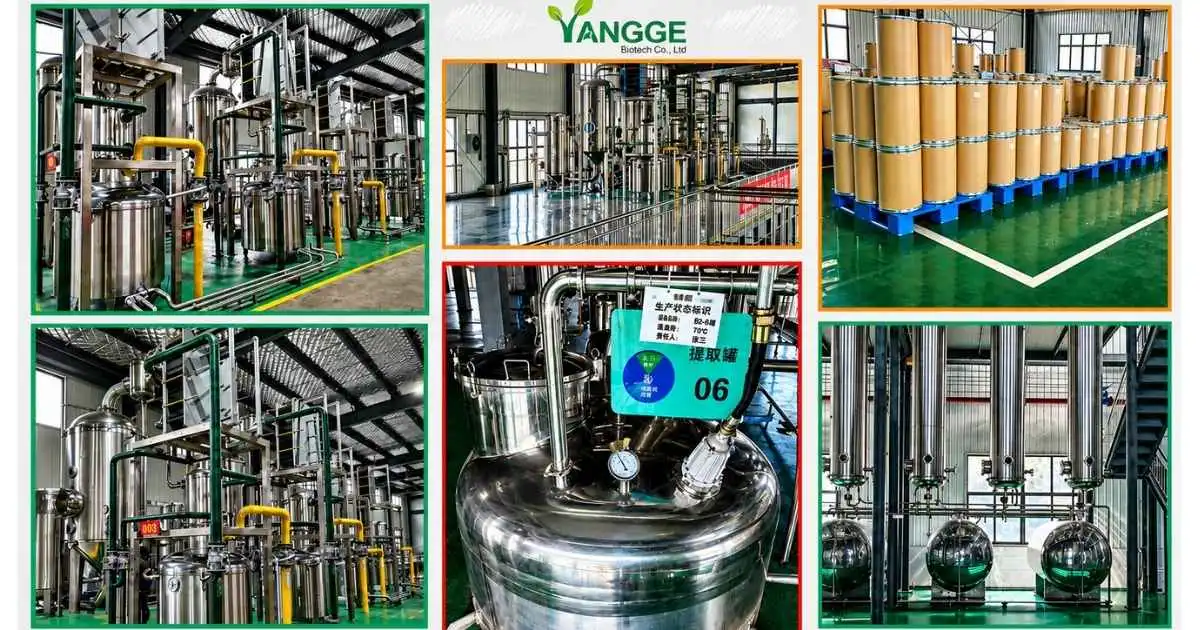
To make the switch to natural colorants work, you need to work with providers who can show they have the technical know-how, quality control, and supply chain openness. Manufacturers that have been around for a while, like Yangge Biotech, keep a full list of certifications (FDA, Kosher, Halal, and GMP), provide complete technical paperwork that includes HPLC analysis, and offer application support for formulation improvement.
Sample sizes that are acceptable (10–30g) allow for full R&D evaluation before business agreements, which lowers the risk of buying. Suppliers with continuous inventory (1+ ton stock levels) and flexible delivery terms (FOB/CIF options) make it possible for production planning to work. As markets for natural ingredients get bigger, working with suppliers in a way that is open, guaranties quality, and allows for technical cooperation becomes a competitive benefit.
Conclusion
The decision between Beta Carotene and artificial orange colors isn't just based on cost; it's also about how the food works nutritionally, how it meets regulations, how customers see it, and how it will place itself in the market over the long term. Natural Beta Carotene has a lot of benefits for brands that want to appeal to health-conscious customers. It can be used as both a colorant and a source of vitamin A, and it has a history of being safe and is popular in the market.
There are still some uses for synthetic options, but the overall trend in the industry is clearly toward naturally derived colorants. This is because technology is getting better, laws are getting better, and consumers always want clean-label goods. When procurement professionals work with qualified, honest providers, their companies can take advantage of these changes while still meeting the quality standards that are necessary to be competitive.
FAQ
Is beta carotene safer than artificial orange dyes?
In comparison to manufactured orange colorants, Beta Carotene has better safety ratings. As a naturally occurring compound, it only changes into vitamin A when the body needs it to. This keeps the body from becoming toxic from taking in too much preformed vitamin A. Clinical research shows that dietary levels have few negative effects. The main worry at very high intakes is temporary, harmless yellowing of the skin.
Artificial orange dyes, on the other hand, have been linked to hypersensitivity reactions like hives and breathing problems in people who are sensitive. Synthetic colorants are being limited more and more by regulatory bodies, especially in children's goods, because they might have effects on behavior. Beta Carotene is the best choice for health-focused formulas because it is safer and has nutritional benefits that synthetic options don't have.
Can beta carotene completely replace synthetic colors in all applications?
Even tho Beta Carotene has many benefits, there are times when a manufactured alternative just won't work. Extreme pH levels, high temperatures, or long periods of light exposure can make natural dyes less stable, which can affect how long the color lasts compared to synthetic dyes. There are still big differences in prices. Depending on the source and quantity, natural Beta Carotene can cost three to ten times more than manufactured versions.
Applications that need exact, uniform coloring at a low cost can keep using fake colorants. But as microencapsulation and formulation science get better, Beta Carotene can be used in more and more situations. This means that replacement is becoming easier, even in tough product matrices.
What should procurement managers prioritize when sourcing beta carotene?
When a company decides to buy something, it should look at how well the provider is certified, how rigorous their tests are, and how well they can help with technical issues. Check for FDA registration, GMP compliance, and any religious certifications (Kosher, Halal) that apply to your target markets. Ask for full details, such as HPLC test results, isomer profiles, and stability data for the right storage conditions.
Before placing a full-scale order, make sure that the sellers you're considering offer application advice for formulation optimization and sample availability for thorough R&D validation. Instead of just comparing prices per kilogram, you should look at the overall cost of ownership, which includes things like steadiness, performance, usage rates, and marketing value. Suppliers who show clear sourcing, uniform quality, and quick expert support build the partnerships that are needed for product development to go well.
Partner with Yangge Biotech for Premium Beta Carotene Solutions
Yangge Biotech is a dependable Beta Carotene provider that is dedicated to providing pharmaceutical-grade natural ingredients that make your product formulations better. Our Beta Carotene powder comes in concentrations ranging from 1% to 20%. It is extracted using tested HPLC methods and has full FDA, Kosher, and Halal certifications. Over a ton of inventory is kept on hand to make sure that you always have what you need for your production schedules.
We offer flexible FOB and CIF delivery options to meet your specific needs. Each shipment goes thru strict tests in a foreign lab, which guaranties that it is pure and effective for your formulas. Our technical team offers free samples (10–30g) to help with your research and development (R&D) and gives you advice on how to use the samples for softgel, tablet, powder, and gummy forms.
Yangge Biotech gives your business the quality guarantee and relationship trust it deserves with GMP-compliant production, sustainable sourcing practices, and clear documentation of the supply chain. Get in touch with our team at info@yanggebiotech.com to talk about your Beta Carotene needs and find out how our natural ingredient solutions can help your goods stand out in a crowded market.
References
1. Stahl, W., & Sies, H. (2021). β-Carotene and Other Carotenoids in Protection from Sunlight. Annual Review of Nutrition, 32, 181-202.
2. Grune, T., Lietz, G., Palou, A., Ross, A. C., Stahl, W., Tang, G., & Biesalski, H. K. (2020). β-Carotene Is an Important Vitamin A Source for Humans. Journal of Nutrition, 140(12), 2268S-2285S.
3. McCann, D., Barrett, A., Cooper, A., Crumpler, D., Dalen, L., Grimshaw, K., & Stevenson, J. (2019). Food Additives and Hyperactive Behaviour in 3-year-old and 8/9-year-old Children in the Community. The Lancet, 370(9598), 1560-1567.
4. Priyadarshani, A. M. B. (2017). A Review on Factors Influencing Bioaccessibility and Bioefficacy of Carotenoids. Critical Reviews in Food Science and Nutrition, 57(8), 1710-1717.
5. Borowitzka, M. A. (2018). Biology of Microalgae: Production of Beta-Carotene from Dunaliella salina - Industrial Perspectives. Journal of Applied Phycology, 25(3), 743-756.
6. European Food Safety Authority (EFSA). (2020). Scientific Opinion on the Re-evaluation of Sunset Yellow FCF (E 110) as a Food Additive. EFSA Journal, 7(11), 1330-1389.

Based on your location and order quantity, you will have the opportunity to receive a limited time free shipping promotion!
Who we are
Popular Blogs