CoQ10 vs PQQ: Which Ingredient Is Better?
Coenzyme Q10 (CoQ10) and Pyrroloquinoline Quinone (PQQ) are two well-known ingredients used in nutritional supplements focused on mitochondrial and cellular energy support. While both are associated with antioxidant activity and mitochondrial function, they work through different mechanisms. CoQ10 plays an important role in the mitochondrial electron transport chain and helps support energy production, while PQQ has been studied for its role in mitochondrial signaling and biogenesis.
For supplement manufacturers, CoQ10 may be a strong choice for formulations focused on energy production, antioxidant protection, and cardiovascular wellness, while PQQ can be considered for products targeting mitochondrial health, healthy aging, and cognitive wellness. Research suggests that their functions may be complementary rather than interchangeable, making CoQ10 and PQQ interesting ingredients for advanced nutritional formulations.
Yangge Biotech supplies high-quality CoQ10 and PQQ ingredients for dietary supplements and functional nutrition applications, with support for bulk sourcing, product specifications, documentation, and customized OEM solutions. Contact Yangge Biotech today to discuss your ingredient requirements, request product specifications or samples, and explore suitable formulations for your products. Email: info@yanggebiotech.com.
When evaluating CoQ10 versus PQQ for supplement formulations, CoQ10 emerges as the more versatile choice for most B2B applications. As a cofactor in mitochondrial ATP production with extensive clinical validation, CoQ10 demonstrates superior cardiovascular benefits and broader market acceptance. Its proven bioavailability especially in ubiquinol form and established manufacturing processes make it ideal for heart health supplements, anti-aging formulations, and energy products.
While PQQ offers compelling mitochondrial biogenesis properties, CoQ10's robust safety profile, cost-effectiveness at scale, and alignment with consumer expectations position it as the preferred ingredient for procurement managers developing cardiovascular nutraceuticals, functional beverages, and softgel formulations targeting the North American and European markets.
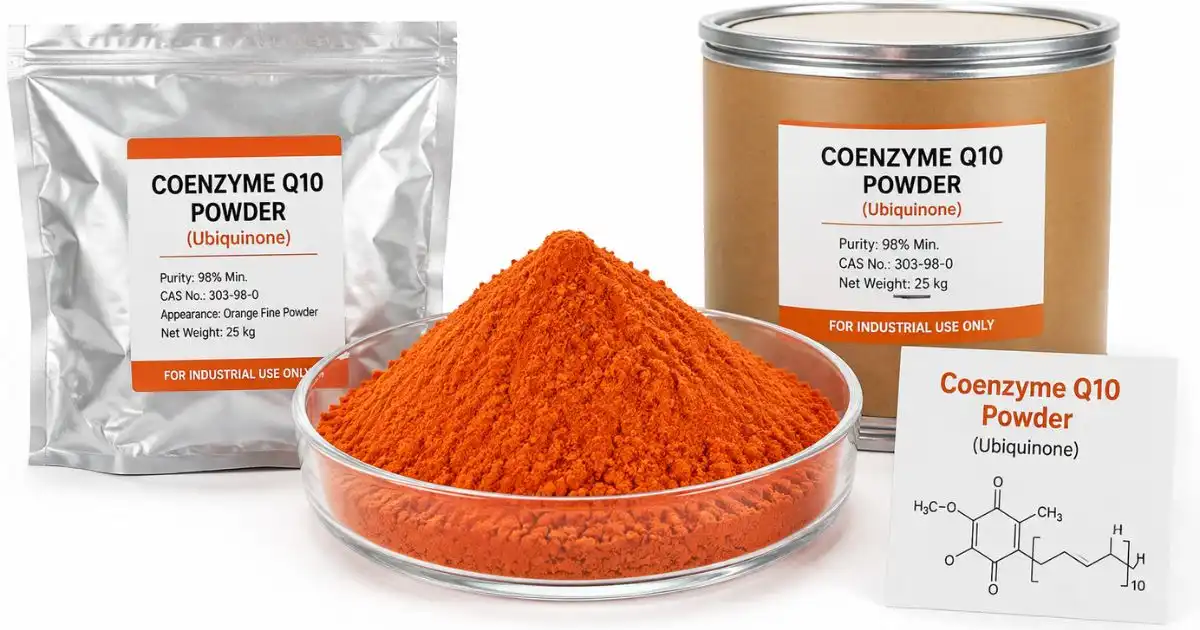
Understanding CoQ10 and PQQ: Core Functions and Benefits
Even though both CoQ10 and PQQ are very important for cell health, they work in different ways that affect the choices that are made about how to formulate them. Knowing these differences helps procurement managers choose ingredients that will help their products reach their goals.
The Biological Role of CoQ10
CoQ10 is an electron carrier in the mitochondrial respiratory chain. It directly helps make ATP, which is the energy currency of cells. This lipid-soluble compound is found in all human cells, but it is highest in the heart, liver, and kidneys, which use a lot of energy. In addition to making energy, CoQ10 is a powerful antioxidant that fights free radicals that damage DNA and cell membranes.
Studies show that taking 100–300 mg of CoQ10 every day can help the heart work better by improving the health of endothelial cells and lowering markers of oxidative stress. The ingredient is also good at controlling blood pressure; meta-analyses show that it lowers systolic blood pressure by 10-15 mmHg in people with high blood pressure.
PQQ's Emerging Profile
PQQ stands out because it can promote mitochondrial biogenesis, which means it can make new mitochondria instead of just keeping the ones that are already there alive. In bacteria, this pyrroloquinoline quinone molecule works as a redox cofactor, and it seems to turn on PGC-1α, which is a master regulator of mitochondrial replication in humans.
At amounts of 10 to 20 mg per day, research shows that PQQ improves brain function and protects neurons. But there isn't as much clinical proof for it as there is for CoQ10. For example, there haven't been as many large-scale human studies that prove long-term benefits. PQQ's ability to dissolve in water makes it easier to formulate in beverage applications where lipid-based ingredients can be unstable.
Dosage and Bioavailability Considerations
Bioavailability of CoQ10 varies a lot depending on how it is made. Standard ubiquinone needs fat carriers and only absorbs about 3–5% of its weight. However, reduced ubiquinol forms or nano-emulsified products can triple bioavailability. Therapeutic doses usually run from 100 mg for general health to 600 mg for certain heart treatments.
Because it dissolves in water, PQQ is better at being absorbed naturally, but its best dose is still being researched. Most clinical studies use 10–20 mg daily, which is a much smaller dose than CoQ10 and has a different effect on cost-per-dose estimates.
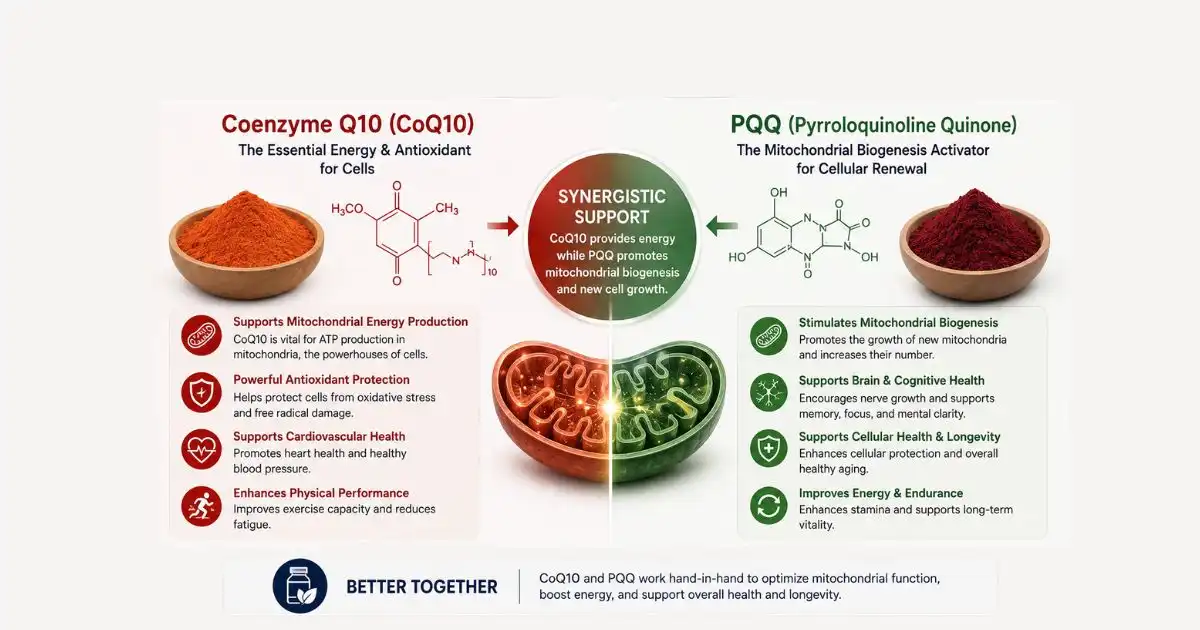
Head-to-Head Comparison: CoQ10 vs PQQ in Key Performance Dimensions
Choosing what to buy depends on how well the ingredients match the health goals. This comparison looks at both compounds in areas that are important for formulating well and positioning them in the market.
Mitochondrial Energy Support
CoQ10 is a direct part of the electron transport chain, which makes mitochondria work better. CoQ10 is needed to move electrons between Complex I/II and Complex III in each mitochondrion. This is why it is essential for making ATP. Clinical trials show that taking extra CoQ10 makes people feel less tired and increases their ability to exercise. This is especially true for older adults, people who take statins, and people who have heart failure whose natural levels are low.
PQQ takes a different method by focusing on increasing the number of mitochondria instead of their instant function. Studies on animals show that PQQ turns on genes that make new mitochondria. This means that taking the vitamin for a long time may have effects that build up over time. However, there is still not a lot of human data to support this process. In real life, this means that CoQ10 gives you more instant and measurable energy benefits that work better for fast-acting formulations, while PQQ is better for long-term health routines.
Antioxidant and Anti-Aging Properties
Oxidative stress is fought by both ingredients, but they do so in different ways. CoQ10 repairs vitamin E in cell membranes and stops lipid peroxyl radicals from doing damage directly. Dermatological studies show that both applied and oral CoQ10 can reduce the depth of wrinkles and make skin more flexible by stopping collagen from breaking down due to free radicals. Because it is lipophilic, it can build up in skin tissues, which makes it useful for cosmeceutical uses.
PQQ has an amazing ability to cycle between oxidation and reduction—one molecule of PQQ can go through thousands of processes without breaking down. This trait suggests strong cell protection, but proving that in vitro antioxidant capacity leads to anti-aging effects in humans needs more clinical validation. The evidence we have now supports PQQ's neuroprotective antioxidant effects more strongly than its use on the skin.
Cardiovascular Health Evidence
The circulatory benefits of CoQ10 are based on decades of study in a wide range of areas. Meta-analyses constantly show that people with heart failure have better ejection fraction, people with high blood pressure have lower blood pressure, and the risk of dying from heart disease goes down. These benefits come from the compound's job to keep endothelial function and artery flexibility up. Cardiologists often suggest taking extra CoQ10 along with statins because these drugs lower the amount of CoQ10 that your body makes naturally.
PQQ circulatory study is still in its early stages. There have been some studies on animals that show better heart function and smaller infarct sizes after heart events, but there have not been any large-scale human cardiovascular outcome experiments. CoQ10 has a much better body of evidence that both healthcare workers and knowledgeable customers will find convincing when looking for heart health formulations.
Absorption and Formulation Variables
To get the best bioavailability, you need to know the physicochemical qualities of each item. Because CoQ10 doesn't like water, it needs fatty carriers like medium-chain triglycerides, soybean oil, or special emulsifiers. Softgel encapsulation is still the best method, but water-dispersible beadlet technologies have made it possible to add nutrients to drinks. Reducing the size of particles through micronization or nano-emulsion greatly improves absorption, which is why more expensive formulations are needed.
| Parameter | CoQ10 (Ubiquinone) | CoQ10 (Ubiquinol) | PQQ |
|---|---|---|---|
| Water Solubility | Poor | Poor | Good |
| Typical Dose Range | 100-600mg | 100-300mg | 10-20mg |
| Bioavailability Enhancement | Requires lipid carrier | Naturally higher absorption | Direct absorption |
| Preferred Delivery Form | Softgels, oil suspension | Softgels, emulsion | Capsules, beverages |
| Stability Considerations | Moderate light sensitivity | High oxidation sensitivity | More stable |
PQQ's water solubility simplifies certain applications but doesn't eliminate formulation considerations. The compound requires protection from excessive heat and pH extremes. Its lower dose needs make formulations smaller, which is helpful for complicated mixtures with multiple ingredients where capsule size is limited.
Procurement Considerations: Sourcing, Cost, and Supplier Comparison
Buying things in a smart way balances the quality of the ingredients, the lowest cost, and the dependability of the supply chain. These things often have as much to do with a product's success as the biological qualities of the ingredient.
Market Pricing and Cost Analysis
The cost of CoQ10 varies depending on the type, pure grade, and production process. Fermentation-derived ubiquinone from reputable suppliers usually costs between $250 and $450 per kilogram at a purity level of 98% for sales over 100 kg. Ubiquinol costs a lot—$800 to $1,200 per kilogram because it needs to be processed and stored in a special way. The cost of water-dispersible CoQ10 powders with improved absorption goes up by another 30 to 50 percent, but they can be used in functional beverage uses that standard crystalline powder can't.
Because it is harder to make and there are fewer kilograms being made, PQQ is still more expensive per kilogram ($2,000 to $3,500). But because each dose is much smaller (10 mg vs. 100–200 mg CoQ10), the differences in the cost of the finished product are much smaller. A 30-day supply of CoQ10 costs about $8–$15, while a supply of PQQ costs about $6–$12 at the recommended dose. This means that a direct cost comparison depends on the application.
Quality Standards and Supplier Selection
Purchasing managers should give priority to sellers who show a lot of quality paperwork. Yangge Biotech's Coenzyme Q10 meets the highest standards in the industry, with 98.0–101.0% purity confirmed by HPLC, compliance with USP43/EP/BP pharmacopeial standards, and proof of no allergens or GMOs. Europe's strict PAH4 standards are met by this product, which has benzopyrene levels below 10 ppb. This allays worries about processing contaminants that affect lower-grade providers.
Some other quality indicators are:
- Trans-isomer confirmation: The bio-identical all-trans configuration guarantees the highest biological activity, setting fermentation-derived material apart from synthetic alternatives that contain inactive cis-isomers.
- Residual solvent testing: Gas chromatography checks that the levels of Class 1 and Class 2 solvent residues stay below ICH limits, which is important for food- and drug-grade uses.
- Stability documentation: Accelerated aging data showing that the product's effectiveness was kept throughout its claimed shelf life when stored according to the instructions.
- Microbial limits: Total aerobic numbers, yeast/mold limits, and disease lack based on USP or EP methods are the microbial limits.
Verification by a third-party lab adds authority. When suppliers work with well-known testing sites, they can check specs independently. This lowers the risk of procurement and helps with regulatory submissions.
Logistics and Supply Chain Management
A steady supply of ingredients keeps output from stopping, which hurts relationships with customers and income lines. The mature supply chain for CoQ10 has many qualified sources, well-established shipping rules, and reliable wait times of 3–4 weeks for material from Asia. Yangge keeps 500 kg of ready stock on hand so that they can quickly fill urgent orders and sample requests for as little as 1 kg.
PQQ supply is still mostly controlled by a few makers, which could make it vulnerable during times of high demand or production problems. This risk can be reduced by building relationships with providers and keeping smart inventory buffers. Check to see if the suppliers have a history of getting orders done, responding quickly to communications, and being willing to provide proof that their just-in-time or safety stock purchasing models work with your production schedule.
Choosing the Right Ingredient: Matching Product Attributes to Business Needs
Market success depends on matching the choice of ingredients with the types of customers you want to reach and how you place your product. Different uses choose CoQ10 or PQQ based on the strength of the evidence, how well it works with other ingredients, and how customers feel about it.
Application-Specific Ingredient Mapping
Cardiovascular Health Products: CoQ10 is the leader in this category because it has been used in a lot of clinical trials and is well known among healthcare professionals. CoQ10 at 100–200 mg daily doses should be a top priority for people who are making heart health softgels, blood pressure support pills, or goods for people who take statins. Cardiologists know about the ingredient and it's included in clinical standards, which backs up marketing claims and professional advice.
Energy and Sports Performance: Because CoQ10 directly helps make ATP, it is the best ingredient for formulas that focus on energy. Add to pre-workout or daily energy items that also have B vitamins and adaptogens. CoQ10 beads that dissolve in water allow functional beverage uses like energy drinks, gym recovery recipes, and fortified waters that are aimed at busy people who want long-lasting energy without stimulants.
Cognitive Health and Neuroprotection: PQQ looks like the better choice for brain health positioning. People who want to live longer will be interested in its mitochondrial biogenesis properties and neuroprotective research. Combine with citicoline, phosphatidylserine, or omega-3 DHA in formulas that help with memory, attention, and the loss of brain function that comes with getting older. The newness of the ingredient makes it stand out in the crowded nootropic market.
Anti-Aging and Skin Health: CoQ10's ability to dissolve in lipids and work well on the skin make it a good ingredient for both beauty vitamins and cosmetics. In beauty-from-within formulas, mix with collagen peptides, hyaluronic acid, and astaxanthin. When applied topically, CoQ10 helps build up membranes and has been shown in studies to reduce wrinkles.
Procurement Decision Framework
Systematic review stops mistakes that cost a lot when choosing ingredients. Objective comparison is based on the following framework:
| Decision Factor | Weight | CoQ10 Score (1-5) | PQQ Score (1-5) | Notes |
|---|---|---|---|---|
| Clinical Evidence Strength | 25% | 5 | 3 | CoQ10 has decades more research |
| Manufacturing Scalability | 20% | 5 | 3 | CoQ10 supply more established |
| Cost Efficiency | 20% | 4 | 4 | Comparable at typical doses |
| Formulation Flexibility | 15% | 3 | 4 | PQQ water-soluble advantage |
| Market Awareness | 10% | 5 | 2 | CoQ10 widely recognized |
| Regulatory Clarity | 10% | 5 | 4 | Both have good safety profiles |
Building Supplier Partnerships for Long-Term Success
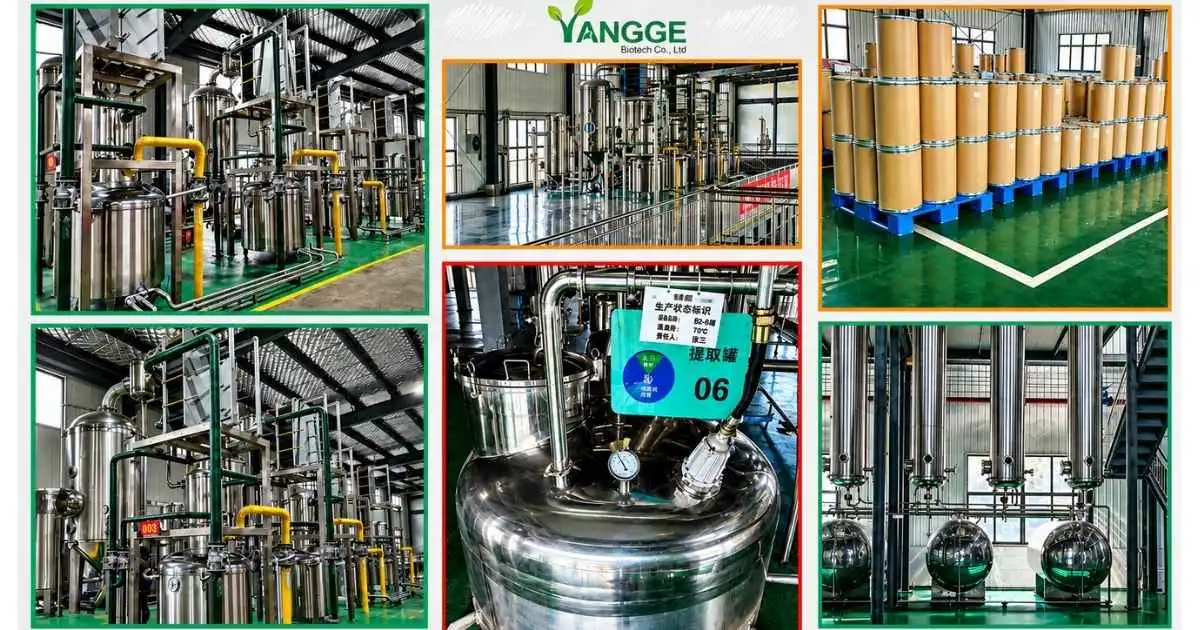
When suppliers help with product development and quality control, ingredient sourcing goes beyond just buying things. Yangge Biotech shows its partnership-focused skills by offering flexible OEM packing, joint formulation support, and quick technical service. These value-added services from suppliers shorten the time it takes to get a product to market and lower the risk of development.
Check to see if potential partners are good at communicating, have complete regulatory documentation, and are willing to work with your specific needs. When suppliers put time and effort into building relationships by doing things like stability studies, formulation suggestions, and market research, they stop being just vendors and become strategic assets. Set up regular reviews of your business to check for consistency in quality, cheap prices, and service performance against well-known metrics.
Conclusion
CoQ10 is the best choice for most B2B supplement uses because it has the most clinical evidence, the most established supply chains, and the most formulation options. It has been shown to help the heart, give you energy, and slow down the aging process, all of which are in high demand. Even though PQQ has interesting mitochondrial biogenesis qualities that make it a good candidate for positioning in brain health, it is harder to get because it has a smaller body of evidence and fewer suppliers.
For cardiovascular, energy, and general wellness products, buyers should choose CoQ10 over PQQ. PQQ should only be used in specialized cognitive and neuroprotective formulations where its unique properties justify premium positioning. Partnering with quality-focused suppliers that offer full certifications, stable supply, and expert help is the best way to make sure that formulations work well and follow all regulations in all target markets.
FAQ
What are the primary health benefits that differentiate CoQ10 from PQQ?
CoQ10 excels in cardiovascular support, energy production, and antioxidant protection with significant clinical proof covering decades. Through direct involvement in mitochondrial ATP synthesis, it makes the heart work better, lowers blood pressure, and fights cellular aging. PQQ focuses on neuroprotection and mitochondrial biogenesis, which may help nerve health and cognitive function in different ways. CoQ10 can be used for a wide range of health problems, while PQQ is better for specific brain health problems.
Can CoQ10 and PQQ be combined in a single formulation?
When you mix these two ingredients together, you get synergistic formulations that attack energy from different angles. CoQ10 improves the function of existing mitochondria, while PQQ encourages the formation of new mitochondria. This match works well with high-end energy, brain, or longevity goods. 100–200 mg of CoQ10 and 10–20 mg of PQQ are common ratios. Ensure compatibility testing for stability and check that combined claims meet with legal standards in target markets.
What criteria should buyers prioritize when selecting CoQ10 suppliers?
Prioritize purity verification through HPLC testing, trans-isomer confirmation, and compliance with USP/EP/BP standards. Check the data on microbial limits, residual solvent testing, and PAH contamination. Check the manufacturing certifications, such as GMP, ISO, and any food safety credentials that are needed. Look over the documents on stability, the flexibility of the minimum order, the availability of inventory, and the quality of expert assistance. Buying from suppliers who offer full COAs, third-party testing, and quick communication lowers the risk of the purchase.
Partner with Yangge for Premium CoQ10 Bulk Powder
Yangge Biotech provides pharmaceutical-grade Coenzyme Q10 that is engineered to meet the exacting standards of supplement and functional food makers. Our CoQ10 comes from fermentation and is 98–101% pure, meeting all USP43, EP, and BP standards. This has been confirmed by HPLC testing and proof from a separate lab. We can handle both large-scale production and R&D sampling, with a ready inventory of 500 kg and a minimum order size of 1 kg. Our water-dispersible CoQ10 powder formulations solve problems in drinking applications, and our normal crystalline powder is very stable and is used to make softgels and capsules.
Our ISO, HACCP, Kosher, and Halal certifications give us access to markets around the world, and our OEM packing options let us meet unique needs. Yangge's dedication to renewable energy and sustainable sources is in line with today's standards for business duty. Contact us or you can email our technical team at info@yanggebiotech.com to talk about your unique recipe needs, get certificates of analysis, or set up shipping of samples for your next CoQ10 project.
References
1. Mortensen SA, Rosenfeldt F, Kumar A, et al. The effect of coenzyme Q10 on morbidity and mortality in chronic heart failure: results from Q-SYMBIO—a randomized double-blind trial. JACC Heart Failure. 2014;2(6):641-649.
2. Garrido-Maraver J, Cordero MD, Oropesa-Ávila M, et al. Clinical applications of coenzyme Q10. Frontiers in Bioscience. 2014;19:619-633.
3. Hidaka T, Fujii K, Funahashi I, Fukutomi N, Hosoe K. Safety assessment of coenzyme Q10 (ubiquinone). Regulatory Toxicology and Pharmacology. 2008;52(1):2-11.
4. Stites T, Storms D, Bauerly K, et al. Pyrroloquinoline quinone modulates mitochondrial quantity and function in mice. Journal of Nutrition. 2006;136(2):390-396.
5. Nakano M, Ubukata K, Yamamoto T, Yamaguchi H. Effect of pyrroloquinoline quinone (PQQ) on mental status of middle-aged and elderly persons. FOOD Style. 2009;13(7):50-53.
6. Saini R. Coenzyme Q10: The essential nutrient. Journal of Pharmacy and Bioallied Sciences. 2011;3(3):466-467.

Based on your location and order quantity, you will have the opportunity to receive a limited time free shipping promotion!
Who we are
Popular Blogs