Chaga Extract Benefits for Functional Beverages
The functional beverage industry is experiencing an unprecedented surge in demand for natural, bioactive ingredients, and chaga extract has emerged as a frontrunner in this space. Derived from Inonotus obliquus, a medicinal mushroom harvested from birch trees in cold northern climates, this concentrated botanical delivers a powerful combination of polysaccharides, triterpenoids, and antioxidant compounds that align perfectly with consumer wellness expectations. Our analysis reveals that manufacturers incorporating this ingredient report enhanced product differentiation, improved immune-support claims, and stronger market positioning against conventional beverage offerings.
For procurement managers and R&D teams navigating the complexities of ingredient sourcing, understanding the technical specifications, bioavailability advantages, and regulatory compliance requirements of chaga mushroom extract becomes essential. This guide examines the strategic benefits, formulation considerations, and supply chain best practices necessary for successful product development in the competitive functional beverage landscape.
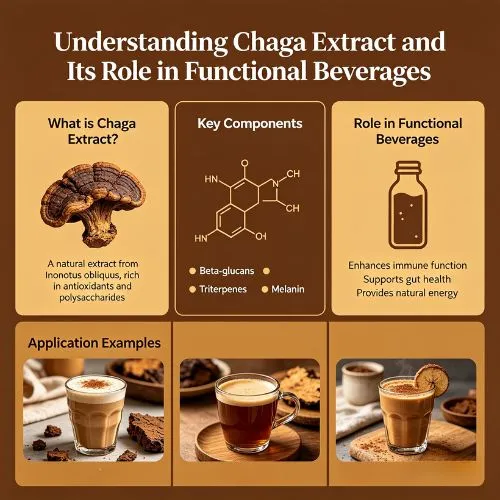
Understanding Chaga Extract and Its Role in Functional Beverages
The process of turning raw chaga mushroom into a concentrated bioactive ingredient solves one of the biggest problems in plant supplementation, which is making the substance bioavailable. Raw chaga has tough chitin cell walls that our stomach enzymes can't break down properly. This means that a lot of its nutrients can't be absorbed. This problem can be solved by using hot water and two different types of solvents to break up cell structures and separate medicinal chemicals that are being targeted.
Extraction Methods and Bioactive Standardization
Using hot water to remove mostly focuses polysaccharides and beta-glucans, giving you water-soluble compounds that help control your immune system. When you remove something with ethanol, you get fat-soluble triterpenoids like betulinic acid, which helps the antioxidant ability. Our chaga extract specs include polysaccharide concentrations between 10% and 40%, tested using UV and TLC methods. This lets formulators choose the right levels of strength for each product claim.
Regulatory Compliance and Quality Assurance
To meet foreign norms, testing must follow strict guidelines. Eurofins testing results show that our product meets EU standards for polycyclic aromatic hydrocarbons (PAH4) by keeping benzopyrene levels below 10 parts per billion. Concerns about contamination from wild gathering areas are eased by this approval, which also gives the paperwork needed for import clearance in a number of different regulatory areas. As long as it is kept in sealed, light-protected cases, the extract stays non-GMO, non-irradiated, and allergen-free for two years.
Differentiating Extraction Ratios and Concentration Specifications
For accurate formulation, it is important to know the difference between measured numbers and extraction ratios (5:1, 10:1). If the number is 10:1, it means that 10 kg of raw material make 1 kg of extract. However, this doesn't mean that the extract is useful. Standardized polysaccharide percentages give exact amounts of active compounds, which helps formulators figure out dosages that offer clinically useful amounts in finished drinks. This difference stops the common mistake that buyers make of choosing ingredients based only on price per kilogram without thinking about how beneficial they are.
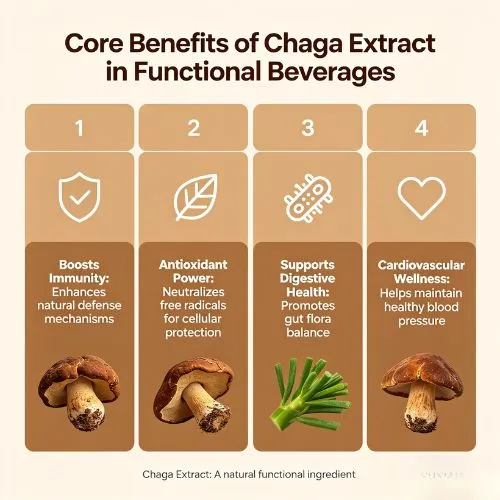
Core Benefits of Chaga Extract in Functional Beverages
A study in the International Journal of Medicinal Mushrooms shows that polysaccharides from Inonotus obliquus have big effects on the immune system by turning on natural killer cells and macrophages. These results directly translate into marketable health claims for functional drinks that try to boost the immune system. This is especially important for groups of people who are interested in wellness.
Antioxidant Capacity and Shelf Life Extension
Chaga that has been picked from the wild has a very high ORAC (Oxygen Radical Absorbance Capacity) value, which is said to be one of the highest ever tested in natural foods. This is because it contains a lot of melanin. This antioxidant profile does two things: it supports the health benefits that are advertised, and it also works as a natural protection that can keep drinks fresh longer. Formulators say that oxidation rates are lower in canned drinks with standardized chaga extract than in formulas that don't have antioxidants added.
Adaptogenic Properties and Stress Response
In addition to helping the immune system, the triterpenoid part has adaptogenic properties that help people deal with their bodies' reactions to stress. People in the target audience who are looking for healthy choices to caffeinated or energy drinks will really like this benefit. The mild, earthy taste goes well with coffee alternatives, teas with mushrooms, and health shots without overpowering other plant-based ingredients.
Anti-Inflammatory Mechanisms and Wellness Positioning
Pro-inflammatory cytokines are stopped by betulinic acid and other substances in concentrated extracts, according to clinical studies. This scientific support can help beverage companies put their goods in the growing anti-inflammatory health area, which is different from general "antioxidant" claims. The natural source and long history of use make for true stories that appeal to people who are wary of manufactured additives.
How to Integrate Chaga Extract into Beverage Product Lines?
For integration to work, the chaga extract format must fit the production skills and end-product traits that are wanted. When mixed according to the right steps, our brown fine powder standard dissolves easily in water. This means it can be used for both hot-fill and cold-processed uses.
Powder Format Advantages for Manufacturing Efficiency
When compared to liquid concentrates, the uniform powder form is easier to handle, has a lower shipping weight, and makes managing supplies easier. Pharmaceutical-grade packaging in 1-kilogram metal foil bags keeps the goods from absorbing water and going bad while they're being stored. This style works perfectly with automatic batching systems that are used to make a lot of drinks, where accurate dosing is important to keep the quality of each batch the same.
Dosage Optimization and Efficacy Thresholds
In clinical tests, daily doses of pure extract usually range from 500 mg to 3000 mg. When making ready-to-drink drinks, figuring out the amount of polysaccharide in each dose makes sure that the goods meet effectiveness standards while staying within cost goals. A 12-ounce drink with 300 mg of 30% polysaccharide extract gives you 90 mg of active compounds, which is a clinically useful amount that backs up the claims on the package without costing too much.
Solubility Considerations and Processing Parameters
The extract dissolves well in water, but the best way to dissolve it is to pay attention to the temperature, pH, and mixing strength. Hot-fill methods above 80°C improve both solubility and heating at the same time. Longer soaking times or pre-dissolution in warm water before mixing with cold components are good for cold-brew uses. Formulators should try the stability of their products over the full length of time they are supposed to last to make sure that the beneficial compounds stay mixed in and don't settle or precipitate.
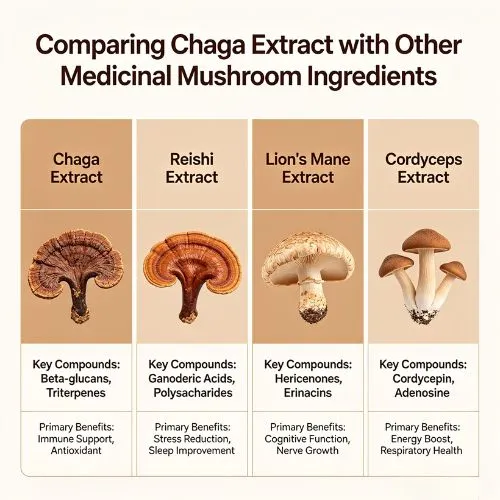
Comparing Chaga Extract with Other Medicinal Mushroom Ingredients
Several kinds of useful mushrooms have bioactive profiles that overlap but are still different. Turkey Tail (Trametes versicolor) focuses on protein-bound polysaccharides to help the defense system, while Reishi (Ganoderma lucidum) focuses on triterpenes to help the heart and liver. Chaga extract is special because it has a very high amount of antioxidants and carbohydrates that help the defense system.
Bioactive Composition and Targeted Health Claims
Lab tests show that chaga that was collected from the wild has higher amounts of melanin than chaga that was grown in a lab, which helps explain its unique antioxidant profile. This difference in makeup is important for brands that stress genuineness and maximum potency from wild sources. Teams in charge of buying things should ask a third party to confirm that the products came from the wild by showing proof of where they were harvested, since the way they were grown has a big effect on the amount of beneficial compounds they contain.
Cost-Benefit Analysis for Multi-Mushroom Formulations
Some drink companies choose beneficial blends that mix chaga with species that work well together. When making goods with more than one mushroom, knowing how each one costs helps you get the best ingredient amounts. Our extract's price represents its sustainable wild gathering and advanced processing, making it a premium ingredient that can be used in high-end product lines instead of low-end ones. Strategic mixing lets brands balance claims about how well their products work with the need to make a profit.
Procurement and Supply Chain Insights for Chaga Extract
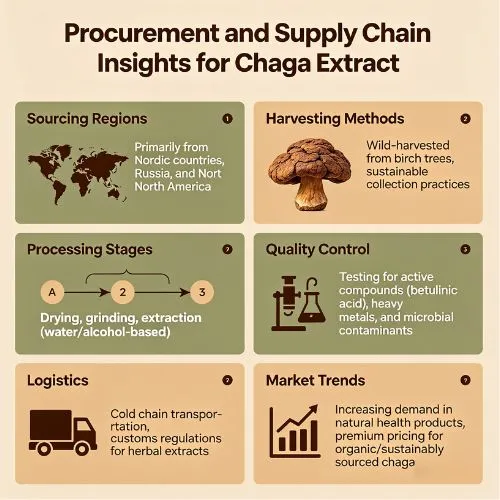
Quality control starts with certifying the seller and continues at every step of the supply chain. Our ISO, HACCP, Kosher, and Halal standards show that we have complete quality management systems that meet the needs of different government bodies in markets around the world.
Traceability and Sourcing Authentication
Yangge Biotech maintains farm-to-finished-good traceability for chaga extract through documentation linking each batch to specific harvesting regions. Supply chain visibility is increasingly demanded by retailers and consumers, particularly for wild-harvested botanicals where sustainability concerns arise. Partnerships with northern collection communities ensure harvesting practices preserve birch forest ecosystems while supporting local economies.
Batch Consistency and Technical Support
To make a lot of things, you need ingredient sellers who can give the same exact specs for all of your orders. As part of our quality control procedures, we test every output batch for heavy metals, microbial load, pesticide residues, and polysaccharide content. The results are written down on certificates of analysis that are unique to each batch. Technical support goes beyond basic specs and includes advice on extraction methods, usage suggestions, and help with formulating problems.
Inventory Strategy and Minimum Order Considerations
We keep 50–100 kilograms of stock on hand so that we can quickly fill orders. For initial sampling and recipe development, we offer adjustable minimum orders starting at one kilogram. This structure works for both new brands doing research and development tests and well-known brands that need a steady source of big goods. Long-term supply deals can get you better prices and a guaranteed share during times of high demand or unpredictable harvests.
International Logistics and Compliance Documentation
To export chaga extract, you have to deal with a lot of complicated rules and paperwork, like phytosanitary certificates, customs reports, and import permits that are specific to each country. Our transportation network prepares the paperwork and works with transfer partners who know how to ship botanical ingredients. Knowing that foreign shipping takes two to four weeks, based on the location and the time it takes to clear customs, helps procurement teams plan the amount of supplies they need to keep production running smoothly.
Conclusion
Putting chaga extract into functional drinks is a good way for companies to stand out in the health market, which is already very competitive. Our research shows that for implementation to go well, bioactive potency, regulatory compliance, sensory factors, and the dependability of the supply chain must all be balanced. When making purchases, people should give more weight to suppliers who offer standard specs, detailed testing documentation, and expert help. The extract's ability to support the immune system, act as an antioxidant, and be natural fits with market trends toward useful ingredients that have been used for a long time and are now being studied more. As the market for functional drinks grows, brands that use high-end botanical products like chaga extract that comes from wild plants will have a long-term economic edge.
Partner with Yangge for Premium Chaga Extract Supply
Yangge Biotech offers pharmaceutical-grade chaga extract that was designed to work with functional drinks. It combines the authenticity of wild-sourced mushrooms with the precision of manufacturing on a large scale. Our specialized research and development team works with formulation engineers to improve integration methods by giving detailed advice on dosing strategies, improving solubility, and testing for stability. As a provider of chaga extract with a lot of experience, we keep a lot of quality records, such as Eurofins testing reports, EU PAH4 compliance certificates, and batch-specific certificates of analysis that make it easier for you to send your products to the government.
You can email our purchasing agents at info@yanggebiotech.com to ask for samples, talk about custom polysaccharide amounts, or look into OEM packing options that are made to fit your production needs. We encourage purchasing managers and R&D directors to set up technical consultations with us so that we can show you how our reliable supply chain, competitive bulk pricing, and dedication to environmentally friendly harvesting methods can help you reach your long-term goals for product innovation in the functional beverage market, which is growing.
FAQ
Q: Can we get some samples to test before purchasing?
A: Of course, we can provide free samples of 20 to 100 grams, but the shipping cost is at the customer's expense. The shipping cost can be deducted from the next order, or the samples can be sent through your courier account.
Q: Do your products have relevant certifications?
A: Yes, our products are certified for HALAL, ISO, HACCP, Kosher, and other certifications.
Q: What is the minimum order quantity (MOQ)?
A: Small batches of samples can be customized according to your requirements.
Q: Do you offer OEM and ODM services? Can the formula be customized based on our own?
A: Of course, we provide ODM and OEM services to many customers. Our product range includes softgels, capsules, tablets, sachets, granules, and private label services. Simply contact us and let us know your requirements. Our experienced R&D team can also develop new products with specific formulas.
Please contact us to design your own branded products.
Q: How do you handle quality complaints?
A: First, we have a comprehensive quality control SOP. We provide authoritative third-party inspection reports for almost all products before shipment to minimize the possibility of quality issues. Second, we have a comprehensive return and exchange procedure. If there is a genuine quality dispute, we will strictly follow the SOP.
Q: How do you ship? How long does delivery take?
A: For small orders, we typically use DHL, UPS, EMS, FedEx, or TNT. Delivery typically takes 3-7 days. We also offer air and sea freight services. We have a strong freight forwarding team and can provide you with a one-stop service, including DDP and DDU.
Q: What are your payment terms?
A: 100% prepayment, payable by T/T, Western Union, MoneyGram, or PayPal.
Q: What is the shelf life of your products?
A: 2 years with proper storage.
References
1. Wasser SP, Weis AL. Therapeutic Effects of Substances Occurring in Higher Basidiomycetes Mushrooms: A Modern Perspective. Critical Reviews in Immunology. 1999;19(1):65-96.
2. Shashkina MY, Shashkin PN, Sergeev AV. Chemical and Medicobiological Properties of Chaga (Inonotus obliquus). Pharmaceutical Chemistry Journal. 2006;40(10):560-568.
3. Géry A, Dubreule C, André V, Rioult JP, Bouchart V, Heutte N, Eldin de Pécoulas P, Krivomaz T, Garon D. Chaga (Inonotus obliquus), a Future Potential Medicinal Fungus in Oncology? A Chemical Study and a Comparison of the Cytotoxicity Against Human Lung Adenocarcinoma Cells (A549) and Human Bronchial Epithelial Cells (BEAS-2B). Integrative Cancer Therapies. 2018;17(3):832-843.
4. Kahlos K, Kangas L, Hiltunen R. Triterpenes in Inonotus obliquus. Acta Pharmaceutica Fennica. 1987;96:197-199.
5. Cui Y, Kim DS, Park KC. Antioxidant Effect of Inonotus obliquus. Journal of Ethnopharmacology. 2005;96(1-2):79-85.
6. Glamočlija J, Soković M, Tešanović K, Vukojević J, Milenković I, Van Griensven LJ. Comparative Studies on the Antioxidant Activity of Ganoderna lucidum, Trametes versicolor and Inonotus obliquus. Mycologia Balcanica. 2011;8:85-90.

Based on your location and order quantity, you will have the opportunity to receive a limited time free shipping promotion!
Who we are
Popular Blogs