Best Astaxanthin Uses in Beauty and Nutrition Products
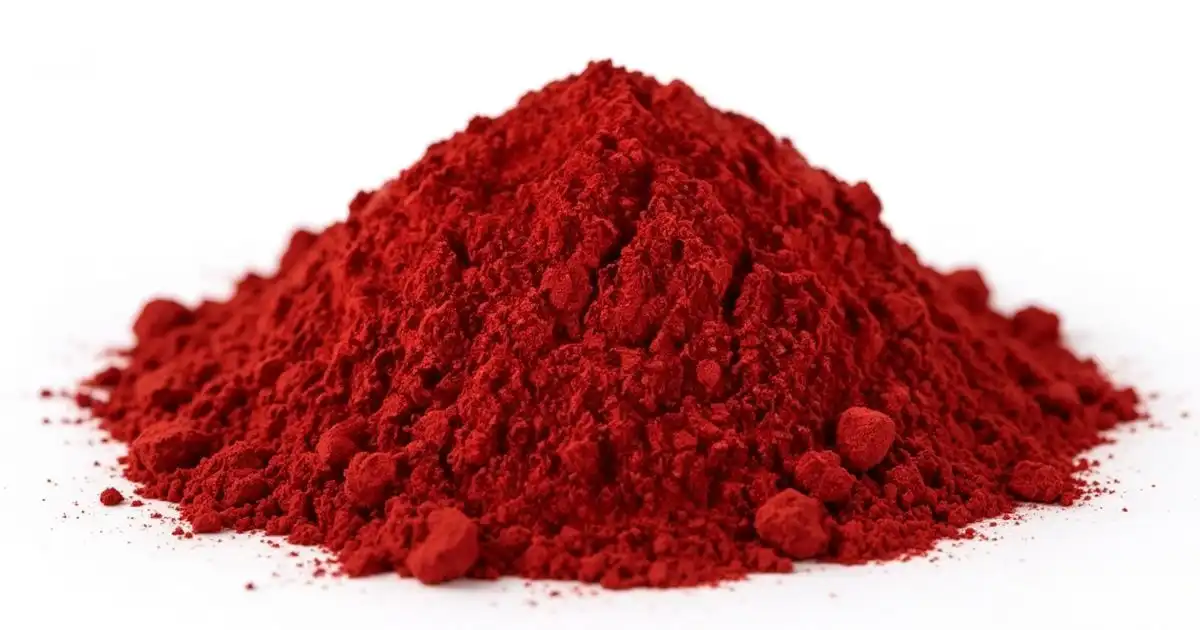
Yangge Biotech supplies high-quality Astaxanthin Powder, a natural carotenoid ingredient derived from Haematococcus pluvialis. With its characteristic dark red color and strong antioxidant properties, astaxanthin powder is widely used as a raw material in dietary supplements, functional foods, beverages, sports nutrition, beauty products, and cosmetic formulations.
Our Astaxanthin Powder is available in different specifications, including 1%, 2%, 3%, 5%, and 10%, to meet various formulation and manufacturing requirements. Yangge Biotech maintains strict quality control and provides technical documentation such as COA, specification sheets, MSDS, and third-party testing reports upon request.
We also support bulk supply, OEM/ODM services, private labeling, and customized packaging for customers worldwide. Whether you are developing capsules, tablets, gummies, powders, functional beverages, or other finished products, our team can provide professional ingredient and formulation support. Contact us today for specifications, samples, COA, wholesale pricing, or OEM/ODM solutions or email at info.yanggebiotech@gmail.com.
The best uses of astaxanthin span both beauty and nutrition sectors, leveraging its unparalleled antioxidant capacity 6,000 times stronger than vitamin C to combat oxidative stress at the cellular level. Derived predominantly from Haematococcus pluvialis microalgae, this potent keto-carotenoid serves as a cornerstone ingredient in anti-aging skincare formulations targeting UV-induced damage and wrinkle reduction, while simultaneously supporting dietary supplements that enhance cognitive function, eye health, and overall cellular resilience. Its unique 3S,3'S stereoisomer configuration in natural forms delivers superior bioavailability, making it indispensable for brands developing premium, science-backed products in today's competitive wellness and cosmetics markets.
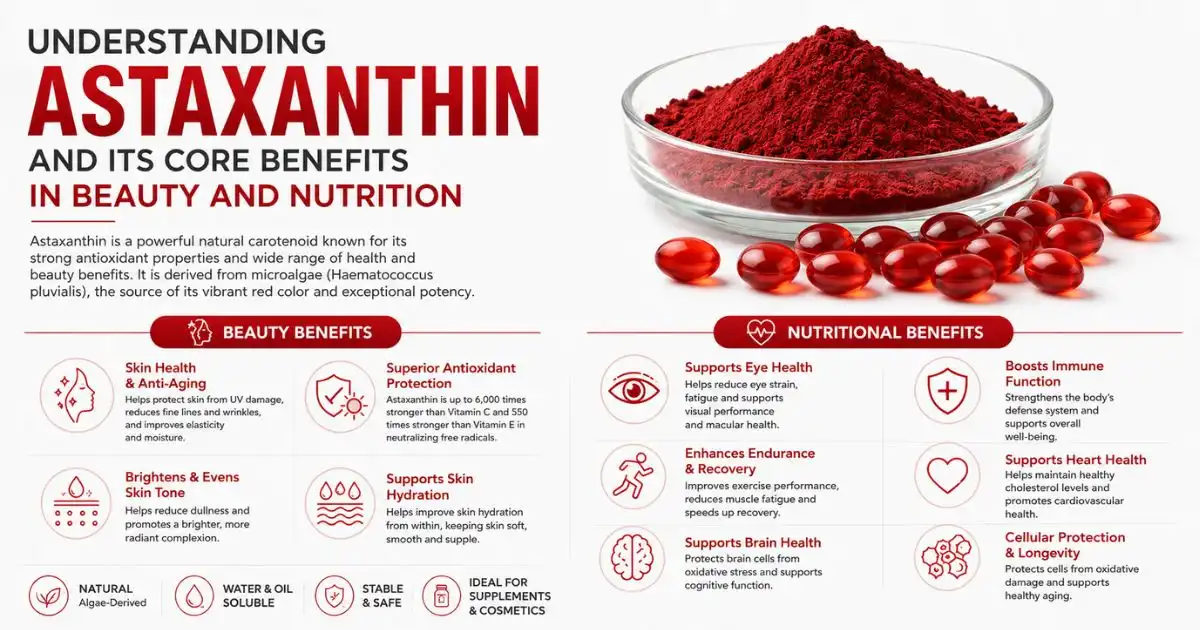
Understanding Astaxanthin and Its Core Benefits in Beauty and Nutrition
Natural Astaxanthin is a big step forward in the study of antioxidants. It gives B2B buyers an edge when they're making the next generation of health products. This xanthophyll pigment comes from Haematococcus pluvialis. Its chemical structure (C40H52O4) lets it cross whole cell membranes, protecting them from reactive oxygen species from the inside and the outside. The naturally occurring 3S,3'S stereoisomer of Astaxanthin has significantly higher biological activity compared to manufactured versions with 3R,3'S configurations.
Differentiating Natural vs. Synthetic Sources
The difference between natural and manufactured Astaxanthin has a big effect on how well a product works and where it stands in the market. Natural Astaxanthin from microalgae mostly has the 3S,3'S enantiomer, but it also has naturally occurring esterified forms that make it more stable and easier for the body to absorb.
The synthetic alternatives, which are made using petrochemical methods, are a racemic mix that isn't biologically better than the natural options. Studies in the lab using HPLC research show that natural forms have 20–50% more antioxidant activity in cell tests. To keep up with customer demand for clean-label goods and to stay out of trouble with the law in places like the EU and North America, procurement managers must check supplier paperwork that confirms algae sourcing.
Cellular Mechanism and Antioxidant Capacity
The molecular structure of Astaxanthin makes it more effective than other carotenoids at neutralizing singlet oxygen and peroxyl radicals. Its long conjugated double-bond system binds to free radicals in several places, and its polar end groups hold it in place across lipid bilayers. This placement safeguards both membrane cores that don't like water and cell sections that do. Studies that have been published in reputable journals show that this mechanism helps mitochondria work, lowers inflammatory markers, and keeps cells healthy when they are exposed to oxidative stress, which can happen with age and environmental factors.
Scientific Validation for Health Applications
Astaxanthin is effective in a number of health areas that are important for product development, according to clinical evidence. Dermatological studies show that taking 4-6 mg of supplements every day for 6 to 12 weeks makes the skin more elastic (measured by cutometry) and better at keeping moisture in. Astaxanthin's ability to cross the blood-retina barrier has been linked to better vision and less eye tiredness in ophthalmology studies. Studies on cognitive health show that brain-protecting benefits may be possible by getting through the blood-brain barrier. These proven benefits give products a strong base for positioning and legal marketing claims when they are properly supported.
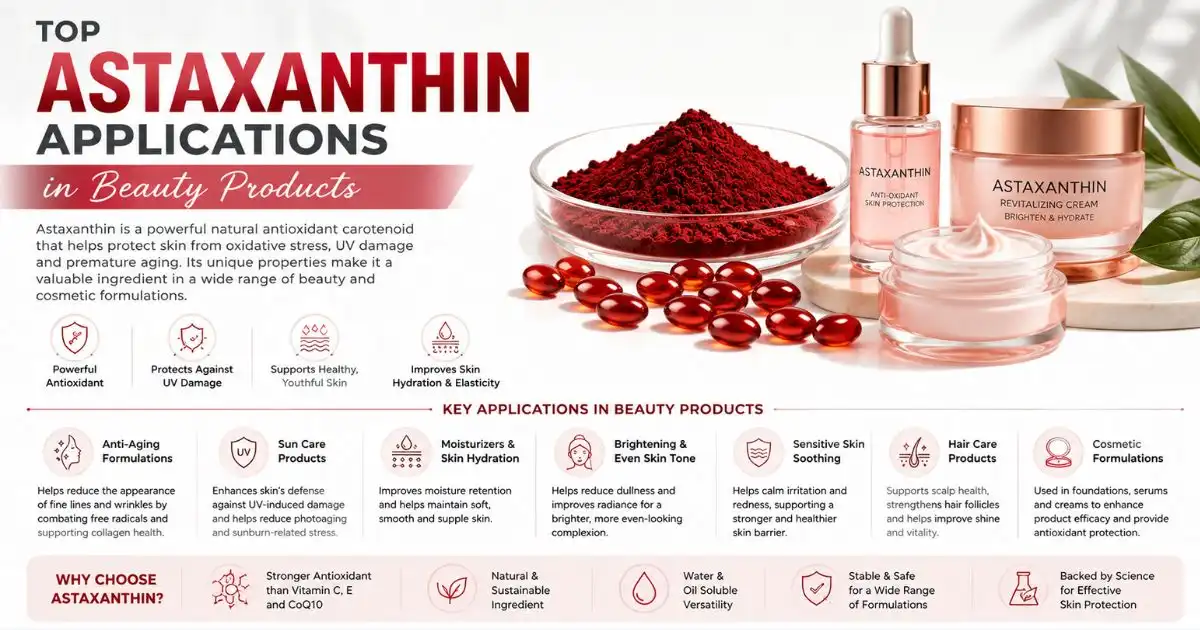
Top Astaxanthin Applications in Beauty Products
Astaxanthin is being used more and more in high-end anti-aging cosmetics to address consumer concerns about environmental damage and visible signs of aging. When it is added to topical products, the formulation chemistry, transport methods, and stability protection must all be carefully thought out to keep the bioactive purity of the product throughout its shelf life.
Anti-Aging Skincare Formulations
Astaxanthin is very good at fighting photoaging, which is the main cause of early skin aging in developed markets. Studies that use topical applications show big improvements in skin structure, fewer fine lines, and less uneven coloring. The substance works better with other active ingredients like hyaluronic acid and peptides, making the mixture work better overall. Astaxanthin's natural deep red color helps formulators make high-end skin care lines because it shows sophisticated customers how effective the product is while also protecting cells from UV damage that breaks down collagen and elastin.
Stability Considerations in Topical Products
Keeping Astaxanthin stable in makeup matrices is hard from a technical point of view, and it has a direct effect on how well the product works and how well the brand is known. Because the compound is easily broken down by oxygen, it needs to be protected with microencapsulation, antioxidant synergists (vitamin E, ascorbyl palmitate), and packaging that keeps light out.
Advanced delivery methods, like liposome encapsulation or cyclodextrin complexation, make it easier for molecules to get into the dermis while still keeping their integrity. To make promises about a product's shelf life, manufacturers should follow ICH standards and do accelerated stability testing. When properly formulated and packed, quality cosmetics should usually last between 24 and 36 months.
Emerging Applications for Hair and Nail Health
Besides being good for your face, Astaxanthin shows promise in hair care and nail strengthening products that fight oxidative damage caused by chemical treatments and environmental stressors. Studies on hair follicles show that Astaxanthin may help keep the head healthy by lowering inflammation and oxidative stress, which can cause hair to gray and thin too quickly.
When this carotenoid is added to nail polish, the brittleness and growth rate metrics get better. With science-backed claims, these new applications give brands the chance to expand their product lines into categories that aren't well-served yet. This is especially appealing to health-conscious customers looking for all-around beauty solutions made from trusted ingredients.
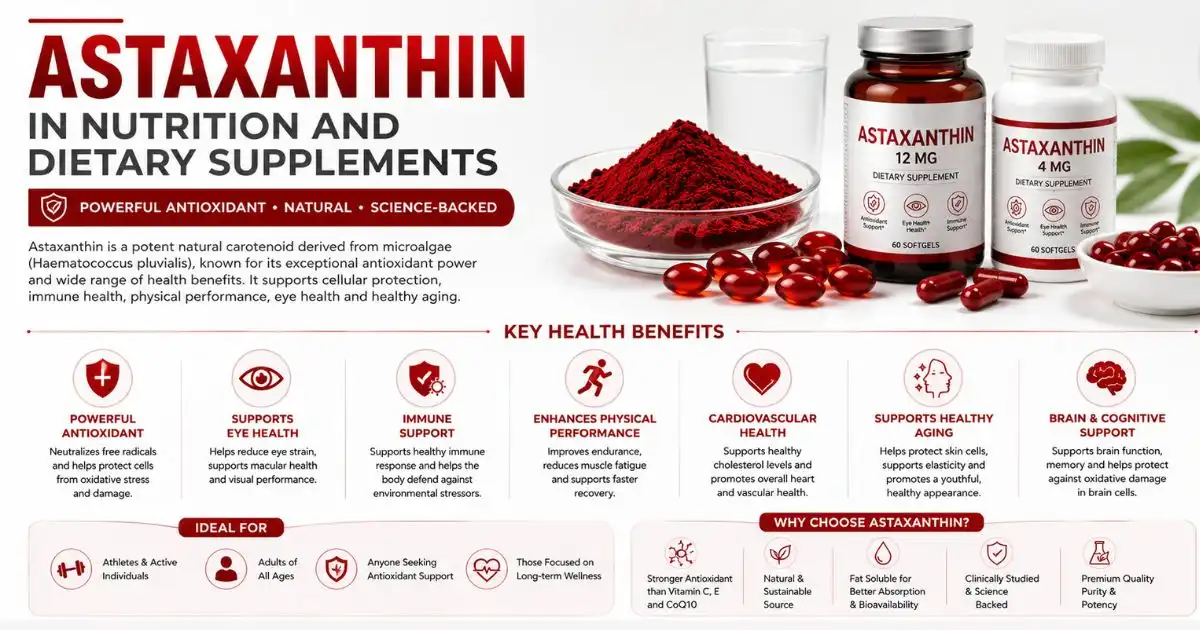
Astaxanthin in Nutrition and Dietary Supplements
The biggest market for Astaxanthin ingredients is in nutritional supplements. This is because people are living longer and wanting to stay healthy. To be successful in this busy market, product makers need to know how to deal with bioavailability issues, formulation choices, and ways to set their products apart from the competition.
Popular Supplement Formats and Bioavailability Enhancement
Astaxanthin supplements come in a variety of forms, each of which has its own benefits for different types of customers and market segments. Softgels with oleoresin suspended in lipid carriers (often omega-3 oils) are still the most popular form because this fat-soluble chemical is easier for the body to absorb. Vegetarian options include hard capsules filled with beadlet or microencapsulated powder, but they need to be carefully made to make sure they work well.
Functional beverage uses can use powders that can dissolve in water, but to make steady suspensions, you need to use advanced spray-drying or complexation technologies. If a company wants to be seen as a premium brand, they should look at phospholipid-bound forms that show better plasma concentration curves in pharmacokinetic studies.
The table below compares key specifications of different astaxanthin raw material formats suitable for dietary supplement manufacturing:
| specification | Oleoresin | Microencapsulated Beadlets | Water-Dispersible Powder |
|---|---|---|---|
| Typical Concentration | 5-10% | 1-2.5% | 1-5% |
| Bioavailability | Excellent (with lipids) | Good | Moderate |
| Stability | Requires protection | Enhanced through coating | Variable (pH dependent) |
| Application Suitability | Softgels, oil blends | Hard capsules, tablets | Beverages, sachets |
| Processing Temperature Tolerance | <120°C short duration | Up to 140°C | <100°C recommended |
Comparative Advantages Over Other Antioxidants
Astaxanthin's position in comparison to other antioxidants can help procurement teams explain its value to brand managers and customers. Astaxanthin's membrane-spanning structure offers benefits that chemicals that are limited to the water or lipid phases cannot match, even though vitamin C and E are still widely used as antioxidants.
Beta-carotene has a similar structure to Astaxanthin, but it doesn't have the keto-groups that make it better at removing radicals. While coenzyme Q10 does similar things to mitochondria, it costs a lot more per dose. Because of these differences, Astaxanthin products should be more expensive, and combination formulas that use synergistic processes across multiple antioxidant routes should be supported.
Bulk Sourcing and Quality Assurance Criteria
Supplement brands that do well set up strict rules for qualifying suppliers that cover things like purity, the risk of contamination, and the accuracy of the paperwork. Astaxanthin providers you can trust will give you full certificates of analysis that show the content, stereoisomer ratios, and lack of synthetic contaminants that have been checked by HPLC.
Microbiological testing, such as total plate counts, yeast/mold screening, and pathogen screening, should be done to make sure that dietary ingredients meet USP/EP standards. Heavy metal testing (for example, lead, arsenic, cadmium, and mercury) keeps aquaculture systems from polluting the water. More approvals, like GRAS status, organic, kosher, and halal, make it easier for products to reach more customers and governing bodies.
How to Choose the Best Astaxanthin Supplier and Product for Your Business
Choosing the right supplier has a huge impact on the success of a product. It affects everything from the performance of the formulation to compliance with regulations and profit margins. Procurement professionals can find partners who are in line with their strategic business goals and navigate complex supply chains with the help of a systematic evaluation framework.
Assessing Your Business Requirements
Different business types need different levels of service and skills from suppliers. OEM/ODM manufacturers who make client formulations need technical advice, specific instructions, and quick sample turnaround times to keep up with product development cycles. Suppliers who offer a variety of packaging options and reasonable minimum order quantities are good for distributors who want to keep their inventory flexible. When brand owners release their own formulations, they need providers who can back them up with strong legal support, clear record of the supply chain, and co-marketing tools. Making these goals clear before reaching out to suppliers speeds up the review process and makes it easier to form partnerships.
Critical Supplier Evaluation Parameters
The basic evaluation factors for Astaxanthin suppliers working with the nutrition and beauty businesses are listed below:
Natural Source Validation: The source of genuine Haematococcus pluvialis must be able to be proven through records of growth, harvesting, and, if necessary, genetic authentication. Suppliers should be clear about how cultivation methods (like open ponds vs. closed photobioreactors) change the risk profiles for contamination.
Purity and Stereoisomer Profile: An HPLC test should show that natural products have a 3S,3'S configuration of at least 95%, and that the total amount of Astaxanthin in the product should match what the label says within standard deviations of 10%. Testing by a third party in a recognized lab gives authority.
Certification Completeness: ISO 9001, HACCP, and GMP certifications show that process control is mature. Organic approvals from the USDA and the EU cost more but let you reach more customers. Kosher and Halal certifications let certain groups of people buy things with little extra cost.
Technical Support Capabilities: Quick-response technical teams that offer formulation advice, stable studies, and application knowledge help to speed up product starts and effectively solve production problems.
Yangge Biotech's Astaxanthin Product Portfolio
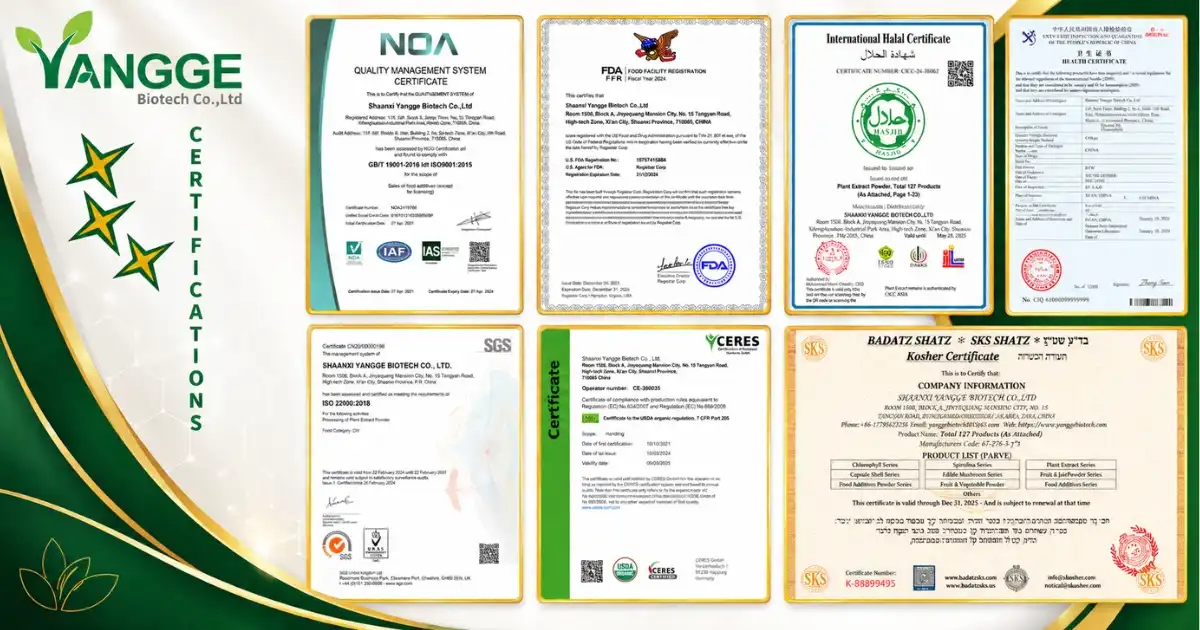
We make high-quality Astaxanthin powder that comes only from Haematococcus pluvialis. It comes in a range of specifications to meet the needs of different formulations. Our KOSHER/USP grade goods come as dark red fine powder with amounts from 1% to 10% purity (HPLC confirmed). They can be directly added to capsules, tablets, softgels, and functional food matrices. One ton of 10% standard material is in stock and ready to ship right away, so there are no worries about lead times for product starts that need to happen quickly. Our building has ISO, HACCP, Kosher, and Halal standards, which give us access to global markets and full quality control.
The comprehensive certification matrix below demonstrates our commitment to quality standards recognized across major markets:
| Certification Type | Standard/Authority | Scope Coverage | Renewal Cycle |
|---|---|---|---|
| Quality Management | ISO 9001:2015 | Full manufacturing operations | Annual surveillance |
| Food Safety | HACCP | Raw material to finished goods | Continuous monitoring |
| Religious Standards | Kosher (Orthodox Union) | All astaxanthin products | Annual inspection |
| Religious Standards | Halal (Recognized Body) | All astaxanthin products | Annual certification |
| Organic | Multiple authorities | Select product lines | Seasonal verification |
Our focused research and development team works with clients to create unique mixtures of Astaxanthin with ingredients that work well together, such as vitamin C, vitamin E, and CoQ10. This is done to get the best antioxidant effects for specific health benefits.
We work with OEM projects on a variety of formats, such as superfood powder blends, capsules, tablets, and gummies, and can help with everything from the idea stage to mass production. There are full regulatory dossiers in technical documentation packages that support NDI notifications, novel food applications, and cosmetic ingredient registrations in North America, Europe, and the Asia-Pacific region.
Navigating Challenges and Ensuring Safe Astaxanthin Use in Products
Regulatory environments and technology issues have a big effect on the success of developing and selling Astaxanthin products. By understanding these dimensions, brands can avoid delays that cost a lot of money and keep customers' trust by making products that are compliant and work well.
Regulatory Compliance Across Key Markets
Astaxanthin is generally thought to be safe for use in food supplements in the United States, and the Food and Drug Administration (FDA) keeps an eye on how it is made and makes sure the labels are correct. Novel Food rules in Europe say that goods that are more than what people have eaten in the past need to be approved before they can be sold. However, Haematococcus pluvialis substances have been used in the past.
In accordance with their respective health claim frameworks, the Japanese and Korean markets welcome Astaxanthin in functional foods. To navigate successfully, you need to know the specific paperwork needs, allowed health claims, and maximum dosage rules for each state. Compliance risk is greatly reduced by hiring regulatory consultants or working with suppliers who offer regulatory support.
Formulation Stability and Storage Requirements
Due to its sensitivity to light, heat, and air, Astaxanthin needs to be handled with extreme caution during production and transport. Manufacturers should use nitrogen cleaning during packing, containers that are amber or opaque, and oxygen filters in bulk shipping. It is suggested that the items be stored in cool (25°C), dry places that are out of direct sunlight.
According to ICH Q1A guidelines, stability testing methods should check how much Astaxanthin stays in the product over its planned shelf life while it is stored quickly (40°C/75% RH). When goods are made and stored correctly, they keep more than 90% of their original potency for 24 months, which meets customer standards for product quality.
Addressing Consumer Safety Concerns
The safety profiles of Astaxanthin from clinical studies show that doses up to 40 mg per day for long periods of time are well tolerated. Reports of side effects are still very rare and mild, usually just short-term stomach pain or changes in skin color at very high amounts. People who are allergic to shellfish should not use products that contain crustacean-derived material.
However, this is not a problem with Astaxanthin that comes from algae. Women who are pregnant or nursing should talk to their doctors before taking supplements. This isn't because of specific safety concerns, but because there isn't a lot of clinical data on these groups. Clear labels and the right kind of disclaimers protect companies and give customers the information they need to make smart choices.
Conclusion
Astaxanthin is a versatile ingredient that has been shown to have health benefits. It is an important ingredient for brands that want to lead in the anti-aging beauty and preventive nutrition markets. Natural Astaxanthin from Haematococcus pluvialis is a better antioxidant because of its special chemical structure and biological activity profile. This makes it worth being at the top of its class in competition categories. For product development to go well, it's important to pay close attention to the authenticity of the sources used, the stability of the formulation, and regulatory compliance across all target markets.
Brands that work with certified suppliers that offer full technical support, clear quality documentation, and the ability to make customized formulations have a huge advantage when it comes to getting new products to market quickly. Astaxanthin is both an immediate opportunity and a strategic foundation for long-term product portfolios that meet changing wellness expectations. This is because consumer demand for clean-label, science-backed ingredients is growing.
FAQ
Is astaxanthin safe during pregnancy and breastfeeding?
Astaxanthin is very safe for most people, but there isn't a lot of clinical research especially looking at supplementation during pregnancy and breastfeeding. Women who are pregnant or nursing should talk to a trained medical professional before starting any new supplement routine, including Astaxanthin. Reproduction studies on animals don't show any bad effects, but human clinical trials usually don't include these groups. While more study is being done, conservative brands may put pregnancy warnings on their labels to protect themselves from liability.
How does astaxanthin compare to fish oil for skin health?
Astaxanthin and fish oil are both good for your face, but they do different things that work together. Omega-3 fatty acids (EPA/DHA) found in fish oil help keep cell membranes fluid and lower inflammation. This improves skin health through lipid metabolism pathways. Astaxanthin generally performs the role of a straight antioxidant, fighting off free radicals that damage collagen and speed up the aging process. Many high-end formulas use both ingredients together to use their synergistic effects to improve skin health in more than one way at the same time.
What dosage should be recommended for nutritional supplement products?
Doses between 4 and 12 mg per day are usually used in clinical studies to show health benefits. 6 mg is a popular middle-ground amount that works well for general antioxidant support. 4-6 mg per day is usually enough for anti-aging skin care products, but 12 mg or more may be needed for sports recovery products. Different places have different rules about what is allowed, so dosage suggestions need to be in line with the highest levels allowed in that area and backed up health claims to make sure they are followed.
Partner With Yangge for Premium Natural Astaxanthin Solutions
Nutrition and beauty brands in North America, Europe, and the Asia-Pacific region trust Yangge Biotech to provide pharmaceutical-grade Astaxanthin powder that comes from Haematococcus pluvialis plants that are grown in a way that doesn't harm the environment. Our KOSHER/USP-certified plant keeps a 1-ton stock of 10% pure Astaxanthin powder that can be shipped right away to help you speed up the development of your product. We offer full OEM/ODM services for superfood powder blends, capsules, tablets, and gummies.
Our ISO, HACCP, Kosher, and Halal certifications make sure that we follow all global rules. Email our expert team at info@yanggebiotech.com to ask for samples, get full COA paperwork, and talk about unique formulation solutions that fit the needs of your brand. As a well-known Astaxanthin producer dedicated to ethical sources and high quality standards, we offer the trustworthy supply chain agreements that ensure the long-term success of our products.
References
1. Ambati, R.R., Phang, S.M., Ravi, S., & Aswathanarayana, R.G. (2014). Astaxanthin: Sources, extraction, stability, biological activities and its commercial applications. Marine Drugs, 12(1), 128-152.
2. Tominaga, K., Hongo, N., Karato, M., & Yamashita, E. (2012). Cosmetic benefits of astaxanthin on human subjects. Acta Biochimica Polonica, 59(1), 43-47.
3. Fassett, R.G., & Coombes, J.S. (2011). Astaxanthin: A potential therapeutic agent in cardiovascular disease. Marine Drugs, 9(3), 447-465.
4. Guerin, M., Huntley, M.E., & Olaizola, M. (2003). Haematococcus astaxanthin: Applications for human health and nutrition. Trends in Biotechnology, 21(5), 210-216.
5. Kidd, P. (2011). Astaxanthin, cell membrane nutrient with diverse clinical benefits and anti-aging potential. Alternative Medicine Review, 16(4), 355-364.
6. Yuan, J.P., Peng, J., Yin, K., & Wang, J.H. (2011). Potential health-promoting effects of astaxanthin: A high-value carotenoid mostly from microalgae. Molecular Nutrition & Food Research, 55(1), 150-165.

Based on your location and order quantity, you will have the opportunity to receive a limited time free shipping promotion!
Who we are
Popular Blogs