Where to Buy Blue Spirulina E18: Import and Quality Guide for Buyers
If you are asking where to buy blue spirulina E18, start with a manufacturer that publishes a clear specification, supplies batch-specific documents, and keeps stock on hand. Check that the E18 grade is backed by a color-value test and that the Kosher/USP-grade status, MOQ, and packaging fit your launch plan. Yangge Biotech lists blue spirulina E18 as its common specification, alongside E10 and E25, with 1 ton in stock and a 25 KG MOQ. This guide explains what the grade means, how quality is checked, and how to import it into the United States.
What Is Blue Spirulina E18 and How Does It Compare With Other Grades?
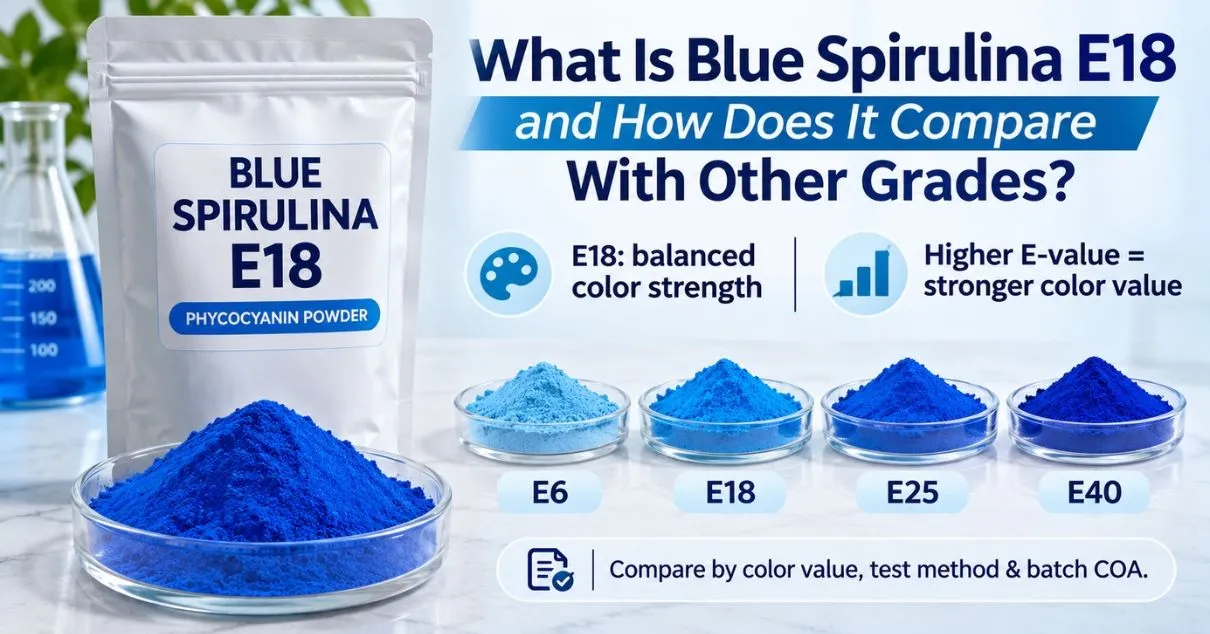
What E18 Means
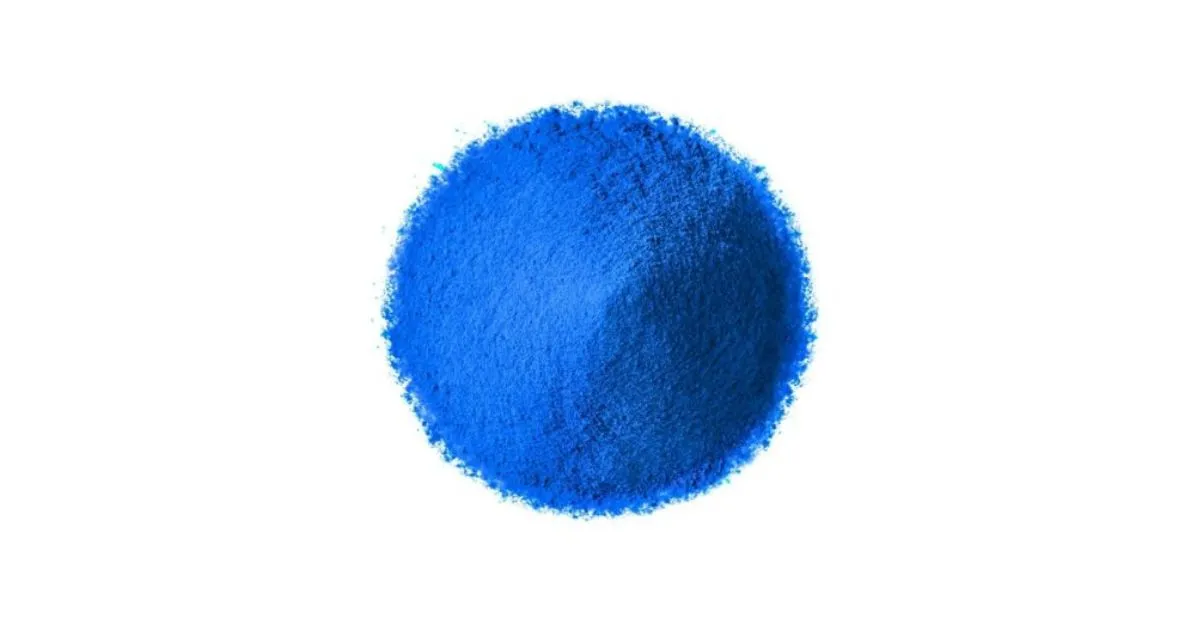
Blue spirulina E18 is a special protein extract from Arthrospira platensis that is blue and has a lot of phycocyanin. The label says "E18," which tells you how much blue color one gram of powder gives you. People often say that it has an E1% reading of about 180 at 618 nm. In this range of wavelengths, phycocyanin soaks up the most light. Buyers should always ask for both the number and the method, since different sellers test in different ways. This is what Yangge Biotech calls its standard specification: E18. 25% of it is phycocyanin, and 60% to 70% of it is protein nutrients.
E10, E18, and E25 at a Glance
We tell you everything you need to know about our pure blue spirulina powder in the table below.
| Specification | Yangge listing |
|---|---|
| Product | Pure blue spirulina powder (phycocyanin) |
| Color value | E18 (common), E10, E25 |
| Phycocyanin | 25% (E18) |
| Protein nutrient content | 60%–70% |
| Appearance | Fine blue powder / phycocyanin tablet |
| Solubility | 100% in water; insoluble in ethanol and fat |
| Grade | Kosher/USP |
| MOQ | 25 KG |
| OEM bags | 60 g, 100 g, 8 oz |
| Stock | 1 ton |
More color value means you can get to a certain shade with less powder. The best grade will still depend on the dose, the price goal, and the finished product.
Blue Spirulina vs. Green Spirulina Powder
Green spirulina powder is made from the dried material as a whole. Add this to food to make it green. It tastes like algae and has many types of proteins. The part of phycocyanin that breaks down in water is blue spirulina. This is why it can be used to make drinks, sweets, and frozen treats blue. There are two types of color that can be used in food, according to Eriksen and the FDA. The FDA says that spirulina extract is a color ingredient that doesn't need to be approved for certain uses. A lot of brands use it instead of FD&C Blue No. 1 to prove that their products are plant-based or have clean labels.
How Blue Spirulina E18 Is Made and Quality-Controlled
From Cultivation to Powder
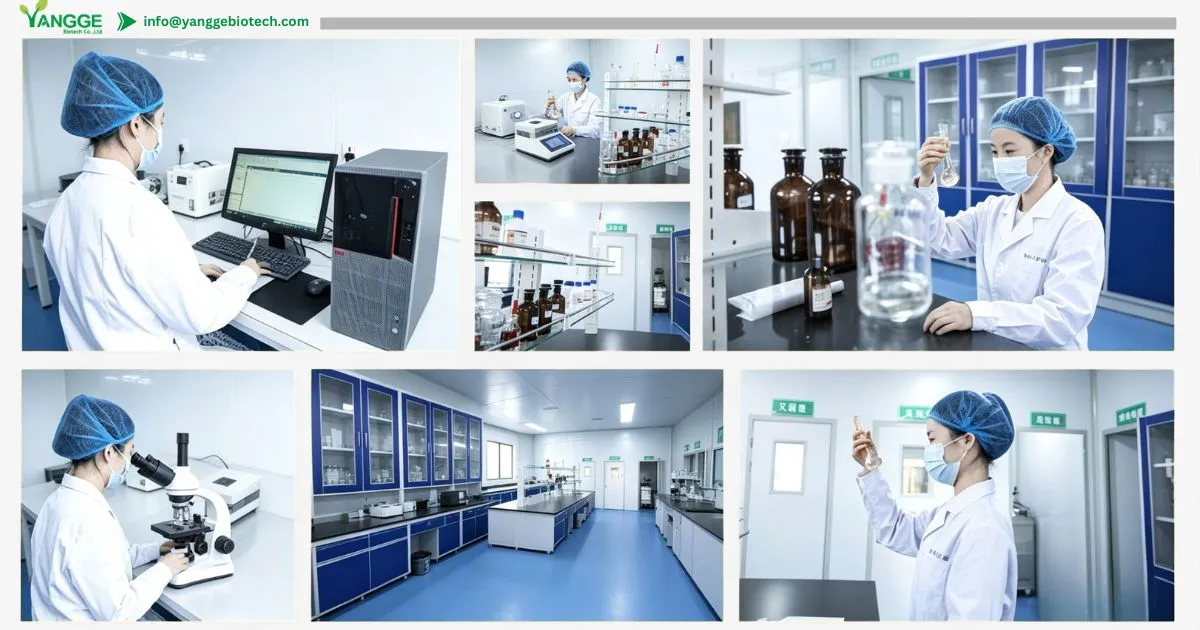
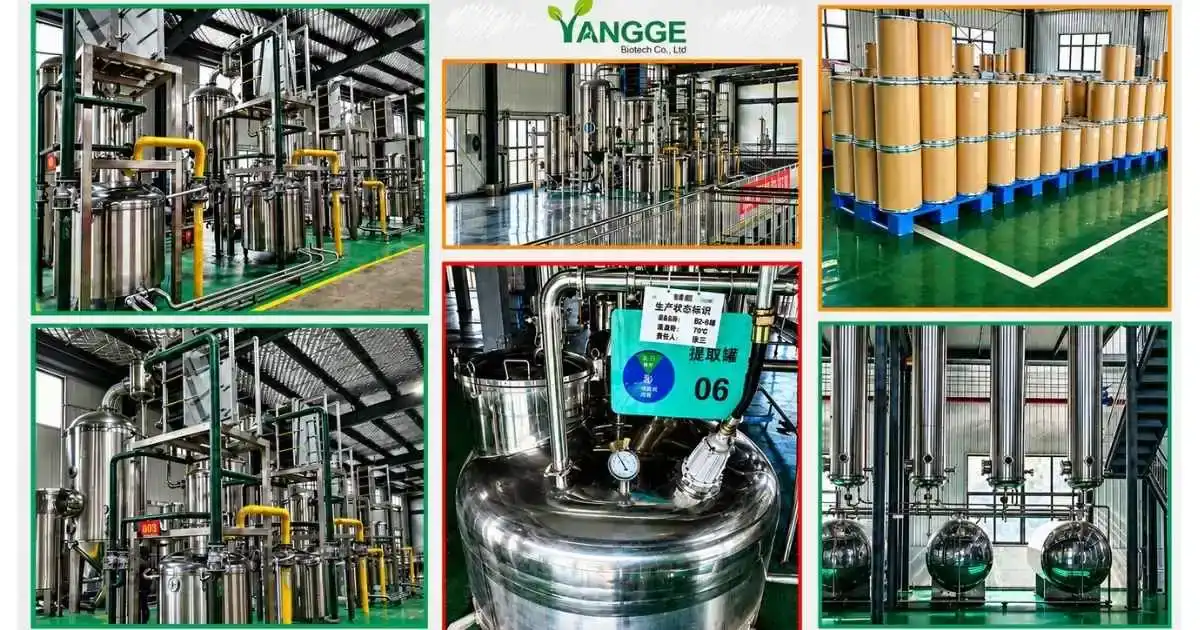
Quality starts at the farm. The kind of water used, the time of harvest, and the controls for contamination all have an effect on the color intensity, smell, and consistency of the batch. The biomass is washed, the cells are broken up, and phycocyanin is taken out of the water after it has been picked. After the extract is filtered, it is concentrated, dried at a low temperature, sieved, and then put in a protective package. Handling blue spirulina E18 gently at all times is important because it can be hurt by heat, light, air, and an incorrect pH level. GMP standards are used to make the products that Yangge Biotech makes. There are also ISO, HACCP, Kosher, and Halal certifications for them. They work with farmers to make sure that the food can be tracked from the farm to the table.
Quality Checks Buyers Should Request
Ask for the most up-to-date specs and a COA that is unique to the batch. You should read over the allergen and GMO statements, the amount of phycocyanin, the moisture, the microbiological results, and the heavy metal results. You should also look at the color value and how it was tested. The batch number you get should match the batch number on the COA. When a product doesn't have any scientific proof, it's just a sticker that says "E18." Also, be sure you know what grade you need because color-grade and nutrition-grade materials can get mixed up, and you can't always use them together.
Why Batch Consistency Matters
If the blue changes from one batch to the next, you might need to print new boxes or change the recipes. Put a range of acceptable color values in your purchase order and compare each shipment to a sample you keep. This will lower the risk. With the same quantity, pH, and equipment, the test should be done on every batch. So that drift can be seen early, records should be kept. You can ask Yangge about lot distribution if you need a lot of the same color for your launch. They have one ton in stock.
Blue Spirulina E18 Quality Comparison and Applications
E18 vs. E25: Compare Cost per Unit of Color
The price per kilogram might not tell you the whole story. Divide the price by the color's value and the amount you use to get the cost per unit. E25 costs more per kilogram, but you might not need as much of it as blue spirulina E18 to get the same color. If your dose lets it, lighter colors can look good with E10. First, make a small test grid with the color you want. Next, find out how much it costs per batch or 100 servings. See how the extra powder changes the label, the taste, and the texture.
Where Blue Spirulina E18 Works Best
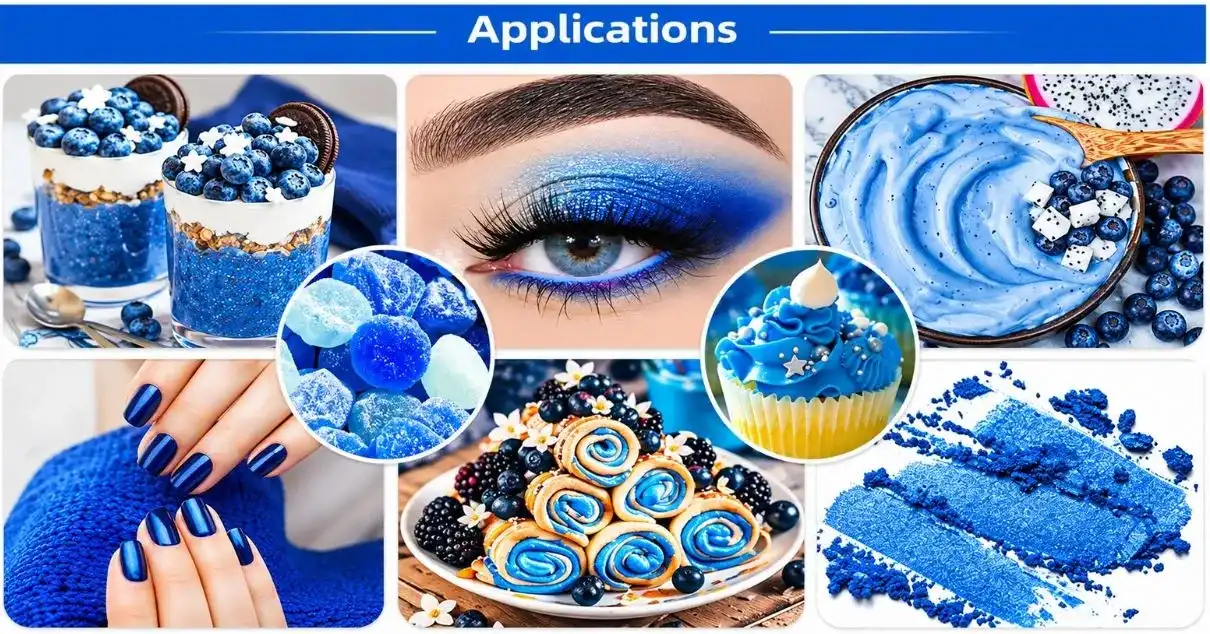
There is information on useful foods, drinks, sweets, dairy, bakery, sports nutrition, and makeup in our product information. The table below shows what I would test first in each category.
| Application | First test to run |
|---|---|
| Smoothies and instant drink mixes | Dispersion, clumping, and color after mixing in water |
| Gummies and candies | Color after cooking temperature and gel pH |
| Ice cream and yogurt | Color after pasteurization, product pH, and storage under light |
| Protein powders and nutrition bars | Color uniformity in the dry blend and on the shelf |
| Capsules and tablets | Dosage, flow, and blend uniformity |
| Cosmetics | Grade, documentation, and formula compatibility |
Stability: Heat, Light, and pH
Phycocyanin is a protein, and heat can hurt it. This can make the blue color less visible. There was a study in 2005 by Jespersen and others that looked at how stable natural blue colorants were to light and heat. There was a study in 2014 by Martelli and others that added sugars and other things to spirulina phycocyanin to make it more solid when heated. A lot of technical sheets say to be careful above 45 °C and to pick pH levels that are neutral to slightly acidic. In real life, add the powder near the end of the process, use clear containers, and check the pH. To keep some sweets and drinks acidic, you may need to do more.
How to Choose a Blue Spirulina E18 Supplier and Import It Into the United States
Verifying the Supplier
Check to see if the business you're dealing with makes things, processes things, or trades things. Check that the certificates have up-to-date dates and that they list the production site. There are certifications for Yangge Biotech from ISO, HACCP, Kosher, and Halal. When they make their blue spirulina E18, they follow GMP rules. You can also talk to their R&D and production teams online at any time of the day or night with technology questions. Ask for a sample to check the color, how well it dissolves, how it smells, and how well the pilot works before you place a bulk order. You can probably trust a supplier if they let you test their goods.
Landed Cost, MOQ, and Packaging
Don't just look at the item's price; look at how much it cost to ship all the way to your country. To the list of costs that need to be added are freight, insurance, duties, clearance, testing, and delays. We have 1 ton in stock, and the least you can buy is 25 kg. You can get superfood mix powders, capsules, tablets, and gummies from us. We also have OEM bags that are 60 g, 100 g, and 8 oz. You can use DHL, FedEx, EMS, sea, or air to ship. When you need something quickly or in small amounts, plane freight is best. For bigger loads, sea freight is generally cheaper.
Import Documents and Common Risks
The FDA's FSMA rules say that companies that want to bring food into the U.S. must notify the FDA ahead of time before the packages arrive, and most of these companies also need a Foreign Supplier Verification Program. Put together the packing list, bill of lading, certificate of origin, COA, and ingredient statement. You should also talk to a licensed customs broker to make sure your item meets the rules. A low price could hide a weak solubility or short shelf life, test methods that aren't clear, and samples that aren't the same as the bulk. These are the biggest risks of buying E18. When there are written specs and samples before shipping, these risks are lower.
Solubility, Shelf Life, Testing, and Matching a Supplier to Your Needs
Solubility and Dispersion Testing
Our blue spirulina E18 can only be broken down with water. It doesn't mix with fat or alcohol. That works for syrups, drinks, and thick, sticky slurries, but not for oil-based units. Try it out the way you plan to use it. Mix the powder in different amounts and then check to see if it settles, clumps, or changes color the same way at every temperature and pH level. Minerals, preservatives, and plant-based ingredients can change the color, so tests that only use water can't show you what the final product will look like. Finish by making a test run of the real thing.
Storage and Shelf Life
Store the powder in sealed, dry, cool, and dark containers that won't let water in. Color fades in water, air, heat, and light. Quickly close up bags that have been opened. Small OEM bags let you open only what you need, which is useful for tasting and small runs. Don't guess about the shelf life; instead, check the supplier's details and stable data. Also, make sure you write down the date each lot was made.
Which Supplier Fits Your Business
Different buyers weigh different factors, so the right supplier changes with your business model.
| Buyer type | Main priorities | What to ask |
|---|---|---|
| Food and beverage manufacturers | Color performance, solubility, repeat bulk supply | Color-value range, lot consistency, pilot support |
| Supplement and private-label brands | OEM bags, traceability, small trial orders | Bag sizes, MOQ, label support |
| Distributors and importers | Landed cost, export experience, stock | Stock level, shipping mode, documents |
| Cosmetic companies | Compliance and safety documents | Grade, documentation, formula compatibility |
There are times when the most dependable service company costs the most. It's the one whose technical, financial, and legal offer fits your project the best.
Conclusion
When you buy blue spirulina E18, it's more important to check the grade than to believe what the label says. Buyers should look at the test method, phycocyanin content, and batch COA to describe how much the color is worth. They should compare E10, E18, and E25 based on how much each color costs, not how much each weighs. Finish-product trial tests are more important than water-only tests because phycocyanin fades in heat, light, and pH levels that aren't right. Also, air, light, and moisture must be kept out of storage. To make a good purchase, you should also look at the total landed cost, the MOQ, packaging options, and U.S. import rules such as FDA Prior Notice and supplier verification.
FAQ
What does E18 mean in blue spirulina?
The grade of color is E1%, which means blue spirulina E18 is close to 180 at 618 nm. The way the tests are done varies from supplier to supplier, so ask for the method and a batch COA.
How is E18 different from E25?
You might not need as much E25 to get the same shade because it has a higher color value. Along with our basic E18, we list E10 and E25.
What are the MOQ and packaging options?
We have 1 ton in stock, and the smallest amount you can order is 25 kg. OEM bags come in 60 g, 100 g, and 8 oz sizes.
Is blue spirulina the same as green spirulina powder?
That's not right. Blue spirulina is the phycocyanin ingredient that mixes with water and is mostly used to add color. Because it is made of the whole biomass, green powder tastes stronger and looks green.
Request a Blue Spirulina E18 Sample or Bulk Quote
Yangge Biotech is a blue spirulina E18 supplier with Kosher/USP-grade stock, E10 and E25 options, a 25 KG MOQ, and OEM bags. Send an email to info@yanggebiotech.com with the grade, use, amount, destination, and packaging needs. Someone from our team will get back to you with a sample and a price. You can find more buyer guides at blog.yanggebiotech.com.
References
1. Eriksen, N.T. "Production of phycocyanin—a pigment with applications in biology, biotechnology, foods and medicine." Applied Microbiology and Biotechnology, 2008.
2. Jespersen, L., Strømdahl, L.D., Olsen, K., Skibsted, L.H. "Heat and light stability of three natural blue colorants for use in confectionery and beverages." European Food Research and Technology, 2005.
3. Martelli, G., Folli, C., Visai, L., Daglia, M., Ferrari, D. "Thermal stability improvement of blue colorant C-Phycocyanin from Spirulina platensis for food industry applications." Process Biochemistry, 2014.
4. U.S. Food and Drug Administration. "Code of Federal Regulations, Title 21, Section 73.530: Spirulina extract." 2024.
5. U.S. Food and Drug Administration. "Foreign Supplier Verification Programs for Importers of Food for Humans and Animals, Final Rule." Federal Register, 2015.
6. U.S. Food and Drug Administration. "Prior Notice of Imported Food Under the Public Health Security and Bioterrorism Preparedness and Response Act of 2002, Final Rule." Federal Register, 2008.

Based on your location and order quantity, you will have the opportunity to receive a limited time free shipping promotion!
Who we are
Popular Blogs