Where can I buy red cabbage powder E163
Yangge Biotech supplies high-quality Red Cabbage Powder E163 manufactured from carefully selected fresh red cabbage using advanced extraction and spray-drying technology. Rich in natural anthocyanins, our Red Cabbage Powder E163 provides vibrant purple, red, and blue shades depending on pH, making it an excellent natural food colorant for various applications. Produced under strict quality control, every batch ensures high purity, excellent color stability, and compliance with international food safety standards for customers worldwide.
What is Red Cabbage Powder (E163)?
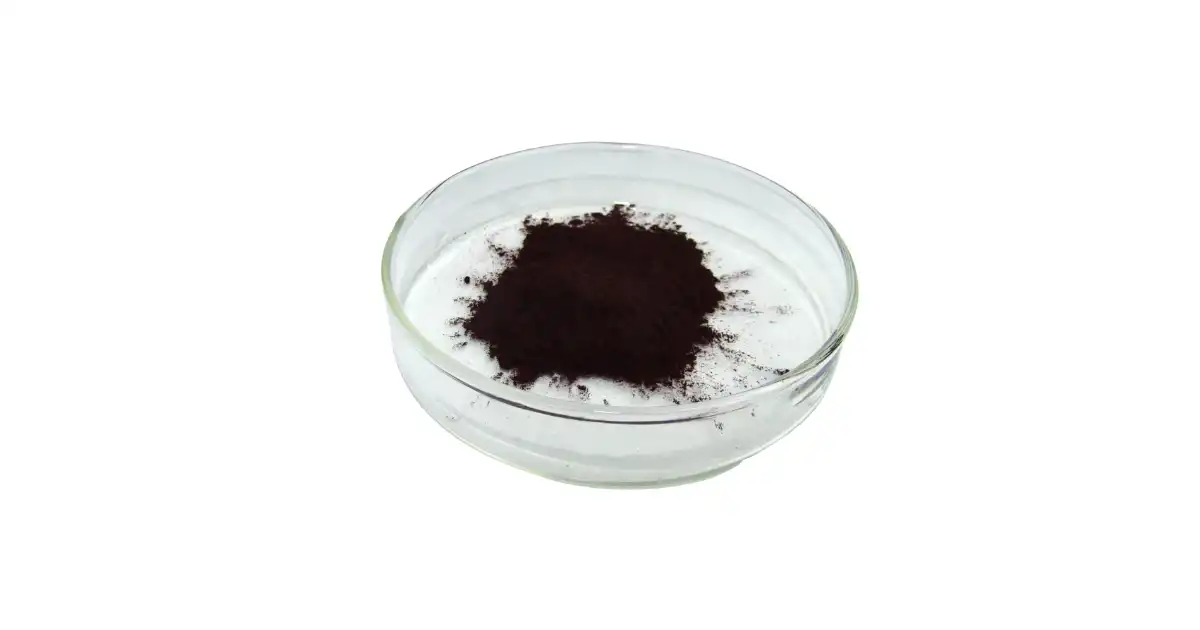
Red Cabbage Powder (E163) is a natural food coloring ingredient made from carefully selected red cabbage through drying and fine milling processes. It is naturally rich in anthocyanins, the plant pigments responsible for its vibrant purple, red, and blue hues. Classified as E163 (Anthocyanins), red cabbage powder is widely used in the food, beverage, dietary supplement, and cosmetic industries as a clean-label alternative to synthetic colorants.
Besides its coloring properties, red cabbage powder also contains natural antioxidants, making it an attractive ingredient for manufacturers looking to develop healthier and naturally colored products.
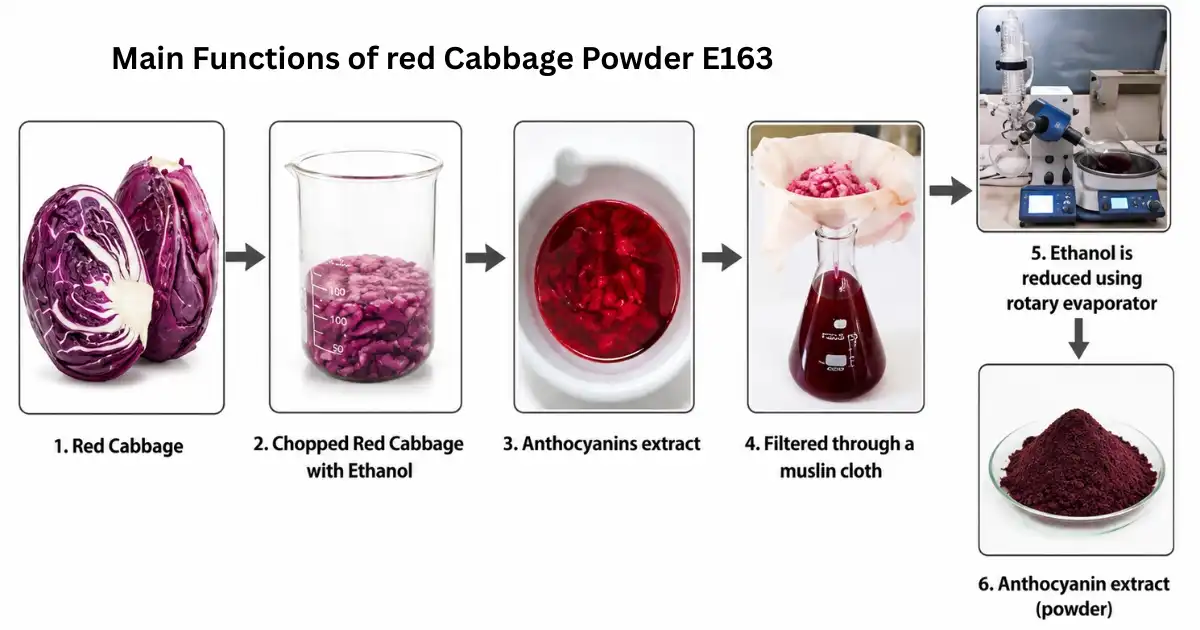
Main Functions
1. Natural Food Coloring
Provides attractive shades ranging from pink and red to purple and blue, depending on the product's pH level.
2. Rich in Anthocyanins
Contains naturally occurring anthocyanins that contribute antioxidant properties.
3. Clean-Label Ingredient
Supports products marketed as natural, plant-based, and free from artificial additives.
4. Nutritional Enhancement
Offers naturally occurring phytonutrients while adding visual appeal.
5. Versatile Food Ingredient
Suitable for a wide variety of food and beverage formulations.
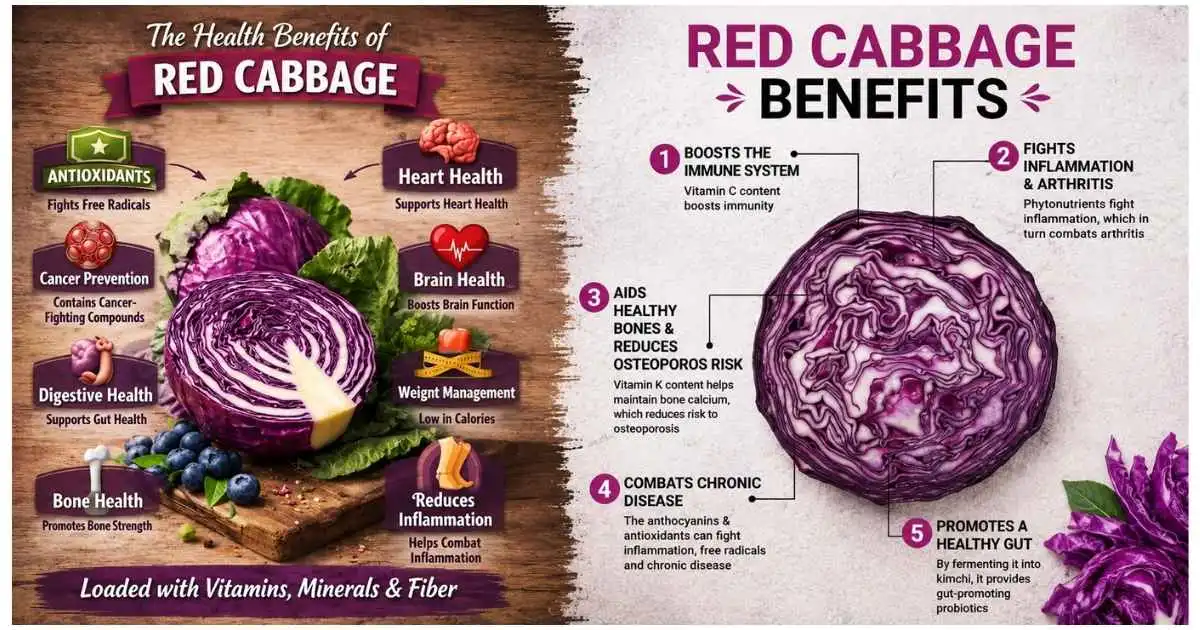
Benefits of Red Cabbage Powder (E163)
Excellent Natural Color Source
Produces vibrant and attractive colors without synthetic dyes.
Rich in Antioxidants
Anthocyanins help protect cells from oxidative stress caused by free radicals.
Consumer-Friendly
Ideal for manufacturers responding to increasing demand for natural ingredients.
Vegan and Plant-Based
Suitable for vegetarian, vegan, halal, and clean-label product development.
Easy to Use
Fine powder blends well into dry mixes and liquid formulations.
Stable Under Proper Storage
Maintains good color stability when stored in cool, dry conditions away from direct sunlight.
Applications
Red Cabbage Powder (E163) is commonly used in:
Confectionery and candies
Gummies
Bakery products
Cakes and pastries
Ice cream and frozen desserts
Yogurt
Dairy products
Fruit beverages
Smoothies
Bubble tea
Instant drink powders
Jams and fruit fillings
Dietary supplements
Functional foods
Nutritional powders
Natural cosmetics
Pet food applications
OEM & Private Label Services
Yangge Biotech provide comprehensive OEM and Private Label Manufacturing services for businesses worldwide.
Our services include:
Custom formulation
Private label packaging
Bulk ingredient supply
Flexible packaging options
Customized particle size
Product development support
Label design assistance
Global export services
Strict quality control
Fast production and delivery
Whether you are launching a new food brand or expanding your product portfolio, our OEM solutions help bring your products to market efficiently.
Product Specifications
|
Item |
Description |
|
Product Name |
Red Cabbage Powder |
|
Food Additive Code |
E163 (Anthocyanins) |
|
Appearance |
Fine purple to reddish-purple powder |
|
Source |
Fresh red cabbage |
|
Active Compound |
Natural Anthocyanins |
|
Odor |
Characteristic vegetable aroma |
|
Taste |
Mild characteristic flavor |
|
Solubility |
Partially water soluble |
|
Moisture |
≤10% |
|
Shelf Life |
24 months |
|
Storage |
Store in a cool, dry place away from direct sunlight |
|
Packaging |
1 kg, 5 kg, 10 kg, 25 kg or customized |
Specification Description
Appearance: Fine, free-flowing purple powder with excellent dispersibility.
Source: Produced from premium-quality red cabbage using advanced drying technology to preserve natural pigments.
Anthocyanins: Naturally rich in anthocyanins that provide vibrant color and antioxidant benefits.
Color Characteristics: Displays different shades depending on pH, ranging from red in acidic conditions to purple and blue in neutral or alkaline environments.
Storage: Store in tightly sealed containers in a cool, dry environment to maintain color quality and product stability.
Certificate of Analysis (COA)
| Test Item | Specification | Result |
|---|---|---|
| Appearance | Purple Fine Powder | Complies |
| Color | Purple | Complies |
| Anthocyanins | Customized | Complies |
| Moisture | ≤8.0% | 4.8% |
| Ash | ≤5.0% | 2.6% |
| Heavy Metals | ≤10 ppm | Complies |
| Lead (Pb) | ≤2 ppm | Complies |
| Arsenic (As) | ≤1 ppm | Complies |
| Cadmium (Cd) | ≤1 ppm | Complies |
| Mercury (Hg) | ≤0.1 ppm | Complies |
| Total Plate Count | ≤10,000 CFU/g | Complies |
| Yeast & Mold | ≤100 CFU/g | Complies |
| E. coli | Negative | Complies |
| Salmonella | Negative | Complies |
Third-Party Test Report
Yangge Biotech provides a third-party test report for every batch of Red Cabbage Powder E163. Each production lot is independently tested by accredited laboratories to verify anthocyanin content, color quality, microbiological safety, heavy metals, and overall product purity. Our third-party testing program ensures customers receive safe, consistent, and high-quality natural food color ingredients that comply with international quality standards.
R&D Capacity
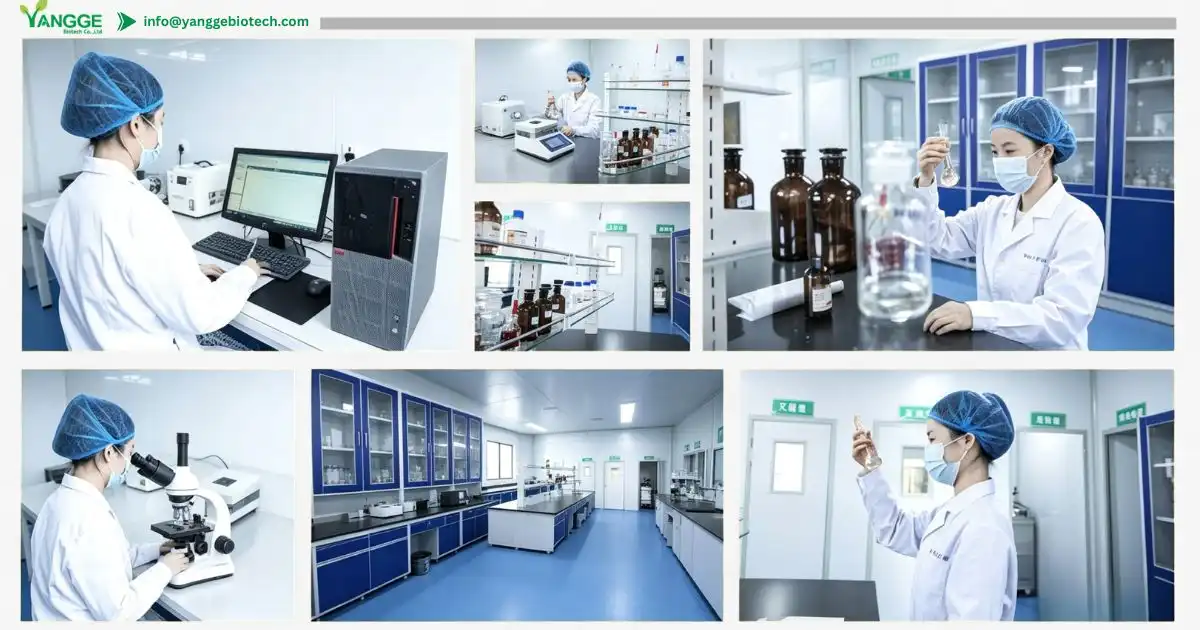
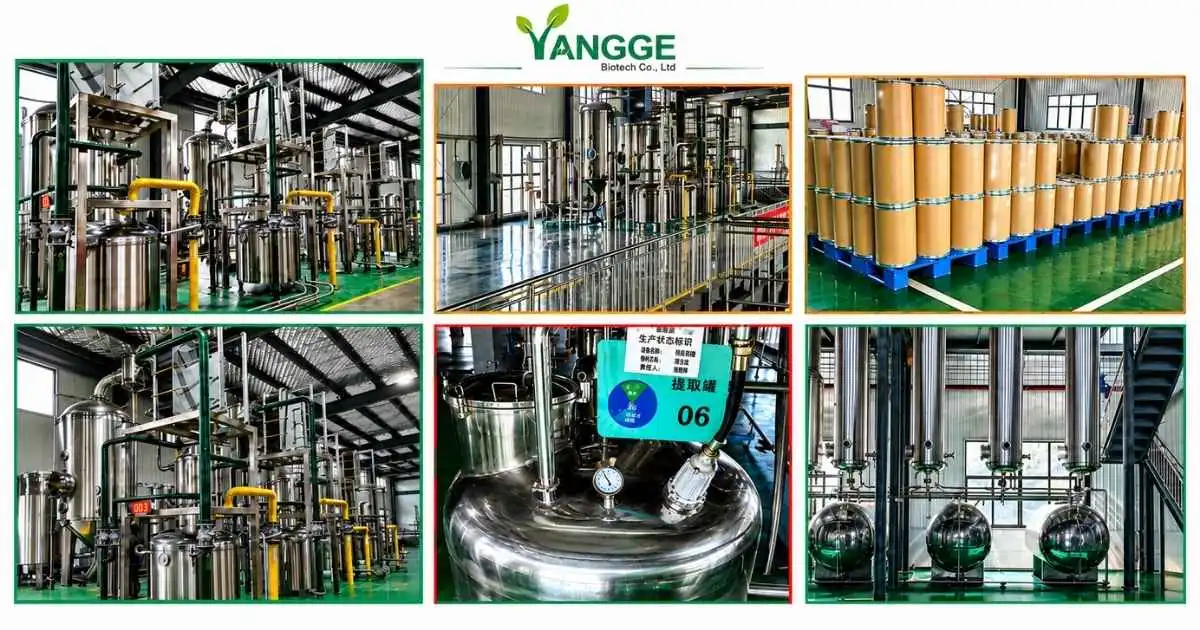
Yangge Biotech has a professional research and development team dedicated to improving natural color extraction technologies and product performance. Equipped with advanced analytical instruments and modern production facilities, our R&D department supports customized color solutions, formulation optimization, and technical assistance for food, beverage, and nutraceutical manufacturers. Continuous innovation allows us to deliver stable, high-quality natural color ingredients that meet diverse customer requirements.
Certificates
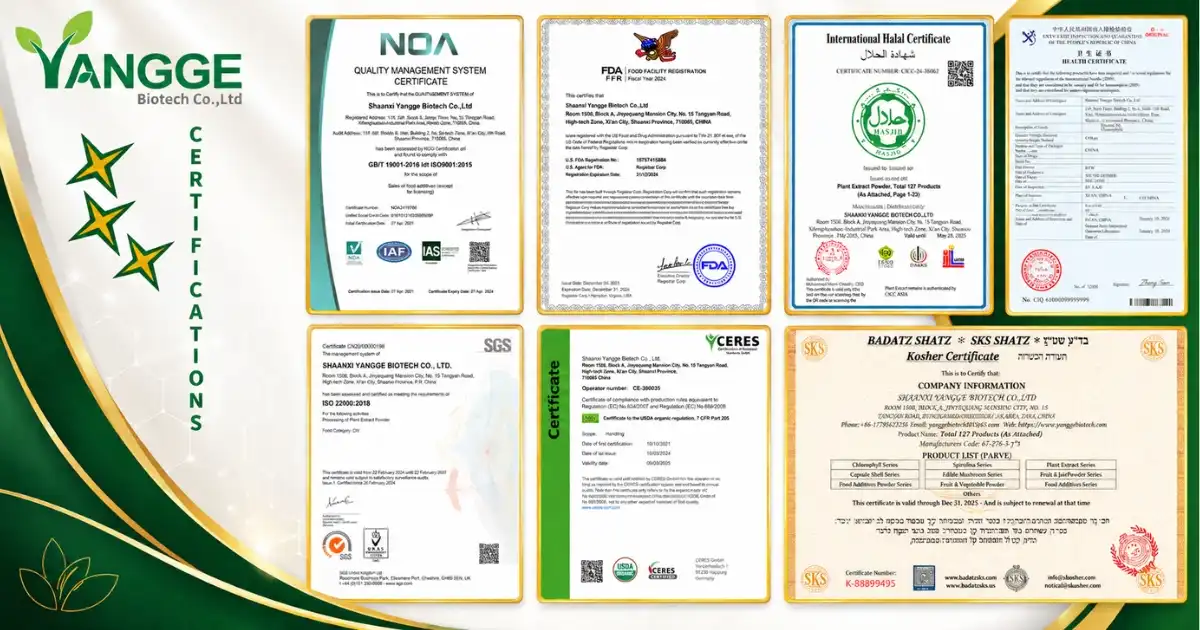
Yangge Biotech follows internationally recognized quality management systems to ensure product safety, consistency, and customer satisfaction. Our manufacturing facilities operate under strict production standards, and our products are supported by internationally accepted certifications to meet global market requirements.
Our certifications include:
ISO 9001
HACCP
GMP
Halal
Kosher
FDA Registration (where applicable)
OEM Packing
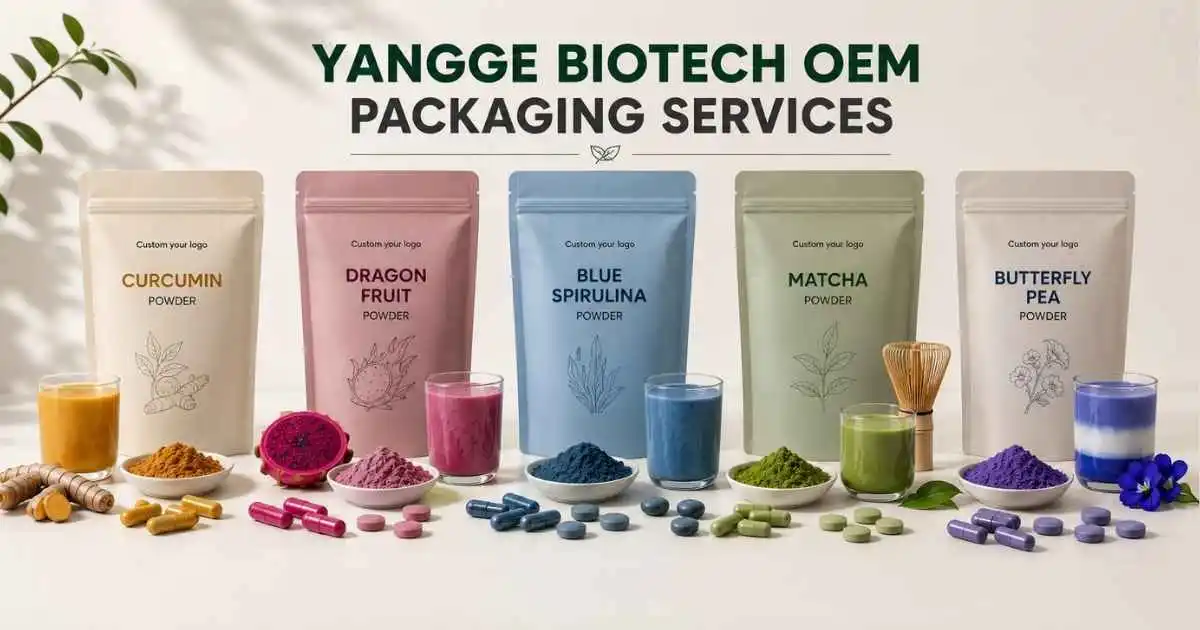
Yangge Biotech offers flexible OEM and private label packaging services to meet the needs of distributors, wholesalers, and brand owners worldwide. We provide customized packaging options, including aluminum foil bags, bottles, retail packaging, and industrial drums. Our professional packaging team ensures secure packing, accurate labeling, and export-ready packaging to protect product quality during transportation.
OEM services include:
Private Label Manufacturing
Custom Logo Printing
Retail Packaging
Bulk Packaging
Customized Label Design
Export Packaging
Custom Packing Sizes
Why Choose Us?
Customers choose Yangge Biotech because we are committed to supplying premium-quality natural food ingredients backed by dependable service and strict quality assurance. Every batch of Red Cabbage Powder E163 is produced under comprehensive quality control procedures and supplied with a Certificate of Analysis (COA) and an independent third-party test report to ensure product safety, purity, and consistency. Our experienced R&D team provides technical support and customized formulation solutions to help customers develop innovative food and beverage products.
With advanced manufacturing facilities, competitive factory-direct pricing, stable production capacity, flexible OEM and private label services, fast worldwide delivery, and responsive customer support, Yangge Biotech has become a trusted partner for food, beverage, nutraceutical, and natural ingredient companies around the world.
Conclusion
Red Cabbage Powder (E163) is an excellent natural coloring ingredient for manufacturers seeking clean-label, plant-based alternatives to artificial food dyes. Rich in anthocyanins and natural antioxidants, it provides vibrant colors, versatile applications, and added nutritional appeal across food, beverage, supplement, and cosmetic products. With reliable OEM and private label services, Red Cabbage Powder is an ideal solution for brands looking to develop high-quality, naturally colored products that meet today's consumer demand.
FAQ
Q: Can we get some samples to test before purchasing?
A: Of course, we can provide free samples of 20 to 100 grams, but the shipping cost is at the customer's expense. The shipping cost can be deducted from the next order, or the samples can be sent through your courier account.
Q: Do your products have relevant certifications?
A: Yes, our products are certified for HALAL, ISO, HACCP, Kosher, and other certifications.
Q: What is the minimum order quantity (MOQ)?
A: Small batches of samples can be customized according to your requirements.
Q: Do you offer OEM and ODM services? Can the formula be customized based on our own?
A: Of course, we provide ODM and OEM services to many customers. Our product range includes softgels, capsules, tablets, sachets, granules, and private label services. Simply contact us and let us know your requirements. Our experienced R&D team can also develop new products with specific formulas.
Please contact us to design your own branded products.
Q: How do you handle quality complaints?
A: First, we have a comprehensive quality control SOP. We provide authoritative third-party inspection reports for almost all products before shipment to minimize the possibility of quality issues. Second, we have a comprehensive return and exchange procedure. If there is a genuine quality dispute, we will strictly follow the SOP.
Q: How do you ship? How long does delivery take?
A: For small orders, we typically use DHL, UPS, EMS, FedEx, or TNT. Delivery typically takes 3-7 days. We also offer air and sea freight services. We have a strong freight forwarding team and can provide you with a one-stop service, including DDP and DDU.
Q: What are your payment terms?
A: 100% prepayment, payable by T/T, Western Union, MoneyGram, or PayPal.
Q: What is the shelf life of your products?
A: 2 years with proper storage.
Partner With a Trusted Red Cabbage Powder E163 Manufacturer
Yangge Biotech Co., Ltd. offers complete options for business-to-business buyers seeking high-quality natural food colourants backed by strict quality control and environmentally friendly sources. We offer ISO, HACCP, Kosher, and Halal certifications for our Red Cabbage Powder E163, which means it meets international standards. You can order as little as 1 kg to fit your production needs. In addition to providing high-quality ingredients, we also offer specialised R&D teamwork, custom formulation support, and OEM package services that are suited to the needs of your brand. Contact us or email our technical team at info@yanggebiotech.com to get free samples, talk about bulk prices, or look into private labelling options that will help your goods stand out in a crowded market.
References
1. McGhie, T.K., & Walton, M.C. (2007). The bioavailability and absorption of anthocyanins: towards a better understanding. Molecular Nutrition & Food Research, 51(6), 702-713.
2. Wrolstad, R.E., & Culver, C.A. (2012). Alternatives to those artificial FD&C food colorants. Annual Review of Food Science and Technology, 3, 59-77.
3. Rodriguez-Amaya, D.B. (2016). Natural food pigments and colorants. Current Opinion in Food Science, 7, 20-26.
4. Sigurdson, G.T., Tang, P., & Giusti, M.M. (2017). Natural colorants: food colorants from natural sources. Annual Review of Food Science and Technology, 8, 261-280.
5. Fernandes, A., Brás, N.F., Mateus, N., & de Freitas, V. (2014). Understanding the molecular mechanism of anthocyanin binding to pectin. Langmuir, 30(28), 8516-8527.
6. Carocho, M., Morales, P., & Ferreira, I.C. (2015). Natural food additives: quo vadis? Trends in Food Science & Technology, 45(2), 284-295.

Based on your location and order quantity, you will have the opportunity to receive a limited time free shipping promotion!
Who we are
Popular Blogs