What Is PDRN Powder Used For in Skincare and Aesthetic Treatments?
PDRN powder (Polydeoxyribonucleotide) is a bioactive ingredient extracted from salmon DNA, widely recognized for its capacity to accelerate tissue repair and skin regeneration. In both clinical aesthetic settings and advanced cosmeceutical formulations, it promotes collagen synthesis, stimulates cell proliferation, and reduces inflammatory responses.
From mesotherapy injectables to high-performance serums, this ingredient has become a go-to active for R&D teams building next-generation skin rejuvenation and wound-healing products. Its molecular compatibility with human tissue makes it a scientifically credible choice for formulators targeting measurable anti-aging outcomes. Contact us or you can email us at info@yanggebiotech.com or go to blog.yanggebiotech.com to ask for a sample or talk to our team about your needs for large purchases.
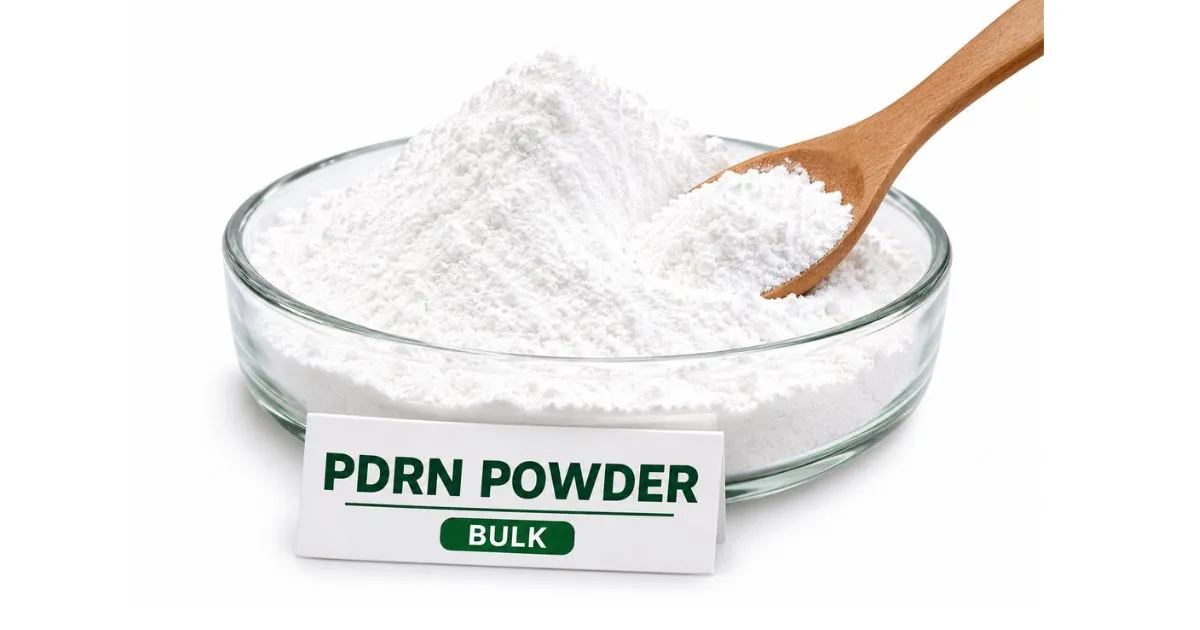
Understanding PDRN Powder and Its Role in Skincare
What Is Polydeoxyribonucleotide Exactly?
Polydeoxyribonucleotide is a mix of DNA pieces mostly from the milt (sperm cells) of the fish species Oncorhynchus keta. The molecular weight of these pieces is usually between 50 and 1,500 kDa. In living things, PDRN works as an A2A adenosine receptor agonist, starting repair pathways inside cells that help cells grow back and reduce inflammation. This action through receptors is what makes it different from many other skincare actives.
How It Differs from Peptides and Hyaluronic Acid
Fibroblasts are told by peptides to make collagen, and hyaluronic acid is what draws and holds water in the skin. PDRN, on the other hand, helps DNA repair and cell growth directly. It does more than just water and signal; it gives cells the molecular building blocks they need to heal. This difference is especially important for people who make products for people who have had surgery and need active ingredients that speed up real tissue healing instead of just moisturizing the skin.
Purity Grades and What They Mean for Formulators
When it comes to buying PDRN powder, purity is the most important way to measure quality. For injection uses, medical-grade PDRN needs to be more than 98% pure and have endotoxin amounts that are less than 0.5 EU/mL. Most cosmetic-grade items are at least 90% pure. Yangge Biotech's PDRN has a 99% assay that was confirmed by HPLC/UV. This puts it at the top of the list for cosmetic-grade ingredients and makes it a good choice for high-performance topical formulations.
The endotoxin limit is <0.5 EU/mL, but it's not always needed. Sterility testing is either optional or required. The molecular weight range is 50–1,500 kDa or 100–1,500 kDa.
| Parameter | Cosmetic Grade | Injectable/Medical Grade |
|---|---|---|
| Purity (Assay) | ≥90% | ≥98% |
| Endotoxin Limit | Not always required | <0.5 EU/mL |
| Sterility Testing | Optional | Mandatory |
| Molecular Weight Range | 50–1,500 kDa | 100–1,500 kDa |
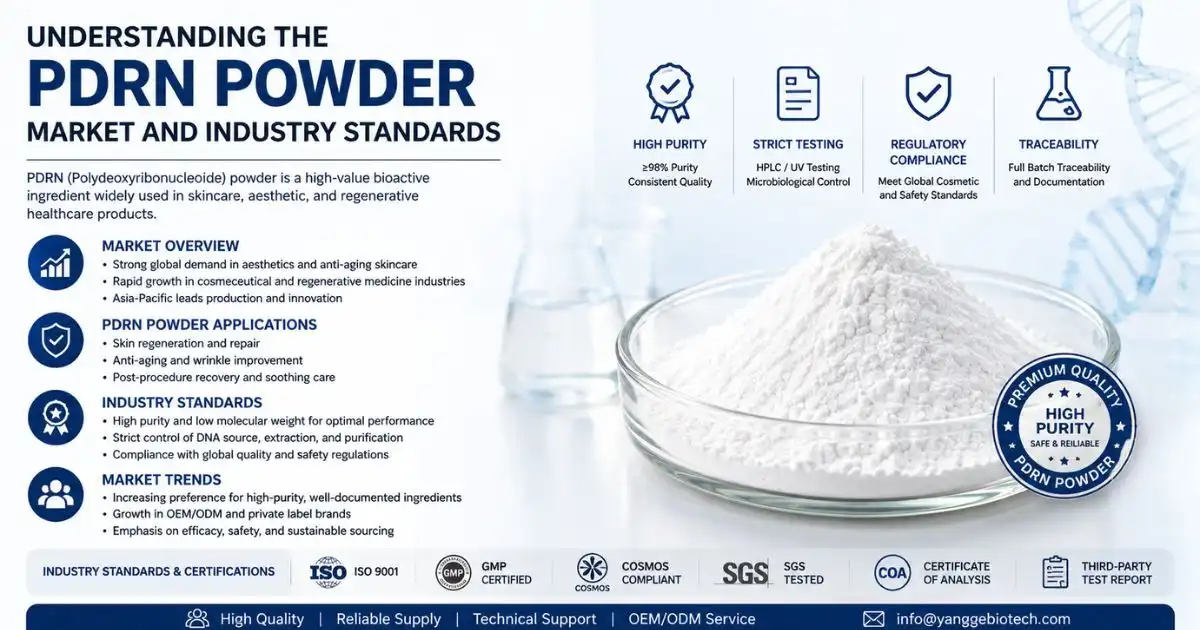
Key Benefits and Applications in Aesthetic Treatments
Anti-Aging and Skin Regeneration
Clinical studies in journals like the Journal of Cosmetic Dermatology show that PDRN makes skin much more elastic, reduces wrinkles around the eyes, and boosts dermal collagen density after repeated use or injection. Squadrito et al.'s 2014 study showed that PDRN-based mesotherapy regimens improved the skin's appearance and level of hydration over the course of 8 weeks of treatment.
Post-Procedure Recovery Formulations
Post-laser and post-microneedling recovery is one of the most promising uses for business. Vascular Endothelial Growth Factor (VEGF) production is changed by PDRN, which speeds up re-epithelialization and lowers redness. In order to do this, beauty clinics in South Korea and Italy have added salmon DNA extract to their recovery ampoules. When making products for this group, the concentrations they use are usually between 0.1% and 1.0% in serum or ampoule bases.
Here are the main types of applications that B2B formulators need to know about:
- Mesotherapy injectables: Reconstituted powder mixed with sterile saline or combined with hyaluronic acid for intradermal skin booster treatments targeting photoaging and elasticity loss.
- Topical serums and ampoules: Incorporated into freeze-dried powder ampoule kits, preservative-free formulations, or high-potency serums for barrier repair and post-procedure skin care.
- Wound care dressings: Formulated into medical-grade patches or gels for diabetic ulcer management and surgical wound recovery, where VEGF stimulation supports angiogenesis.
These ways of using PDRN powder show how useful it is in a wide range of cosmetic and drug products. This is why buying teams in Korea, Europe, and North America are eagerly looking for it.
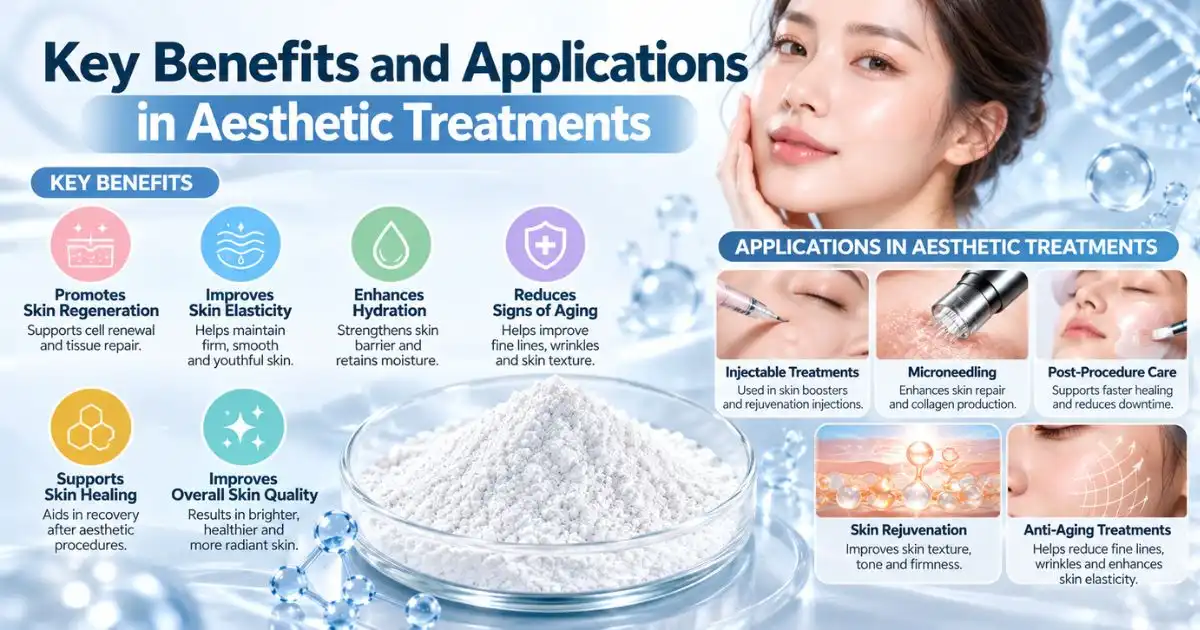
How to Choose and Procure High-Quality PDRN Powder
Certification and Documentation Standards
People who work in procurement should make sure that any seller offers the following: A Certificate of Analysis (CoA) with HPLC/UV test results, records of endotoxin tests, heavy metal screening, and proof that the product was made in accordance with cGMP or GMP standards. According to PDRN Procurement, Yangge Biotech has HACCP, ISO9001, ISO22000, and Kosher certifications. If needed, a third-party lab can retest the products.
| Certification | Relevance to PDRN Procurement |
|---|---|
| ISO9001 | Quality management systems |
| HACCP | Hazard control in biological extraction |
| ISO22000 | Food safety management (applicable to nutraceutical-grade) |
| Kosher | Ingredient sourcing transparency |
| cGMP/GMP | Mandatory for injectable-grade applications |
Evaluating Supplier Credibility
In addition to paper certifications, procurement teams should look at the supplier's source traceability (salmon species, geographic origin), batch-to-batch consistency data, and their ability to package products for other companies. Yangge Biotech offers OEM packaging with a 1 kg minimum order, keeps 10 kg in stock at all times, and gives out 1 g samples for testing and formulating. If you keep it in a jar with a tight lid and away from light, it will last for 24 months.
Navigating Pricing and MOQ Considerations
PDRN is one of the more expensive bioactives on the cosmetics market. Its price depends a lot on the quality of the salmon source, the extraction method, and the level of purity. Buyers should think about more than just the unit cost. They should also think about how well the source can keep the quality of large orders the same. It is common to do a sample evaluation first before committing to a full batch order, and Yangge fully supports this step.
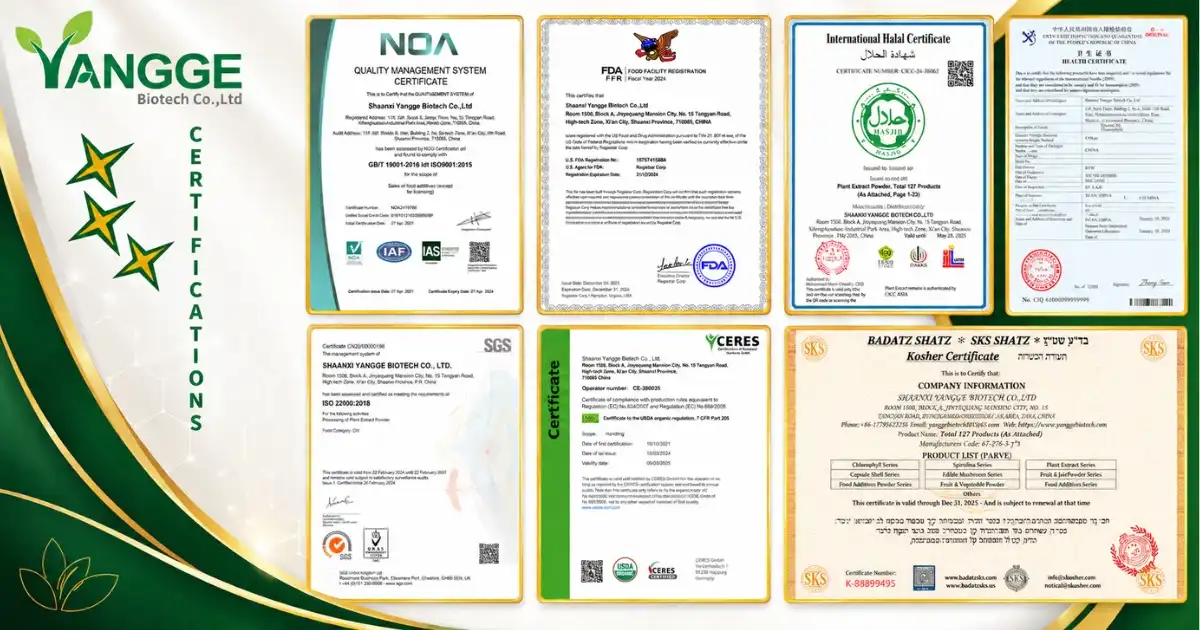
Best Practices for Using PDRN in Skincare Protocols
Recommended Concentrations by Application Type
Topical cosmeceuticals usually work best at concentrations between 0.05% and 1.0%, but this depends on the type of formulation and the skin type that needs to be treated. When used in therapeutic esthetics, injectable mesotherapy procedures often use higher amounts in a buffered saline carrier. Because PDRN is only slightly soluble in water and not at all soluble in ethanol, research and development teams need to test how well it works with stabilizers and pH adjusters. This is because of a formulation limitation that impacts vehicle choice.
Synergistic Actives That Work Well with PDRN
PDRN powder works well with a number of well-known cosmeceutical actives. It works with vitamin C (L-ascorbic acid) to help collagen cross-linking at a different molecular level. Niacinamide works with it to strengthen the barrier. Matrixyl 3000 and other peptides work on fibroblast signaling, while PDRN fixes DNA in cells. Formulators shouldn't mix it with strong oxidants or alcohol bases with a lot of concentration, because those can make the DNA fragment structure less stable.
Formulation Stability Considerations
Non-irradiated, non-GMO, and free of dangerous additives, Yangge Biotech's PDRN powder is a good choice. The solution should be used right away and kept at 2–8°C after being regenerated. The dry powder form stays stable at 15–25°C for up to 24 months in its original container that has been sealed. When it comes to brands making freeze-dried ampoule kits that trigger when used, these storage guidelines are especially important. This is a growing market area in high-end skincare.
Industry Trends and Future Outlook in B2B Markets
Regulatory Developments Affecting Global Supply Chains
In the EU, FDA-regulated markets, and South Korea's MFDS framework, regulations are getting stricter on biological actives that are meant to be injected. When buying PDRN for injectable uses, procurement teams need to keep an eye on the rules for device classification and make sure that the paperwork their suppliers give them supports the appropriate files. Topical cosmeceutical uses have fewer problems, but they still need to list all of their ingredients and test for allergens.
Demand Growth Across Key Regions
The global polydeoxyribonucleotide market is expected to grow a lot until 2030. This is because people in North America and Europe want science-backed regenerative skin care, and people in South Korea and Southeast Asia are becoming more interested in esthetic medicine. Now is a good time for brands to start new products in these areas because they have reliable high-purity supply lines.
Conclusion
Because the science behind it is strong and the clinical results can be measured, PDRN has earned its place in both clinical esthetics and high-end skin care. The quality of your raw materials directly affects how well your product works and how well you can defend it in court. This is true whether you are making a mesotherapy skin booster line, a recovery ampoule collection, or a drug that heals wounds.
Verified purity, sources that can be tracked, and full documents are not options; they are the norm. Yangge Biotech's 99% assay PDRN powder, along with its HPLC/UV testing and multi-certification quality systems, gives sourcing workers a reliable place to start when they want to make a lot of new products.
FAQ
Is PDRN powder safe for sensitive skin formulations?
Yes. PDRN derived from salmon milt has a human DNA sequence compatibility rate above 95%, which results in low immunogenicity. Clinical studies show it is generally well-tolerated, including in sensitive skin types. However, individuals with known fish or seafood allergies should be flagged, and finished product labeling should disclose the salmon DNA origin per regional cosmetic regulations.
How long does it take to see results from PDRN-based products?
For topical cosmeceutical formulations, most clinical studies report visible improvements in skin texture, hydration, and fine lines within 4 to 8 weeks of consistent use. Injectable mesotherapy protocols tend to show faster outcomes—often within 2 to 4 sessions spaced 1 to 2 weeks apart. Individual results vary depending on formulation concentration, delivery method, and the condition of the skin being treated.
What is the difference between PDRN and PN (Polynucleotide)?
PDRN refers to shorter DNA fragments that primarily activate A2A adenosine receptors for healing and anti-inflammatory effects. PN (Polynucleotide) refers to longer-chain DNA structures used mainly as dermal scaffolds for structural support and hydration. Both originate from salmon DNA, but their molecular weight ranges and intended clinical functions differ. The distinction matters for product classification and regulatory filing.
Partner with Yangge Your Trusted PDRN Powder Supplier
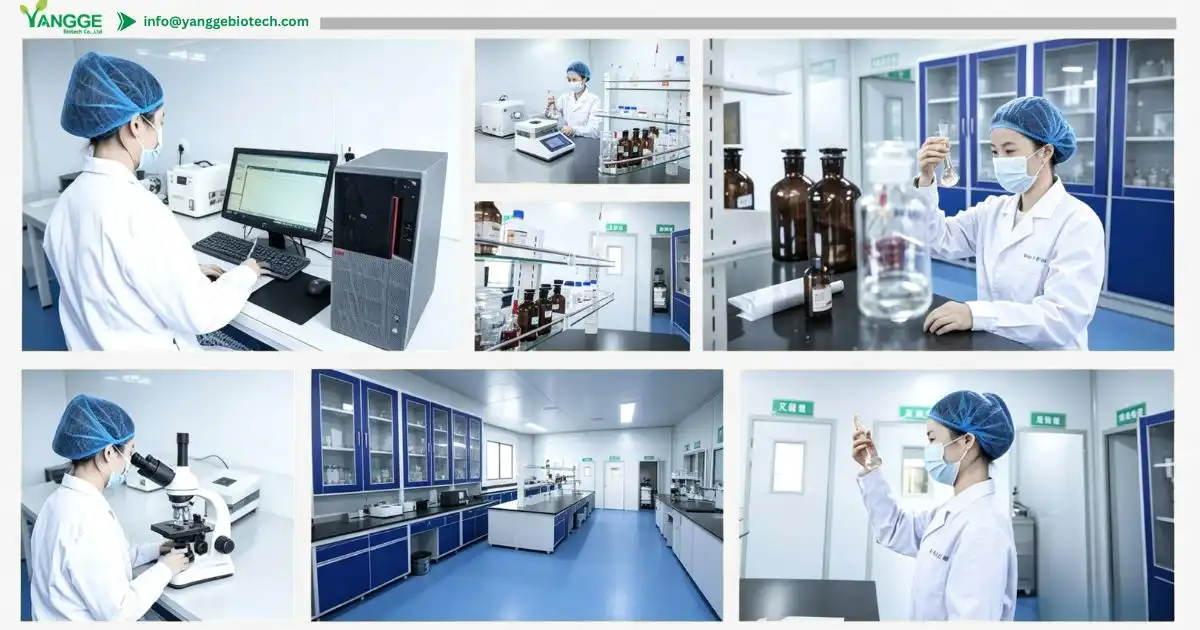
Yangge Biotech has 99% pure PDRN powder that is approved by ISO9001, HACCP, ISO22000, and Kosher standards and is used in medicine and cosmetics. We help product developers at every step, from the first idea to mass production. We offer OEM package support, a 1 g sample program, and a minimum order of 1 kg. You can email us at info@yanggebiotech.com or go to blog.yanggebiotech.com to ask for a sample or talk to our team about your needs for large purchases.
References
1. Squadrito, F. et al. — "PDRN: A New Drug for a New Approach in the Treatment of Trophic Tissue Lesions." Journal of Vascular Research, 2003.
2. Veronesi, F. et al. — "Polydeoxyribonucleotide Increases Viability of Human Adipose-Derived Stem Cells and Their Differentiation Capacity." Life Sciences, 2014.
3. Galeano, M. et al. — "Polydeoxyribonucleotide Stimulates Angiogenesis and Wound Healing in the Genetically Diabetic Mouse." Wound Repair and Regeneration, 2008.
4. Guizzardi, S. et al. — "PDRN Promotes Human Skin Keratinocyte Proliferation Through Adenosine A2A Receptor Stimulation." Journal of Investigative Dermatology, 2010.
5. Kim, D.H. et al. — "Clinical Efficacy of Polydeoxyribonucleotide in Skin Rejuvenation: A Randomized Controlled Trial." Journal of Cosmetic Dermatology, 2014.
6. Thellung, S. et al. — "PDRN Reduces Inflammation and Promotes Tissue Repair via Adenosine A2A Receptor Pathway." European Journal of Pharmacology, 2009.

Based on your location and order quantity, you will have the opportunity to receive a limited time free shipping promotion!
Who we are
Popular Blogs