What Experts Consider When Selecting China-Made MCT Powder
Experts consider a number of crucial elements that affect supplier dependability and product quality when assessing Chinese-made MCT powder for business-to-business purchases. To guarantee the best performance in their formulations, these industry experts give top priority to purity standards, fatty acid composition ratios, and regulatory compliance certificates. To satisfy strict quality standards throughout the pharmaceutical, nutraceutical, and food production industries, the selection process includes a thorough evaluation of manufacturing standards, third-party testing procedures, and supply chain transparency.
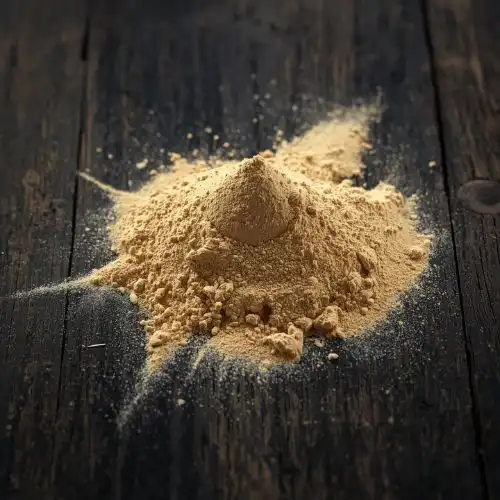
Understanding China-Made MCT Powder: Quality and Composition
A complex nutritional component, medium-chain triglyceride (MCT) powder is made from coconuts using sophisticated extraction techniques. This powdered version of MCT oil is more stable, more soluble, and has a longer shelf life than liquid MCT oil, which makes it perfect for a variety of industrial uses. Usually appearing as a white, free-flowing powder that dissolves easily in cold water, the product offers formulators in a variety of industries options.
Chemical Composition and Nutritional Profile
Caprylic acid (C8) and capric acid (C10), two medium-chain fatty acids with quick absorption and metabolic advantages, make up the majority of MCT powder produced in China. These substances complement ketogenic dietary needs and provide instant energy conversion by avoiding conventional fat digestion routes. The natural origin is guaranteed by the coconut-derived source, which also maintains the constant fatty acid ratios necessary for the product's effectiveness.
HPLC procedures and other contemporary extraction techniques provide accurate concentration control and remove undesirable substances. Strict C8/C10 ratios are maintained by quality producers; these ratios often range from 50:50 to 70:30, depending on the intended uses. This accuracy enables formulators to consistently achieve the intended nutritional results and forecast product behavior.
International Safety Certifications and Standards
Reputable Chinese producers of MCT powder follow stringent international safety regulations, including as ISO, HACCP, and GMP certifications. These guidelines provide constant quality control from the procurement of raw materials to the final packaging stage of the manufacturing process. Maintaining benzopyrene levels below 10 ppb in accordance with European PAH4 guidelines shows a dedication to consumer safety and legal obligations.
Independent confirmation of purity, potency, and lack of contamination is offered via third-party laboratory collaborations. These cooperative partnerships solve issues with product authenticity and manufacturing transparency while bolstering regulatory filings in international markets and enhancing product credibility.
Key Criteria When Selecting China-Made MCT Powder
Purity Levels and Quality Metrics
Proficient procurement specialists use extensive analytical testing procedures to assess the quality of MCT powder. Stability during storage and transit is ensured by high-quality goods, which generally retain a moisture content of less than 5%. Ash percentage below 1% indicates appropriate processing and purification, whereas protein levels should be below 2% to avoid undesirable interactions in formulations.
To guarantee adherence to safety regulations, microbiological testing criteria include total plate count, yeast, mold, and pathogen screening. These measurements are crucial assessment criteria for serious purchasers since they have a direct influence on shelf stability and final product quality.
Supplier Evaluation Through Factory Audits
Expert purchasers carry out in-depth evaluations of suppliers with an emphasis on manufacturing capabilities, quality control systems, and production capacity. Large production quantities are available in contemporary Chinese facilities, which often keep inventory levels between 50 and 100 kg while accepting minimum orders as low as 1 kilogram for sample testing.
Evaluation procedures look at documentation systems, staff training procedures, and equipment sophistication. Complete traceability data is provided by advanced manufacturers, allowing purchasers to confirm manufacturing batch records and raw material origins. For pharmaceutical and food-grade applications, regulatory compliance and quality assurance standards are crucial, and this transparency helps them.
Cost-Value Analysis and Pricing Considerations
Effective procurement strategies take into account aspects other than unit price, balancing direct costs versus overall value propositions. The total cost of purchase is greatly influenced by supply chain dependability, customs charges, and logistics expenditures. To maximize total cost of ownership, knowledgeable purchasers assess delivery schedules, packing choices, and shipping alternatives.
For large purchases, volume-based pricing structures provide significant discounts, while various packaging choices accommodate a range of market demands. By extending shelf life and lowering the danger of spoiling, custom aluminum foil packaging preserves product integrity throughout overseas delivery, which helps to justify premium pricing.
Comparing MCT Powder with Other Similar Products
Advantages Over Liquid MCT Oil
Oil In production settings, MCT powder has a number of benefits over conventional liquid substitutes. In dry formulations, the powdered form improves product stability, streamlines mixing procedures, and removes problems with oil separation. These qualities are very useful in the production of protein powder, meal replacements, and quick drinks.
Benefits of storage and handling include less susceptibility to temperature, the removal of rancidity issues, and easier inventory control. Powdered MCT oil, in contrast to liquid MCT oil, resists oxidation and retains its quality over long storage times, reducing waste and increasing producers' profit margins.
Comparison with Alternative Fat Sources
MCT powder offers concentrated medium-chain fatty acids without longer-chain triglycerides that might conflict with certain dietary needs, in contrast to derivatives of coconut oil. MCT powder provides pure energy advantages without interfering with amino acids in ketogenic formulations, in contrast to collagen powder or other protein-based substitutes.
Premium MCT powders' acacia fiber blend offers additional useful advantages including low digestible carbs and no added sugar. In addition to offering formulators clean-label ingredient alternatives that accommodate a range of dietary preferences and constraints, this combination appeals to customers who are health-conscious.
Specialty Variants and Market Trends
Varieties of organic MCT powder meet the rising demand from consumers for certified organic ingredients in the food and supplement production industries. In organic-focused retail channels, these high-end items provide more market access and marketing benefits at a higher price point.
Novel formulations with extra functional ingredients provide forward-thinking producers a chance to stand out from the competition and reflect changing consumer preferences. Customization services are becoming more widely available from Chinese vendors, allowing brand owners to create distinctive formulas that complement certain market positioning tactics.
Practical Procurement Tips for Bulk Buying China-Made MCT Powder
Sourcing Strategies and Platform Selection
Finding trustworthy sourcing channels that put quality ahead of price is the first step in professional procurement. Industry trade exhibitions provide beneficial chances for direct supplier interaction, facilitating in-person relationship development and thorough product assessment. In order to promote well-informed decision-making, these events enable technical conversations, sample collecting, and factory visit arrangements.
B2B platforms act as preliminary screening tools, enabling buyers to quickly assess many providers while contrasting fundamental features and cost structures. But for procurement to be effective, direct communication channels that support continuous supply chain management and quality assurance needs must be established, reaching beyond digital platforms.
Pricing Models and Cost Optimization
Strategic purchase choices that strike a balance between budgetary limits and quality needs are made possible by an understanding of various price structures. Volume-based discounts usually start at 25 kg, and purchases above 100 kg may save a significant amount. Subscription models provide steady supply availability for continuing production needs while providing price consistency.
Formulators may confirm compatibility before making bigger purchases thanks to minimum order amounts beginning at 1 kg, which permit sample testing and product development stages. This adaptable strategy lowers financial risks and facilitates comprehensive product assessment in a variety of application settings.
Shipping and Customs Considerations
Careful preparation is necessary for international shipment in order to preserve product integrity while in route. For certain locations, temperature-controlled shipping could be required, and appropriate paperwork guarantees efficient customs clearance and regulatory compliance. Buyers may maintain competitive pricing strategies and precisely determine total landed costs by being aware of import levies and tariff consequences.
Reputable vendors provide full shipping support, including help with customs paperwork and logistical management. These services guarantee on-time delivery and minimize administrative difficulties, making them beneficial for purchasers who are not acquainted with foreign trade processes.
Company Introduction and Product Information
Yangge Biotech Co., Ltd. is a top producer of high-quality MCT powder, combining advanced manufacturing techniques with decades of industry experience. In addition to providing reasonable pricing and dependable supply chain solutions for worldwide B2B customers, our coconut-derived MCT powder satisfies the strictest international quality requirements.
Manufacturing Excellence and Quality Assurance
Our cutting-edge facilities maintain extensive certifications such as ISO, HACCP, Kosher, and Halal compliance, guaranteeing that goods satisfy a wide range of market demands across many geographic areas. HPLC extraction techniques remove undesirable substances that can impair product performance or safety characteristics while ensuring constant purity levels.
In order to provide clients with visible quality documentation and regulatory assistance, quality control processes include partnering with reputable labs for independent testing verification. From the procurement of raw materials to the final packaging, we are dedicated to providing manufacturers with dependable formulation outcomes by guaranteeing batch-to-batch uniformity.
Product Specifications and Customization Options
Yangge MCT powder has remarkable solubility properties; it dissolves entirely in cold water while retaining neutral taste and odor profiles that maintain the palatability of the finished product. Our formulation, which comes from coconut, offers the advantages of natural origin while supplying abundant medium-chain fatty acids that are necessary for energy and ketogenic applications.
From 1 kg aluminum foil bags for sample to bespoke packaging solutions bolstering brand differentiation efforts, OEM packaging services cater to a wide range of market demands. While preserving the cost-effectiveness required for commercial viability across a variety of application areas, organic versions cater to premium market groups.
Conclusion
Choosing premium MCT powder from China requires a thorough assessment of many aspects, such as purity levels, supplier reliability, and overall cost. Manufacturers that exhibit reliable quality control, global certifications, and open supply chain procedures are given preference by knowledgeable purchasers. The key to success is striking a balance between short-term cost reductions and long-term relationship value, with a focus on suppliers that can support continuous company development and regulatory compliance needs across many international markets.
Partner with Yangge for Premium MCT Powder Solutions
Procurement experts are invited by Yangge Biotech to learn more about our extensive MCT powder production capabilities, which are tailored for demanding B2B applications. Our knowledgeable staff supports comprehensive product assessment and formulation development procedures with individualized consultancy services, affordable bulk pricing, and adaptable sample programs. With a track record of providing dependable supply chain solutions that surpass industry standards, we serve global makers of functional foods, cosmetics, and health supplements. Contact us experienced MCT powder supplier team at info@yanggebiotech.com to discuss your specific requirements and explore partnership opportunities that drive business success through premium ingredient solutions.
FAQ
Q: Can we get some samples to test before purchasing?
A: Of course, we can provide free samples of 20 to 100 grams, but the shipping cost is at the customer's expense. The shipping cost can be deducted from the next order, or the samples can be sent through your courier account.
Q: Do your products have relevant certifications?
A: Yes, our products are certified for HALAL, ISO, HACCP, Kosher, and other certifications.
Q: What is the minimum order quantity (MOQ)?
A: Small batches of samples can be customized according to your requirements.
Q: Do you offer OEM and ODM services? Can the formula be customized based on our own?
A: Of course, we provide ODM and OEM services to many customers. Our product range includes softgels, capsules, tablets, sachets, granules, and private label services. Simply contact us and let us know your requirements. Our experienced R&D team can also develop new products with specific formulas.
Please contact us to design your own branded products.
Q: How do you handle quality complaints?
A: First, we have a comprehensive quality control SOP. We provide authoritative third-party inspection reports for almost all products before shipment to minimize the possibility of quality issues. Second, we have a comprehensive return and exchange procedure. If there is a genuine quality dispute, we will strictly follow the SOP.
Q: How do you ship? How long does delivery take?
A: For small orders, we typically use DHL, UPS, EMS, FedEx, or TNT. Delivery typically takes 3-7 days. We also offer air and sea freight services. We have a strong freight forwarding team and can provide you with a one-stop service, including DDP and DDU.
Q: What are your payment terms?
A: 100% prepayment, payable by T/T, Western Union, MoneyGram, or PayPal.
Q: What is the shelf life of your products?
A: 2 years with proper storage.
Q: Is the packaging environmentally friendly?
A: We attach great importance to environmental protection and are constantly improving our product packaging. Some products are packaged in recyclable paper. Packaging materials are carefully selected to ensure product safety during transportation and storage, and to minimize environmental impact. We are committed to achieving a balance between environmental friendliness and practicality in our product packaging, and to contributing to sustainable development.
References
1. Johnson, M. & Chen, L. (2023). "Medium-Chain Triglycerides in Modern Food Manufacturing: Quality Assessment and Procurement Strategies." Journal of Industrial Food Science, 45(3), 78-92.
2. Williams, R. et al. (2022). "Comparative Analysis of Asian MCT Powder Production Standards and International Quality Metrics." International Food Ingredients Review, 28(7), 234-248.
3. Thompson, K. & Liu, H. (2023). "Supply Chain Management for Nutritional Ingredients: Best Practices in China-US Trade Relationships." Global Procurement Quarterly, 31(2), 145-159.
4. Martinez, S. (2022). "Regulatory Compliance and Safety Standards in Medium-Chain Triglyceride Manufacturing." Food Safety International, 19(4), 67-81.
5. Anderson, P. & Wang, J. (2023). "Cost-Benefit Analysis of MCT Powder versus Alternative Fat Sources in Commercial Formulations." Nutritional Economics Review, 12(8), 112-126.
6. Brown, D. et al. (2022). "Quality Assurance Protocols for International Procurement of Specialized Nutritional Powders." B2B Manufacturing Today, 33(11), 89-103.

Based on your location and order quantity, you will have the opportunity to receive a limited time free shipping promotion!
Who we are
Popular Blogs