What are the health benefits of the fiber and fat in one cup of almonds
What is Almond Protein Powder?
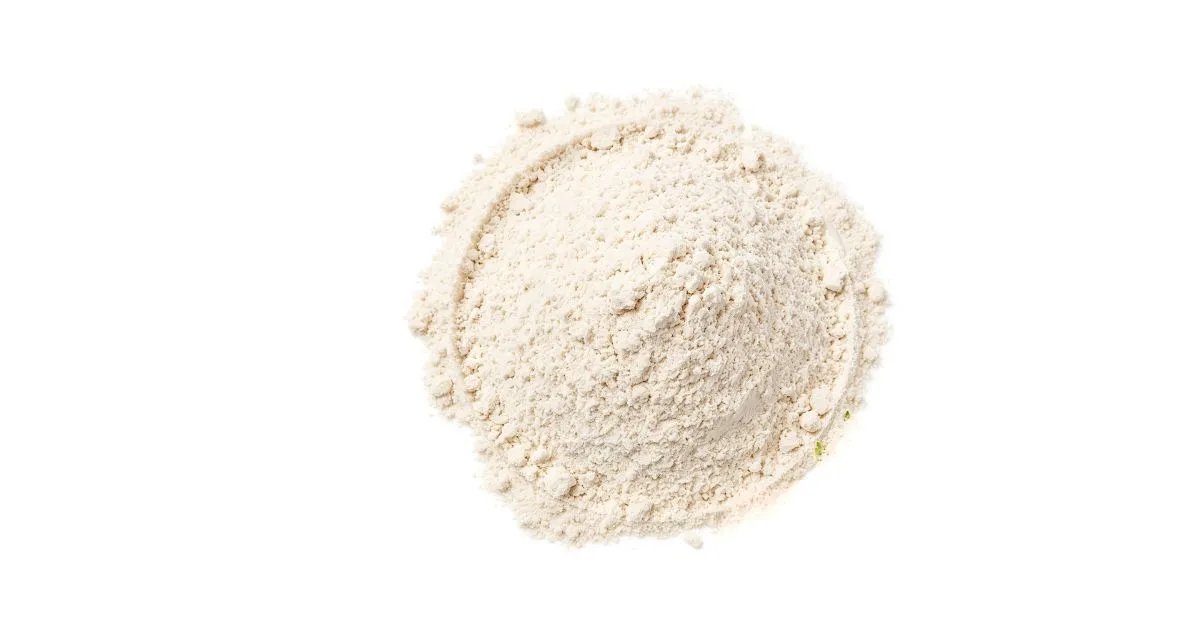
Almond protein powder is a plant-derived protein ingredient obtained from almonds after most of the oil has been removed. The resulting protein-rich flour is further processed into a fine powder suitable for various food and nutritional applications.
Unlike many protein isolates, almond protein powder offers more than just protein it also contains dietary fiber, natural antioxidants, vitamin E, magnesium, calcium, and essential amino acids.
Main Functions of Almond Protein Powder
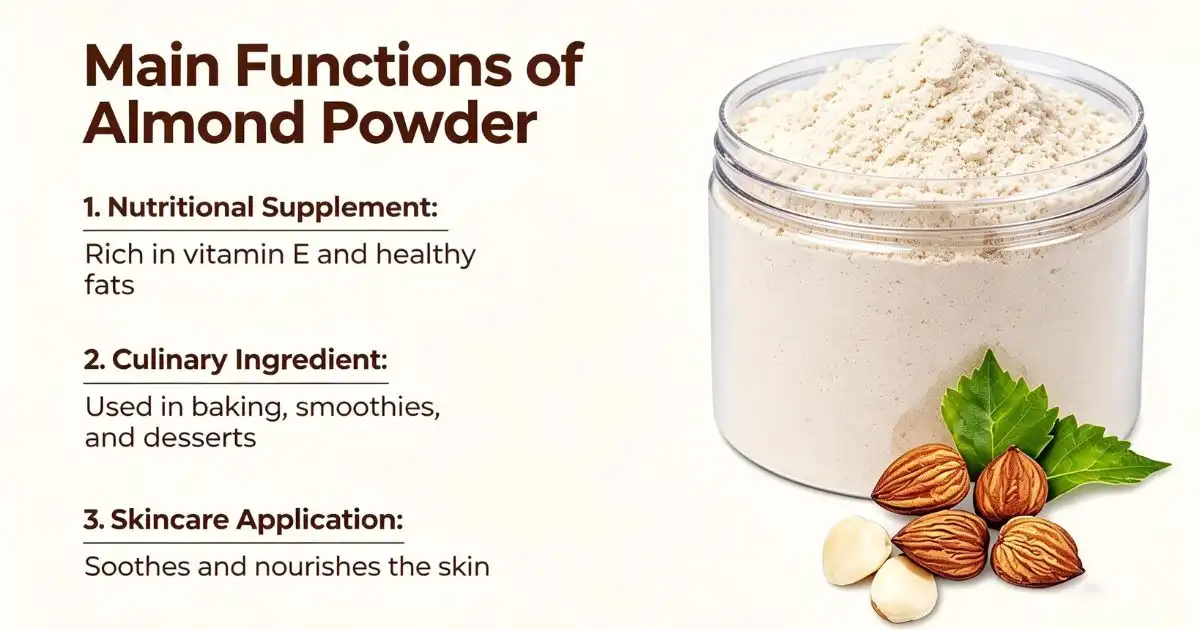
1. Plant-Based Protein Source
Provides high-quality plant protein suitable for vegan and vegetarian formulations.
2. Muscle Support
Supplies amino acids necessary for muscle maintenance and recovery after exercise.
3. Satiety Enhancement
Protein and fiber work together to promote fullness, helping support weight management programs.
4. Nutritional Fortification
Improves the protein content of foods and beverages while adding essential micronutrients.
5. Texture Improvement
Creates a smooth, creamy mouthfeel in beverages, smoothies, bakery products, and nutritional foods.
6. Natural Emulsification
Helps stabilize emulsions in various food systems.
7. Functional Ingredient
Improves viscosity, moisture retention, and overall product stability.
Benefits of Almond Protein Powder
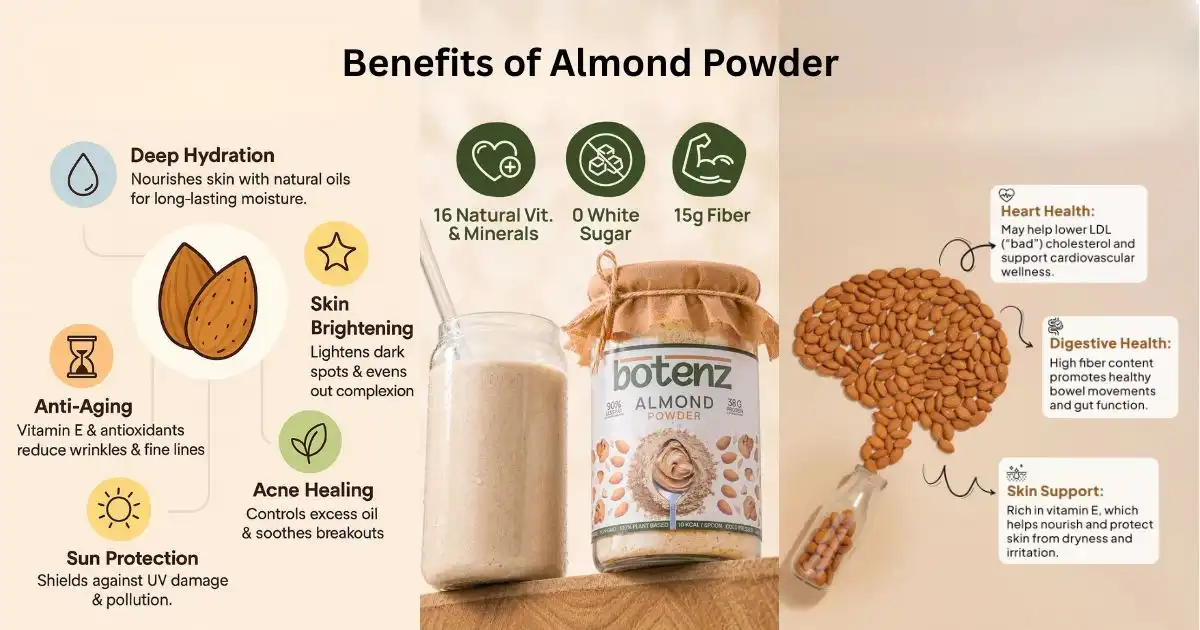
Rich Plant Protein
Contains approximately 45–60% protein depending on the manufacturing process.
Naturally Gluten-Free
Suitable for gluten-free food formulations.
High in Dietary Fiber
Supports digestive health and promotes satiety.
Heart-Friendly
Contains healthy unsaturated fats that support cardiovascular wellness.
Rich in Vitamin E
Provides natural antioxidant protection against oxidative stress.
Excellent Mineral Source
Contains magnesium, calcium, phosphorus, potassium, and iron.
Low Carbohydrate
Ideal for low-carb and keto-friendly formulations (depending on the product grade).
Clean Label Ingredient
Free from artificial preservatives and synthetic additives.
Pleasant Nutty Flavor
Enhances taste naturally without requiring excessive flavor masking.
Sustainable Plant Protein
Requires fewer environmental resources compared to many animal protein sources.
Typical Specifications
Specifications may vary depending on processing methods and customer requirements.
|
Parameter |
Specification |
|
Appearance |
Light cream to pale brown fine powder |
|
Protein Content |
45–60% |
|
Moisture |
≤8% |
|
Fat |
8–15% |
|
Fiber |
10–20% |
|
Ash |
≤6% |
|
Particle Size |
80–100 mesh |
|
Solubility |
Moderate |
|
Odor |
Natural almond aroma |
|
Taste |
Mild nutty flavor |
|
Shelf Life |
24 months |
|
Storage |
Cool, dry place away from sunlight |
Nutritional Highlights
- Almond protein powder naturally provides:
- Plant protein
- Dietary fiber
- Vitamin E
- Magnesium
- Calcium
- Phosphorus
- Potassium
- Iron
- Healthy unsaturated fats
- Natural antioxidants
Applications
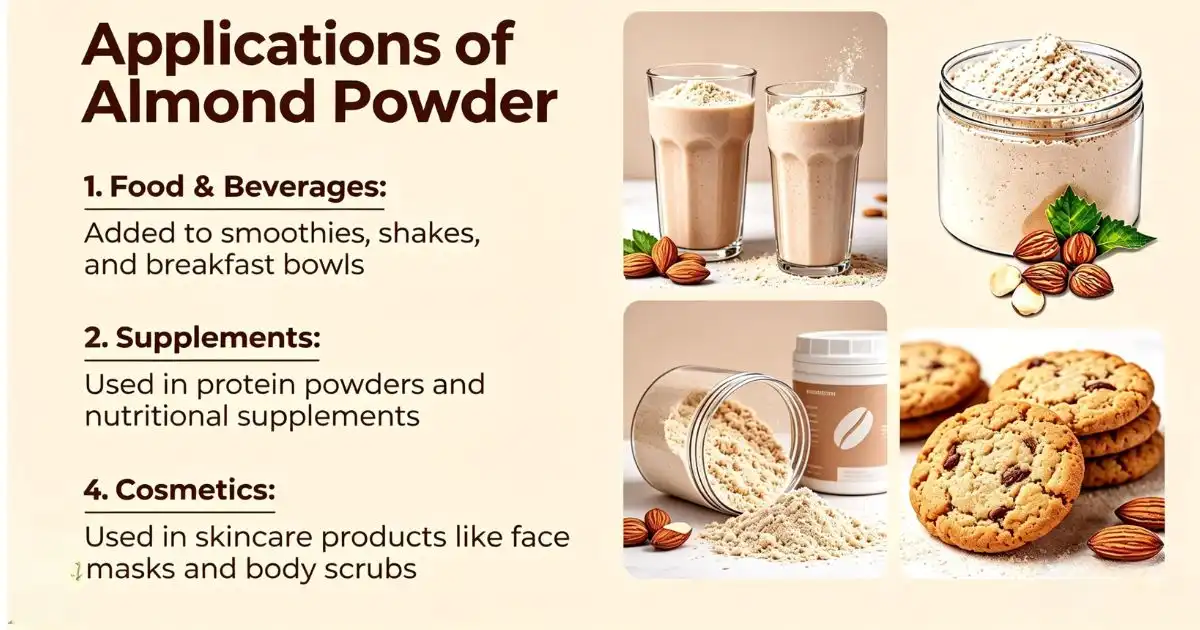
Sports Nutrition
- Protein shakes
- Recovery drinks
- Protein blends
- Sports supplements
Functional Foods
- High-protein cereals
- Breakfast mixes
- Nutrition bars
- Protein snacks
Bakery Products
- Bread
- Cookies
- Muffins
- Pancakes
- Cakes
Beverage Industry
- Plant-based milk
- Smoothies
- Meal replacement drinks
- Ready-to-drink protein beverages
Dietary Supplements
- Protein powders
- Capsules
- Tablets
- Functional drink mixes
Healthy Snacks
- Granola
- Energy bites
- Nut bars
- Protein chips
Vegan Foods
- Meat alternatives
- Dairy-free desserts
- Plant-based yogurt
- Vegan cheese formulations
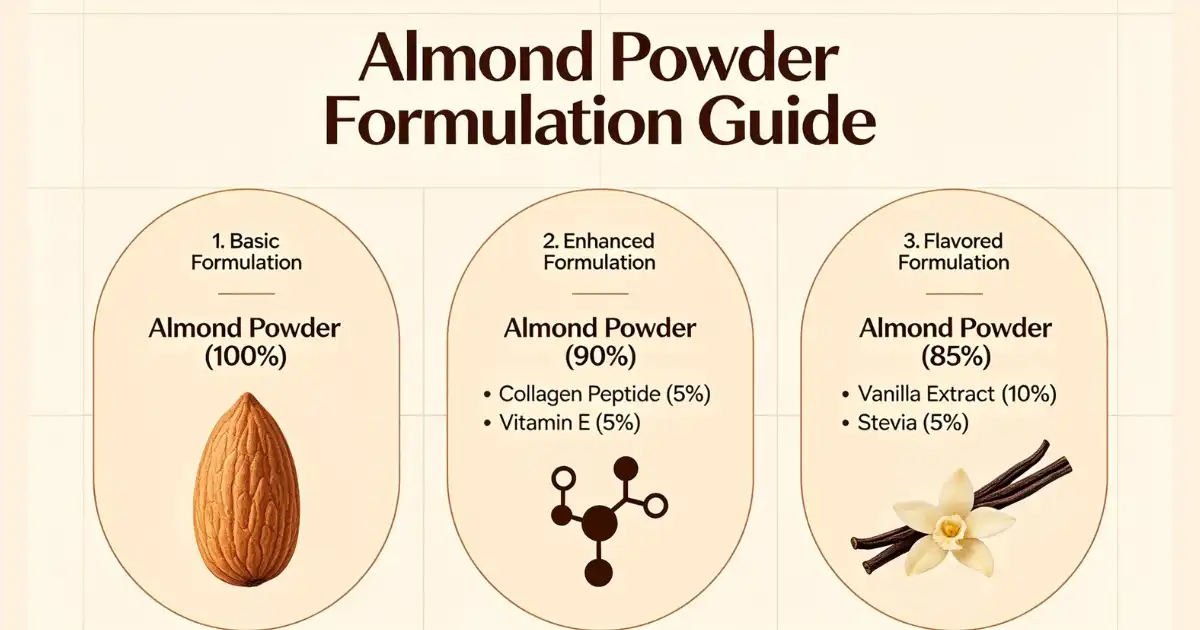
Formulations of Almond Powder
1. Plant Protein Shake
- Almond Protein Powder – 25%
- Pea Protein – 20%
- Oat Powder – 20%
- Coconut Milk Powder – 15%
- Cocoa Powder – 8%
- Natural Sweetener – 10%
- Vanilla Flavor – 2%
2. High Protein Nutrition Bar
- Almond Protein Powder – 20%
- Oat Flour – 25%
- Almond Butter – 15%
- Dates – 20%
- Honey – 10%
- Chia Seeds – 5%
- Natural Flavor – 5%
3. Vegan Smoothie Mix
- Almond Protein Powder – 30%
- Banana Powder – 20%
- Coconut Cream Powder – 15%
- Spinach Powder – 5%
- Flaxseed Powder – 10%
- Inulin – 10%
- Natural Vanilla Flavor – 10%
4. Protein Pancake Mix
- Almond Protein Powder – 18%
- Wheat or Oat Flour – 50%
- Baking Powder – 3%
- Egg Powder (or Vegan Alternative) – 5%
- Sweetener – 10%
- Milk Powder (optional) – 10%
- Vanilla Flavor – 4%
OEM & Private Label Services
Many manufacturers offer complete OEM and private-label solutions for almond protein powder products, allowing brands to launch customized products efficiently.
Typical OEM services include:
- Custom protein concentrations (45–60%)
- Organic and conventional grades
- Instantized protein powder
- Flavor customization (vanilla, chocolate, coffee, berry, etc.)
- Sweetener customization
- Vegan formulations
- Sports nutrition blends
- Meal replacement formulas
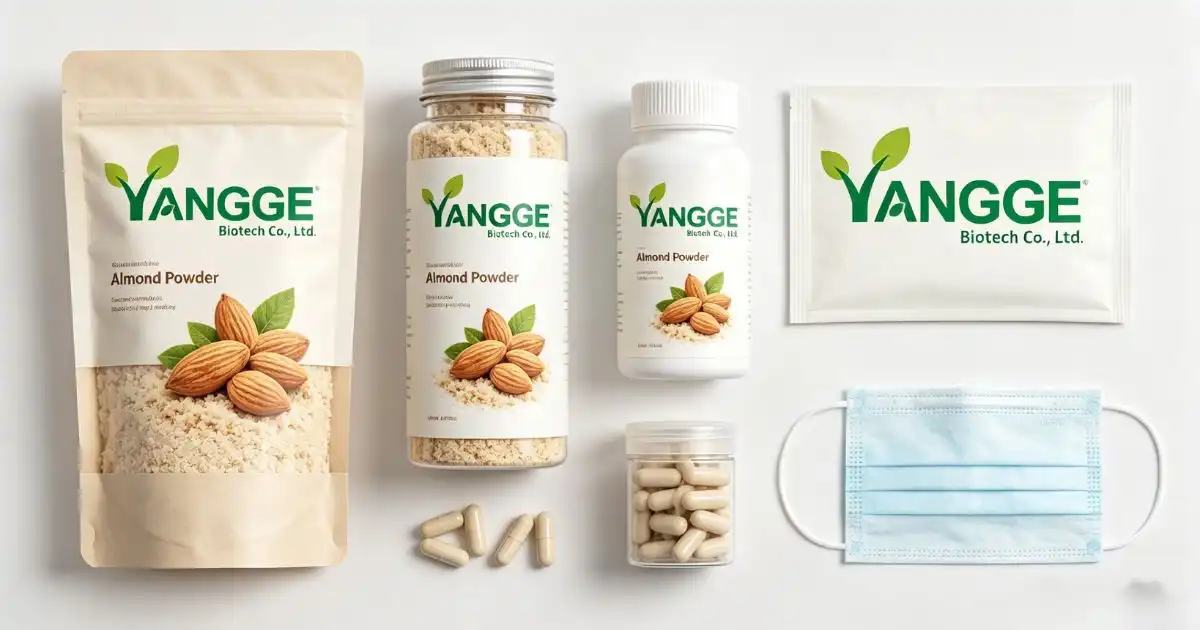
- Packaging customization (bulk bags, pouches, jars, sachets)
- Custom branding and label design
- Regulatory documentation and quality certifications
Why Manufacturers Choose Almond Protein Powder
- Premium plant-based protein source
- Excellent consumer acceptance
- Clean-label ingredient
- Pleasant natural taste
- Rich nutritional profile
- Suitable for vegan and gluten-free products
- Supports sports nutrition and healthy lifestyles
- Versatile across food and beverage applications
- Sustainable and environmentally friendly
Market Trends
Growing consumer interest in plant-based diets, allergen-conscious foods, and sustainable nutrition has fueled demand for almond protein powder. It is increasingly used in premium protein products, meal replacements, bakery goods, and functional beverages. Manufacturers are also combining almond protein with pea, rice, pumpkin seed, and oat proteins to create balanced amino acid profiles and improved texture.
Conclusion
Almond protein powder is a versatile, nutrient-dense ingredient that combines high-quality plant protein with dietary fiber, vitamin E, healthy fats, and essential minerals. Its mild nutty flavor, clean-label appeal, and broad functionality make it an excellent choice for sports nutrition, functional foods, bakery products, beverages, and dietary supplements.
As the market for plant-based nutrition continues to expand, almond protein powder offers manufacturers and brands an opportunity to develop innovative, premium products that meet consumer demand for healthy, sustainable, and delicious nutrition. Whether used alone or in combination with other plant proteins, almond protein powder provides exceptional nutritional value and formulation flexibility for today's health-conscious consumers.
Partner with Yangge for Premium Almond Protein Solutions
Yangge Biotech stands as a trusted almond protein supplier delivering rigorously tested, certified ingredients that meet the exacting standards of global health supplement, functional food, and nutraceutical manufacturers. Our Almond Protein Powder specifications range from 50% to 90% protein concentration, extracted through validated HPLC methods and verified by international laboratories before each shipment. Every batch carries FDA approval, Halal certification, and Kosher certification, ensuring compliance with diverse regulatory requirements and supporting clean-label positioning.
We provide comprehensive technical support including formulation guidance, concentration specifications, and usage recommendations tailored to your product development objectives. Contact our team at info@yanggebiotech.com to request samples, discuss bulk pricing, and explore how our traceable, GMP-compliant almond protein ingredients can elevate your formulations and strengthen your competitive positioning in demanding markets.
FAQ
Q: Can we get some samples to test before purchasing?
A: Of course, we can provide free samples of 20 to 100 grams, but the shipping cost is at the customer's expense. The shipping cost can be deducted from the next order, or the samples can be sent through your courier account.
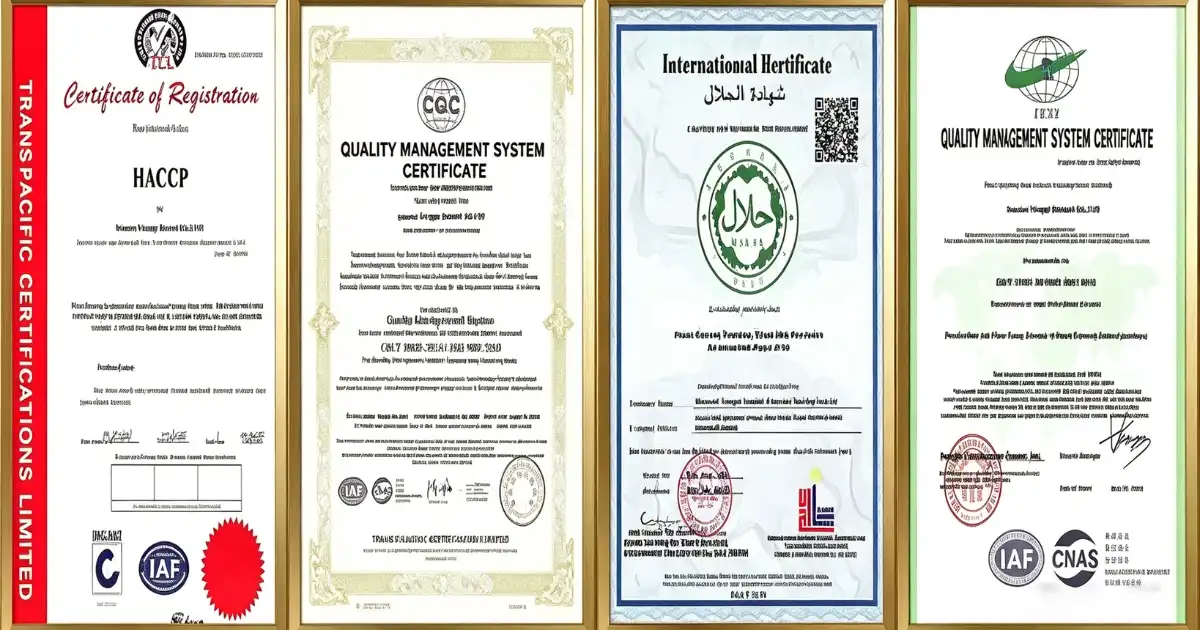
Q: Do your products have relevant certifications?
A: Yes, our products are certified for HALAL, ISO, HACCP, Kosher, and other certifications.
Q: What is the minimum order quantity (MOQ)?
A: Small batches of samples can be customized according to your requirements.
Q: Do you offer OEM and ODM services? Can the formula be customized based on our own?
A: Of course, we provide ODM and OEM services to many customers. Our product range includes softgels, capsules, tablets, sachets, granules, and private label services. Simply contact us and let us know your requirements. Our experienced R&D team can also develop new products with specific formulas.
Please contact us to design your own branded products.
Q: How do you handle quality complaints?
A: First, we have a comprehensive quality control SOP. We provide authoritative third-party inspection reports for almost all products before shipment to minimize the possibility of quality issues. Second, we have a comprehensive return and exchange procedure. If there is a genuine quality dispute, we will strictly follow the SOP.
Q: How do you ship? How long does delivery take?
A: For small orders, we typically use DHL, UPS, EMS, FedEx, or TNT. Delivery typically takes 3-7 days. We also offer air and sea freight services. We have a strong freight forwarding team and can provide you with a one-stop service, including DDP and DDU.
Q: What are your payment terms?
A: 100% prepayment, payable by T/T, Western Union, MoneyGram, or PayPal.
Q: What is the shelf life of your products?
A: 2 years with proper storage.
References
1. Barreca D, Nabavi SM, et al. "Almonds and Cardiovascular Health: A Review of Clinical Evidence." Nutrition Reviews, 2020; 78(6): 456-472.
2. Dreher ML. "A Comprehensive Appraisal of the Role of Tree Nuts in Healthy Diets." Nutrition Journal, 2021; 20(1): 1-18.
3. Kamil A, Chen CY. "Health Benefits of Almonds Beyond Cholesterol Reduction." Journal of Agricultural and Food Chemistry, 2019; 67(24): 6812-6823.
4. Mandalari G, Nueno-Palop C, et al. "Potential Prebiotic Properties of Almond Skins." Applied and Environmental Microbiology, 2018; 84(12): e00526-18.
5. Tan SY, Mattes RD. "Appetitive, Dietary and Health Effects of Almonds Consumed with Meals or as Snacks: A Randomized Controlled Trial." European Journal of Clinical Nutrition, 2021; 75(5): 723-732.
6. Wien M, Bleich D, et al. "Almond Consumption and Cardiovascular Risk Factors: A Systematic Review and Meta-Analysis." Journal of the American College of Nutrition, 2020; 39(3): 264-273.

Based on your location and order quantity, you will have the opportunity to receive a limited time free shipping promotion!
Who we are
Popular Blogs