One of the most powerful carotenoids accessible to producers of functional foods and eye health supplements is meso zeaxanthin powder. Because of its remarkable stability and bioavailability, this specialty extract is a perfect component for businesses looking to develop high-end products that assist eyesight. In contrast to regular zeaxanthin, this special isomer has unique chemical characteristics that improve retinal protection and visual function, making it a desirable ingredient in the cutthroat supplement market of today.
Understanding Meso Zeaxanthin: The Science Behind Superior Eye Protection
Mesozeaxanthin's unique chemical structure and biological activities set it different from other carotenoids. Although there are two main forms of classic zeaxanthin, this particular isomer is found naturally in the middle of the retina and is essential for blocking damaging blue light. According to recent research, mesozeaxanthin's advantages go beyond its fundamental antioxidant qualities. The chemical forms a protective barrier against oxidative stress and photodamage by preferentially accumulating in the foveal area.
It is very useful for producers creating specific formulations for eye health because of its focused dispersion. The quality of the finished product is greatly influenced by the extraction process. High degrees of purity are attained while maintaining the delicate molecular structure using sophisticated processing methods. The stability and bioactivity of the molecule are preserved by expert extraction procedures, guaranteeing reliable performance across manufacturing batches. When compared to synthetic alternatives, properly handled meso zeaxanthin supplements provide greater absorption rates, as shown by modern analytical techniques. The natural extraction method is a great option for high-end supplement formulations since it maintains cofactors that improve usage.

Comprehensive Health Benefits for Product Development
Meso zeaxanthin is a desirable ingredient for a variety of product categories due to its wide range of advantages. The main use is in eye health, but new research indicates other therapeutic possibilities that should be taken into account. There are many ways to increase visual performance. The substance improves general eye acuity, lessens glare impairment, and increases contrast sensitivity. These benefits are especially apparent in difficult lighting situations, which makes it useful for goods aimed at active people or senior citizens. The body as a whole, not just the eyes, has antioxidant qualities. Free radicals that cause inflammation and cellular aging are neutralized by mesozeaxanthin's antioxidant action.
This wide-ranging protective function makes it possible to use it in preparations for general well-being. Regular supplementation may also improve cognitive function. Because of the blood-brain barrier, carotenoids may build up in neural tissues and promote normal brain aging. There are intriguing prospects for the development of nootropic products because of this link. Applications for skin health are also promising. The molecule is appropriate for beauty-from-within formulations that target skin aging and protection because of its photoprotective qualities, which aid in defending against UV-induced damage.

Manufacturing Specifications and Quality Standards
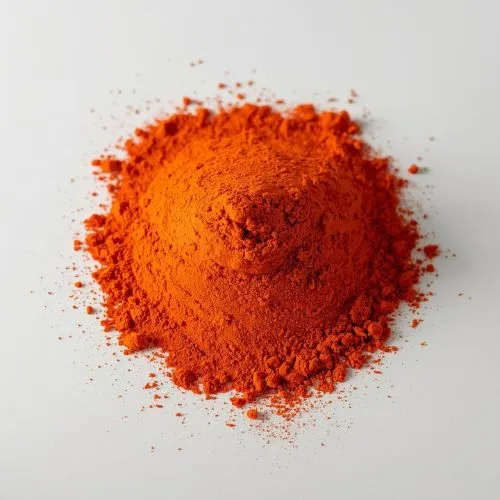
To guarantee constant product quality, professional producers need comprehensive requirements. Depending on the intended use and formulation specifications, meso zeaxanthin powder purity often varies from 5% to 99%. The degree of concentration affects how it looks. Higher purities exhibit deeper reddish-orange coloring, whilst lower percentages appear as fine granules that vary from yellow to orange. During manufacturing, quality control teams may confirm batch integrity with the use of this visual consistency. The distribution of particle sizes influences bioavailability and dissolution rates. Powders that have been properly micronized guarantee consistent mixing in a variety of formulation matrices, including drinks and capsules.
Versions that dissolve in cold water increase the range of applications for liquid goods. Stability testing verifies shelf life under a range of storage scenarios. When kept in firmly sealed containers that are shielded from moisture and light, the chemical retains its efficacy. Global distribution and longer product shelf life are supported by these stability features. For global markets, regulatory compliance is still crucial. Wide market acceptability is guaranteed by quality certifications such as ISO, HACCP, Kosher, and Halal. Strict safety regulations are addressed by further testing for pollutants, such as heavy metals and leftover solvents.

Optimal Dosage Guidelines and Formulation Considerations
The right dose of meso zeaxanthin must be determined by weighing practical formulation limitations against effectiveness. Clinical trials usually use doses ranging from 2 mg to 20 mg per day, depending on the target population and treatment goal. Strategic co-formulation improves bioavailability. Carotenoids that are fat-soluble absorb better when taken with meals or in combination with fats. This information may be used by formulation engineers to maximize product performance. Benefits may be increased in synergistic combinations with lutein and other carotenoids.
Comparing mesozeaxanthin and lutein shows complementary qualities that imply combination formulae may outperform single-ingredient solutions. The choice of delivery mechanism has a major effect on absorption rates. For lipophilic substances, soft gel capsules provide superior stability and bioavailability. As an alternative, inclusion into tablets and powdered goods is made possible by sophisticated encapsulation methods. Excellent safety profiles are maintained throughout the dose levels under investigation. At normal supplementation levels, no negative effects manifest, offering formulation flexibility for a range of product categories and customer demographics.

Natural Sources and Extraction Excellence
Knowing the natural sources of meso zeaxanthin aids producers in conveying to customers the genuineness and caliber of their products. The main commercial source is marigold flowers, which provide dependable quality and steady outputs. Sustainable farming methods guarantee the availability of ingredients for a long time. Partnerships for responsible sourcing maintain environmental stewardship while assisting rural communities. These actions are in line with the rising demand from consumers for products made responsibly. Modern extraction techniques maintain bioactivity while optimizing yield. Supercritical CO2 extraction and other mild techniques steer clear of strong solvents that can degrade the quality of the final product.
Additionally, these procedures get rid of any impurities that might compromise effectiveness or safety. Careful supplier management is necessary due to seasonal fluctuations in raw material quality. In order to maximize harvest timing and processing schedules and guarantee steady product supply all year long, seasoned manufacturers collaborate closely with grower partners. Systems for traceability monitor ingredients from the farm to the final product. Complete documentation facilitates the quick resolution of any quality issues and helps with regulatory compliance and quality assurance initiatives.

Applications Across Industries and Markets
Meso zeaxanthin powder's applications are versatile and span many industrial sectors. The market is dominated by makers of dietary supplements, but there are also prospects in functional foods, drinks, and cosmetics. The compound's shown safety and performance are advantageous for nutraceutical compositions. As aging populations look for preventative treatments, eye health supplements that address age-related issues show great potential. Sports nutrition solutions may gain a competitive edge by using the advantages of visual performance. The creation of functional foods offers fascinating prospects. Dairy products, nutrition bars, and enriched drinks may all provide consumers with convenience and significant doses.
Proper application selection and processing parameters are guided by stability concerns. Antioxidant and photoprotective qualities are used in cosmetic applications. There is potential for using this beneficial component in both topical formulations and edible cosmetic products. The expanding trend of beauty-from-within encourages market expansion in this industry. One new area of use is pet nutrition. Because companion animal eye health issues are similar to human ones, there is a need for specialist veterinary formulations. Market entrance requires cautious navigation due to regional differences in regulatory procedures.

Quality Assurance and Regulatory Compliance
Strict quality control procedures guarantee the safety and uniformity of meso zeaxanthin powder in all manufacturing batches. Several analytical methods check for possible impurities and confirm identification, potency, and purity. Product safety for human consumption is confirmed by microbiological testing. Standard procedures assess pathogenic organisms, yeast, mold, and total plate counts. These tests enable regulatory compliance in international markets while safeguarding consumer health. International requirements for heavy metal analysis are becoming more and more demanding.
With strict raw material selection and manufacturing controls, levels of lead, mercury, cadmium, and arsenic stay far below legal limits. Consistent compliance is confirmed by routine testing. The safety of the extraction process is guaranteed by residual solvent analysis. Advanced analytical tools find traces of processing aids, verifying that they were eliminated throughout production. Consumer confidence and clean label positioning are supported by these findings. Documentation for certificates of analysis gives downstream producers transparency. In-depth testing data support customer quality needs and regulatory filings while facilitating well-informed formulation choices.

Market Trends and Future Opportunities
The need for specialized nutritional treatments is driven by growing awareness of digital eye strain. All age groups' increased screen usage opens up new markets for preventative eye health solutions that include specific carotenoids. Globally, there is a growing emphasis on maintaining and protecting eyesight due to aging populations. Products that address general vision support and age-related macular degeneration provide substantial market prospects for creative producers. Natural substances are preferred over synthetic ones in clean label movements. Plant-based carotenoid extracts benefit from consumers' growing need for goods with identifiable ingredients and transparent origin.
The need for specific formulations may be fueled by personalized dietary strategies. Individual risk assessment and genetic testing may direct specific supplement regimens, opening the door to personalized product creation. As people look for all-encompassing solutions, combination formulae are becoming more and more popular. Products that combine many carotenoids, vitamins, and minerals in ratios supported by science may function better than those that just include one component.

Conclusion
Meso zeaxanthin powder represents a premium ingredient opportunity for manufacturers targeting the growing eye health market. Its unique properties, proven benefits, and excellent safety profile make it an ideal choice for innovative product development. Success depends on selecting quality suppliers who understand the technical requirements and regulatory landscape. By partnering with experienced manufacturers like Yangge Biotech, companies can access the highest quality ingredients while benefiting from comprehensive technical support and reliable supply chains that drive market success.
Partner with Yangge for Premium Meso Zeaxanthin Powder Solutions
Yangge Biotech Co., Ltd. stands as your trusted meso zeaxanthin powder supplier, delivering exceptional quality and reliability for your manufacturing needs. Our state-of-the-art extraction facilities and rigorous quality control systems ensure consistent, high-purity ingredients that meet the most demanding specifications.
Our comprehensive product line offers multiple concentration options, from 5% standardized extracts to 99% pure compounds. Each batch undergoes extensive testing to verify potency, purity, and safety. ISO, HACCP, Kosher, and Halal certifications support global market access, while our dedicated R&D team provides technical support for formulation development.
Sustainable sourcing practices ensure reliable supply chains while supporting farming communities. Our farm-to-table traceability systems provide complete documentation for regulatory compliance and quality assurance. Flexible packaging options accommodate various order sizes, from research quantities to commercial-scale production.
Twenty-four-hour customer service ensures responsive support throughout your product development process. Our technical experts assist with formulation challenges, regulatory questions, and application development. Sample availability enables thorough evaluation before committing to larger purchases. Experience the Yangge difference in plant extract quality and service. Contact us at info@yanggebiotech.com to discuss your meso zeaxanthin powder requirements and discover how our innovative solutions can enhance your product portfolio.
FAQ
Q: Can we get some samples to test before purchasing?
A: Of course, we can provide free samples of 20 to 100 grams, but the shipping cost is at the customer's expense. The shipping cost can be deducted from the next order, or the samples can be sent through your courier account.
Q: Do your products have relevant certifications?
A: Yes, our products are certified for HALAL, ISO, HACCP, Kosher, and other certifications.
Q: What is the minimum order quantity (MOQ)?
A: Small batches of samples can be customized according to your requirements.
Q: Do you offer OEM and ODM services? Can the formula be customized based on our own?
A: Of course, we provide ODM and OEM services to many customers. Our product range includes softgels, capsules, tablets, sachets, granules, and private label services. Simply contact us and let us know your requirements. Our experienced R&D team can also develop new products with specific formulas.
Please contact us to design your own branded products.
Q: How do you handle quality complaints?
A: First, we have a comprehensive quality control SOP. We provide authoritative third-party inspection reports for almost all products before shipment to minimize the possibility of quality issues. Second, we have a comprehensive return and exchange procedure. If there is a genuine quality dispute, we will strictly follow the SOP.
Q: How do you ship? How long does delivery take?
A: For small orders, we typically use DHL, UPS, EMS, FedEx, or TNT. Delivery typically takes 3-7 days. We also offer air and sea freight services. We have a strong freight forwarding team and can provide you with a one-stop service, including DDP and DDU.
Q: What are your payment terms?
A: 100% prepayment, payable by T/T, Western Union, MoneyGram, or PayPal.
Q: What is the shelf life of your products?
A: 2 years with proper storage.
Q: Is the packaging environmentally friendly?
A: We attach great importance to environmental protection and are constantly improving our product packaging. Some products are packaged in recyclable paper. Packaging materials are carefully selected to ensure product safety during transportation and storage, and to minimize environmental impact. We are committed to achieving a balance between environmental friendliness and practicality in our product packaging, and to contributing to sustainable development.
References
1. Bernstein, P. S., Li, B., Vachali, P. P., Gorusupudi, A., Shyam, R., Henriksen, B. S., & Nolan, J. M. (2016). Lutein, zeaxanthin, and meso-zeaxanthin: The basic and clinical science underlying carotenoid-based nutritional interventions against ocular disease. Progress in Retinal and Eye Research, 50, 34-66.
2. Nolan, J. M., Meagher, K., Kashani, S., & Beatty, S. (2013). What is meso-zeaxanthin, and where does it come from? Eye, 27(8), 899-905.
3. Akuffo, K. O., Nolan, J. M., Howard, A. N., Moran, R., Stack, J., Klein, R., & Beatty, S. (2015). Sustained supplementation and monitored response with differing carotenoid formulations in early age-related macular degeneration. Eye, 29(7), 902-912.
4. Connolly, E. E., Beatty, S., Thurnham, D. I., Loughman, J., Howard, A. N., Stack, J., & Nolan, J. M. (2010). Augmentation of macular pigment following supplementation with all three macular carotenoids: an exploratory study. Current Eye Research, 35(4), 335-351.
5. Power, R., Coen, R. F., Beatty, S., Mulcahy, R., Moran, R., Stack, J., & Nolan, J. M. (2018). Supplemental retinal carotenoids enhance memory in healthy individuals with low levels of macular pigment in a randomized, double-blind, placebo-controlled clinical trial. Journal of Alzheimer's Disease, 61(3), 947-961.
6. Sabour-Pickett, S., Beatty, S., Connolly, E., Loughman, J., Stack, J., Howard, A., & Nolan, J. M. (2014). Supplementation with three different macular carotenoid formulations in patients with early age-related macular degeneration. Retina, 34(9), 1757-1766.