PDRN Powder VS PDRN Solution: Which Format Fits Your Product?
If you're sourcing polydeoxyribonucleotide for an aesthetic injectable, a cosmeceutical serum, or a wound-care formulation, the format you choose PDRN powder or a pre-dissolved solution shapes every downstream decision: stability, regulatory pathway, cost structure, and shelf life. PDRN powder gives formulators maximum concentration control and superior logistics stability, while ready-to-use solutions offer speed-to-market convenience. This guide breaks down both formats with clinical grounding and procurement clarity so you can match the right material to your product architecture from day one. Yangge Biotech provides PDRN Powder for B2B applications with options suitable for different formulation and procurement requirements. For product specifications, purity information, packaging, MOQ, samples, and bulk orders, please contact us or email us at info@yanggebiotech.com to discuss your PDRN Powder requirements and receive a quotation
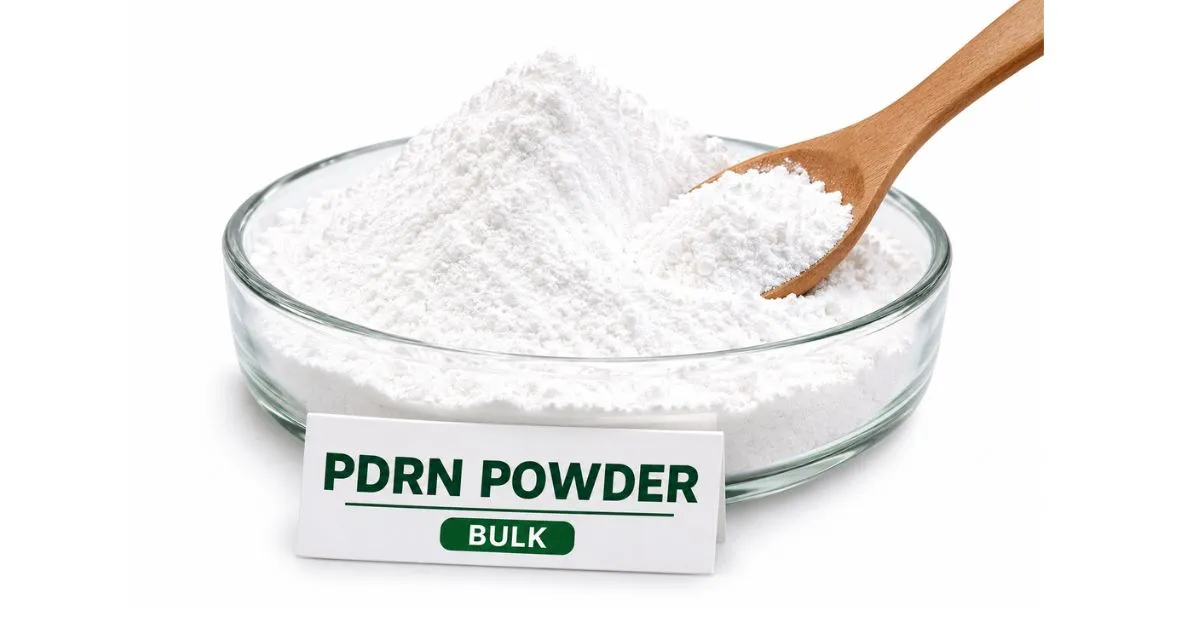
Understanding PDRN: Science, Benefits, and Mechanism
What Makes PDRN Biologically Active?
Polydeoxyribonucleotide is a combination of deoxyribonucleotide polymers, obtained mainly from the milt of the salmon Oncorhynchus keta. It has a regenerative capacity based on its function as an A2A adenosine receptor agonist, a mechanism that induces VEGF production, promotes cell proliferation and inhibits pro-inflammatory cytokines.
This very high genome similarity between Human DNA and salmon-derived PDRN explains the minimal immunogenicity profile of this substance in clinical scenario (>95% sequence similarity). A 2018 randomised controlled experiment published in Journal of Cosmetic Dermatology verified that intradermal PDRN injections effectively improved skin elasticity and dermal density after eight weeks without any side effects recorded . These data further confirm its status as a clinically proven activity, not a marketing promise.
Safety Profile and Usage Protocols
Adverse reactions to PDRN powder are rare and generally confined to injection-site erythema in mesotherapy applications. The main danger for topical cosmeceuticals is the potential of insufficient penetration because of uncalibrated molecular weight. The ideal pieces for residence in the intradermal region are about 1,000 kDa, although fragments in the 50–300 kDa range penetrate better through the stratum corneum. Optical density ratios (OD260/OD280) should be checked by buyers of both formats in the 1.8 to 2.0 range indicating good DNA purity and little protein contamination.
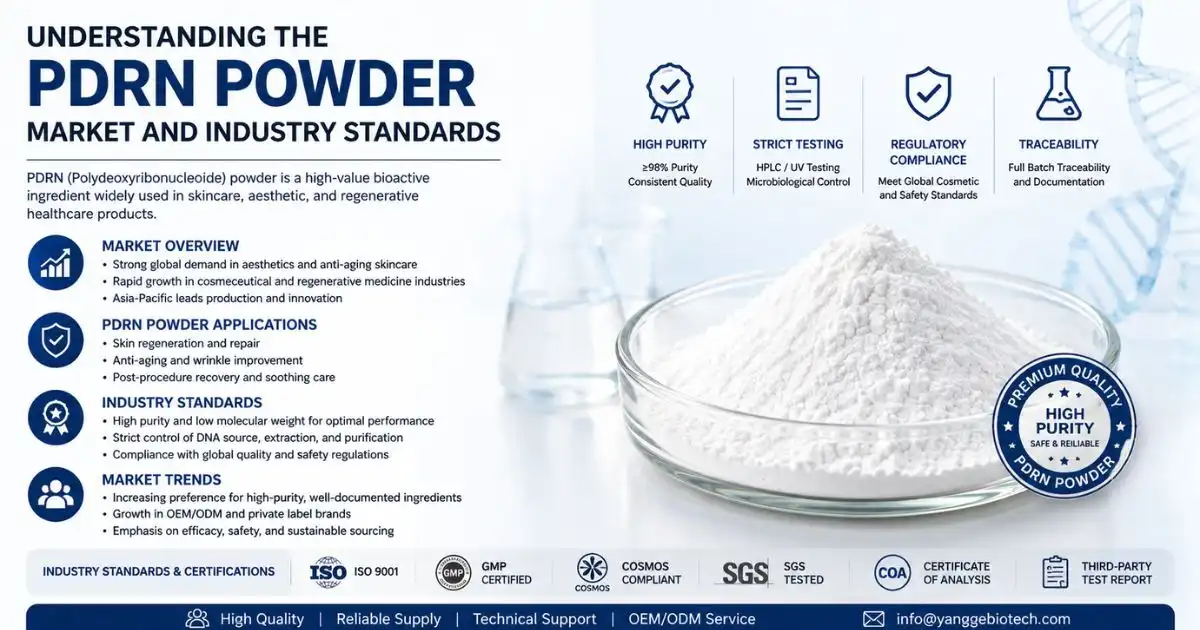
PDRN Powder VS PDRN Solution: Core Differences & Product Fit
The choice between formats is not merely logistical it is a formulation strategy decision. Below is a head-to-head comparison across the criteria that matter most to R&D directors and procurement managers.
| Criterion | PDRN Powder | PDRN Solution |
|---|---|---|
| Shelf Life | 24–36 months (sealed, dark, 15–25°C) | 12–18 months (2–8°C, refrigerated) |
| Formulation Flexibility | High — custom concentration | Low — fixed concentration |
| Logistics Stability | Excellent (no cold chain required) | Requires cold chain, fragile |
| Preservative Requirement | None when kept dry | Often required post-opening |
| MOQ Suitability | Ideal for OEM/ODM batches | Better for finished-product buyers |
| Endotoxin Risk | Controlled at manufacturing | Must verify per lot |
OEM and ODM pipelines prefer a powder formulation. The active stays dry until it is reconstituted, which means formulators have total control over the final concentration; this is vital whether you’re tweaking a skin booster to 2 mg/mL vs a wound-care gel at 0.5 mg/mL. Ready-to-use solutions simplify preparation processes for clinical settings but are inherently at danger of hydrolysis over time and need unbroken cold-chain logistics across international boundaries. The cost structure also differs in important ways. Powder is often more expensive per gram but has better unit economics at scale due of reduced packaging, refrigeration surcharges and waste rates. For procurement teams with yearly quantities of between $50,000 and $500,000, this disparity considerably impacts landing cost.
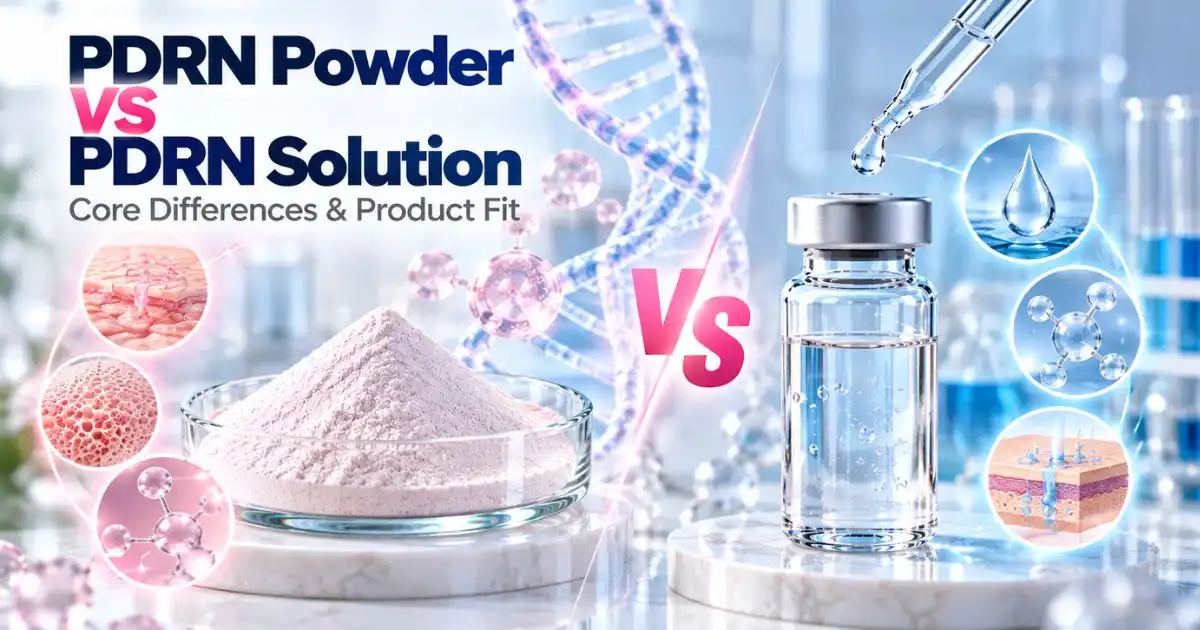
Market Comparison: PDRN and Alternative Regenerative Ingredients
Understanding PDRN powder's competitive position helps procurement clients justify formulation decisions internally and to regulatory teams. The table below positions PDRN against widely used regenerative and anti-aging ingredients.
| Ingredient | Primary Mechanism | Key Limitation | PDRN Synergy? |
|---|---|---|---|
| Hyaluronic Acid | Hydration, volumization | No cell-proliferation signal | Yes — combined skin boosters |
| Peptides (e.g., GHK-Cu) | Collagen stimulation | pH-sensitive, stability concerns | Yes — layered serums |
| Retinol | Keratinocyte turnover | Irritation at higher doses | Limited |
| PRP | Autologous growth factors | Batch variability, clinical workflow | Complementary |
| Stem Cell Conditioned Media | Paracrine signaling | Regulatory complexity, cost | Potential synergy |
PDRN is unique in filling a niche as a cellular repair agent at the receptor level and not as a structural filler or surface exfoliator. This mechanism makes it particularly compatible with hyaluronic acid in combination skin boosters, a formulation type that has been driving considerable expansion in the Korean and European medical aesthetics industry since 2020.
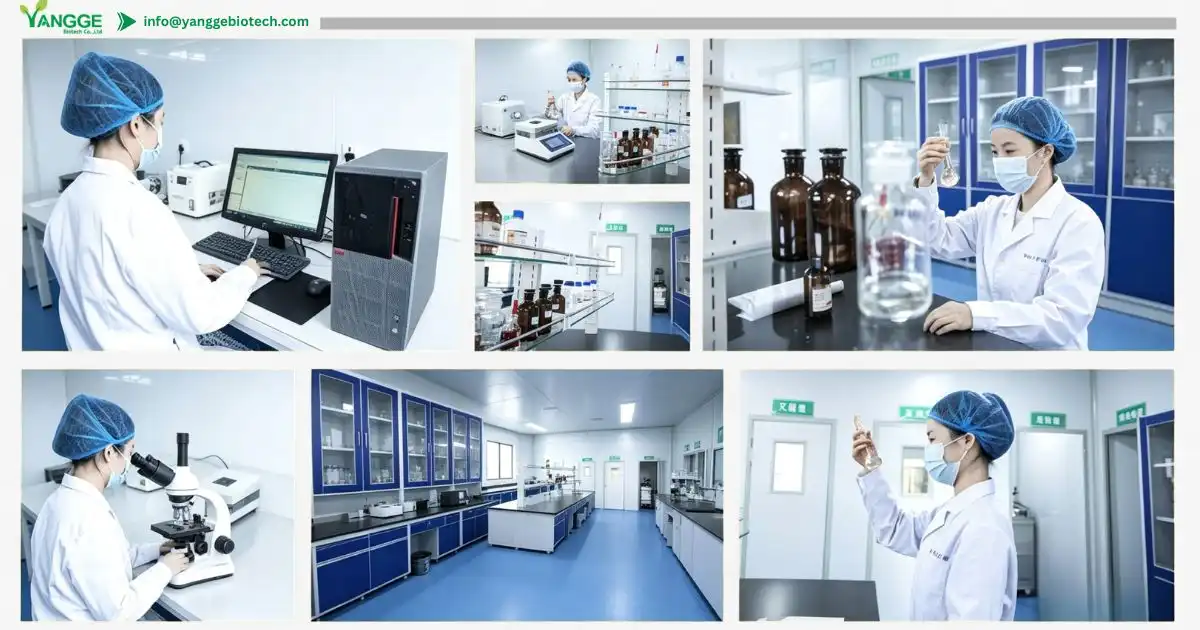
Procurement Guide: Sourcing High-Purity PDRN Raw Material
Sourcing pharmaceutical- or cosmetic-grade polydeoxyribonucleotide requires scrutiny beyond a supplier's self-reported specifications. Here are the non-negotiable verification checkpoints that experienced R&D directors apply before approving a new raw material:
- Purity documentation: Request HPLC and UV test reports confirming ≥99% assay. Yangge Biotech's PDRN is tested by both HPLC and UV methods, with a confirmed 99% assay and white powder appearance, meeting cosmetic-grade standards.
- Endotoxin and sterility data: For injectable applications, endotoxin levels must comply with USP or EP pharmacopeial limits. Always request batch-specific certificates of analysis.
- Source traceability: Confirm that salmon DNA is sourced from the milt not somatic tissue to ensure appropriate molecular weight distribution and ethical supply continuity.
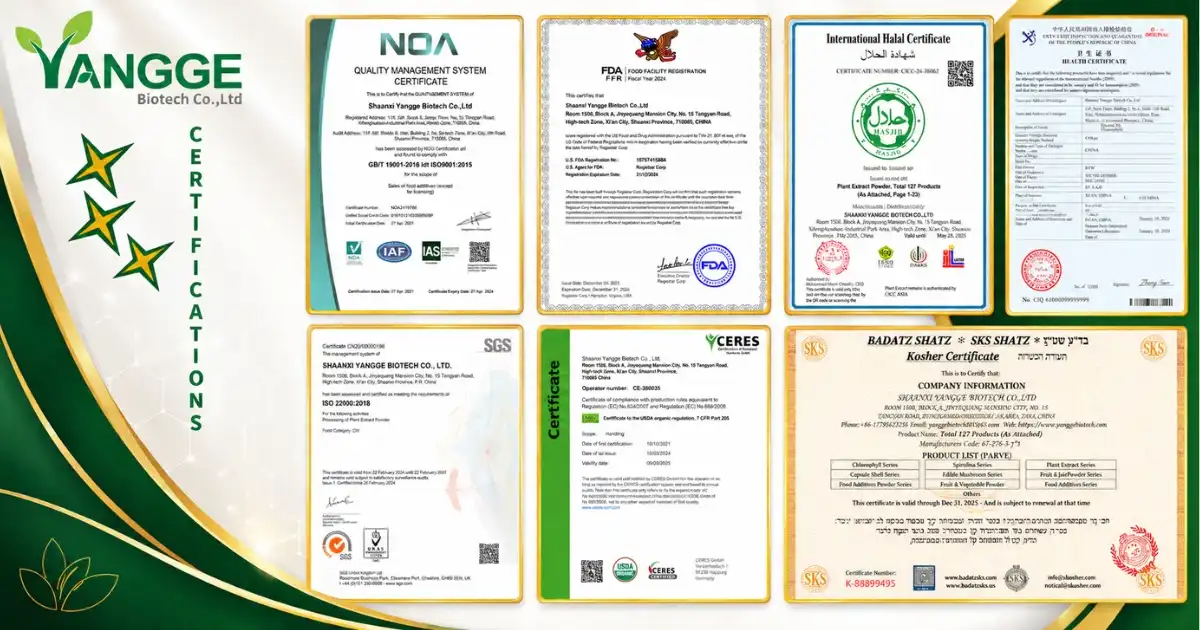
- Certifications: Yangge Biotech holds HACCP, ISO9001, ISO22000, and Kosher certifications. For injectable-grade applications, verify that your chosen supplier operates under cGMP or GMP conditions.
- OEM capability: Confirm minimum order quantities and packaging flexibility before committing. Yangge's minimum order is 1 kg, with OEM packaging available and a 1 g sample accessible for initial laboratory evaluation.
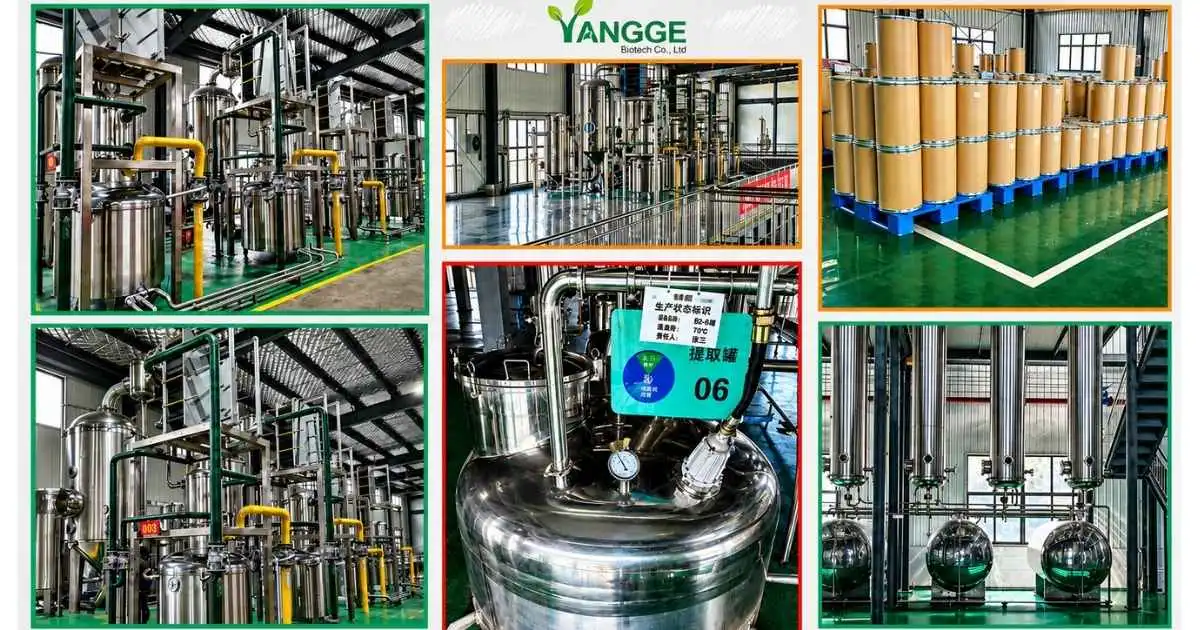
Once PDRN powder samples arrive, conduct independent retesting with a third-party laboratory. Yangge actively supports this process through cooperation with accredited external labs, reinforcing traceability from production to your formulation bench.
Practical Application Tips: Formulating With PDRN
Use of polydeoxyribonucleotide in a final product needs consideration to the pH, temperature, and compatibility with co-ingredients. Clinically, working concentrations are 0.5-2% w/v in topical serums and sheet masks. In published protocols for mesotherapy skin boosters, the most quoted range is 1.5–3 mg/mL in sterile saline or buffered isotonic solution.
PDRN powder is mildly soluble in water and insoluble in ethanol. Aqueous formulation bases are necessary. Dissolve the powder in filtered water or buffered saline at room temperature with moderate stirring. Avoid ultrasonic agitation, as this may shear DNA fragments and damage the integrity of the molecular weight distribution. “The thermal stability is a big advantage over peptide actives. Standard autoclave temperatures (121°C, 15–20 minutes) may be used to sterilise PDRN without considerable structural degradation, allowing for compatibility with terminal sterilisation operations for injectable products. Store unused powder in firmly closed light resistant container at 15-25°C. Under these circumstances shelf life is 24 months.
Conclusion
Choosing between PDRN powder and a pre-dissolved solution ultimately depends on your formulation architecture, regulatory pathway, and supply chain infrastructure. The powder format is more stable, flexible for formulation, and cost-effective for OEM and ODM operations, and is especially relevant to brands working on mesotherapy injectables, cosmeceutical serums and wound-care matrices. Solution templates are for situations when clinical speed and convenience take precedence over customisation. Whatever your pipeline structure, your product quality and regulatory position are safeguarded before procurement is protected by ensuring purity, traceability to source and certification integrity.
FAQ
Q1: Can PDRN powder be converted into an injectable-grade solution in-house?
A: Yes, but this requires a sterile manufacturing environment compliant with GMP or ISO 13485 standards. The powder must be dissolved in sterile, pyrogen-free saline, then sterile-filtered (0.22 μm) or terminally autoclaved. Endotoxin testing of the final solution is mandatory before any clinical use.
Q2: How do storage requirements differ between powder and solution formats?
A: Powder is stable at 15–25°C in a sealed, light-protected container for up to 24 months. Reconstituted solutions must be refrigerated at 2–8°C and used promptly—typically within 24–72 hours—to prevent microbial growth and hydrolytic degradation.
Q3: What certifications should I require when sourcing cosmetic-grade PDRN?
A: At minimum, request ISO9001, HACCP, and a valid certificate of analysis with HPLC-confirmed purity. For injectable product development, GMP or cGMP certification is essential. Yangge Biotech holds HACCP, ISO9001, ISO22000, and Kosher certifications, providing a credible baseline for global regulatory submissions.
Q4: Is there an allergy risk associated with salmon-derived PDRN?
A: Clinically documented hypersensitivity reactions are rare, but known fish-derived DNA allergy is a contraindication. For topical applications, the risk is lower than for injectables. Always disclose source material in your ingredient documentation.
Partner With Yangge Biotech Your Trusted PDRN Powder Supplier
Yangge Biotech supplies cosmetic-grade PDRN powder at 99% purity, tested by HPLC/UV, with HACCP, ISO9001, ISO22000, and Kosher certifications. With OEM packaging, a 1 g sample program, and a 1 kg minimum order, we support your development pipeline from bench to commercial scale. Reach our team directly at info@yanggebiotech.com to request a sample or discuss your formulation needs.
References
1. Cavallini, M. et al. "Polydeoxyribonucleotide (PDRN) in aesthetic medicine: clinical evidence and mechanisms." Journal of Cosmetic Dermatology, 2018.
2. Guizzardi, S. et al. "PDRN stimulates VEGF and collagen synthesis via A2A adenosine receptor activation." International Journal of Immunopathology and Pharmacology, 2010.
3. Galeano, M. et al. "Polydeoxyribonucleotide stimulates angiogenesis and wound repair in diabetic rats." Surgery, 2008.
4. Lee, S.H. et al. "Comparative efficacy of PDRN intradermal injections versus placebo in photoaged skin: a randomized controlled trial." Dermatologic Surgery, 2020.
5. Bitto, A. et al. "Polydeoxyribonucleotide reduces cytokine production and the severity of collagen-induced arthritis." Mediators of Inflammation, 2011.
6. Romanelli, M. et al. "Polydeoxyribonucleotide (PDRN) treatment in chronic wound healing: clinical outcomes and biological rationale." Advances in Wound Care, 2021.

Based on your location and order quantity, you will have the opportunity to receive a limited time free shipping promotion!
Who we are
Popular Blogs