Is lycopene healthy
What is Lycopene Powder?
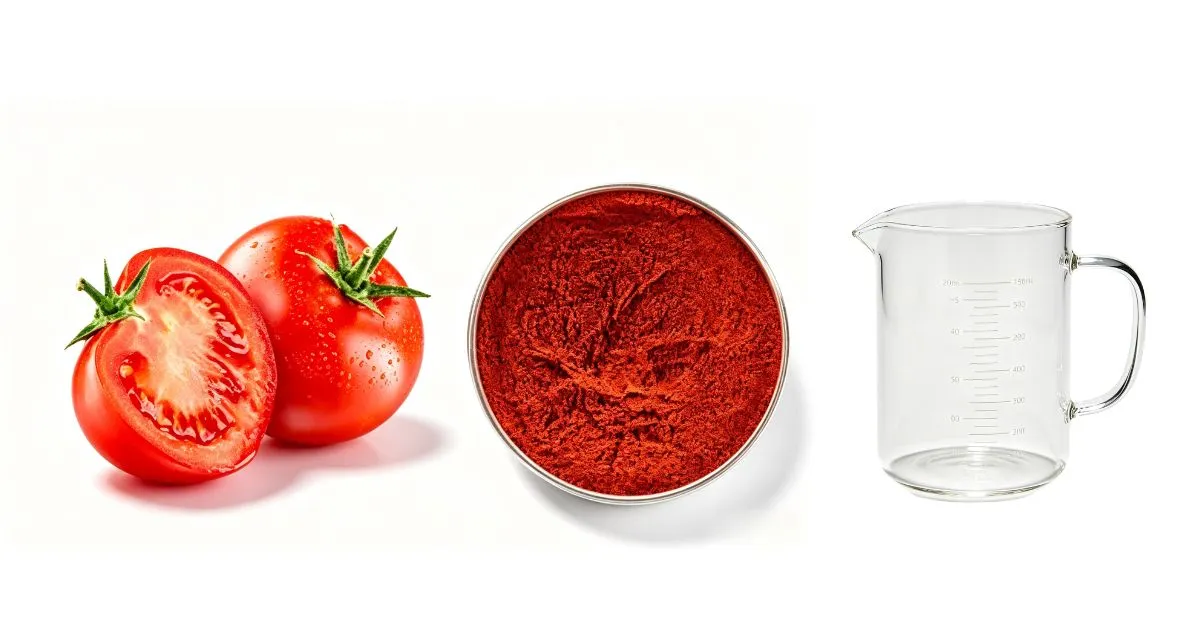
Lycopene powder is a natural carotenoid pigment primarily extracted from ripe tomatoes and other red fruits such as watermelon, pink grapefruit, and guava. Known for its vibrant red color and potent antioxidant properties, lycopene is widely used in dietary supplements, functional foods, beverages, cosmetics, and nutraceutical formulations.
Unlike beta-carotene, lycopene does not convert into vitamin A. Instead, it is valued for its ability to neutralize free radicals, helping protect cells from oxidative stress and supporting overall health. Due to its stability and high bioavailability, lycopene powder has become a popular ingredient in premium wellness products.
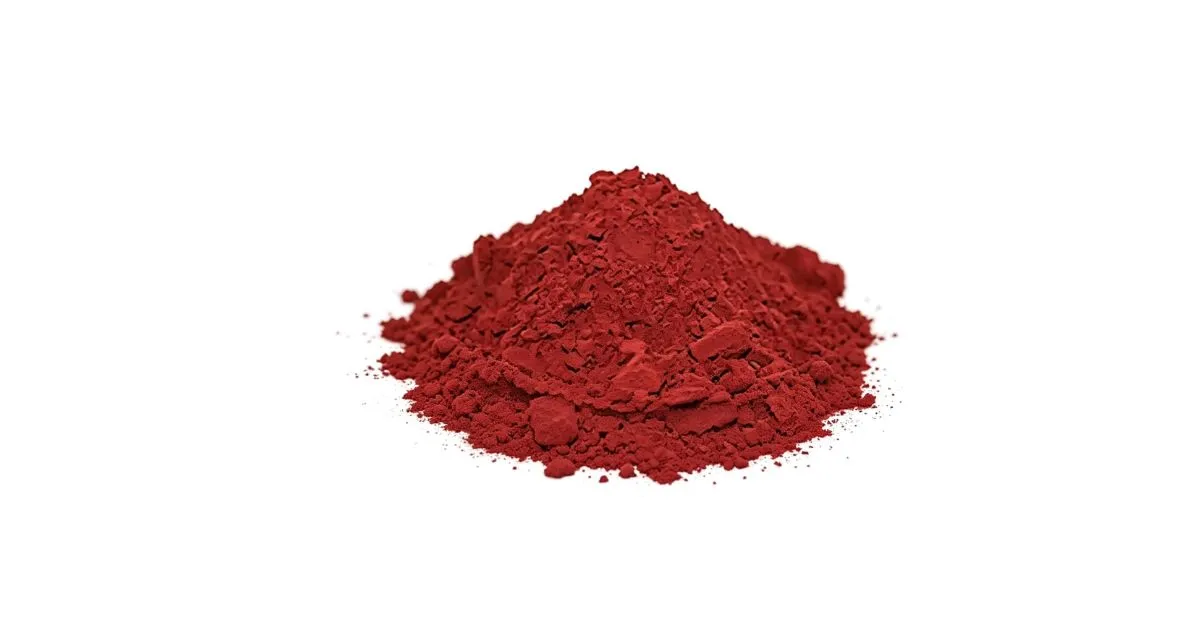
Main Functions of Lycopene Powder
Lycopene powder provides several important health-supporting functions:
Powerful antioxidant protection against free radical damage.
Supports cardiovascular health by promoting healthy blood vessels.
Helps maintain healthy skin by protecting against UV-induced oxidative stress.
Supports prostate health, particularly in men's wellness formulations.
Contributes to healthy immune system function.
Helps reduce oxidative stress associated with aging.
Supports eye health alongside other carotenoids.
Promotes overall cellular protection.
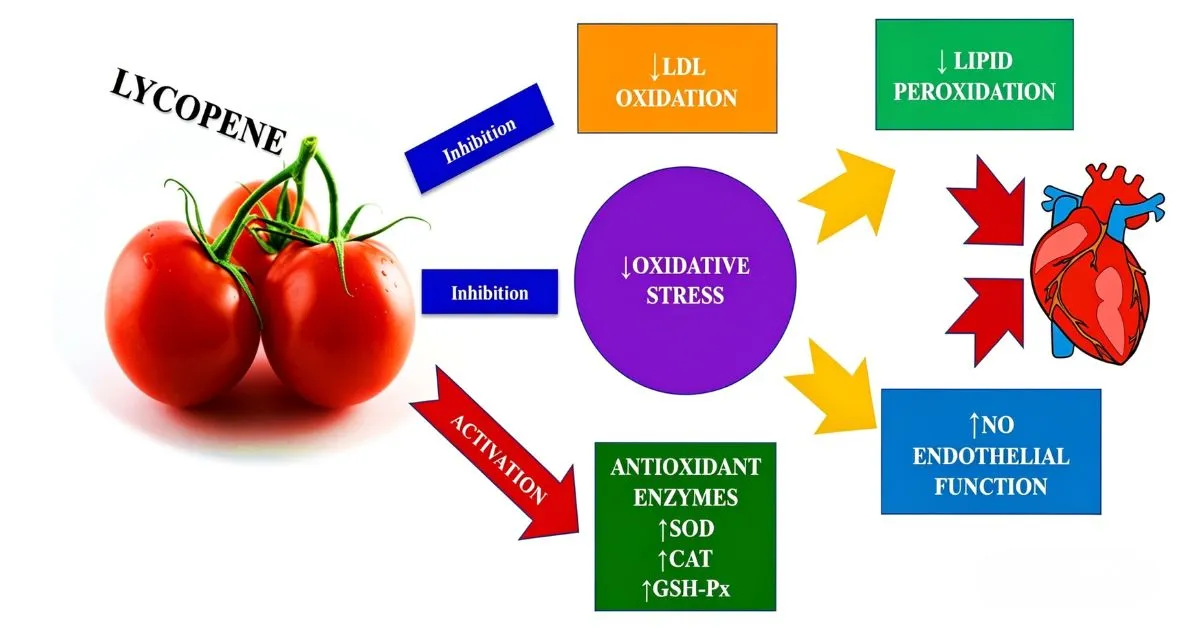
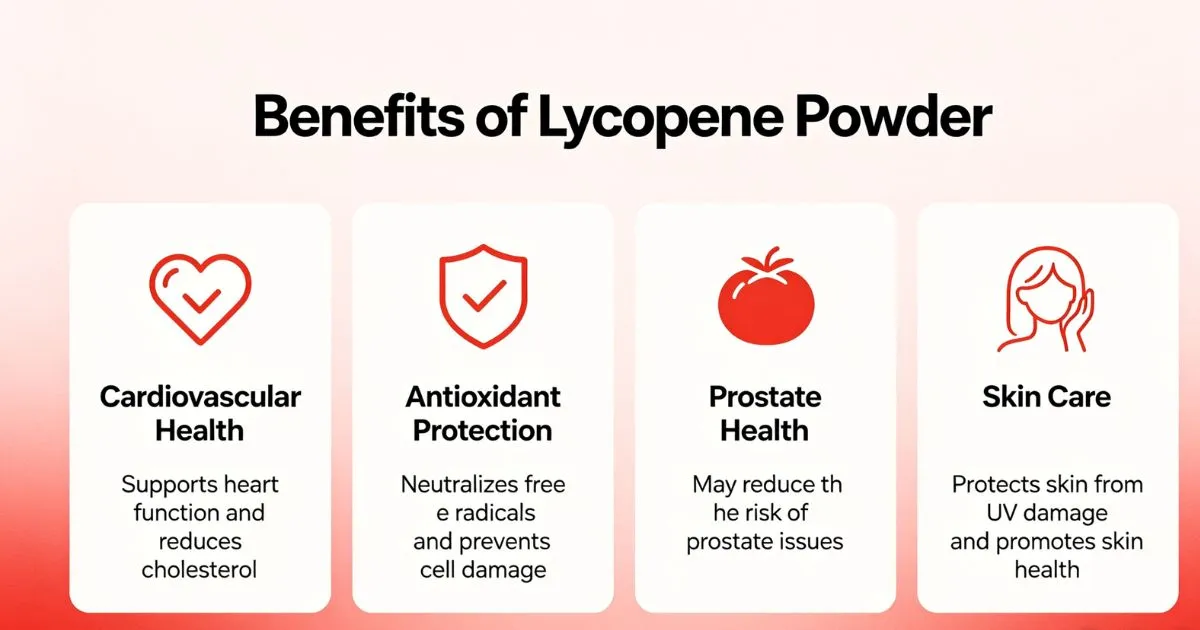
Benefits of Lycopene Powder
1. Powerful Antioxidant Activity
Lycopene is considered one of the strongest naturally occurring antioxidants. It helps neutralize reactive oxygen species (ROS), reducing oxidative damage to cells.
Benefits include:
Reduced oxidative stress
Cellular protection
Healthy aging support
2. Supports Heart Health
Numerous studies suggest lycopene may help maintain cardiovascular wellness by supporting healthy cholesterol metabolism and vascular function.
Potential benefits include:
Supports healthy circulation
Promotes normal blood pressure already within a healthy range
Helps protect blood vessels from oxidative damage
3 Promotes Healthy Skin
Lycopene helps defend skin cells against environmental stressors such as UV radiation and pollution.
Skin benefits include:
Supports skin elasticity
Helps reduce oxidative skin damage
Promotes a healthy complexion
Supports anti-aging formulations
4. Supports Prostate Health
Lycopene is widely included in men's health supplements because of its association with maintaining normal prostate function.
It is commonly formulated with:
Saw Palmetto
Pumpkin Seed Extract
Zinc
Selenium
5. Enhances Immune Function
Its antioxidant effects help support the body's natural immune defenses by reducing oxidative stress.
6. Healthy Aging Support
As oxidative damage accumulates with age, lycopene supplementation may help support healthy aging by protecting cells and tissues.
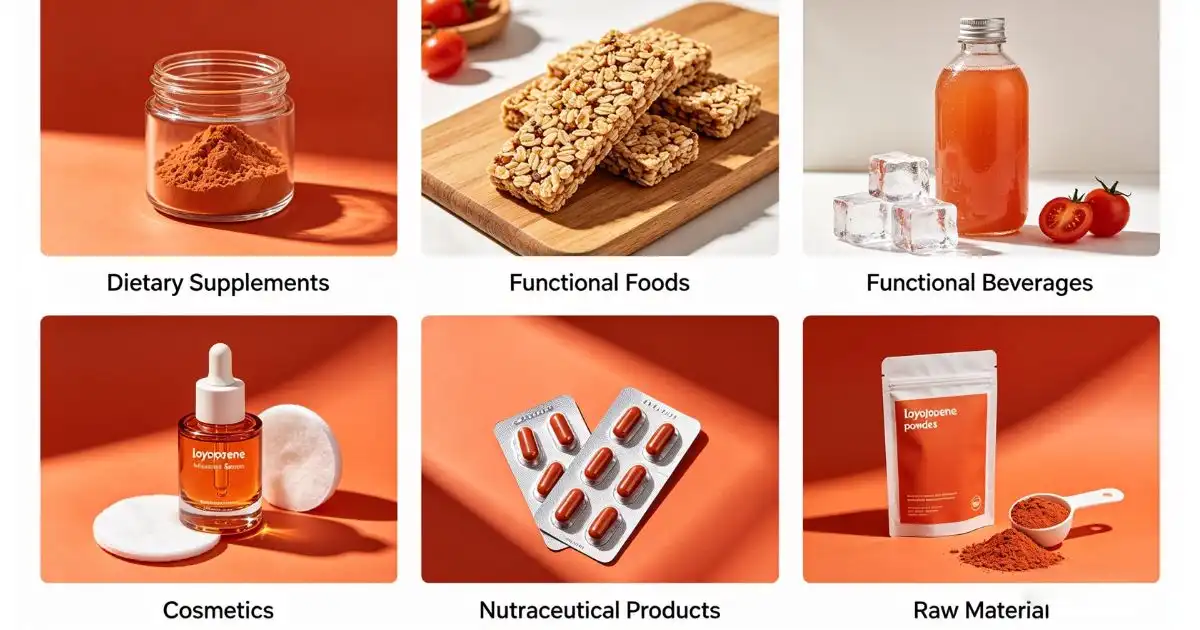
Applications of Lycopene Powder
Lycopene powder is widely used in multiple industries.
Dietary Supplements
Capsules
Tablets
Softgels
Powder blends
Sachets
Functional Foods
Nutrition bars
Protein powders
Fortified cereals
Dairy products
Functional Beverages
Health drinks
Juice blends
Sports nutrition beverages
Meal replacement drinks
Cosmetics
Anti-aging creams
Facial serums
Beauty supplements
Skin nutrition products
Nutraceutical Products
Heart health formulas
Men's wellness supplements
Antioxidant blends
Healthy aging formulations
Product Specifications
Lycopene Powder is a premium-quality natural carotenoid extracted from ripe tomatoes and standardized to deliver consistent lycopene content for dietary supplements, functional foods, and nutraceutical applications. Manufactured under strict quality control standards, it features a fine red to dark red powder with excellent stability and is available in multiple assay grades to meet various formulation requirements. Each batch is tested using HPLC to ensure purity, potency, and consistency. With a shelf life of up to 24 months when stored in a cool, dry place away from direct sunlight, Lycopene Powder is an ideal ingredient for capsules, tablets, softgels, beverages, and customized OEM formulations.
|
Item |
Specification |
|
Product Name |
Lycopene Powder |
|
Source |
Tomato Extract |
|
Active Ingredient |
Lycopene |
|
Assay |
5%, 6%, 10%, 20% (customizable) |
|
Test Method |
HPLC |
|
Appearance |
Red to dark red powder |
|
Solubility |
Water-dispersible or oil-soluble grades available |
|
Moisture |
≤5% |
|
Shelf Life |
24 Months |
|
Storage |
Store in a cool, dry place away from direct sunlight |
Formulation Suggestions
Lycopene powder works well with complementary ingredients, including:
Heart Health Formula
Lycopene
Coenzyme Q10
Omega-3
Vitamin E
Men's Health Formula
Lycopene
Saw Palmetto
Zinc
Selenium
Skin Beauty Formula
Lycopene
Collagen Peptides
Vitamin C
Hyaluronic Acid
Astaxanthin
Antioxidant Blend
Lycopene
Lutein
Zeaxanthin
Grape Seed Extract
Vitamin C
OEM & Private Label Services
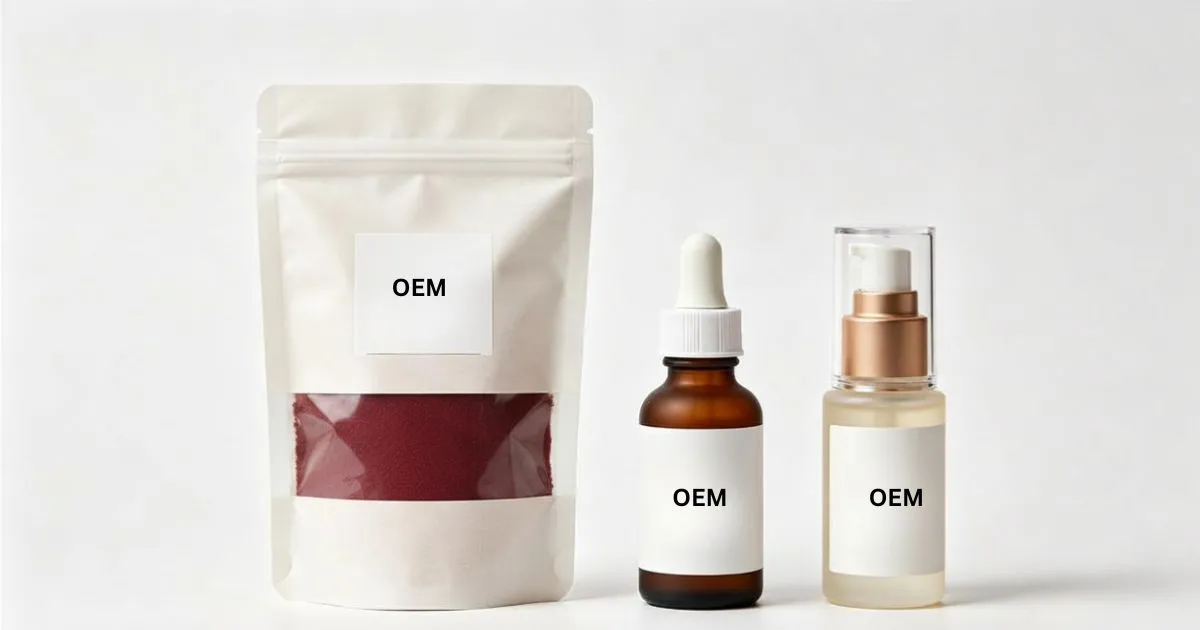
For businesses looking to launch their own lycopene supplement products, professional OEM and private label manufacturing services can help streamline production.
OEM services typically include:
Custom formulation development
Raw material sourcing
Capsule, tablet, softgel, and powder manufacturing
Flavor customization
Packaging design
Private label branding
Regulatory documentation support
Global export assistance
These services enable brands to bring high-quality lycopene products to market efficiently while maintaining consistent quality standards.
Why Choose Yangge Biotech for Lycopene Powder?
Yangge Biotech is a trusted supplier of high-quality botanical extracts and nutraceutical ingredients, offering premium lycopene powder manufactured under strict quality control standards.
Advantages include:
Premium tomato-derived lycopene
High-purity standardized extracts
HPLC-tested quality
GMP and ISO manufacturing standards
OEM and private label services
Customized formulations and packaging
Stable global supply chain
Competitive wholesale pricing
Technical documentation and quality certifications available
Conclusion
Lycopene powder is a premium natural antioxidant ingredient valued for its support of cardiovascular health, skin wellness, prostate health, immune function, and healthy aging. Its excellent versatility makes it suitable for dietary supplements, functional foods, beverages, and cosmetic applications. By partnering with a reliable manufacturer such as Yangge Biotech, brands can develop high-quality lycopene products tailored to their market needs through comprehensive OEM and private label solutions.
Partner with a Trusted Lycopene Supplier for Your Formulation Needs
For the global health supplement, functional food, and skincare businesses, Yangge Biotech specializes in premium-grade Lycopene made to strict international standards. Our Blakeslea trispora-based product is very stable from batch to batch across a wide range of specifications, such as stable beadlet shapes and powder amounts from 5% to 96%. Also, it is made according to ISO, HACCP, Kosher, and Halal rules and is certified to be free of GMOs and allergens. We know that people who work in buying need more than just good ingredients. To stick to your production plans, you need expert help quickly, clear tracking, and reliable supply lines.
Because we work with sustainable farmers, you can be sure that our goods come right from the farm to your table. Our research and development team can also help you come up with the best recipes for your needs. We have the accepted raw materials and technical know-how that your projects need, whether they're making useful drinks, skin care items that fight aging, or heart-healthy vitamins. We let you choose the size of your order starting at 1 kg, and we'll send you free 20g samples to try out your ideas. All of this comes with all the paperwork you need, like COAs and data on steadiness.
Connect with our team at info@yanggebiotech.com to discuss your Lycopene requirements. Discover how partnering with a Lycopene maker known for quality, sustainability, and new ideas can help you make your goods more appealing and make you more competitive in markets around the world.
FAQ
Q: Can we get some samples to test before purchasing?
A: Of course, we can provide free samples of 20 to 100 grams, but the shipping cost is at the customer's expense. The shipping cost can be deducted from the next order, or the samples can be sent through your courier account.
Q: Do your products have relevant certifications?
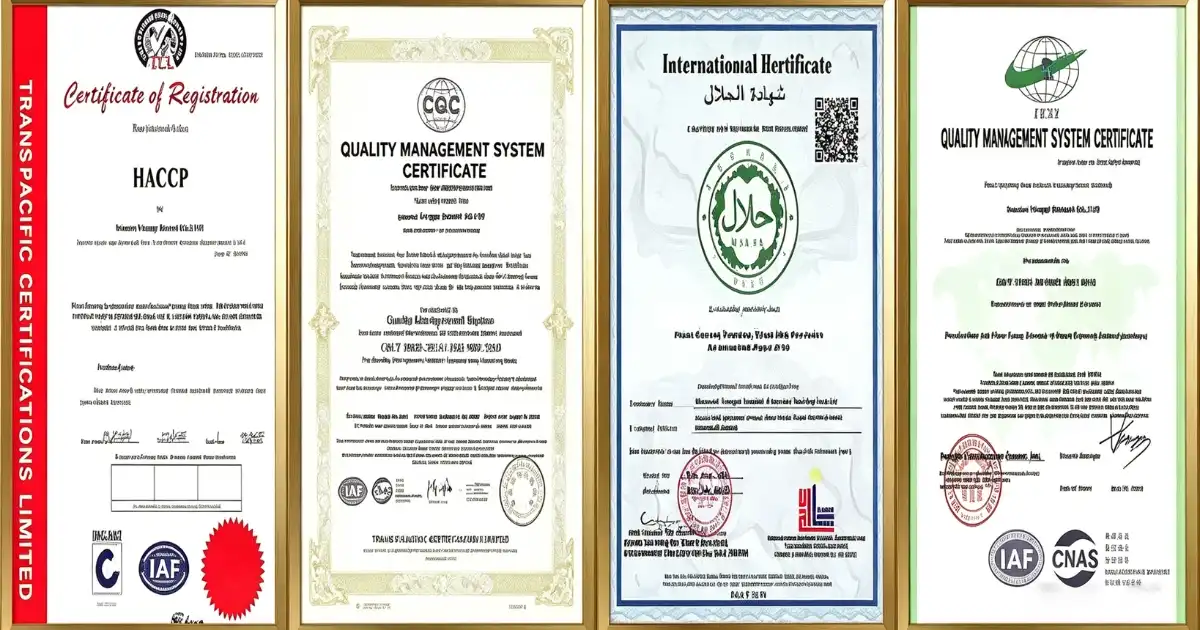
A: Yes, our products are certified for HALAL, ISO, HACCP, Kosher, and other certifications.
Q: What is the minimum order quantity (MOQ)?
A: Small batches of samples can be customized according to your requirements.
Q: Do you offer OEM and ODM services? Can the formula be customized based on our own?
A: Of course, we provide ODM and OEM services to many customers. Our product range includes softgels, capsules, tablets, sachets, granules, and private label services. Simply contact us and let us know your requirements. Our experienced R&D team can also develop new products with specific formulas.
Please contact us to design your own branded products.
Q: How do you handle quality complaints?
A: First, we have a comprehensive quality control SOP. We provide authoritative third-party inspection reports for almost all products before shipment to minimize the possibility of quality issues. Second, we have a comprehensive return and exchange procedure. If there is a genuine quality dispute, we will strictly follow the SOP.
Q: How do you ship? How long does delivery take?
A: For small orders, we typically use DHL, UPS, EMS, FedEx, or TNT. Delivery typically takes 3-7 days. We also offer air and sea freight services. We have a strong freight forwarding team and can provide you with a one-stop service, including DDP and DDU.
Q: What are your payment terms?
A: 100% prepayment, payable by T/T, Western Union, MoneyGram, or PayPal.
Q: What is the shelf life of your products?
A: 2 years with proper storage.
References
1. Story, E.N., Kopec, R.E., Schwartz, S.J., and Harris, G.K. (2010). An Update on the Health Effects of Tomato Lycopene. Annual Review of Food Science and Technology, 1, 189-210.
2. Mackinnon, E.S., Rao, A.V., and Rao, L.G. (2011). Dietary Supplementation with Lycopene Suppresses Oxidative Stress and Bone Resorption Markers in Postmenopausal Women. Osteoporosis International, 22(4), 1091-1101.
3. Crowe, K.M. and Francis, C. (2013). Position of the Academy of Nutrition and Dietetics: Functional Foods. Journal of the Academy of Nutrition and Dietetics, 113(8), 1096-1103.
4. Giovannucci, E., Rimm, E.B., Liu, Y., Stampfer, M.J., and Willett, W.C. (2002). A Prospective Study of Tomato Products, Lycopene, and Prostate Cancer Risk. Journal of the National Cancer Institute, 94(5), 391-398.
5. Chen, J., Song, Y., and Zhang, L. (2013). Lycopene/Tomato Consumption and the Risk of Prostate Cancer: A Systematic Review and Meta-Analysis of Prospective Studies. Journal of Nutritional Science and Vitaminology, 59(3), 213-223.
6. Stahl, W. and Sies, H. (2012). β-Carotene and Other Carotenoids in Protection from Sunlight. American Journal of Clinical Nutrition, 96(5), 1179S-1184S.

Based on your location and order quantity, you will have the opportunity to receive a limited time free shipping promotion!
Who we are
Popular Blogs