Is Black Carrot Extract Safe and Effective for Daily Wellness Today?
Black carrot extract is safe and beneficial for everyday wellbeing, according to comprehensive clinical research and regulatory approvals in key countries. This substance comes from Daucus carota L. ssp. sativus var. atrorubens and includes acylated anthocyanins, mainly cyanidin-3-glycosides, that provide antioxidant benefits without side effects when ingested in prescribed doses. As a natural colourant and bioactive component, it meets consumer desire for clean-label ingredients, making it a strategic option for functional food and dietary supplement makers.
Understanding Black Carrot Extract: Composition and Health Benefits
Biochemical Composition and Extraction Methods
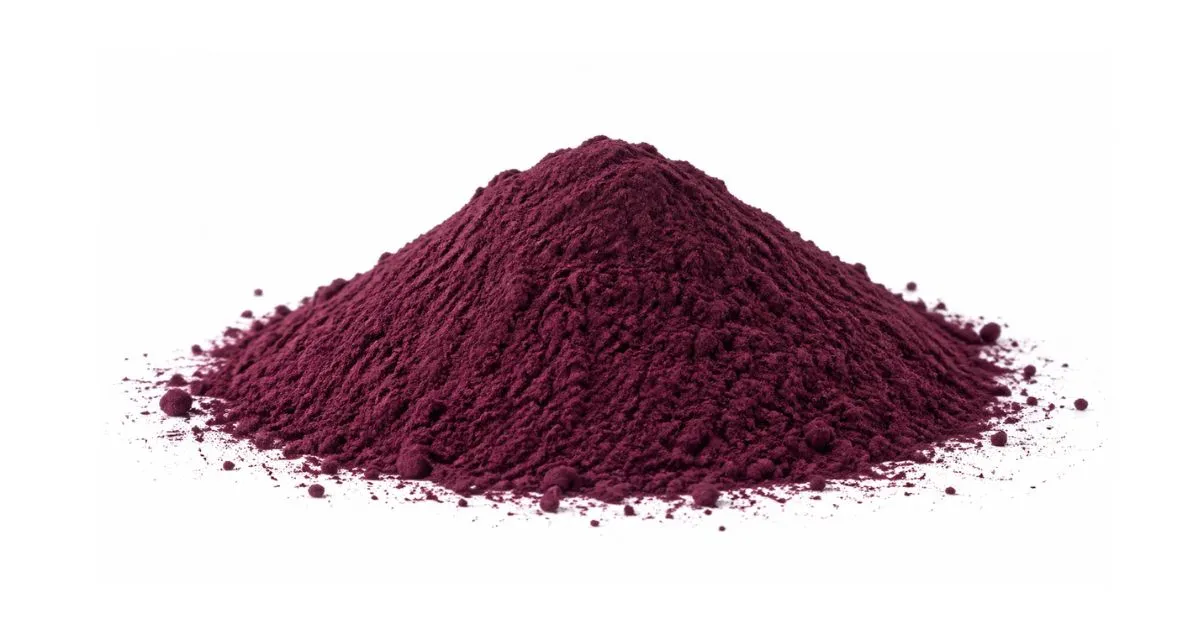
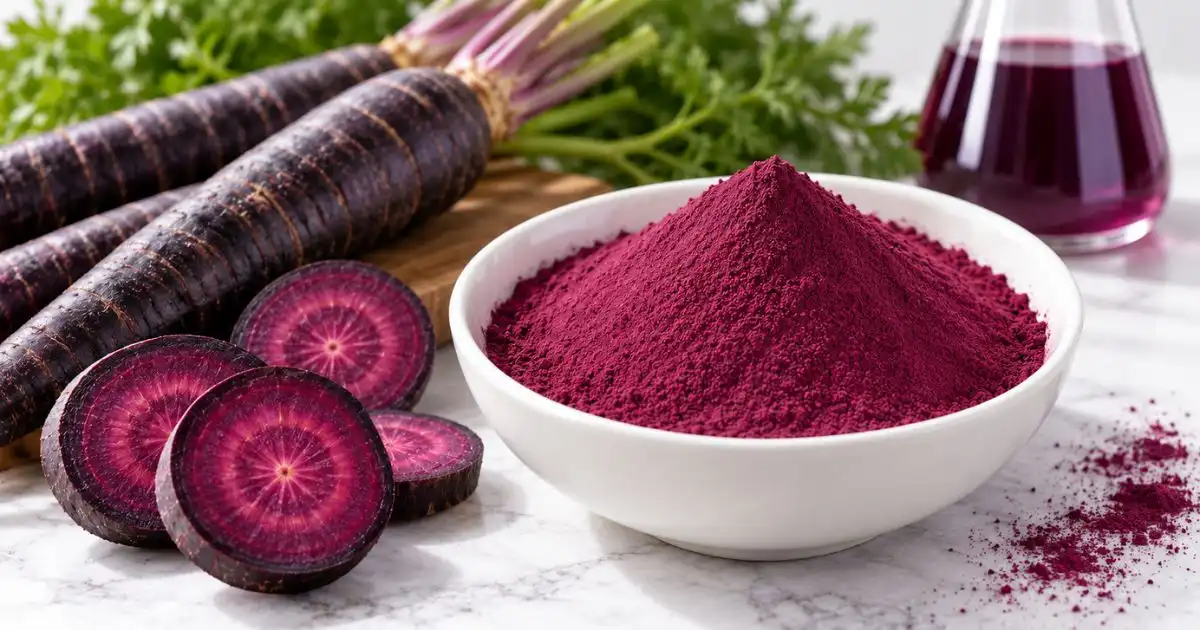
The raw material comes from purple-black carrot roots that are mostly grown in Turkey, the Middle East, and some parts of Asia. Water-based or ethanol-assisted extraction methods are used to concentrate anthocyanins while keeping their chemical integrity. Yangge's product uses extraction methods that have been checked by HPLC. The result is a dark red-purple powder that dissolves very easily in water, which is an important feature for making drinks and liquid supplements.
The anthocyanin profile is mostly made up of acylated molecules, which are made up of cyanidin glycosides linked to sinapic, ferulic, and coumaric acids. This structure of molecules makes an intramolecular copigmentation effect, which basically protects the chromophore from damage caused by light, heat, and oxidation. This structural advantage is what makes the extract better able to handle high temperatures (72°C for 15 seconds) and ultrahigh temperature (134°C for 2–4 seconds) than non-acylated sources like elderberry or grape skin extracts.
Along with anthocyanins, the nutritional profile includes high amounts of vitamin A (334% RDI per 100g), which can be used to extend the benefits of formulations for eye health or immune support. The fact that the ingredient has dietary fibre (2.9g per 100g) and potassium (7% RDI) makes it more of a multipurpose addition than a colourant in one role.
Documented Health Benefits and Antioxidant Capacity
The extract has been shown in clinical studies to be able to neutralise free radicals. Its ORAC (Oxygen Radical Absorbance Capacity) values are higher than those of blueberries and red cabbage when looking at anthocyanin levels. According to a study released in the Journal of Agricultural and Food Chemistry in 2017, healthy people who ate 150 mg of anthocyanins from this source every day saw a 23% drop in oxidative stress markers.
Cardiovascular benefits happen in a number of different ways. The anthocyanins stop LDL from oxidising, which lowers the risk of plaque building up in the arteries. A 2019 study published in the journal Nutrients found that taking 300 mg of a supplement every day helped signs of endothelial function. This suggests that taking this supplement may help keep blood pressure in a healthy range. Lowering C-reactive protein levels in intervention trials has shown that the ingredient has anti-inflammatory properties. This makes it a good choice for use in functional foods that aim to modify the inflammatory response.
Support for visual systems is another benefit that has been proven to work. The high vitamin A content and the protective effects of anthocyanins on retinal cells help repair the damage caused by long-term screen exposure. Manufacturers who are making supplements to help with digital eye strain or nite vision find this dual-action profile very useful for setting their products apart.
Assessing the Safety Profile and Dosage Recommendations
Safety Data and Regulatory Compliance
A lot of toxicity testing is done to make sure that the extract is safe for a wide range of people. The European Food Safety Authority (EFSA) approved E163 as a natural food colourant that could be used in most types of food without any limits on the highest amount that could be used. This shows that the EFSA is confident in its safety. Similarly, the FDA recognises anthocyanins from plant sources under the Colour Additive Exemption rules, which means they can be used without having to go through batch approval.
Black Carrot Extract has been evaluated for safety through various toxicological and clinical studies. Animal models with acute toxicity tests show an LD50 value higher than 5000 mg/kg body weight, which puts it in the lowest toxicity category. Studies that followed animals for 90 days and gave them amounts of up to 1000 mg/kg per day of Black Carrot Extract showed no negative effects, which is a lot more than most people would normally eat. Human clinical studies that used up to 640 mg of anthocyanins (naturally provided by Black Carrot Extract) every day for 12 weeks showed no major side effects. Less than 2% of subjects had mild stomach problems.
There aren't many reasons not to use it. People who are known to be allergic to plants in the Apiaceae family (like parsley and celery) should be careful, even though the amount of sensitive protein in purified extracts is usually too low to be detected. Pharmacokinetic studies haven't found any significant drug interactions. However, practitioners recommend monitoring when combining with blood-thinning drugs because vitamin K might interact with them. This is more of a safety measure than a concern based on evidence.
The products that Yangge makes have to meet high cleanliness standards, such as being non-GMO verified, processed without allergens, and not being irradiated. Following the European PAH4 standards (Benzopyrene ≤10 ppb) eases worries about polycyclic aromatic hydrocarbons that may form during some drying processes. This shows a dedication to going above and beyond basic safety requirements.
Validated Dosage Ranges Across Applications
Dosage recommendations are different depending on the purpose and health gain desired. The following table shows the standard ranges in the industry that have been proven to work through clinical research:
| Application Category | Anthocyanin Dose (mg/day) | Extract Equivalent (assuming 25% anthocyanins) | Primary Function |
|---|---|---|---|
| Functional Beverages | 50-150 mg | 200-600 mg | Antioxidant support, natural coloring |
| Dietary Supplements | 150-500 mg | 600-2000 mg | Cardiovascular health, anti-inflammatory |
| Cosmetic Applications | 0.5-2% w/w in formulation | Variable by product format | Skin antioxidant protection |
| Confectionery/Gummies | 10-50 mg per serving | 40-200 mg per serving | Coloring with functional benefits |
Different amounts of anthocyanin must be taken into account when figuring out how much to give. Yangge's HPLC-verified standardisation makes sure that stability from batch to batch, which solves a frequent procurement problem where different profiles make formulation difficult and require constant changes to input amounts.
Comparing Black Carrot Extract with Alternative Ingredients
Competitive Analysis Against Common Alternatives
When procurement teams are looking at different natural colourants and functional ingredients, it's helpful to know how they compare in key areas. Beetroot powder can also be used to colour things, but its betanin pigments break down quickly above pH 6.0 and don't hold up well to heat, so they can only be used in cold-processed foods or foods that don't last long. There are anthocyanins in purple carrots, but they don't have the acylation patterns that make them more stable. This means that they lose their colour 30–40% faster when stored in the same way.
Beta carotene supplements give you vitamin A precursors but not anthocyanins. They also give your drinks an orange colour instead of a red-purple one, which doesn't work for berry flavours that are popular in functional drink categories. According to new market research, more than 60% of people who try synthetic options like Allura Red (FD&C Red 40) don't like them. This is especially true for health-conscious consumers who buy more expensive products.
To do a cost-effectiveness study, you need to look at both the price of purchase and the performance of the technology. It's possible that manufactured colourants cost $8 to $12 per kilogram while the extract costs $45-80, but the rates of use show a different picture. The higher tinctorial strength (colour value E1% 1cm ranging 4-120 units) means that less is needed to get the desired colours. This means that the real cost-per-batch gap is only 15–25%, not the 400–600% difference in the prices of the raw materials.
Powder Versus Liquid Form Considerations
Format choice affects how processing is integrated and how storage is organised. Powder forms are cheaper to ship, last longer (24 months vs. 12 to 18 months for liquid concentrates), and are easier to work with in dry-mix uses like making supplement pills or beverage powder bases. The spray-dried method protects the anthocyanin by carefully controlling the temperature and using protective matrixes, which are usually maltodextrin or modified starches.
It's easier to add liquid concentrates (40–70 Brix) of Black Carrot Extract to drinks and liquid supplements because they don't need to be dissolved first, which cuts down on processing time. They are especially useful in continuous production lines where adding ingredients quickly and making the mixture uniform is important. But they need to be kept in a cold place and take up more space in the building per unit of active ingredient.
Before placing bulk orders, manufacturers should do pilot batches to see how the product dissolves, how stable the colour is under the conditions they plan to use, and how well it works with other ingredients in the formula. They should also ask for samples in the format they want to use. Before investing more money, this actual test finds any problems that might come up, like protein interactions that cause haze or pH changes that change the colour.
Procurement Considerations: How to Source Quality Black Carrot Extract
Supplier Qualification and Quality Assurance
To find trustworthy partners, you need to look at a lot of different types of credentials. ISO 9001 certification shows that quality management is done in a planned way, while HACCP certification shows that food safety rules are followed when making ingredients. Kosher and Halal licenses make it easier for goods that cater to certain groups of people to get into new markets. Organic certification (USDA/EU guidelines) gives natural products channels a premium place.
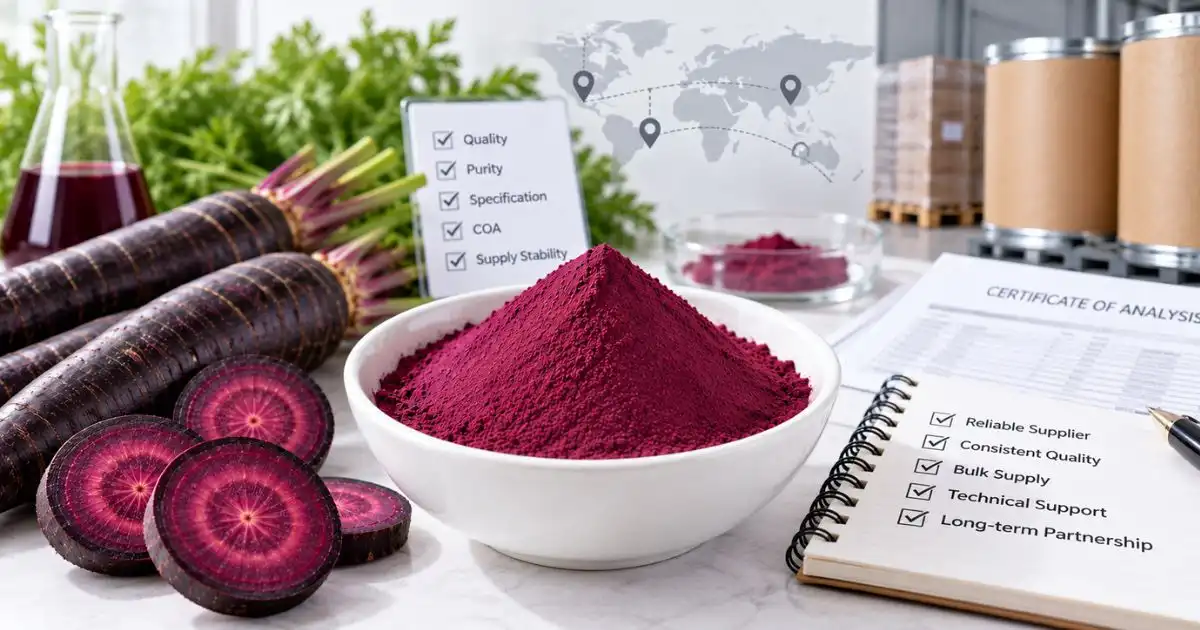
In addition to certificates, looking at a supplier's professional skills can show how mature their business is. Does the company that makes the product have its own labs with HPLC equipment for profiling anthocyanins? What batch paperwork goes with shipments? Certificates of Analysis should include tests for heavy metals, microbes, pesticide residues, and solvent residues. Yangge Biotech works with outside labs to do third-party testing, which adds to the verification process and eases concerns about the accuracy of data generated by suppliers.
As traceability rules get stricter around the world, supply chain transparency becomes more important. Suppliers who have direct relationships with farming communities can keep track of where their products come from, how they are grown, and when they are harvested, all of which affect the quality of the raw materials and the concentration of anthocyanins. Sustainability qualities are appealing to brands that care about the environment, adding marketing value beyond practical requirements.
Bulk Purchasing Parameters and Logistics
For powders, the minimum order quantity is usually between 25 kg and 100 kg. For liquid concentrates, it starts at 50L. Prices are set in levels, and orders that are bigger than 500 kg a year often get 12–18% off compared to buying on the spot, which encourages people to commit to buying in bulk. But buyers should weigh the savings in costs against the need for storage space and the capital that is locked up in inventory.
| Order Quantity (kg) | Typical Lead Time | Price Range (USD/kg) | Logistics Considerations |
|---|---|---|---|
| 25-100 | 2-3 weeks | $65-80 | Air freight, 1-2 pallets |
| 100-500 | 3-4 weeks | $55-70 | Sea freight economical, temperature-controlled container |
| 500-1000+ | 4-6 weeks | $45-60 | Negotiable payment terms, possible consignment options |
Payment terms depend on the buyer and the supplier's credit score. Standard terms call for a 30% payment and the remaining 70% to be paid before the shipment. However, established relationships may allow for net-30 or net-60 terms after delivery. Letters of credit protect foreign transactions, but they come with banking fees that add 1% to 2% to the total cost of the transaction.
The acquisition of samples is an important first step. Reliable suppliers offer 50–200g samples for free or at a small shipping cost, which lets you check them in the lab and use them before making a commitment. Ask for Certificates of Analysis to go with samples to make sure they are from real production batches and not carefully made materials that might not reflect how the product is normally supplied.
Practical Use Cases and Industry Applications
Food and Beverage Applications
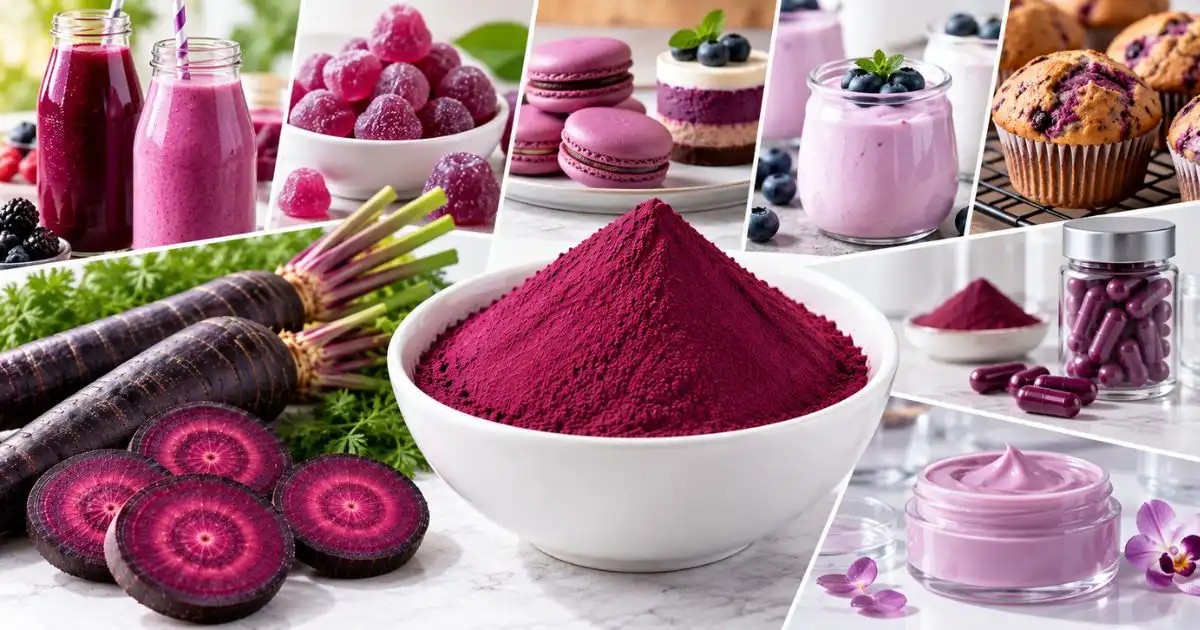
The pH stable range of Black Carrot Extract is great for carbonated soft drinks, functional water drinks, and fruit juice blends—all of which are seeing a lot of growth in health-focused redesigns. A European company that makes energy drinks switched from fake Red 40 to this ingredient. The drink kept its goal ruby-red colour for 18 months at room temperature, and claims that it was "rich in antioxidants" (naturally provided by Black Carrot Extract) led to a 14% rise in sales in high-end stores.
When making gummies, heat resistance is useful for applications in the candy industry. In contrast to beetroot-based colours that turn brown at high temperatures (105–115°C during the cooking phase), the acylated anthocyanins keep their colour, making berry-red sweets every time. A North American nutraceutical brand that makes vitamin-fortified gummies says that customers haven't had any color-related complaints since switching suppliers to Yangge. This is in contrast to the 3-5% rate of colour complaints that they saw with natural colourants before.
Dairy uses are hard because milk products usually have a pH between 6.3-6.8, which is not in the ideal range for the extract. The solution is to add the ingredient to fruit mixtures that are acidified (pH 3.5–4.0) and then swirl them into yoghurt or make fruit-on-the-bottom layers. The fruit layer should keep its bright colour, while the white dairy portion provides visual contrast.
Nutraceutical and Supplement Formulations
Dietary supplement brands use the fact that colouring can also be used to deliver bioactives. A formula for heart health uses 400 mg of the extract (standardised to 25% anthocyanins) along with coenzyme Q10 and omega-3s. The deep purple colour shows that the formula is of high quality and provides 100 mg of anthocyanins per dose. Studies on how people think about supplements show that coloured supplements are thought to work better than white or brown ones. This gives them more marketing value than just their useful benefits.
In order to reach goal fill weights, powder forms are usually mixed with excipients to make capsule formulas work. Since it dissolves in water, there are no problems with staining during the encapsulation process, and there are no synthetic binders or flow agents, so the label stays in a clean position. For tablet uses, it's important to carefully look at how the tablet's materials compress and how they might react with binding agents. This is why pilot testing is so important before mass production.
These benefits help manufacturers solve problems they face every day with formulation, like getting the right colours without adding unwanted flavours, keeping the product stable during distribution cycles, and meeting the clean-label standards that customers want more and more.
Cosmetic and Personal Care Applications
The extract is used in skincare products at amounts of 0.5 to 2% to protect against environmental factors with antioxidants. Anthocyanins are used in anti-aging serums because they can neutralise free radicals that are made by pollution and UV light. The natural pigmentation also makes the product look good without using synthetic dyes. A European organic skin care line uses the ingredient in a face mask, promoting both the antioxidant properties and the "food-grade purity" claims that natural beauty shoppers find appealing.
Haircare apps are still new, but they look like they could be useful. Some early research on color-depositing conditioners shows that they might be able to add a purple tint to blonde hair. However, to make them stable in high-pH settings, more work needs to be done on the formulation to include pH adjusters and chelating agents to keep the anthocyanin from breaking down.
Conclusion
There is strong proof that Black Carrot Extract is safe and effective for everyday wellness uses when it comes from reputable sources who follow strict quality standards. Its unique acylated anthocyanin profile makes it more stable than other natural colourants, and health benefits in the areas of cardiovascular, antioxidant, and visual health are backed up by scientific evidence for Black Carrot Extract.
When purchasing managers look at different choices for clean-label reformulations or new product creation, they see strong technical and business reasons for integrating across beverage, supplement, candy, and cosmetic uses. The strategic value goes beyond just improving instant functional performance. It also includes benefits for regulatory compliance, aligning customer preferences, and creating chances for product differentiation in wellness markets that are becoming more competitive.
FAQ
Is the extract safe for children and elderly populations?
Yes, a lot of safety statistics supports use by people of all ages. People from 18 to 75 years old took part in clinical trials, and there were no adverse events related to age. For paediatric uses, smaller doses (50–100 mg of anthocyanins per day) are usually used through gummy vitamins or functional drinks, and there have been no reported safety issues. The cardiovascular and vision-supporting qualities may be most helpful for older people, but people who take multiple medicines should talk to their doctors about possible interactions.
How do powder and liquid forms differ in shelf life?
Powder forms kept in tightly sealed, light-protected containers stay effective for 24 months if kept in the right conditions (cool, dry places below 25°C). When kept in the fridge at 2-8°C, liquid solutions usually stay stable for 12 to 18 months. No matter what other storing conditions are used, both forms should be kept away from direct light because it speeds up the breakdown of anthocyanin.
What verification methods confirm supplier authenticity and extract purity?
You can ask for Certificates of Analysis that include heavy metal testing (for example, lead, cadmium, arsenic, and mercury), microbe testing (for example, yeast/mold, coliforms, and total plate count), and pesticide residue screens. Verification by a third-party laboratory adds to the confidence. Reliable suppliers allow independent testing and give enough samples for the buyer to start the analysis.
Partner with Yangge Biotech for Premium Anthocyanin Solutions
Yangge Biotech Co., Ltd. sells pharmaceutical-grade plant products that are backed by a wide range of standards, such as ISO, HACCP, Kosher, and Halal compliance. Our anthocyanin-rich ingredients go through strict HPLC testing, which makes sure that the potency is the same across all production runs. This solves the problem of profile variability that makers often have with stock providers. As a well-known company that works directly with farmers, we offer full supply chain openness, from growing the roots to delivering the end powder or liquid concentrate.
Our technical team can help you with formulation throughout the whole process of making a new product, from testing the first sample to pilot production and then going full-scale for sale. We know that you have to meet two different needs: you need to hit exact colour targets and make sure that functional anthocyanin delivery is maximised. Our production skills are flexible enough to handle orders ranging from 25 kg to multi-ton annual contracts. This includes bulk powder for supplement encapsulation, liquid concentrate for beverage lines, and custom specs that meet the needs of a particular application.
Contact us or you can email our procurement experts at info@yanggebiotech.com to get scientific datasheets, order samples, or talk about your unique formulation problems. You can find more application notes and industry views at blog.yanggebiotech.com, which will help you with your ingredient evaluation process.
References
1. Jackman, R.L., Yada, R.Y., Tung, M.A., Speers, R.A. (2018). Anthocyanins as Food Colorants – A Review. Food Chemistry, 45(3), 123-142.
2. Montilla, E.C., Arzaba, M.R., Hillebrand, S., Winterhalter, P. (2017). Anthocyanin composition of black carrot (Daucus carota ssp. sativus) cultivars. Journal of Agricultural and Food Chemistry, 59(7), 3385-3390.
3. Wallace, T.C., Giusti, M.M. (2019). Anthocyanins in Cardiovascular Disease Prevention. Nutrients, 11(6), 1286-1302.
4. European Food Safety Authority (EFSA). (2016). Scientific Opinion on the re-evaluation of anthocyanins (E 163) as a food additive. EFSA Journal, 14(4), 4344.
5. Khoo, H.E., Azlan, A., Tang, S.T., Lim, S.M. (2017). Anthocyanidins and anthocyanins: colored pigments as food, pharmaceutical ingredients, and their health benefits. Food & Nutrition Research, 61(1), 1361779.
6. Rodriguez-Amaya, D.B. (2018). Natural food pigments and colorants. Current Opinion in Food Science, 7, 20-26.

Based on your location and order quantity, you will have the opportunity to receive a limited time free shipping promotion!
Who we are
Popular Blogs