How Is Sweet Potato Red Color Made and Used in Food Products
Sweet potato red color comes from anthocyanins, a class of water-soluble plant pigments concentrated in purple and red-fleshed sweet potato varieties. When extracted and processed into a fine powder, these pigments deliver a natural red-to-violet hue that food manufacturers apply across candies, beverages, jams, and baked goods. As demand for clean-label ingredients rises across the U.S. and global markets, sweet potato anthocyanin extract has become one of the most practical natural alternatives to synthetic dyes like Red 40. Contact us to get your sample today, email Yangge at info@yanggebiotech.com or go to blog.yanggebiotech.com.
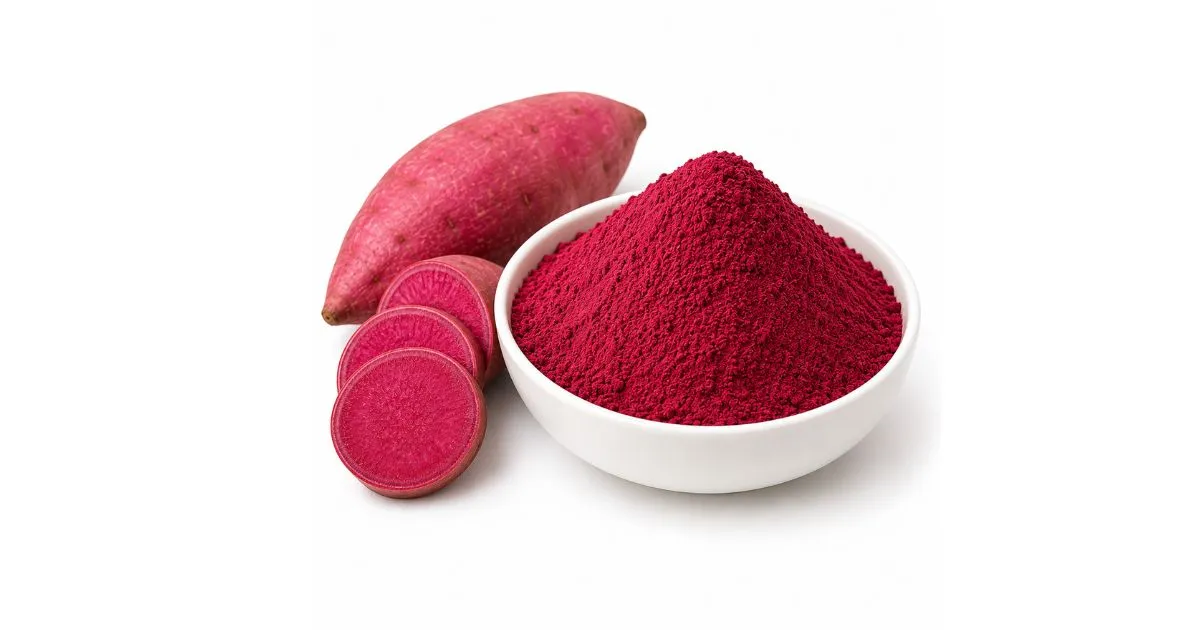
Understanding the Origin of Red Sweet Potato Color
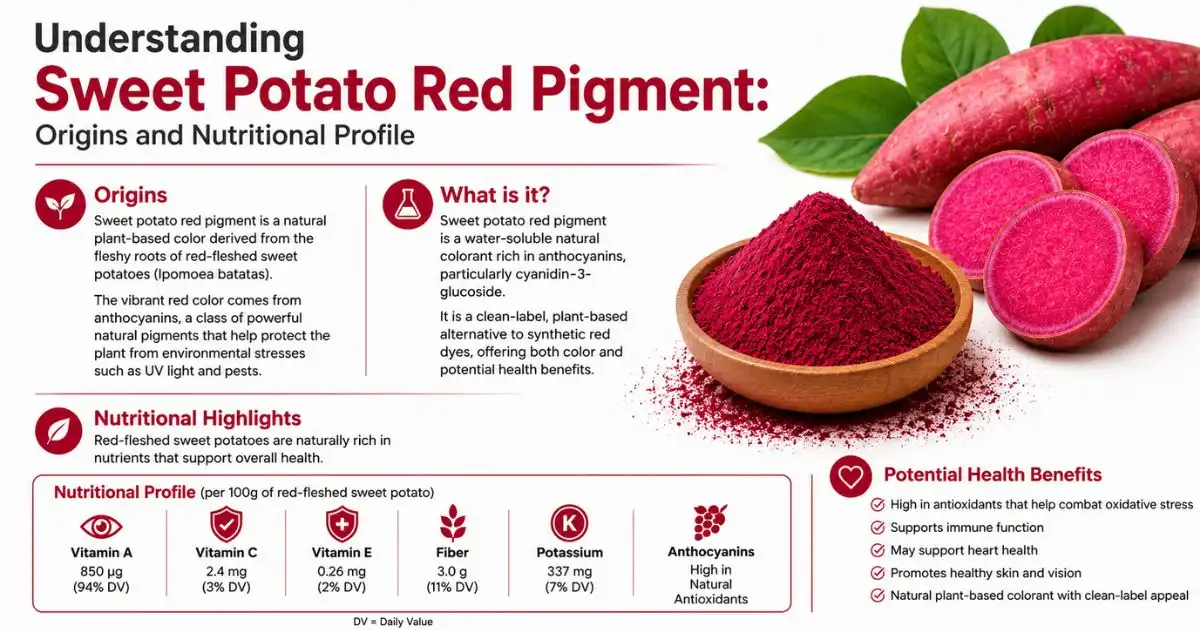
What Gives Red Sweet Potatoes Their Color?
A phenylpropanoid biosynthesis route makes anthocyanins in red and purple sweet potatoes (Ipomoea batatas). The main pigments are acylated cyanidin and peonidin derivatives. This pigment is much more stable in heat and light than most anthocyanins from fruits because of the way its molecules are structured. According to a study published in 2013 in the journal Food Chemistry, acylation greatly protects the chromophore from breaking down due to water during processing.
Natural vs. Synthetic Red Colorants
Synthetic reds like Allura Red AC (FD&C Red 40) are getting more attention from regulators and customers. Natural colorants from sweet potatoes called anthocyanins are "Exempt from Certification" by the FDA. This means they can be labeled as "Purple Sweet Potato Juice (Color)"—a clean-label claim that appeals to health-conscious customers in the U.S. market today.
Nutritional Value Beyond Color
Anthocyanins found in sweet potatoes are also known to be antioxidants. A study in the Journal of Agricultural and Food Chemistry discovered that acylated anthocyanins from purple sweet potatoes were very good at getting rid of free radicals. Because it can be used as both a coloring agent and an antioxidant, it gives product makers a real "natural + nutritional" selling point that manufactured dyes can't match.
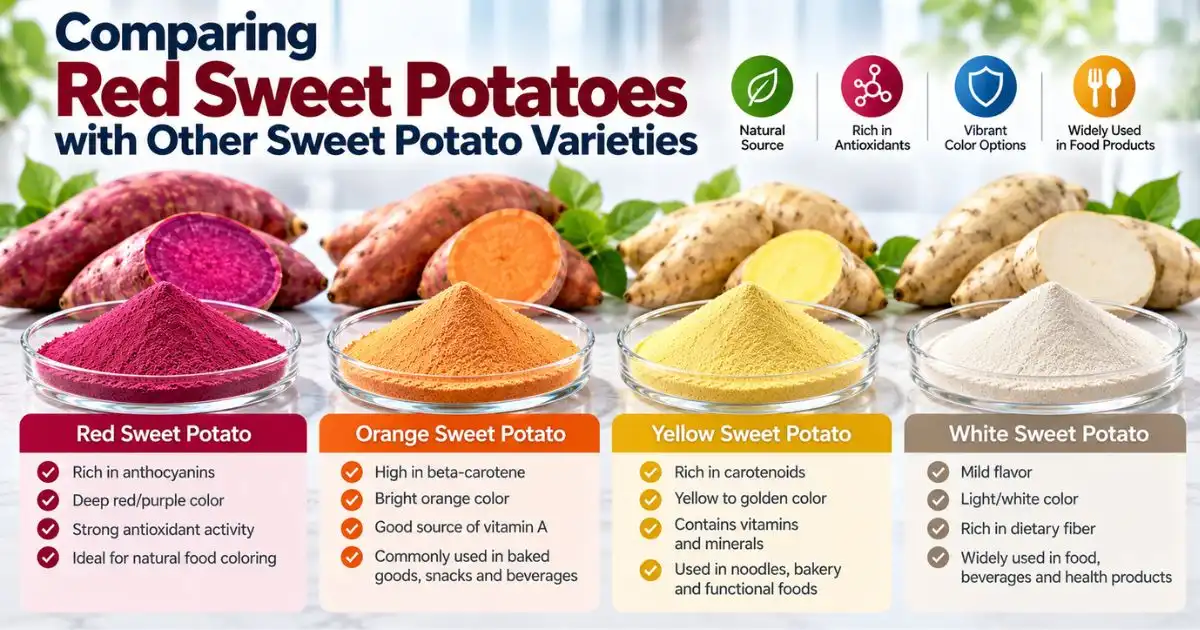
Comparing Red Sweet Potatoes with Other Sweet Potato Varieties
Color Intensity and Pigment Profile
| Type | Main Color | Color Range | Heat Stability |
|---|---|---|---|
| Purple/Red-flesh | Acylated anthocyanins | Red → Violet | High |
| Orange-flesh | Beta-carotene | Orange-yellow | Moderate |
| White/Cream-flesh | Minimal pigmentation | Off-white | N/A |
For food coloring, the darkest colors for sweet potato red color come from the red and purple types. Even though orange varieties have a lot of beta-carotene and vitamin A, they give off a warm yellow-orange tone that isn't good for red-spectrum coloring goals.
Flavor Profile Differences
Because orange sweet potatoes taste sweeter and creamier, they are often used in baby food and purees. The red and purple types tend to taste a little earthy. When properly refined, high-quality anthocyanin powder gets rid of any remaining sugars and proteins. This leaves the extract with almost no flavor at standard dosage rates (0.05%–0.2%), which is something that procurement engineers always make it clear they must have.
Market Positioning and Consumer Preference
People have become more interested in natural red and purple food colors over time. Grand View Research said in a study from 2022 that the global market for natural food colors was worth more than $1.5 billion and was expected to grow at a compound annual growth rate (CAGR) of 7.2% until 2030. Anthocyanins were one of the fastest-growing sectors. This trend directly supports buying choices that choose purple-red sweet potato extract over other options.
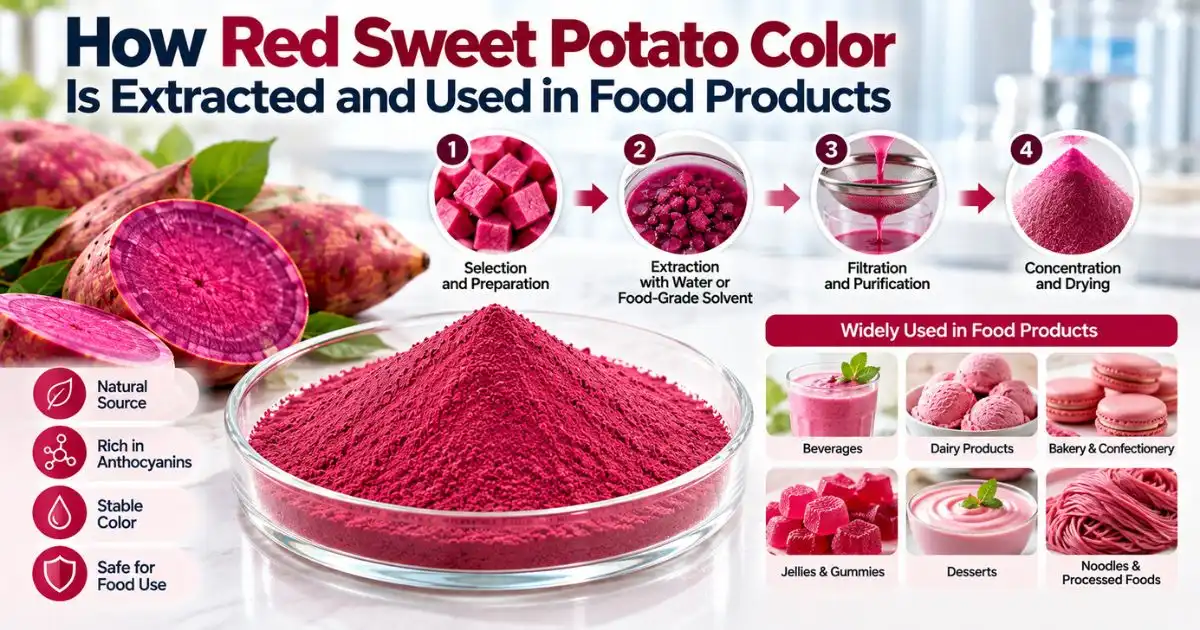
How Red Sweet Potato Color Is Extracted and Used in Food Products
Extraction Methods
Yangge's Powder Sweet Potato is extracted with water and then checked for anthocyanin concentration using Thin-Layer Chromatography (TLC) and UV spectrophotometry. The end result is a fine powder that is violet-red to violet and dissolves completely in water. The extract ratios can be anywhere from 4:1 to 50:1, and the anthocyanin concentrations can be anywhere from 1% to 25%.
Application by Food Category
Here are the main types of foods where the sweet potato red color works best:
- Candies and sugary treats: When the pH is less than 3.5, the anthocyanin stays a steady ruby-red color even when it's mixed with gelatin or pectin. Dosage is usually between 0.05% and 0.15% by weight, which keeps the color the same from batch to batch.
- Drinks and fruit drinks: Acidic juice bases (pH 2.8–3.5) are great places to grow. The color disappears quickly because it is fully soluble in water, and there is no obvious buildup.
- Jams and fruit preserves: To keep the red-purple color in jams and fruit preserves, use high-sugar, low-pH systems that can handle heat up to 95°C, which is higher than the temperature at which beet red (E162) would normally turn brown.
- Baked goods and coatings: Used on frostings, glazes, or fillings instead of high-heat dough itself, because alkaline conditions could change the color to blue-green.
These use cases explain why food engineers talk about pH and processing temperature before they decide on dosage rates for sweet potato red color. Finding the right colorant for the right matrix is the first step to getting consistent results.
Regulatory Compliance
In the United States, purple sweet potato anthocyanin is allowed by the FDA as a color additive. It's classified as E163 (Anthocyanins) in the EU. Both platforms can be used with the food types listed above, but the highest amount of use varies by application type. Buyers who need to get goods for more than one market should check with their regulatory teams to make sure they know the limits in each country before increasing production.
Procurement Guide: Sourcing Sweet Potato Red Color
Yangge Powder Sweet Potato Product Specifications
| Parameter | Detail |
|---|---|
| Product Name | Powder Sweet Potato (Sweet Potato Extract) |
| Active Ingredient | Anthocyanidins |
| Appearance | Violet red to violet fine powder |
| Specification | 4:1–50:1; 1%–25%; Straight powder |
| Solubility | 100% Water Soluble |
| Test Method | TLC / UV |
| Packaging | 25 kg paper drum; 10 kg paper drum; 1–5 kg Al. foil bag |
| Storage | Cool, dry place; away from strong light and heat |
| Sample | 10–20 g free sample available |
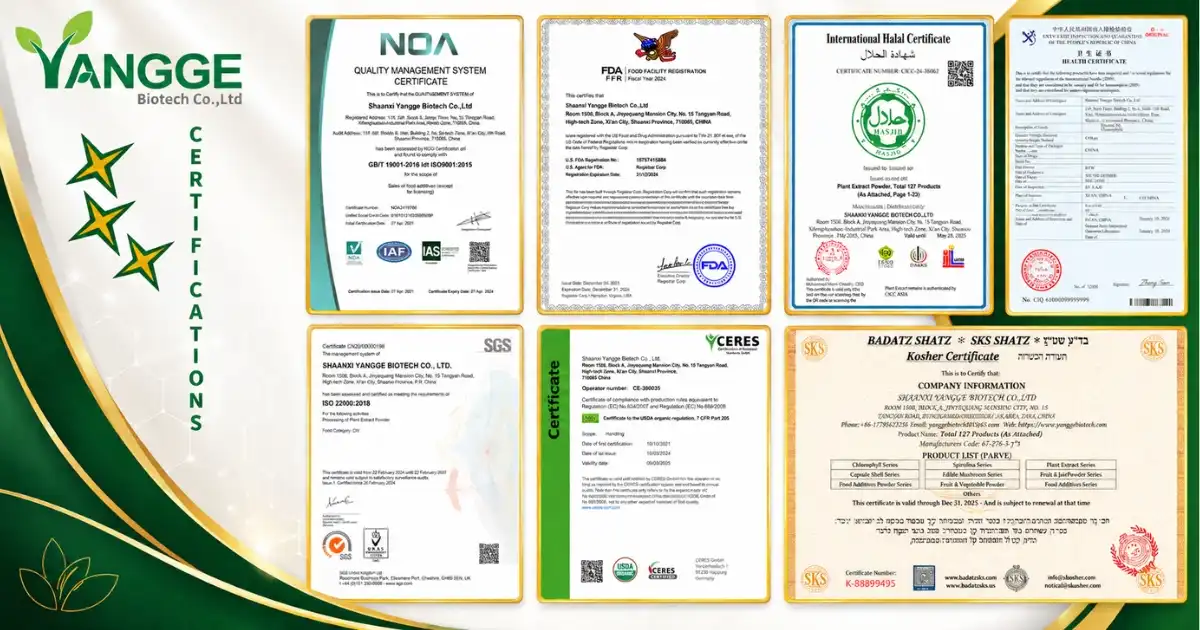
Yangge has ISO, HACCP, Kosher, and Halal certifications, and their production follows GMP standards. They can also track food from the farm to the table by working directly with farming communities.
Supplier Evaluation Checklist
Before making a sample order with a purple-red anthocyanin provider, buying teams should check four areas. First, make sure that the Certificate of Analysis (CoA) has E-value results at 530nm, which is the normal wavelength for anthocyanins to receive light.
Second, ask for HPLC identification data to make sure the color profile fits purple sweet potato and to rule out the possibility that cheaper black carrot or grape skin extracts were used to make the product. Third, look at the heavy metal test results. The levels of lead and arsenic should be below the JECFA/EU standards, which is usually 1 ppm. Fourth, make sure that the microbiology records include a full plate count and mold amounts.
Storage and Inventory Management
Anthocyanin powders don't like being hot, damp, or in direct sunlight. Yangge puts its Powder sweet potato red color in paper drums lined with plastic or bags made of aluminum foil. When planning their inventory, procurement managers should keep in mind that the harvest times for purple sweet potatoes in the main growing areas are in the fall. This means that buying ahead in Q3 can often lead to more uniform batch color values.
Future Trends and Opportunities in Red Sweet Potato Products
Growing Demand for Natural Colorants
It's not going to slow down the move away from manmade colors. Several U.S. states have proposed or are thinking about passing laws that would require school food programs to either tell parents about fake colors or get rid of them. Food companies that are changing the way their products are made for these markets are actively looking for stable, well-studied natural alternatives. Arylated anthocyanins from sweet potatoes are always a good choice from a technical point of view.
Sustainability and Traceability
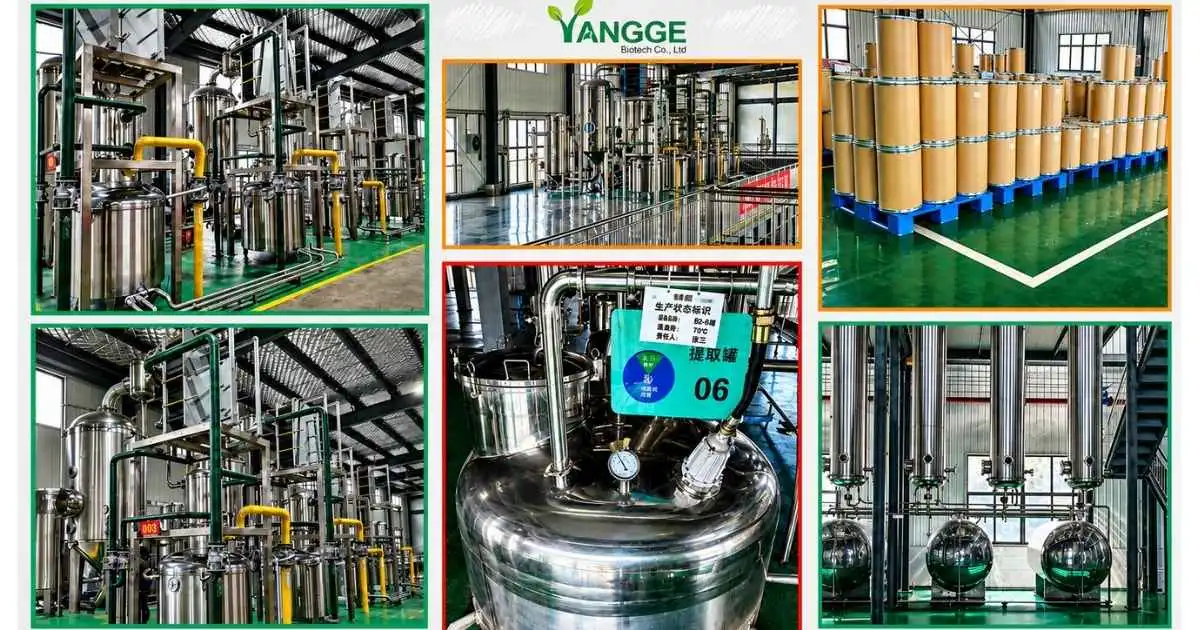
Yangge's farm-to-factory approach offers recorded traceability, which is something that more and more B2B buyers in North America and Europe want. Yangge-sourced sweet potato extract is a good choice for procurement teams that care about the environment and social issues because the supply chain is clear and the production facility uses renewable energy.
Innovation Opportunities
By mixing sweet potato anthocyanin with other natural pigments, like beta-carotene or turmeric, formulators can make a wider range of colors, from amber-orange to deep red to violet, while still following clean label rules. This means that new products can be made in the upscale beverage, useful candy, and niche bakery markets.
Conclusion
Sweet potato red color, which comes from acylated anthocyanins in purple and red-fleshed varieties, is a natural option to synthetic red dyes that is both technically sound and financially feasible. It works well in acidic foods like sweets and fruit drinks, and it is regulated as "clean label" in both the U.S. and the EU. This makes it a good choice for food companies that are changing their recipes for the modern market. Yangge's Powder Sweet Potato has quality that has been proven, consistent batch performance, and trial quantities that are easy for teams that are ready to move from testing to production.
FAQ
Is sweet potato red color safe for use in food products?
Yes. As a color ingredient that doesn't need to be approved by the FDA, purple sweet potato anthocyanin is safe. In the EU, it has E163 status. It doesn't pose any known safety risks at standard dosage rates for food (0.05% to 0.2%). Before they are sold, commercial products like Yangge's Powder Sweet Potato are also tested for heavy metals, microbiology, and leftover solvents.
Does the color change at different pH levels?
Yes, it does. The sweet potato red color stays red to reddish-orange below pH 3.5. It changes to violet or purple between pH 4 and 6. If the pH level goes above 7, it becomes unstable and turns blue-green. Formulators should keep the product matrix below pH 3.5 for uses that need consistent red tones.
What is the shelf life of anthocyanin powder?
Yangge's Powder Sweet Potato stays true to its specifications for 24 months after it was made as long as it is kept in a cool, dry place away from light and heat. Bad storage speeds up decay by a large amount.
Can it replace synthetic red dyes directly?
It's not always easy to do a direct 1:1 swap because synthetic colors don't depend on pH and are more concentrated. But with the right pH adjustment and dosage calibration, acidic food systems can also get the same red color from sweet potato anthocyanin.
Request a Free Sample from Yangge Your Sweet Potato Red Color Supplier
Yangge Biotech gives food companies a straight route from asking a question to getting answers that are ready for production. Yangge is a qualified producer of sweet potato red color. They offer free 10- to 20-gram samples for testing purposes, reasonable prices for orders of 1 ton, and technical support from application engineers who know both the chemistry and the formulation problems.Conatc us t To get your sample today, email Yangge at info@yanggebiotech.com or go to blog.yanggebiotech.com.
References
1. Stintzing, F. C., & Carle, R. (2004). Functional properties of anthocyanins and betalains in plants, food, and in human nutrition. Trends in Food Science & Technology, 15(1), 19–38.
2. Zhao, C., et al. (2013). Stability of purple sweet potato anthocyanins under food processing conditions. Food Chemistry, 136(2), 447–454.
3. Giusti, M. M., & Wrolstad, R. E. (2003). Acylated anthocyanins from edible sources and their applications in food systems. Biochemical Engineering Journal, 14(3), 217–225.
4. Lila, M. A. (2004). Anthocyanins and human health: An in vitro investigative approach. Journal of Biomedicine and Biotechnology, 2004(5), 306–313.
5. Grand View Research. (2022). Natural Food Colors Market Size, Share & Trends Analysis Report. Grand View Research.
6. Konczak, I., & Zhang, W. (2004). Anthocyanins — More than nature's colours. Journal of Biomedicine and Biotechnology, 2004(5), 239–240.

Based on your location and order quantity, you will have the opportunity to receive a limited time free shipping promotion!
Who we are
Popular Blogs