Does kombucha lower cholesterol?
When it comes to heart health, especially cholesterol levels, drinking kombucha has strong links found by people who study fermented drinks. Researchers have found that the good things in kombucha, like organic acids, tea flavonoids, and postbiotic metabolites, may change the way cholesterol is broken down in more than one way. Kombucha powder, a concentrated form of this useful ingredient, releases these beneficial substances slowly over time in a form that is solid on the shelf and suitable for making products. Putting kombucha in animals has been shown to drop LDL cholesterol and raise HDL cholesterol. Though, scientific studies on people can still only do a few things.
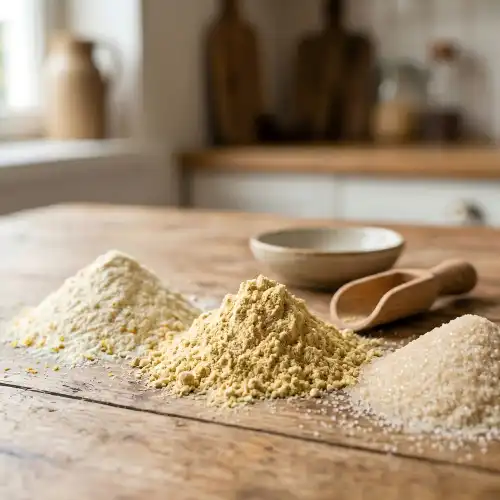
Understanding Cholesterol and Its Impact on Health
A healthy amount of cholesterol is important for making hormones and cell walls, but too much or too little of it can be very bad for your health. low-density lipoprotein (LDL), also called "bad" cholesterol, helps build arterial plaque. high-density lipoprotein (HDL), also called "good" cholesterol, takes extra cholesterol to the liver to be thrown out. And triglycerides are another type of lipid that raises the risk of heart disease when levels are high.
There are still more and more people around the world who have heart problems. The American Heart Association says that almost half of people in the U.S. have higher-than-recommended levels of overall cholesterol. The old ways of treating cholesterol with drugs, especially statins, work well, but they can hurt your muscles, raise your liver enzyme levels, and make it hard to take your medicine as prescribed. Firms are looking to natural, useful ingredients that can be used along with or instead of harsh chemicals because of these issues.
The Commercial Opportunity in Cholesterol Management
Research and development teams and people in charge of buying things are getting more and more pressure to make products that meet "clean label" rules and address concerns about cholesterol. Polls of consumers show that natural goods are better than manufactured ones for many people, especially those who care about their health. If you make useful foods and products and are willing to try new things with ingredients that have been shown to work, this change could open up a huge market for you. The market for healthy drinks is projected to be worth $208 billion by 2028. A lot of this growth will come from claims that these drinks are good for your gut and heart.
Regulatory Landscape for Cardiovascular Health Claims
To follow the rules set by the law, you need to pay close attention to how claims are backed up and how products are used. If a company has proof and doesn't promise to cure a sickness, the FDA lets them make structure-function claims about food additives without first getting approval. Health claims need more solid proof in Europe, thanks to rules set by the EFSA. This makes it harder to get into the market. When procurement experts buy parts for things that will be sold in different regulatory areas, they need to know about these changes and make sure that the sellers give them the correct paperwork and quality licenses.
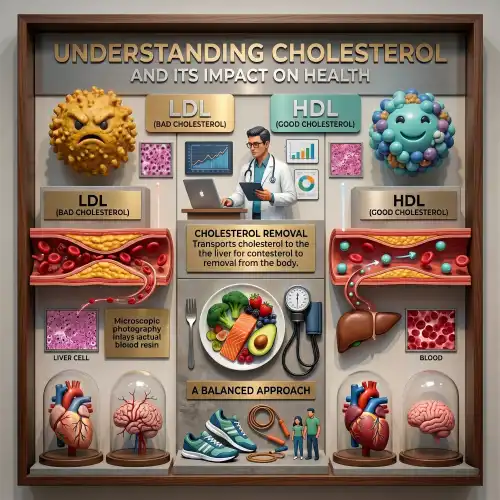
What Is Kombucha Powder and How It Relates to Cholesterol?
You can now get the health benefits of sour tea without all the trouble that comes with drinking it. It's called kombucha powder. A SCOBY (a Symbiotic Culture of Bacteria and Yeast) changes sweet tea through metabolic processes that last between seven and fourteen days. This is the first step in making kombucha. The fermentation process creates organic acids (acetic, gluconic, and glucuronic), B vitamins, enzymes, and helpful substances that stay in the body after fermentation.
The liquid is then turned into a steady powder using modern spray-drying or freeze-drying techniques. About 95% of the water is removed by this process, but the good chemicals are kept. The end result is a concentrated ingredient that can be stored for longer, be shipped more easily, and be dosed more accurately. All of these benefits are important for manufacturing on a big scale.
Nutritional Composition and Bioactive Components
After it is brewed, chemicals are added to kombucha that have to do with how the body uses cholesterol. Catechins and theaflavins are two types of flavonoids found in tea. They are antioxidants that stop LDL cholesterol from burning, which is a key step in the development of atherosclerosis. Many things about lipid metabolism are changed by organic acids. One way is that they change how much cholesterol and bile acid are made in the liver.
More than 50 chemicals were found in kombucha by a study in the Journal of Functional Foods. One of these is glucuronic acid, which helps the liver get rid of cholesterol as part of its cleansing processes. More and more research shows that the probiotic and postbiotic parts change the types of bacteria that live in the gut, which is an important part of keeping cholesterol in check. Sometimes bacteria in the gut can bind cholesterol, making it harder for the body to absorb. Other times, these bacteria can make short-chain fatty acids that change the way the liver makes fat.
From Liquid to Powder: Manufacturing Advantages
Yangge's kombucha powder is an example of how new ways to make food can help a business. Since we say it dissolves in water, it's easy to add to drink mixes, protein shakes, and functional food structures. The unique taste and smell of kombucha are kept in the brown-yellow powder. It smells like fermented earth. This lets people who make products make real kombucha experiences that are simple to use.
If you use powder instead of liquid, you don't have to worry about changes between batches, which can happen when you make your own liquid. It is very important to make sure that the amounts of organic acids and bacteria products stay the same in every 25 kg batch. When makers need ingredients to work consistently across production runs, this steadiness is very important. This is especially true when they need to back up claims about structure-function with specific ingredient specs.
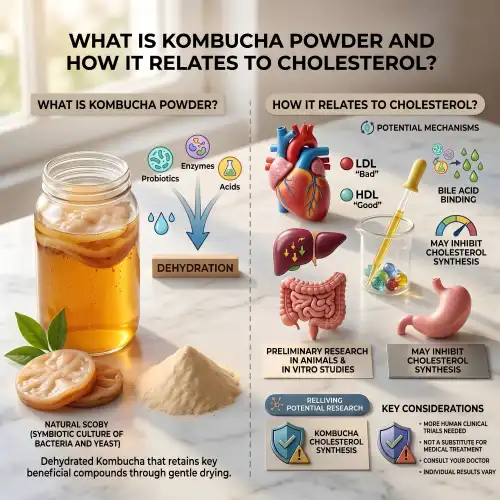
Does Kombucha Lower Cholesterol? Evidence and Mechanisms
The research into whether or not kombucha can lower cholesterol has gone through several steps. However, there haven't been as many clinical trials with people as there have been with animals. A big review in BMC Complementary Medicine and Therapies looked at seventeen studies that used animals and found that people whose lipid profile got better when they drank kombucha did better in life.
Animal Research Findings
Most of the proof comes from tests on mice and rats. Scientists at colleges in Iran discovered that diabetes rats that were given kombucha had much lower amounts of total cholesterol, LDL cholesterol, and triglycerides than rats that were not given caffeine. Also, their HDL cholesterol levels were a lot higher, which is a good cholesterol. Giving kombucha lowered LDL oxidation by about 40% in a different study published in Pharmaceutical Biology. This suggests that it may help stop the formation of artery plaques.
Human Clinical Evidence
There aren't many tests with people yet, but what we know so far looks good. Adults with metabolic syndrome who drank kombucha every day for eight weeks saw their LDL cholesterol levels drop slightly and their glucose markers change. We need bigger, more detailed tests before we can make any clear decisions, though, because the study only looked at a small group of people for a short time.
To put what scientists have learned from watching animals to use on real people is hard for companies that make ingredients and products. How much you take, how well it dissolves, and how your body works can all change the results. This is why claims need to be carefully backed up and goods need to be positioned in a way that focuses on improving heart health in general rather than lowering cholesterol for diagnosis.
Safety Considerations and Quality Control
Kombucha seems to be safe as long as it is made in a controlled environment, but there are a few things you should remember. A small amount of alcohol is made during fermentation. In market goods, this amount is generally less than 0.5%. Organic acids are very acidic, which could be bad for people with stomach problems. However, there haven't been many reports of bad effects in quality-controlled goods.
The biggest worry about safety is getting something dirty, especially when you're making things at home. These risks are lower when GMP-compliant industrial production is used, along with test quality and clean up properly. The way Yangge makes things includes using hazard analysis and critical control point (HACCP) tools to make sure that each batch of goods is free of germs and heavy metals. You can be sure that our goods are of high quality because they have labels that say they are Halal, Kosher, or Non-GMO. These labels meet the needs of many different markets.
Choosing the Right Kombucha Powder for Bulk Procurement
More than just price should guide your choice of where to buy useful foods. You can judge a supplier by their quality certificates, especially if they sell to limited markets or make claims about their goods. Our kombucha powder is Kosher, Halal, and non-GMO, so it can be sold in many countries and to a wide range of customers.
Quality Specification Benchmarks
Its technical specs tell you how well it works and what kinds of tasks it can do. You should pay close attention to a number of things when looking for kombucha powder companies. The standard for water solubility tells you how easy it is to make things in different types of media. When you use our 100% water-soluble standard, for example, you don't have to worry about any problems that might happen when you make clear drinks or liquid vitamins. Just a little solubility might be enough for powder mixes or solid drug forms, but it might be hard to work with clear materials.
The amount of organic acids in the kombucha is also very important, as these chemicals are a big part of how useful it is. Test papers that show how much acetic acid, gluconic acid, and glucuronic acid are in a substance should be given by suppliers to formulators. This way, study papers can help people who make medicines figure out the right doses. It is also important to know and test the tea base's flavonoid level, since these are heart-healthy vitamins.
Microbes need extra care when they are described. Even though kombucha powder isn't meant to be a live probiotic, the postbiotic compounds—which are byproducts of fermentation—are useful. With the right tests, you can be sure that there are no dangerous organisms and that the fermentation process went as planned, creating the chemicals you wanted.
Supply Chain Considerations for Large-Scale Manufacturing
It's not enough for production managers to just look at how good the ingredients are when they look at sources. The more money a seller can make, the more they can help your business grow. This is one ton of USP-grade kombucha powder that Yangge has on hand at all times. This way, they can fill sample orders right away and keep making kombucha for customers who have already bought from them. Our 25 kg shipping in sealed cases makes it easy to work with on a large scale, and the product stays the same while it's being shipped and kept.
How well deliveries and lead times work together have a big impact on planning output. We can send goods on time to markets in North America thanks to our well-established transportation network. We can also help with the paperwork needed to clear customs and make sure we're following the rules. While 12 months is enough time to use your goods, it's still important to store them correctly, in a cool, dry place out of direct sunlight, so they stay useful for the whole time.
Technical Support and Product Development Collaboration
Some companies do more than just give you basic supplies; they also help you grow your business. Our professional staff can help you figure out the best way to use kombucha powder for different tasks. They can also tell you about the extraction method you need for legal paperwork and suggest mixes that work well with kombucha powder. This helps a lot when you're making new things or changing recipes to fit the wants of a certain market.
It is easier to make a product stand out from others when it can be customized. Besides the usual rules for kombucha powder, we can also talk about different levels of strength, picking a certain SCOBY strain for its unique metabolite profiles, or getting organic approval to make the product stand out as a high-end one. Being able to change these things lets brands make their own recipes that make their goods stand out in a crowded market.
How to Incorporate Kombucha Powder into Health Product Lines?
Making useful drinks with kombucha powder is the most natural way to use it. This way, brands can offer easy kombucha experiences without having to keep the drinks cold. Based on how strong of a taste you want and how much of the beneficial compound you want to use, most people use between 2 and 5 grams per serve. One of a kind, kombucha tastes earthy, a little sour, and like it has been fermenting. If you want to bring out the unique taste, try it with fruit flavors, ginger, herbal drinks, or lemon flavors.
People who make drinks should think about how sour the powder is before they use it. To get the right taste, you might need to add sugar or change the pH because the organic acids make the food taste sour. A little bit of cane sugar, stevia, monk fruit, or another natural sweetener can balance out the acidity and keep the clean-label look. "Instant kombucha" goods are great for people who want to save time. They are made from effervescent pills or powder mixes that contain kombucha powder and sources of carbonation.
Dietary Supplement Applications
People who want to improve their heart health but don't want to drink can get exact amounts in capsule and pill forms. Encapsulation keeps the powder safe from water and rust, and it also lets you control how the powder releases. Plant sterols, red yeast rice extract, omega-3 fatty acids, and fiber sources like psyllium are some of the things that can help lower cholesterol when mixed with kombucha powder.
These vitamins can also be used in powder form. kombucha powder adds healthy fermented ingredients that health-conscious consumers want more and more when combined with protein powders, veggies mixes, or metabolic health recipes. When it comes to powder vitamins, the rule that they be 100% water-soluble makes sure that the texture is smooth and not crunchy, which is something that people want.
Food Product Integration
Food companies that are on the cutting edge are using fermented foods in ways you might not think. Some chemicals in kombucha powder are sensitive to heat, but it can still be used in energy bites, snack bars, and baked goods. You can keep the most bioactivity when you add or prepare things at lower temperatures near the end. More and more people are interested in fermented tastes, which means that products like salad sauces and spice mixes can now contain kombucha.
Rules for quality control make sure that the strength of the ingredients doesn't change. Both raw materials and finished goods should be stored in cool, dry places that are out of direct sunlight. When the product was being made, stability tests were done to make sure that the beneficial chemicals in kombucha powder would stay stable in the store conditions that were planned for the whole time the product would be on the market. Yangge supports these attempts to build by giving information on security and technical paperwork. This makes it easy for new goods to get approved by the government.
Conclusion
That being said, researchers have found that kombucha powder can help with heart health. This is because people want natural ingredients and there are new ways to make things. There is more evidence that lowers cholesterol in animal models than in human studies. However, because it is safe and works in more than one way, more study and product development should continue. If purchasing professionals want to move up in the functional food and supplement markets, they should look at kombucha powder's possibilities and weigh scientific proof against market chance. It's very important to pick the right source. Good qualifications, expert know-how, and reliable supply lines are what set key partners apart from commodity sellers. As study on functional foods grows and more people learn about them, brands that use well-studied fermented products from the start will be in a good position to lead the market as it grows.
Partner with Yangge for Premium Kombucha Powder Supply
Yangge Biotech Co., Ltd. can help you make new goods by giving you pharmaceutical-grade fermented ingredients and expert support backed by a lot of different certifications. Our supplier of kombucha powder is ISO, HACCP, Kosher, and Halal certified, which means they follow strict quality and safety rules around the world. As of right now, we have one ton of USP-grade material in stock. This can be used right away to test recipes, and the supply can be raised for large-scale production.
Contact our team at info@yanggebiotech.com to discuss your kombucha powder requirements, request samples for evaluation, or explore custom specifications for proprietary formulations. Our responsive service model and 24-hour support ensure your questions receive prompt attention from knowledgeable professionals who understand both the science and business of functional ingredients.
FAQ
Q: Can we get some samples to test before purchasing?
A: Of course, we can provide free samples of 20 to 100 grams, but the shipping cost is at the customer's expense. The shipping cost can be deducted from the next order, or the samples can be sent through your courier account.
Q: Do your products have relevant certifications?
A: Yes, our products are certified for HALAL, ISO, HACCP, Kosher, and other certifications.
Q: What is the minimum order quantity (MOQ)?
A: Small batches of samples can be customized according to your requirements.
Q: Do you offer OEM and ODM services? Can the formula be customized based on our own?
A: Of course, we provide ODM and OEM services to many customers. Our product range includes softgels, capsules, tablets, sachets, granules, and private label services. Simply contact us and let us know your requirements. Our experienced R&D team can also develop new products with specific formulas.
Please contact us to design your own branded products.
Q: How do you handle quality complaints?
A: First, we have a comprehensive quality control SOP. We provide authoritative third-party inspection reports for almost all products before shipment to minimize the possibility of quality issues. Second, we have a comprehensive return and exchange procedure. If there is a genuine quality dispute, we will strictly follow the SOP.
A: For small orders, we typically use DHL, UPS, EMQ: How do you ship? How long does delivery take?S, FedEx, or TNT. Delivery typically takes 3-7 days. We also offer air and sea freight services. We have a strong freight forwarding team and can provide you with a one-stop service, including DDP and DDU.
Q: What are your payment terms?
A: 100% prepayment, payable by T/T, Western Union, MoneyGram, or PayPal.
Q: What is the shelf life of your products?
A: 2 years with proper storage.
Q: Is the packaging environmentally friendly?
A: We attach great importance to environmental protection and are constantly improving our product packaging. Some products are packaged in recyclable paper. Packaging materials are carefully selected to ensure product safety during transportation and storage, and to minimize environmental impact. We are committed to achieving a balance between environmental friendliness and practicality in our product packaging, and to contributing to sustainable development.
References
1. Villarreal-Soto, S. A., Beaufort, S., Bouajila, J., Souchard, J. P., & Taillandier, P. (2018). Understanding kombucha tea fermentation: A review. Journal of Food Science, 83(3), 580-588.
2. Aloulou, A., Hamden, K., Elloumi, D., Ali, M. B., Hargafi, K., Jaouadi, B., & Ammar, E. (2012). Hypoglycemic and antilipidemic properties of kombucha tea in alloxan-induced diabetic rats. BMC Complementary and Alternative Medicine, 12(1), 63.
3. Bhattacharya, S., Gachhui, R., & Sil, P. C. (2013). Effect of kombucha, a fermented black tea in attenuating oxidative stress mediated tissue damage in alloxan induced diabetic rats. Food and Chemical Toxicology, 60, 328-340.
4. Jayabalan, R., Malbaša, R. V., Lončar, E. S., Vitas, J. S., & Sathishkumar, M. (2014). A review on kombucha tea—microbiology, composition, fermentation, beneficial effects, toxicity, and tea fungus. Comprehensive Reviews in Food Science and Food Safety, 13(4), 538-550.
5. Vīna, I., Semjonovs, P., Linde, R., & Deniņa, I. (2014). Current evidence on physiological activity and expected health effects of kombucha fermented beverage. Journal of Medicinal Food, 17(2), 179-188.
6. Sreeramulu, G., Zhu, Y., & Knol, W. (2000). Kombucha fermentation and its antimicrobial activity. Journal of Agricultural and Food Chemistry, 48(6), 2589-2594.

Based on your location and order quantity, you will have the opportunity to receive a limited time free shipping promotion!
Who we are
Popular Blogs