Alpha GPC 98% vs Lower Purity: Which Grade Fits Your Formula?
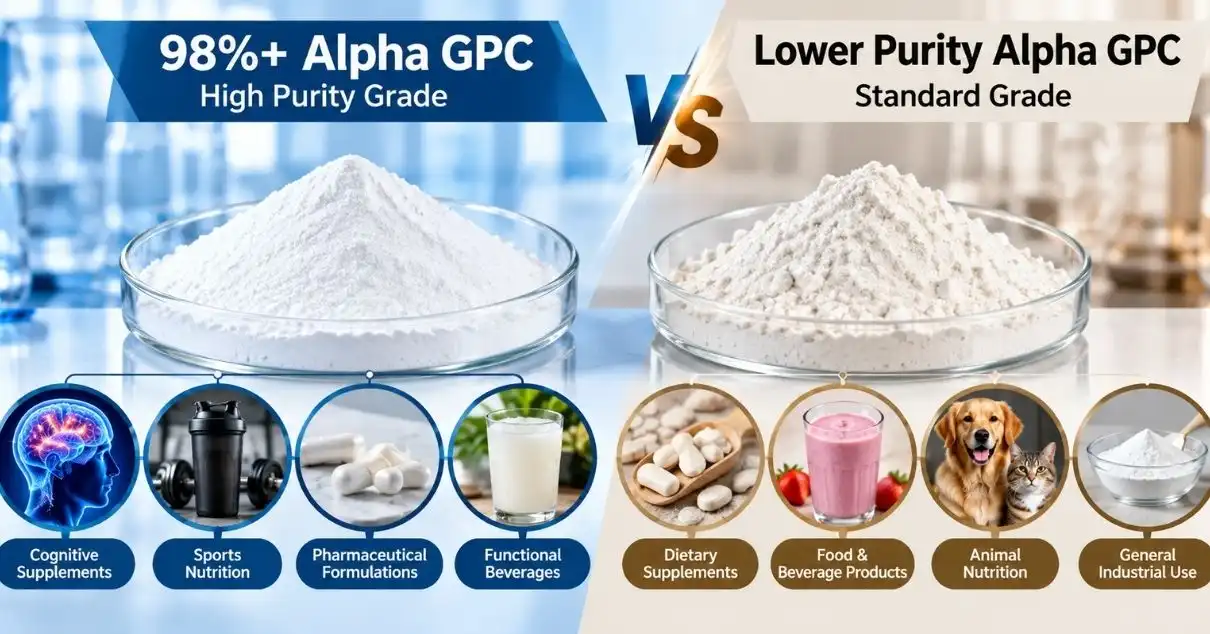
Purity grade is crucial for premium supplement formulations using Alpha GPC. It affects effectiveness, regulatory status, and batch consistency. Alpha GPC 98% (L-Alpha Glycerylphosphorylcholine) offers the maximum measured choline payload per gram, reduces impurity-related interactions, and fulfills third-party retesting criteria that most quality-focused consumers desire. Lower purity grades like 50% are used in production. This article explains where each grade belongs, so your buying choice is data-driven.
Understanding Alpha GPC Purity Grades
What Purity Grade Actually Measures
The purity rate of Alpha GPC is based on the amount of active L-Alpha Glycerylphosphorylcholine that was found using HPLC (High-Performance Liquid Chromatography). 99% HPLC means that the target molecule makes up 99% of the mass that was measured. Moisture, phospholipid byproducts, and processing residues are all types of residual content. These small amounts of substances change how water absorbs, how powder moves, how tablets stick together, and how stable they are over time. All of these things are important at the manufacturing scale.
How Lower Purity Grades Differ in Composition
The 99% product is not watered down in the 50% grade. It was specially made by attaching Alpha GPC to a carrier, like silicon dioxide. This makes the powder move better and stops it from sticking, which is something that pure Alpha GPC is known for. Because of this, it works well for making capsules and tablets. But there is about half as much active choline per gram, so the formula needs to be changed to keep the target dose levels.
Why Impurity Profiles Matter to QA Teams
In batches with lower purity, impurities may include leftover solvents, oxidized phospholipid byproducts, and changes in the number of microbes. The shelf life, the compatibility of the ingredients, and, in some markets, regulatory approval are all affected by these factors. Before approving a new supplier, procurement teams that need paperwork for EU, US, or Japanese markets always ask for Certificates of Analysis (CoA) with HPLC assay, heavy metal profiling (ICP-MS), and microbial screening.
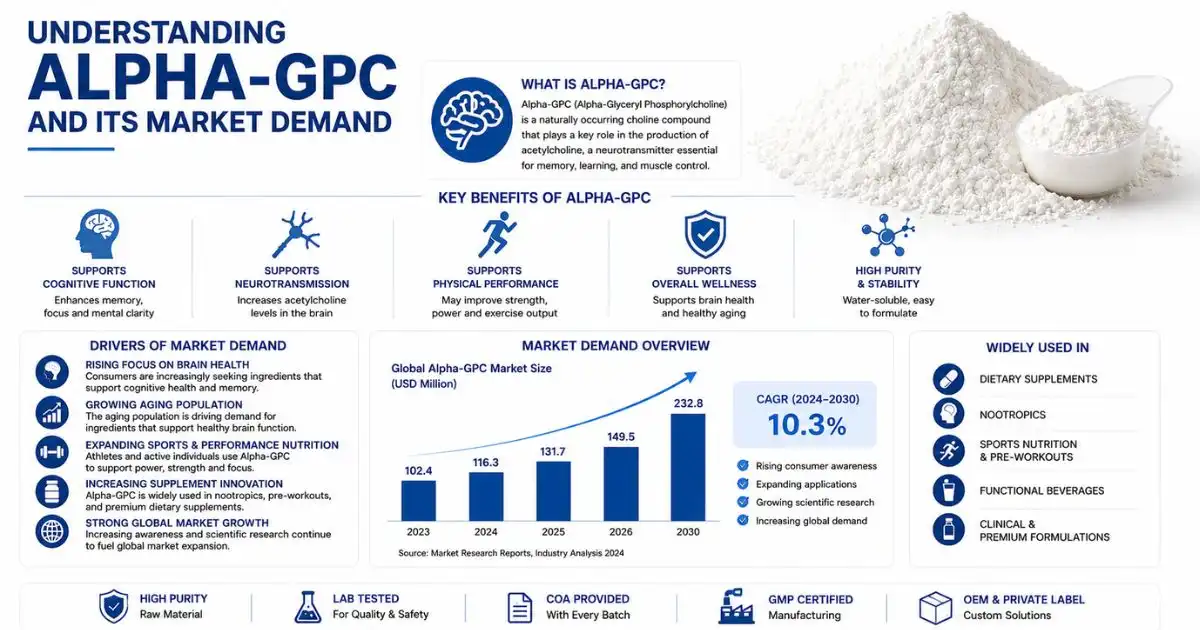
Key Performance and Application Differences Between 98%+ and Lower Purity Alpha GPC
Acetylcholine Synthesis and Cognitive Performance
Alpha gpc 98% gets into the brain more quickly than choline bitartrate or choline produced from lecithin, and the higher the purity level, the bigger this advantage is. A review released in 2021 in the journal Nutrients showed that taking Alpha GPC supplements raises plasma choline levels and helps make acetylcholine in a way that depends on the dose. With a product that is 99% pure, you can get the desired amount of choline at a lower gram-weight dose. This lowers the cost of the formula per serving and makes it easier to figure out the capsule fill weight.
Formulation Stability and Shelf Life
| Parameter | 99% Alpha GPC | 50% Alpha GPC |
|---|---|---|
| Active content (HPLC) | ≥99% | ~50% |
| Physical form | Hygroscopic powder | Free-flowing powder |
| Best application | Liquid, soft gel, sachet | Capsule, tablet, powder blend |
| Shelf life (sealed) | 2 years | 2 years |
| Storage requirement | Cool, dry, with desiccant | Standard dry conditions |
Sports Nutrition and Pre-Workout Applications
A 2015 study in the Journal of the International Society of Sports Nutrition found that giving young adults 600 mg of Alpha GPC increased their peak bench press force by 14% compared to a placebo. In this case, the high-purity grade works best because it allows for very accurate dose control. When pre-workout formulators use 99% Alpha GPC, they can give proven dosing without having to add more formula volume than with the 50% carrier-based grade.
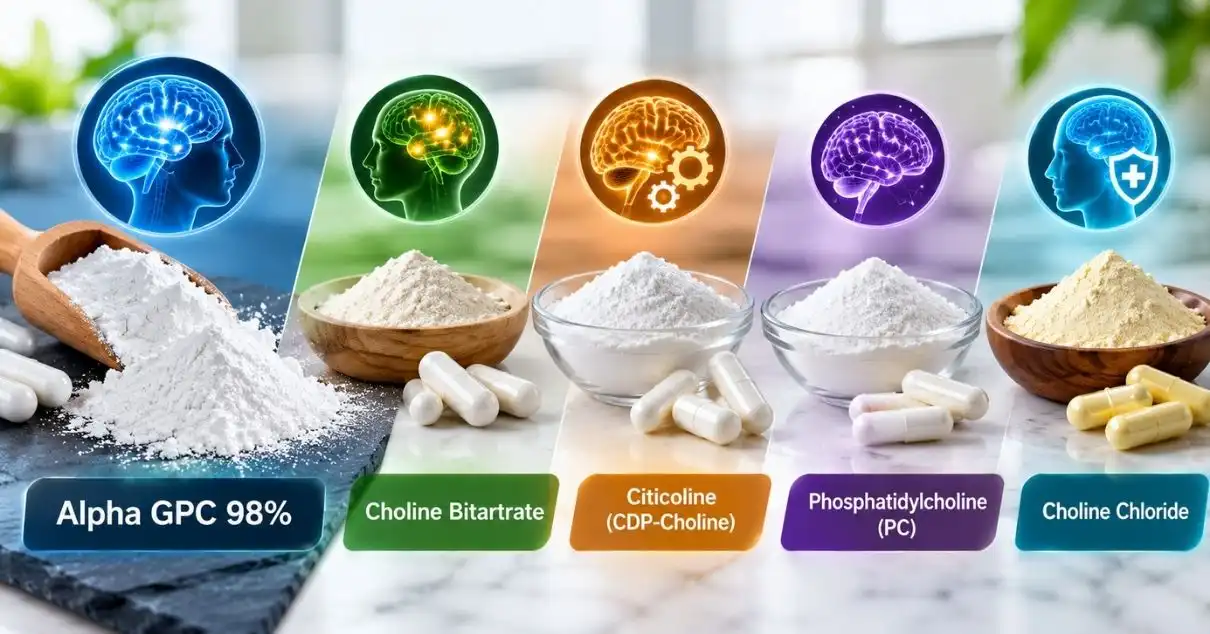
Comparing Alpha GPC 98% with Other Choline Supplements
Bioavailability Versus Choline Bitartrate
About 41% of the weight of choline bitartrate is elemental choline. Alpha GPC that is 99% pure gives off about 40% elemental choline and has a key structural advantage: it has a phospholipid backbone that makes it easier for it to cross the blood-brain barrier. Studies show that Alpha GPC raises brain choline levels more effectively than choline bitartrate at the same amounts of basic choline. This makes it the best ingredient for recipes that focus on cognitive functions.
Alpha GPC vs. Citicoline: A Direct Comparison
| Feature | Alpha GPC 99% | Citicoline (CDP-Choline) |
|---|---|---|
| Elemental choline per gram | ~40% | ~18% |
| BBB penetration | High | Moderate-High |
| Additional bioactives | None | Cytidine (converts to uridine) |
| Typical dose range | 300–600 mg | 250–500 mg |
| Cost per effective dose | Moderate | Higher |
Sourcing Transparency and Regulatory Fit
Documentation for raw materials is a must for buyers aiming for the US, EU, and Japanese markets. Alpha GPC 99% comes from soy or sunflower lecithin and is made naturally through enzymatic deacylation. Yangge Biotech's Alpha GPC Powder is non-GMO, non-irradiated, allergen-free, and meets European PAH4 standards (Benzopyrene ≤10 ppb). Quality assurance teams can show this proof to regulatory reviewers.
Procurement Strategies: Buying High-Purity Alpha GPC for Your Business
Supplier Vetting Criteria That Reduce Risk
Before signing a framework agreement, procurement managers who are comparing multiple suppliers should put these things at the top of their list of priorities:
- Verified HPLC assay results from an in-house CoA plus third-party retesting cooperation
- Heavy metal profiling by ICP-MS (Pb, Cd, Hg, As within global safety limits)
- Residual solvent testing per USP ⟨467⟩ standards
- Microbial screening covering yeast, mold, E. coli, and Salmonella
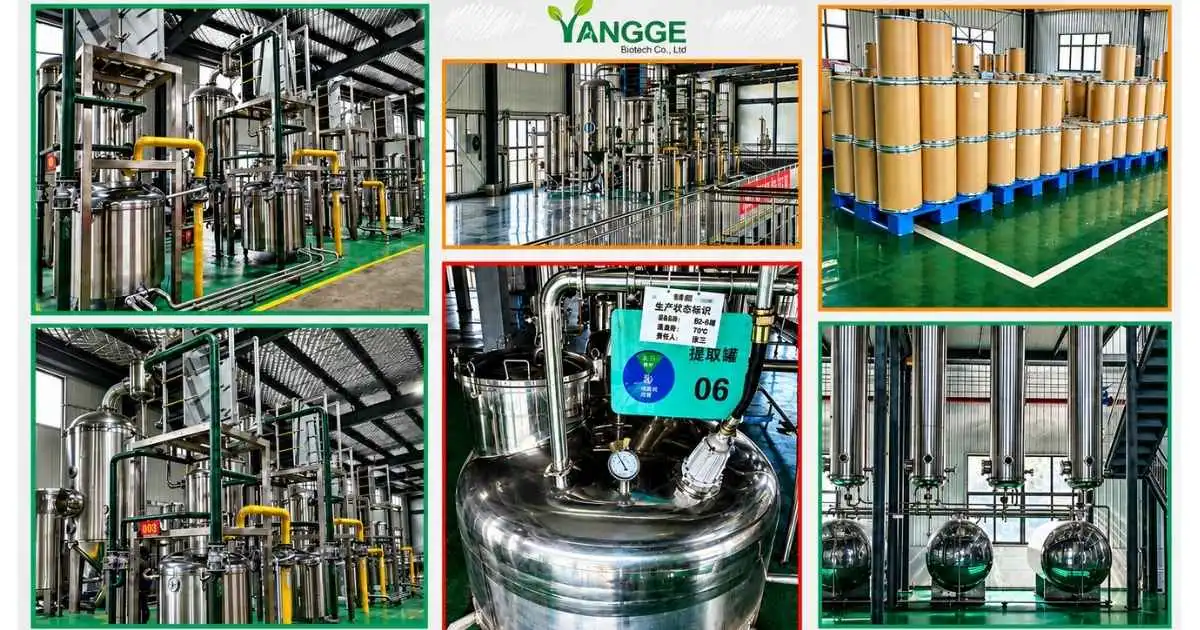
- Production capacity and inventory — Yangge maintains 5 tons in-stock inventory with 25 kg/drum or OEM packaging options
You shouldn't look at these criteria for alpha gpc 98% after a buy order has been made; they should be asked for as part of a pre-qualification sample package.
Pricing Models and Volume Tiers
Batch size has a big effect on the cost per kilogram. There is a price difference between high-purity grades and 50% material, but the effective dose change often closes the real cost gap. If a buyer needs to find something for between $50,000 and $1 million USD a year, they should talk about tiered pricing with the option to call off every three months and get written confirmation of lead times before signing a supply agreement.
Managing Batch Consistency Across Contracts
One of the most common supplier complaints in the nootropic ingredient space is that the purity changes from batch to batch. Before approving a new supplier, you should ask for three batch COAs in a row. This will give you a basic picture of their consistency. Yangge Biotech works with well-known outside labs to do independent retesting. This helps with supplier audits and quality assurance sign-off at your facility.
Conclusion
Choosing the right purity grade for Alpha GPC sourcing is a formulation choice that affects dose accuracy, stability, regulatory compliance, and the effectiveness of the final product. The 99% grade is best for brain supplements, liquid formulas, and sports nutrition that need to give choline precisely. The 50% grade is used to make tablets and capsules, where the ability to handle powder is important.
Verified HPLC data, retesting by a third party, and clear documentation are what set trustworthy suppliers of alpha gpc 98% apart from those who are only competing on price. Choose the right grade for the job, make sure the seller is telling you the truth, and build your supply chain on documented consistency instead of just catalog specs.
FAQ
What is the recommended dosage of high-purity Alpha GPC for cognitive support?
Clinical studies typically use 300–600 mg of Alpha GPC per day for cognitive health applications. At 99% purity, formulators can calculate target choline delivery with high accuracy. For sports performance, 600 mg pre-workout is the most studied dose.
Is Alpha GPC 99% safe for long-term supplement use?
Alpha GPC holds GRAS (Generally Recognized As Safe) status for use in food and supplement categories when manufactured under current Good Manufacturing Practice (cGMP) conditions. Long-term safety data in adults supports use at established dosage ranges.
How does the 50% grade compare in cost-efficiency to the 99% grade?
The 50% grade is priced lower per kilogram, but delivers half the active content per gram. When calculating cost per milligram of active Alpha GPC, the difference narrows considerably. The 99% grade often provides better value for liquid or high-potency solid dose formats.
Why does my Alpha GPC powder sometimes clump or gel?
This is a known property of high-purity Alpha GPC. It absorbs atmospheric moisture rapidly. Proper storage sealed containers, cool and dry conditions, with desiccants prevents this. The 50% grade with silicon dioxide carrier is engineered to resist clumping in standard manufacturing environments.
Does Yangge Biotech offer samples before a bulk order?
Yes. Yangge Biotech offers free samples of its Alpha GPC Powder with HPLC CoA documentation. Contact info@yanggebiotech.com to request a sample package.
Source Your Alpha GPC 98%+ from a Verified Manufacturer Request a Sample Today
Yangge Biotech offers tested Alpha GPC 99% powder with full COA paperwork, third-party retesting, ISO, HACCP, Kosher, and Halal certifications, and 5 tons of in-stock items that can be sent out right away. We help sourcing teams from the first sample to the framework contract as a direct alpha gpc 98% supplier with OEM packing and price based on volume. You can get your sample and price list right now by emailing info@yanggebiotech.com or going to blog.yanggebiotech.com.
References
1. Traini, E., Bramanti, V., & Amenta, F. (2013). Choline alphoscerate (alpha-glyceryl-phosphoryl-choline) an old choline-containing phospholipid with a still interesting profile as cognition enhancing agent. Current Alzheimer Research.
2. Ceda, G. P., et al. (1992). Alpha-glycerylphosphorylcholine administration increases the GH responses to GHRH of young and elderly subjects. Hormone and Metabolic Research.
3. Bellar, D., LeBlanc, N. R., & Campbell, B. (2015). The effect of acute alpha-glycerylphosphorylcholine supplementation on anabolic signaling and muscular performance. Journal of the International Society of Sports Nutrition.
4. Marcus, L., et al. (2010). Evaluation of the effects of two doses of alpha glycerylphosphorylcholine on physical and psychomotor performance. Journal of the International Society of Sports Nutrition.
5. Gatti, G., et al. (1992). A comparative study of free plasma choline levels following intramuscular administration of L-alpha-glycerylphosphorylcholine and citicoline in normal volunteers. International Journal of Clinical Pharmacology Research.
6. European Food Safety Authority (EFSA). (2011). Scientific Opinion on the substantiation of health claims related to choline. EFSA Journal.

Based on your location and order quantity, you will have the opportunity to receive a limited time free shipping promotion!
Who we are
Popular Blogs